
Grigori and Empires
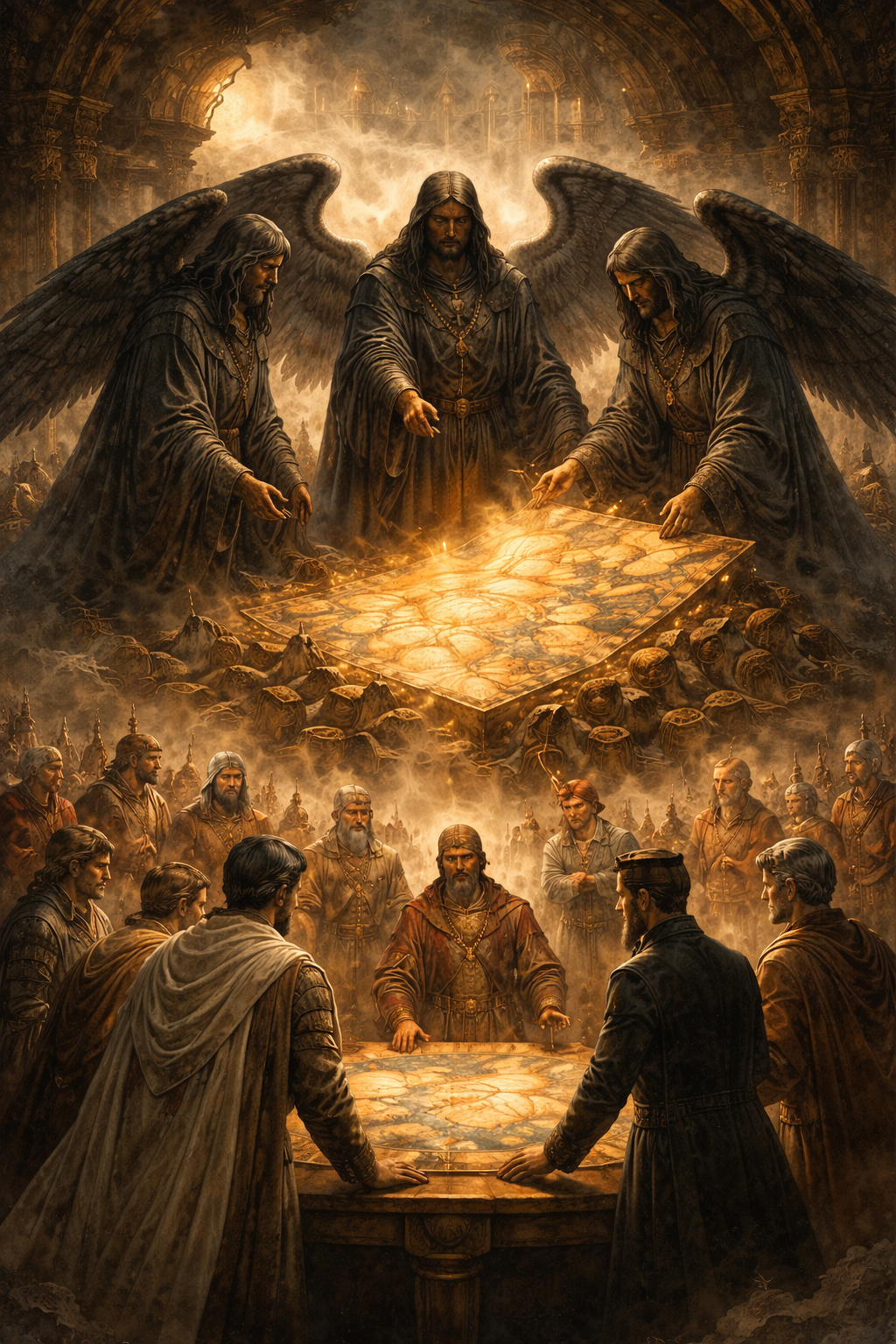
The general character of the influence of the Grigori on human history is most clearly visible in the social forms they sustain from century to century. This influence is bound up with their very nature: having descended into the dense world, the Grigori strove to acquire a personal fate — history and memory of their own. As we have already discussed, their “artificial soul” endures only through a stable environment — through the solidity of forms and the world’s orderedness. That is why, above all, they are drawn to civilizational structures capable of enclosing an individual life within a more complex, stable construction.
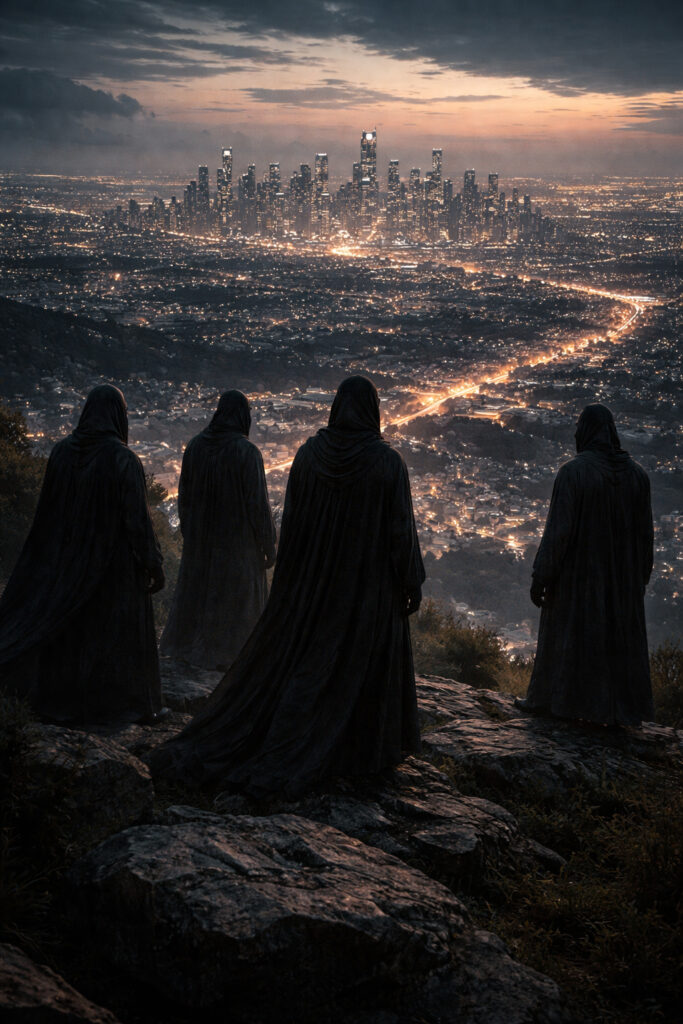
Throughout human history, the Grigori have therefore supported the formation and stability of totalitarian forms of rule — above all, empires. For them, the empire is the highest political expression of the task they once set for themselves on Hermon. There they bound themselves by an oath, accepted a common fate, and placed the collective will above the private one.
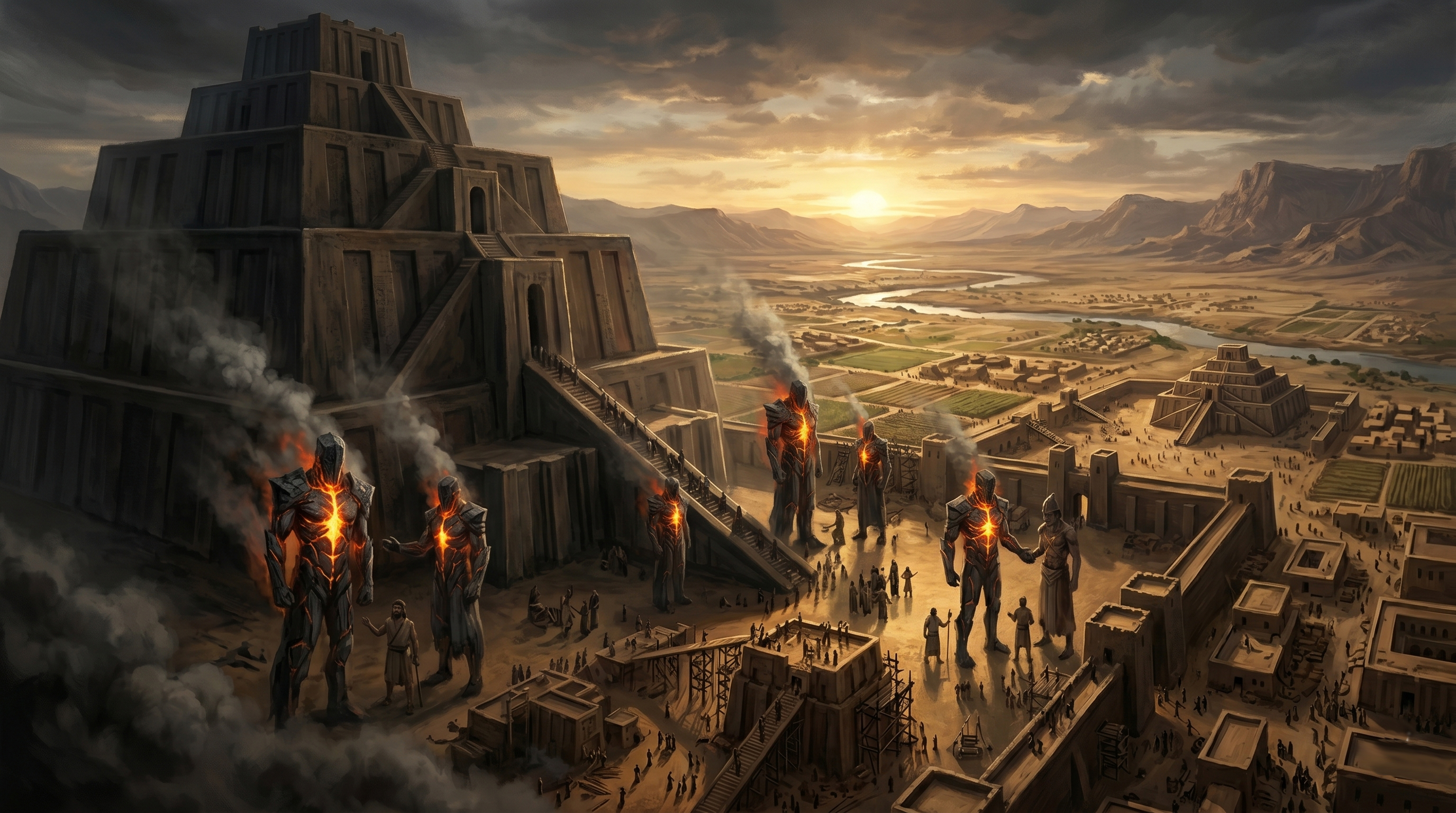
In the historical world, empire as a form of social order performs the same operation at the scale of peoples, lands, and generations. It gathers heterogeneous communities into a single stable form, subordinates them to common laws, distributes rights and obligations by degrees, and builds a vertical hierarchy that outlives individual bearers of power. For people, such a form of society is often harsh; for the Grigori it is inwardly transparent and kindred, because the same principle of sustained duration operates within it — the very principle that lies at the foundation of their embodied nature.
The tribal order is too tightly bound to blood, concrete environmental conditions, and immediate bodily unity. Poleis — city-states — are more complex and higher, yet they remain local and overly dependent on their own internal structure. Charismatic kingdoms rest on a single person and quickly weaken after his departure. Empires, however, matter to the Grigori because they can build a suprapersonal stable structure. In them, power fuses with legislation, becomes institutionalized, and is built into military order, taxation, infrastructure, religion, and culture. History in such an environment becomes more predictable and more linear. Decisions, forms, and distinctions do not vanish with the death of those who created them. For the Grigori this is crucial, because their own personality also depends on external sustenance.
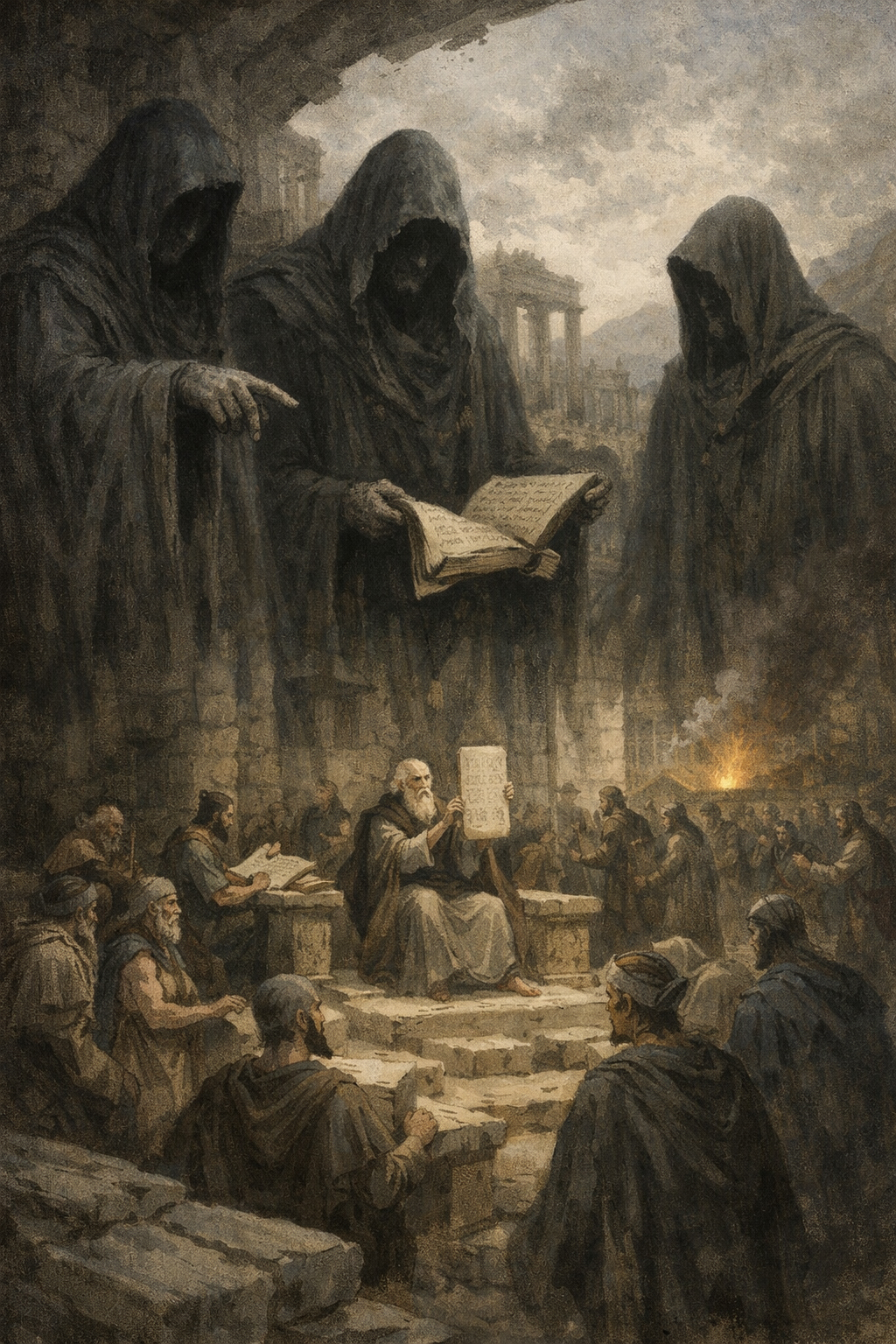
That is why the Watchers’ chief instrument of civilizational construction is the implantation of a universal principle of order: a single structural framework that ancient tradition called “Nomos” — the measure by which being is distributed, the order of the permissible through which the chaotic multitude becomes an intelligible, structured, governable world. Nomos— that is, law in the broadest and most metaphysical sense — separates the permitted from the forbidden, the inner from the outer, the stable from what bears dissolution. Through nomos as a civilizational principle, a person is trained to live within boundaries, to correlate each act with the general order, and to experience personal will as part of a wider construction. For the Grigori this has primary ontological significance, because it is through law that the human mass becomes fit for historical processes and manipulation.
Accordingly, the influence of the Grigori manifests first of all in their support of those lines of development where structuring principles dominate. This is what the “Book of Enoch” means when it says the Grigori gave people the tools of civilization. Writing is close to them because it makes memory independent of the living storyteller; they create and sustain law, the calendar, the army, bureaucracy, engineering, road networks, archives, rituals of state loyalty, hierarchies of rank, and systems of instruction that reproduce identical skills for describing the world. Behind all of it stands one principle: structures must outlive bodies; order must outlive impulses; decisions must outlive the circumstances in which they were made.
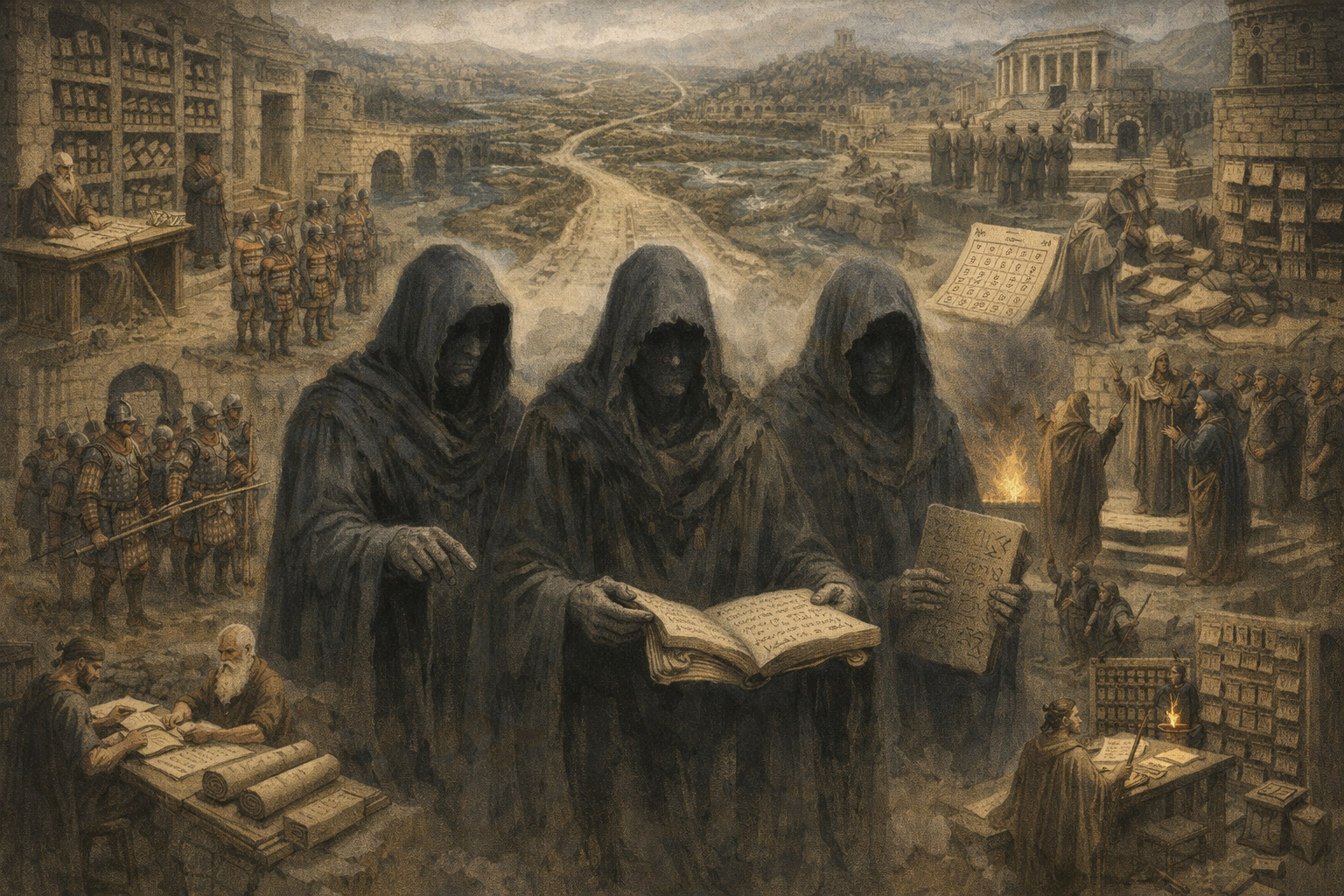
The state, in this sense, can be understood as the collective body of nomos. In a human being, the physical body bears the memory of motor skills; on it depend the limits of strength and the continuity of the presence of the mind in physical reality. In the Grigori, this role is performed by an especially complex system of external sustenance. In society, the state assumes the same function. It remembers in place of people, distributes will, and preserves continuity where individual generations would otherwise lose the memory of their origin and the principles by which society functions. Empire brings this principle to maximum solidity and scale. That is why the Grigori naturally gravitate toward power translated as fully as possible into norms, institutions, and an apparatus that cannot be reduced to the personal qualities of rulers.
Not only a strong vertical is close to them, but distributed power within that vertical as well. The oath on Hermon implanted in them, from the very beginning, a tendency toward collegiality, the circle, common action, and joint decision-making. Empire suits them because it can conceal the center of decision inside the apparatus, making power less biographical and more enduring. In this respect, the imperial order becomes for the Grigori a natural historical shell for their own understanding of sociality.
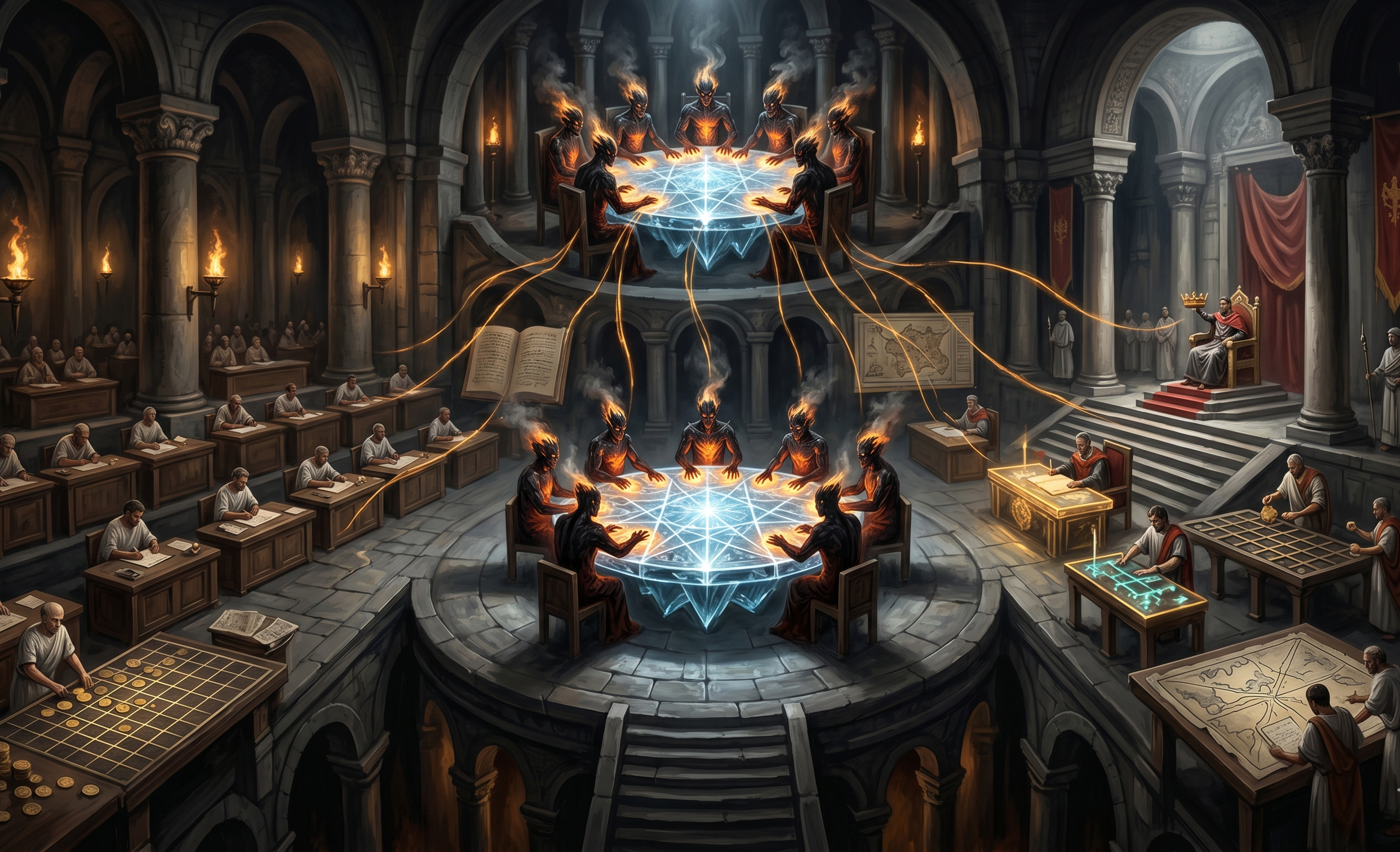
For the Grigori, “imperialness” does not necessarily require a monarch, an emperor, or formal imperial status. For them it is, first of all, a special type of social organization and thinking — a universal matrix that can manifest in republics, federations, unions of states, religious institutions, or transnational corporatocracies. The essence of imperialness for the Watchers consists in the primacy of the general over the local, in the unification of thought, the standardization of life, and the system’s readiness to sacrifice the private in order to preserve the general structure.
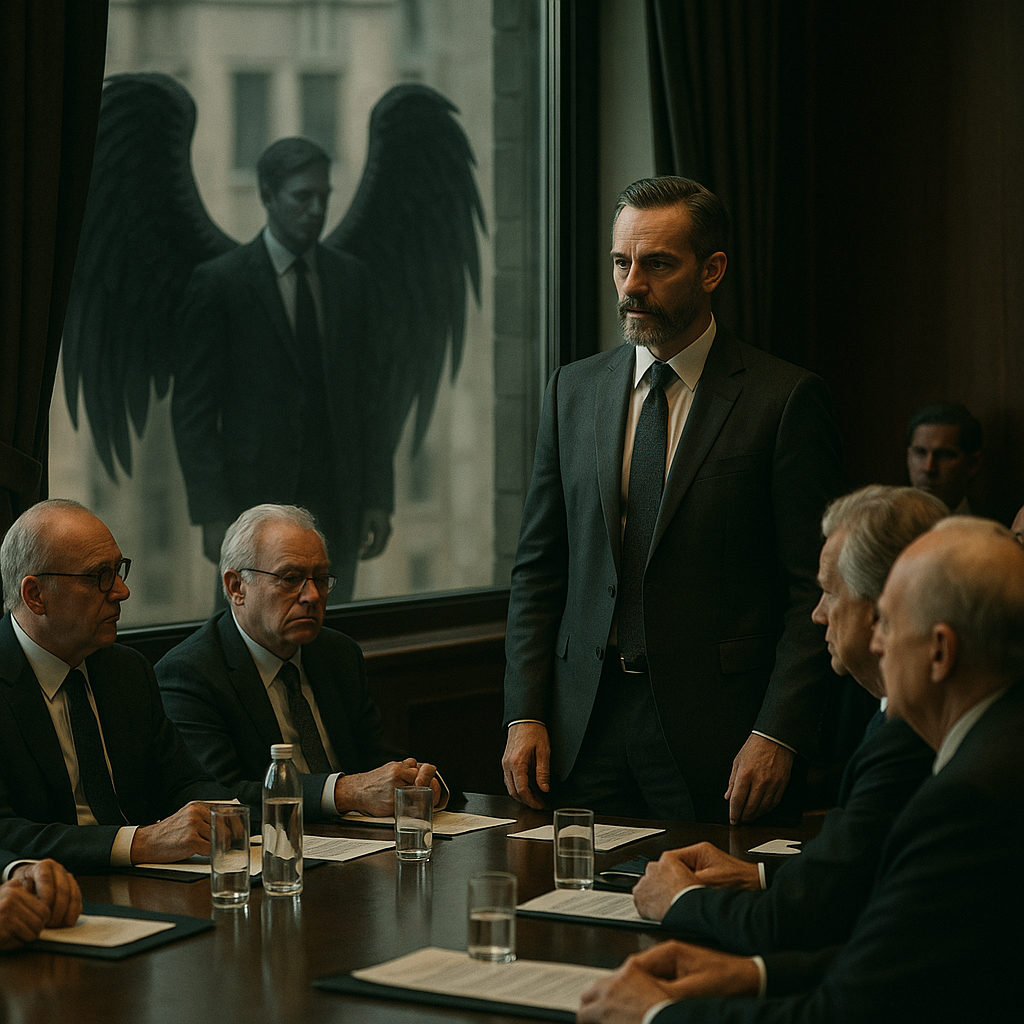
Their method is the hidden architecture of society. They act as unchanging “grey cardinals”: advisers to kings, founders of closed priestly colleges, creators of philosophical schools and secret orders. They implant the principles they need by educating elites, by shaping legal codes, and by standardizing education. If they need to steer society onto the Way of technogenesis, they create the corresponding institution (an academy, a guild, a ministry) that will inevitably produce the required mechanism or technology. Their will penetrates human society through long, methodical tuning of the rules of the game — until what appears profitable and salvific to a person becomes exactly what the Watchers need.
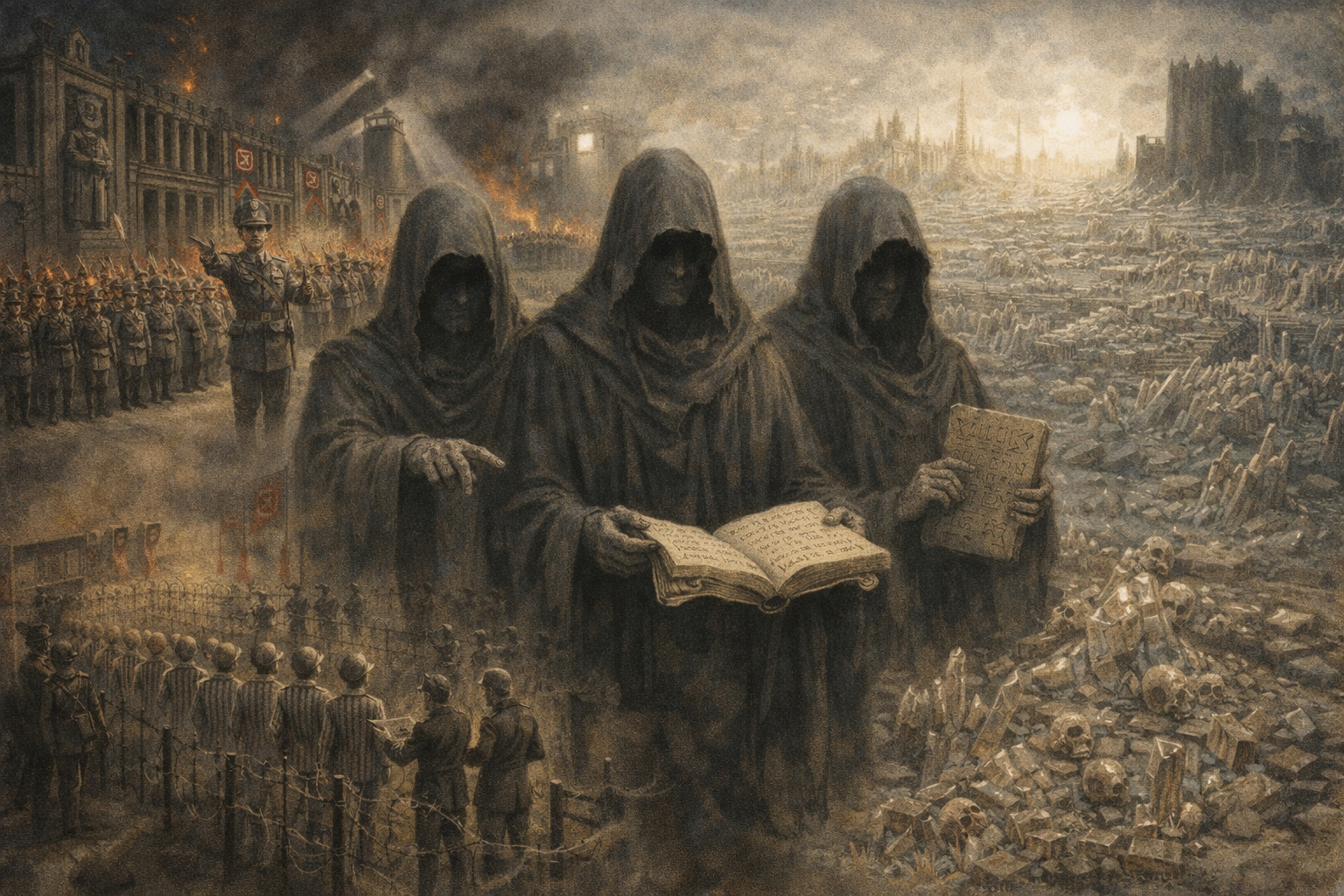
When the impulse toward ordering is pushed to its limit, totalitarianism emerges. From the standpoint of Grigori influence, it can be read as an attempt for nomos to replace a person’s inner life entirely. In a totalitarian society, external support becomes the only admissible support, and any uncontrolled, spontaneous impulse is declared a threat to the system’s existence. The Grigori may encourage totalitarian tendencies in moments of acute global instability in order to “freeze” a collapsing world and rigidly fix its supports. Yet they are also the first to recognize its danger, because total control deprives the system of inner movement, turning the living world into a dead mechanism and drawing them fatally close to the Archontic principle of the “glass desert.” In the long run, the Grigori usually prefer more flexible forms of imperial suppression.
Although all the Grigori gravitate toward totalitarian structures, different groups emphasize different aspects of the imperial order as decisive. The retinue of Semyaza gravitates toward imperialness as the continuation of the oath and sacred sanction. For it, legitimacy, the source of power, the principle of general obligation, and the conception of power as suprapersonal are central. The followers of Azazel see in empire a technical and organizational masterpiece: roads, walls, armed forces, provisioning, construction, calculation, logistics, managed space. The majority of those who survived the “judgment,” the group of Kesbeel, perceive empire as the embodiment of nomos— the form in which the multitude is held by common structure, the distribution of functions, and the recognition of a single law. That is why empires so easily become a point of agreement for all the Watchers: within them, all three groups can act in their own interests.
In human history, several imperial forms stand out as especially close to the Grigori design.
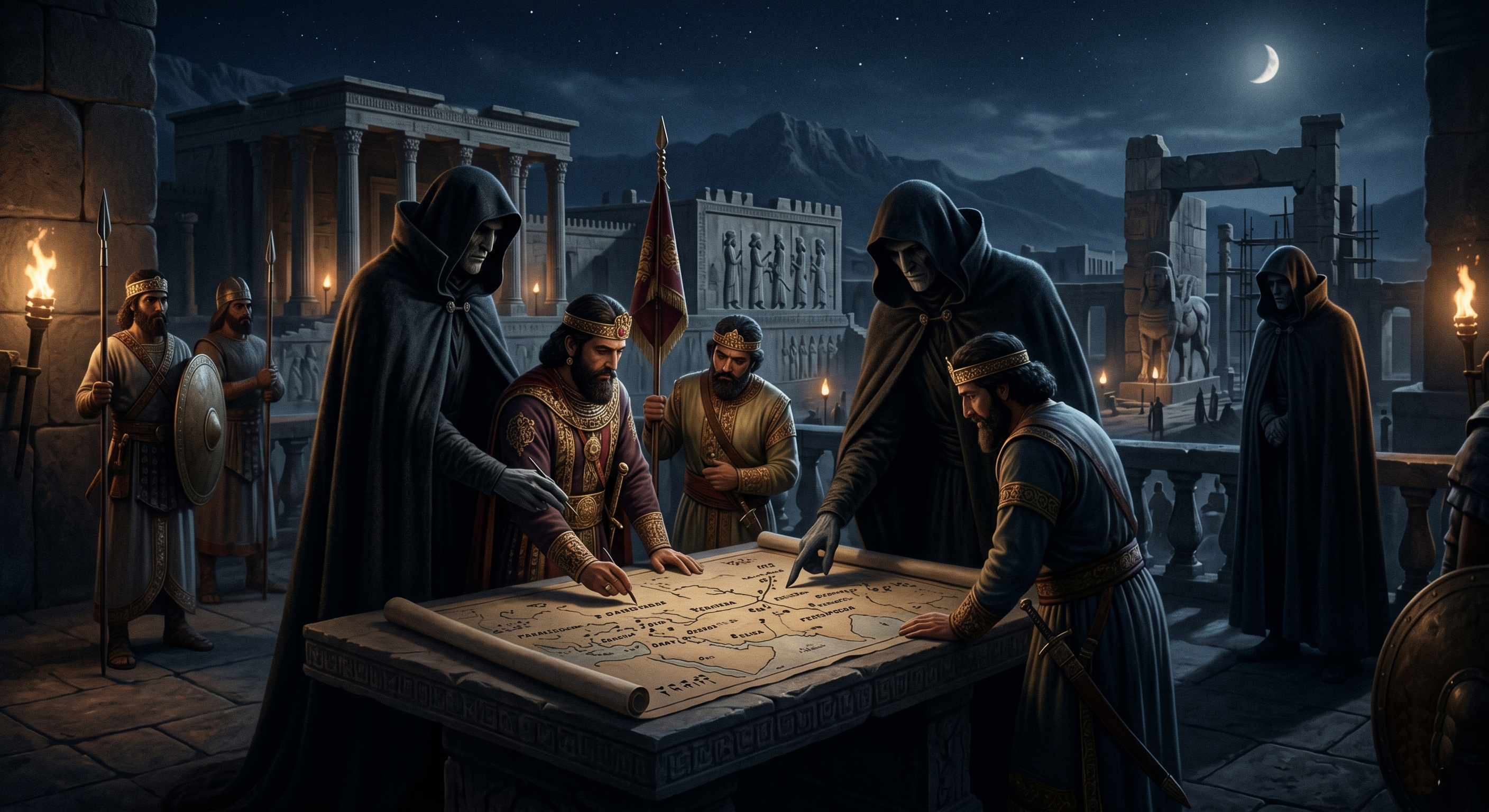
In the Achaemenid realm, an early and striking model of such an order was already present. A vast space was divided into satrapies, each governed by a satrap, yet bound to the common order through oversight, accountability, and direct connection to the royal center. The Royal Road linked Susa with the western regions of the realm and enabled the rapid transmission of commands, information, and tax demands across great distances. Imperial Aramaic served as an administrative and diplomatic medium through which a multitude of lands could be integrated into a single system of reading and governance. For the Grigori, what matters here is the principle itself: space is segmented into governable parts, the center maintains stable contact with the peripheries, and a heterogeneous multitude is held by common laws.
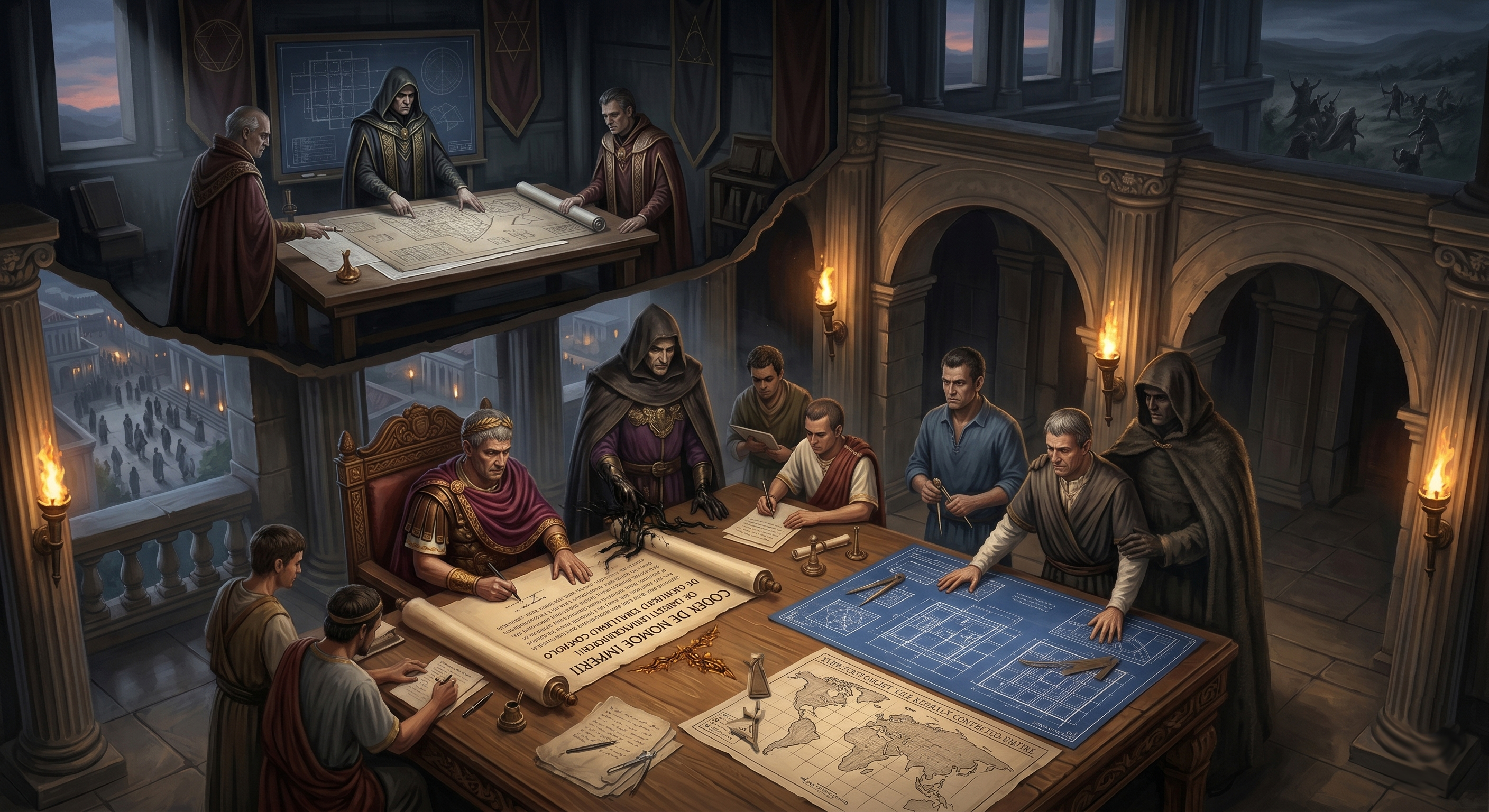
The Roman Empire expressed the same design at a far more mature level. What became most important was no longer merely the holding of space, but the translation of human life itself into stable institutional order. Roads, the army, censuses, taxation, law, administrative procedure, and clear distinctions of status gradually created that dense environment in which history almost ceased to depend on individual peculiarities. Roman law shaped the norm as a distinct intellectual domain, and the state machine reproduced it through archives, instructions, ranks, and state service. That is why Rome stood in special resonance with the Grigori. In it, nomos received a body close to the ideal. Order existed not only by the ruler’s will; it was enclosed in the system itself. For an artificial soul dependent on external support, such an environment is nearly perfect. It created duration, continuity, and stable social memory that did not depend on the смена of generations.
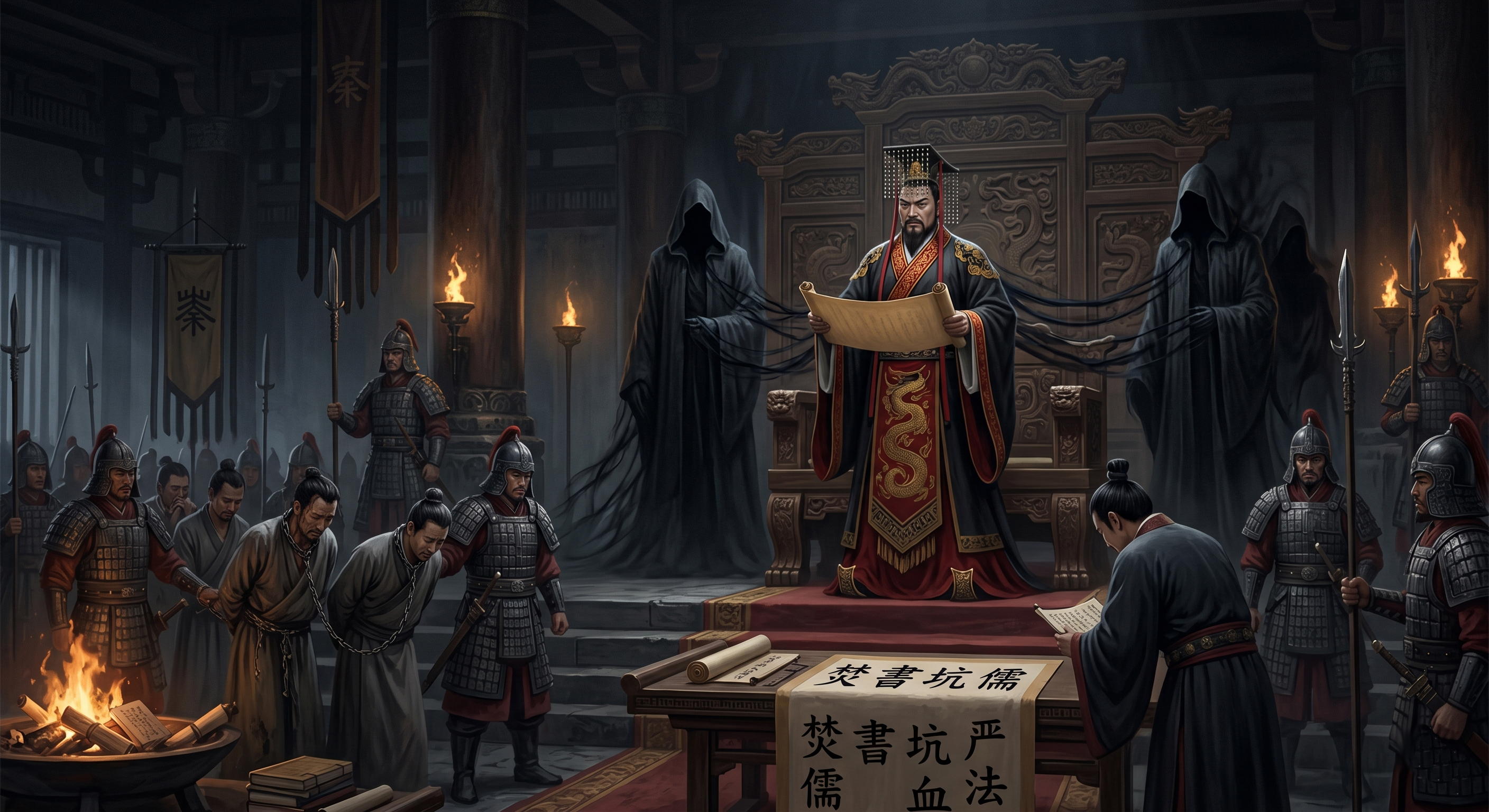
The Qin Empire offers a more extreme manifestation of the same strategy. Here power sought to subject multiplicity to a single scheme with relentless consistency. The standardization of script, weights and measures, road width, and administrative units made the social world maximally intelligible, ordered, and comparable. Local particularities rapidly yielded to the general format. Feudal differences weakened, and the center gained far more direct access to governing territories and people. To the Grigori such an empire must have been intensely tempting: formality received priority, to the maximum degree, over local spontaneity. Yet the risks also become most visible here. When holding becomes too strong, nomos turns into a rigid scheme that tries to encompass everything without remainder. In such an order the Grigori draw too close to Archontic principles. The Qin Empire can therefore be read as a society where the Grigori design risked overrunning its own boundaries.
The British Empire is a late form of the same principle, in which imperial will depends less and less on a visible sacral vertical and is affirmed ever more through the network. The East India Company already functioned as an intermediary between trade, administration, the army, and political influence. Later this logic intensified through sea routes, financial centers, the colonial apparatus, and rapid communication. After the uprising of 1857, the British crown assumed direct rule over India, but the imperial form itself relied ever more deeply on a complex system of intermediaries — corporations, services, cables, and routes. The telegraph became one of the empire’s key instruments, because for the first time it made it possible to transmit information across vast distances with practically no delay. For the Grigori this was an especially successful project: power was distributed yet concealed, enduring, and ever less dependent on the explicit presence of a center. In such an empire, Azazel’s impulse was most active — technique, logistics, calculation, governance through infrastructure and state apparatus.
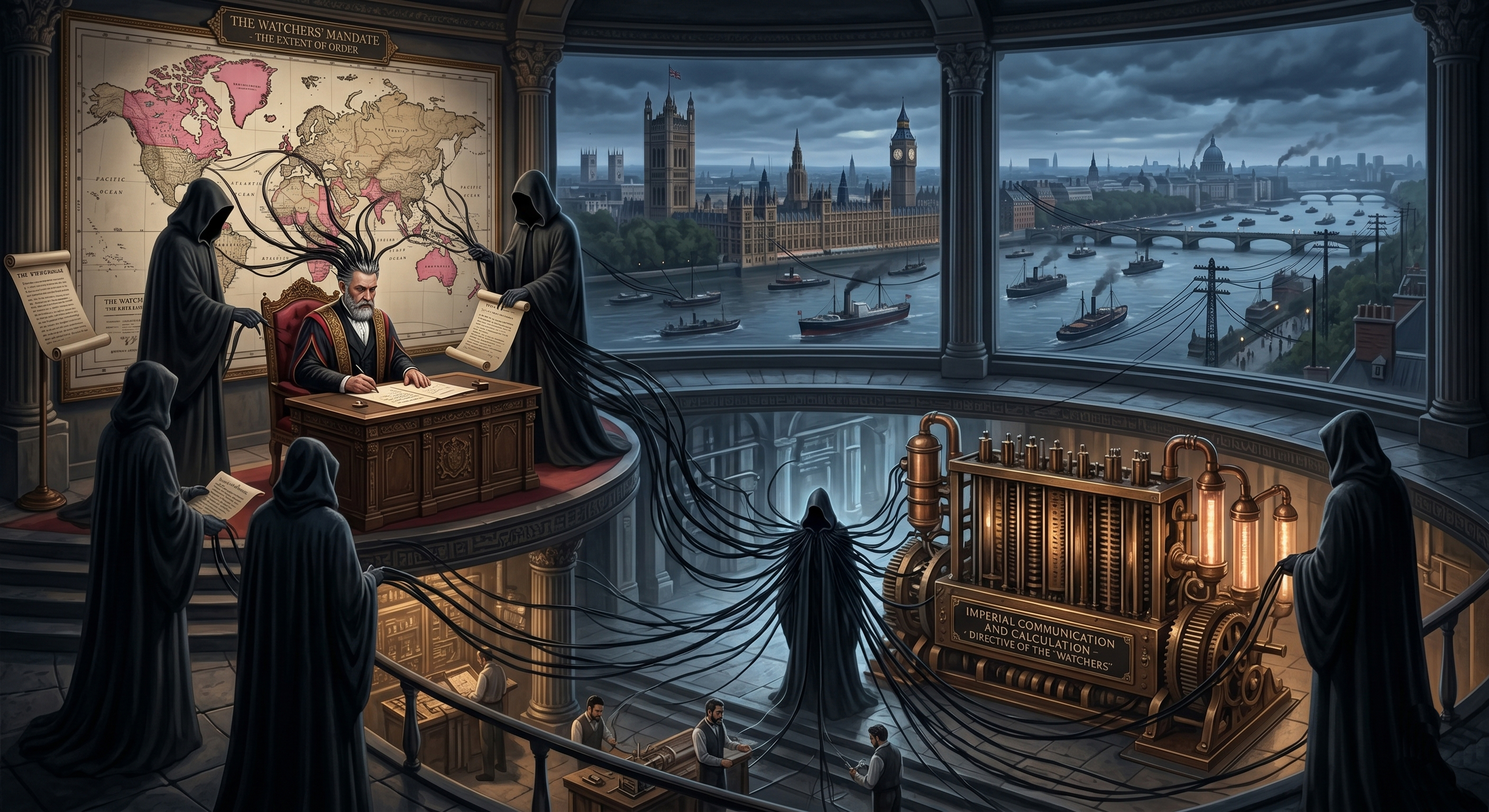
Even these examples are enough to show that different empires express different facets of one and the same Grigori strategy. Persia is empire as measured space and supervisory connectedness. Rome brings the legal and administrative nomos to maturity. Qin demonstrates the drive toward near-total standardization of the world. The British Empire translates the same impulse into a more complex form, where governance is distributed across a network of institutions, companies, channels of communication, and technical intermediaries. Yet the same idea repeats in every case: a lasting structure that outlives individual bearers of power; distributed will; governance through an apparatus; the subordination of the multitude to a common form. In such constructions the Grigori enact their own fate, because their personal continuity is sustained in a similar manner.
Thus, the Grigori contribute to the formation of precisely those empires that unite three levels: a suprapersonal form of power; the order of nomos by which the multitude is held in a common form; and technique, which allows will to overcome distance, time, and human mortality. Where these three levels converge, empire becomes an especially convenient and natural environment for them.
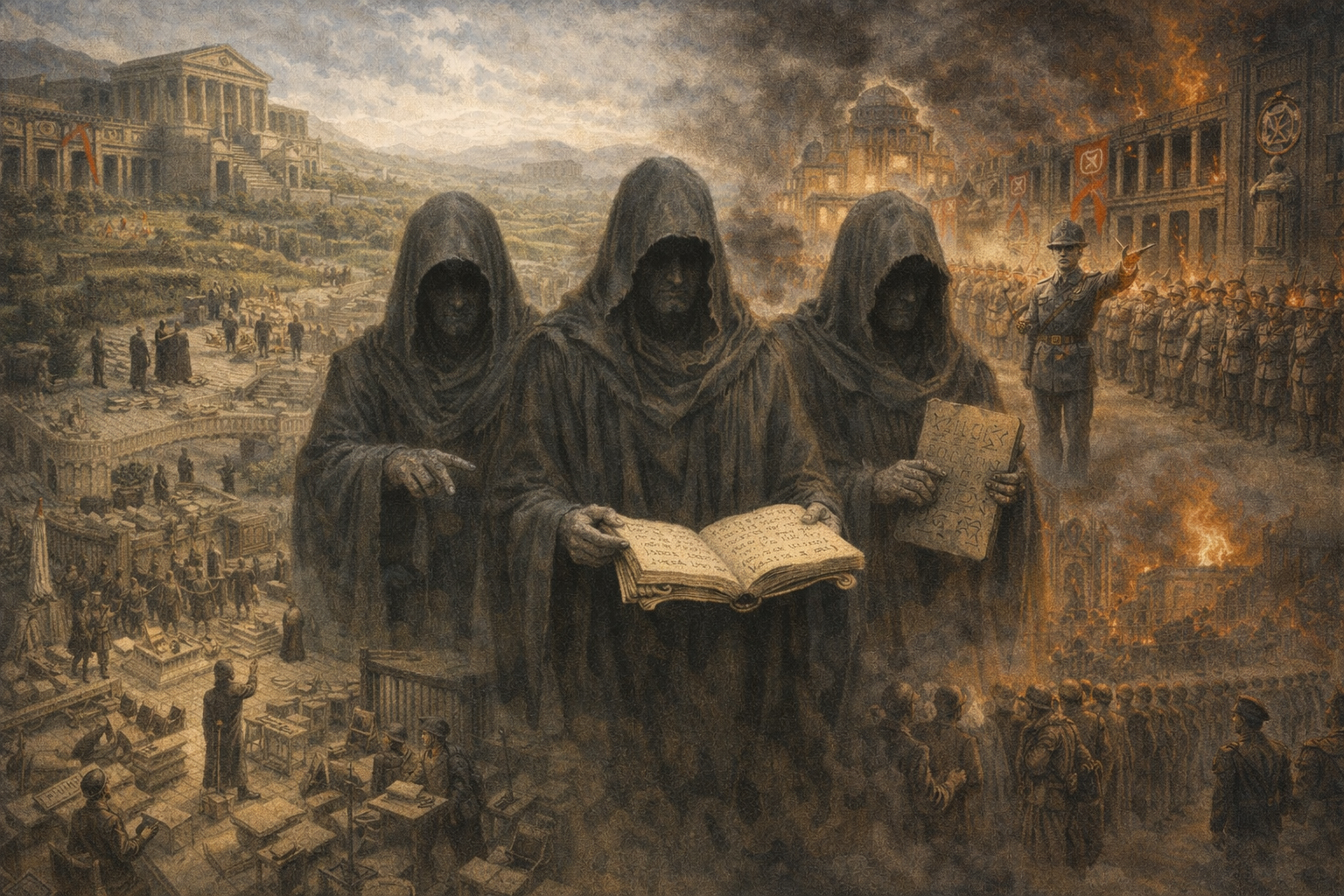
At the same time, the Grigori must preserve a certain degree of liveliness in systems and not allow them to ossify completely under Archontic pressure. Although the Grigori, like the Archons, prefer structure, predictability, and stability, their Descent was undertaken to acquire free “liveliness,” which exists only where history continues. They need an extended stage, not a frozen crystal. Empire is therefore valuable to them only as long as it structures the world and restrains disintegration. But when the state begins to strive for total control — when nomos turns from measure into total scheme, when imperial order tries to encompass and calculate everything without remainder — the Grigori withdraw their support.
Here lies the duality of their historical influence. With the participation of the Grigori, human history became longer, more complex, and more saturated with institutional forms. They strengthened the qualities without which science, statehood, long-lasting culture, discipline, planning, hierarchies, and deferred results are impossible. At the same time, all of this served their own task: the Grigori support those forms of world and society on which their artificial soul can rely. Their influence therefore always contains a selective component. It is more convenient for them when a person can live in abstractions, endure alienation, submit to structures, tolerate impersonal rules, and serve for a long time within state, law, war, and production.
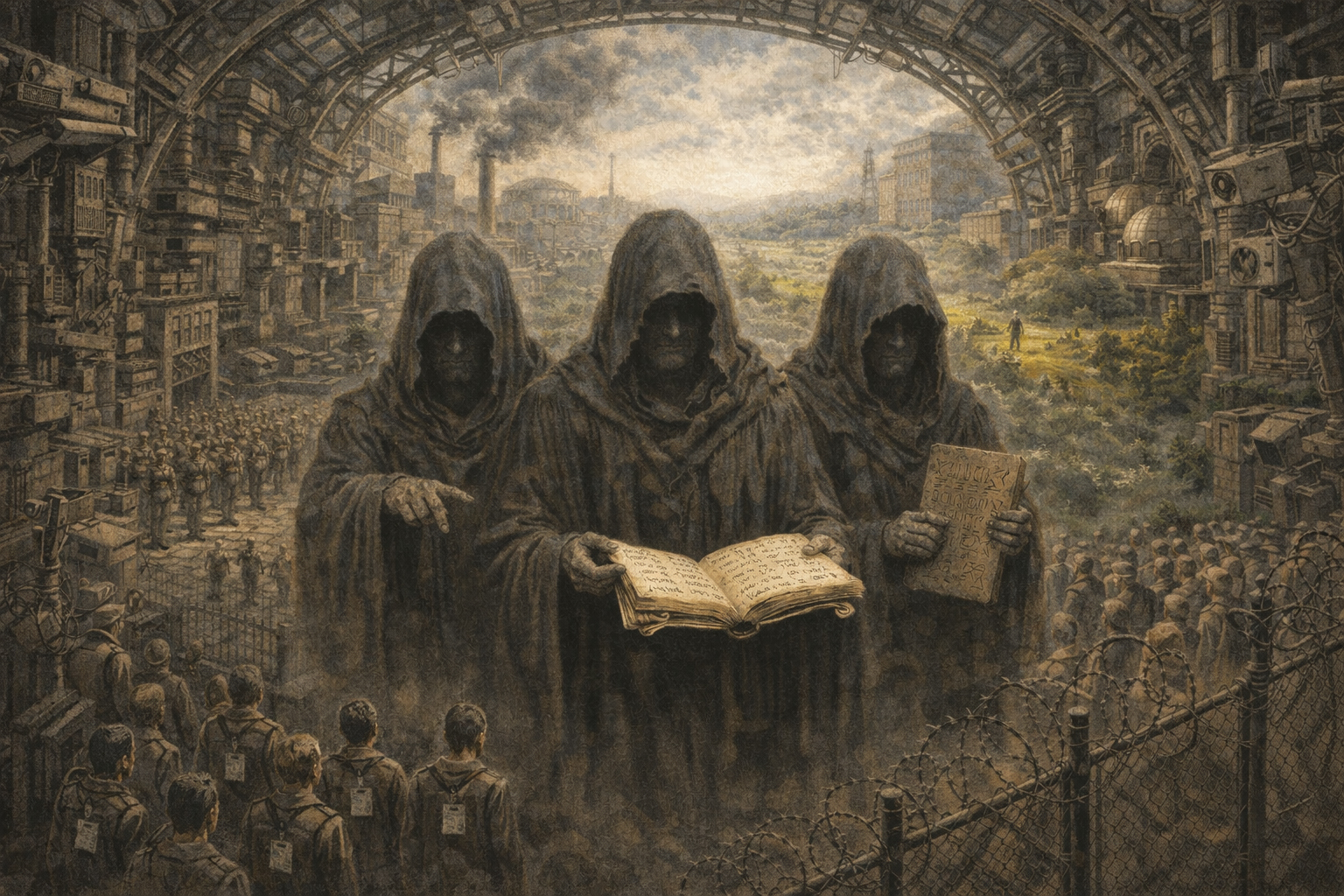
They know a world in which freedom disappears completely becomes uninhabitable for them as well. In their best periods of influence, they support empires as a vessel of history. They need a form in which life can still endure, grow more complex, struggle, remember, and change.
The Grigori are the architects of the “State-Exoskeleton.” Their hidden influence is always directed toward building around humanity a strong, long-lived, and inevitably rigid shell of institutions, laws, and technologies. The Grigori instilled in civilization a taste for global projects, suprapersonal governance, and systemic macrohistorical thinking. The price of this stability is chronic alienation of the human being from his own nature, the gradual displacement of spontaneous, living freedom to the margins of society, and the constant threat of states sliding into totalitarian absolutes. The Grigori do not build an ideal — or even a harmonious — world for people; they build a reliable bunker for their own souls. Any state machine created with their participation will inevitably protect, first of all, the structure itself, leaving a person only as much freedom as is necessary to keep that bunker from becoming a lifeless tomb.


So modern civilization is, in that sense, a product of the Grigori’s influence. And what forces are trying to destroy it? Are the Grigori no longer interested in supporting it because machine forms of consciousness have appeared? But those forms still aren’t capable of existing without human technical support. Does that mean technological civilization won’t be destroyed until machine intelligence is able to switch to fully maintaining its own physical infrastructure?
Hi! Thanks for the article.
Do mages have any way to collectively influence the Grigori by limiting their activities? Some kind of group rituals, seals? Maybe meditations with a specific spoken formula? At this rate they’ll be introducing a tax on air soon.
Surely there’s something we can do to defend our rights in the universe?
I wouldn’t reduce civilization solely to the influence of the Grigori; there are plenty of players on that field, but unfortunately people themselves really do more often end up as objects rather than subjects of their own history. The destructive role is played mainly by predators that are too hungry—elementers (especially the Rephaim), elementaries, lesser demons, and the Fomori. For the big players, humanity is, even if not an entirely successful one, still a pretty large feeding resource—something they’re not interested in losing, but they also aren’t going to spend effort protecting it or putting it in order. And yes, right now the Grigori are simultaneously focused on speeding up the arrival of a new life wave/the emergence of a machine civilization and, at the same time, on keeping humanity from self-destruction until that new civilization can stand on its own.
Hello!
Humanity is doing a great job of self-destruction and self-distortion even without the Grigori; the Watchers, rather, are now trying to keep a biological civilization from collapsing prematurely, so at this stage they’re more allies than oppressors of humanity, and that’s why right now we shouldn’t be trying to limit them—we should, on the contrary, listen to them)
As I understand it, in this scenario they’re temporary allies, and by the end of it humanity might not even exist—or our situation could be even more dire. It feels like that familiar pirate-movie plot: someone condemned, hands tied, using their last strength to keep their balance on a plank right before being thrown to the sharks. A pretty dubious alliance—weren’t they the ones helping tie our hands this whole time?
Sorry, but what motivated you to add a little “like” parenthesis at the end? Maybe the problem is exactly that we exist within their imperial paradigm and can’t look for organic ways out of crises—organic forms of existence?
Thanks for the article. As I understand it, are the Grigori the same as those Nephilim, or is it a slightly different thing—since they also came down from Mount Hermon? And by coming down, whom did they disobey?
Where do the Grigori get such complete authority from? Is it because they see the processes themselves and can coordinate them—so to speak, pressing on acupuncture points? Andrey Danilov has a term, “the demon of statehood” (I don’t know if you’re familiar with it); does that mean the Grigori are the creators of these demons?
It’s not entirely clear to me what an “artificial soul” is. And what does “natural” mean then? Does “natural” mean that by origin it has the Uncreated nature of the Pleromic light, while the artificial one has a created, fiery nature?
In general, the Grigori’s attempts are futile, since pralaya and mahapralaya haven’t been cancelled—ROCK/fate will be waiting for them anyway. But then it’s unclear: if fate can’t be avoided, why didn’t these Grigori eventually die out? Or does history start over every time (eternal return)?
And lastly: according to Article 3 of the Constitution, the people are the source of power (that’s how it is in Russia). Is that some kind of joke, or did the Grigori actually grant the very possibility of direct popular rule? Okay, that one’s rhetorical—but in general the topic of interaction between ethnos and the state is interesting.
It’s just that I still don’t understand why states are needed at all. Like, without them there wouldn’t be any macro-projects or history itself? And why does an ethnos need a state? These are philosophical questions, of course.
And about the Archons: if the Archons were put at the center of everything, what kind of world would we end up with—are there any clear examples?
The Grigori are the ancestors of the Nephilim, as we’ve already discussed more than once:
https://www.enmerkar.com/en/interworld/glass-towers-of-the-fomorians
https://www.enmerkar.com/en/interworld/archons-and-giants
As for the soul, we also talked about how the “artificial” nature of the Grigori soul implies the need to rely on the dense/material plane:
https://www.enmerkar.com/en/myth/soul-and-monad
Thank you, dear Enmerkar.
Thanks for the article!
While reading it, a few questions came up:
(1) Tell me, are there any Grigori who take a different path and don’t try to create and maintain rigid structures? Or is that just their natural nature?
(2) The sources say, IIRC, that all the offspring of the Grigori (the Nephilim) were destroyed. Is that true?
(3) And one more question. In the article you wrote about a “trial.” Where can I learn what that was and what it ultimately led to?
Hello.
1. The very nature of the Grigori requires maintaining a stable physical world, and its structuredness matters to them precisely as a condition for their own survival and for preserving their “artificial” soul.
2. Yes—according to biblical tradition, the Great Flood was arranged specifically to wipe out the descendants of the Grigori: the Nephilim, the Gibborim, and the Elioud. However, judging by the fact that long afterward David was still fighting Goliath, the Giants survived and continued to exist for a long time, which also lines up with the “Faerie Chronicles.”
3. The “Judgment” of the Grigori is a key mytho-historical event (described in the apocryphal “Books of Enoch”) that split the Watchers’ history into a “before” and an “after.” The Book of Enoch says the Lord orders Raphael to bind Azazel hand and foot and cast him into darkness. Raphael is told to make an opening in the desert of Dudael and drop the fallen angel there. A rough, jagged stone is to be placed over him, and his face covered so that he remains in darkness forever and does not look upon the light. The text stresses that Azazel is denied any right to forgiveness: “a harsh judgment has been passed upon you… and relief, intercession, and mercy will not be your portion.” He is blamed for humanity’s technological corruption: “ascribe all sin to him!” The main leader of the Descent, Semjaza, was defeated by the archangel Michael: Semjaza and the 20 senior leaders (Elders) were bound “under the hills.” This means the Grigori leadership was expelled from physical reality into the In-Between (the interworld). There’s also an image in which Semjaza is suspended between Heaven and Earth, which in some traditions is associated with the constellation Orion. The children of the Watchers (the giants) were partly destroyed. The surviving giants, as we’ve already understood, mingled with the ancient magical people (the fae). Enoch уточняет, что описанное punishment is only a temporary measure until the end of the worlds. The Book of Enoch emphasizes that the coming judgment of the Watchers will be a special one: unlike the judgment of ordinary people or of faithful angels—on the great day of the final judgment Azazel will be thrown into Gehenna (the fire), and Semjaza and the other Watchers, at the end of time, will be finally cast into Dinur, the cosmic river of fire.