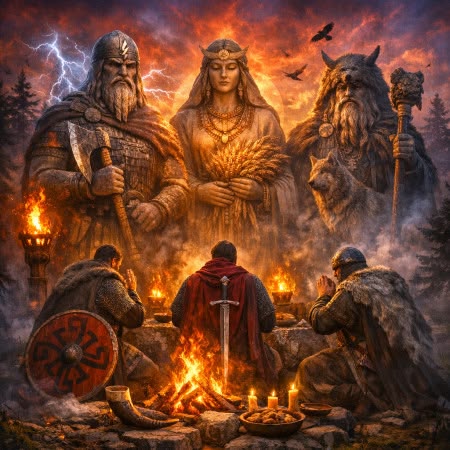
Those worlds in which impulses are born, later realized in “physical” space, are usually called “divine” worlds, and their inhabitants, accordingly, “gods.”


Other Magic
Пишите мне
Enmerkar's Blog содержит более тысячи авторских статей эзотерической направленности.
Введите интересующий Вас запрос — и Вы найдете нужный для Вас материал
Those worlds in which impulses are born, later realized in “physical” space, are usually called “divine” worlds, and their inhabitants, accordingly, “gods.”
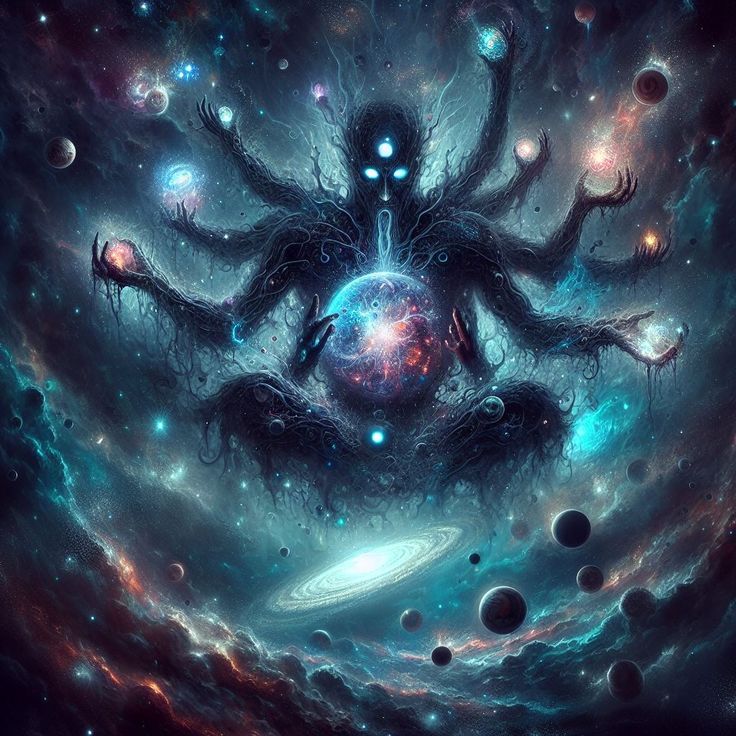
In speaking of the formation of manifested worlds, one must understand that this process can be considered from two sides: from the side of the Interspace, the field of potencies, and from the side of the world itself, the field of the manifested. Accordingly, the emergence of phenomenal reality can be viewed both “from within” […]


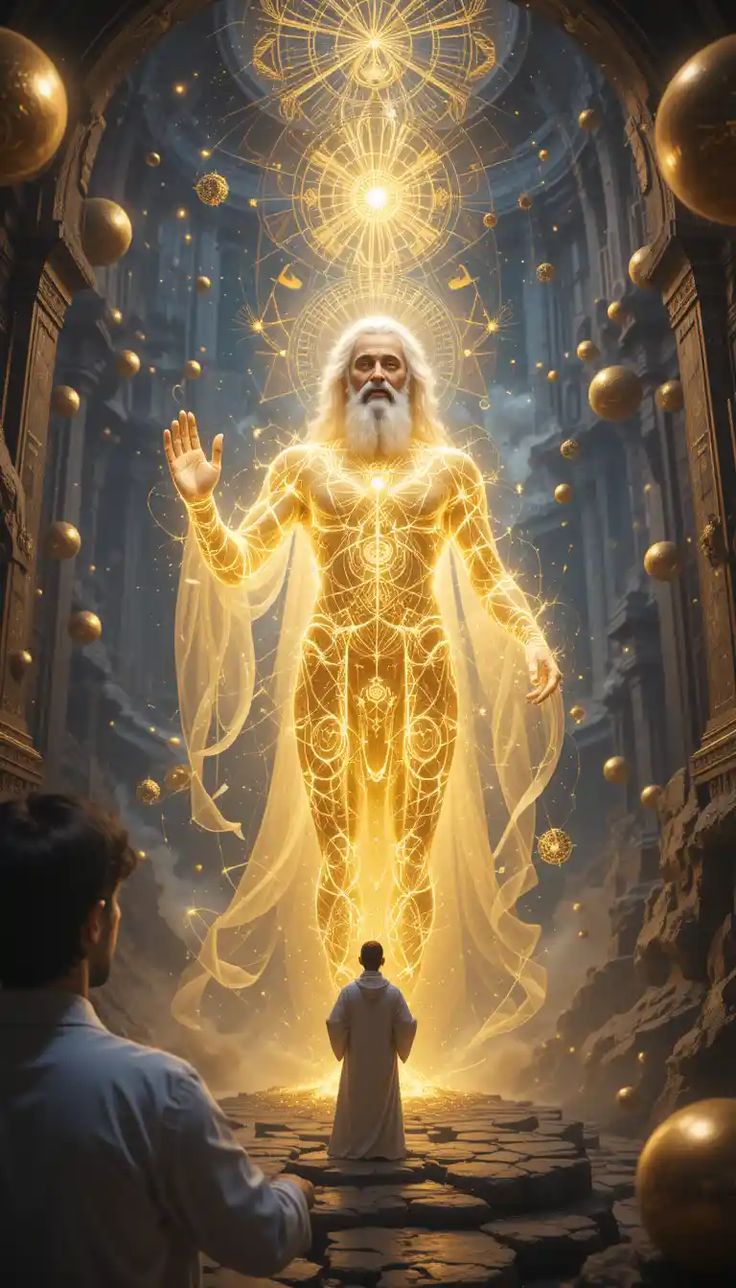
The experience of working with “real” gods serves as a fundamental “tuning of the instrument”, creating the necessary resonance and preparing the channels of the mage’s consciousness.


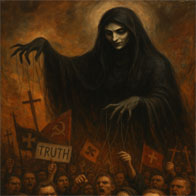
Resistance to Parapliks demands a change in the very foundations of the psyche — its transition from “immersion in conditioning” to an aspiration toward gnosis.
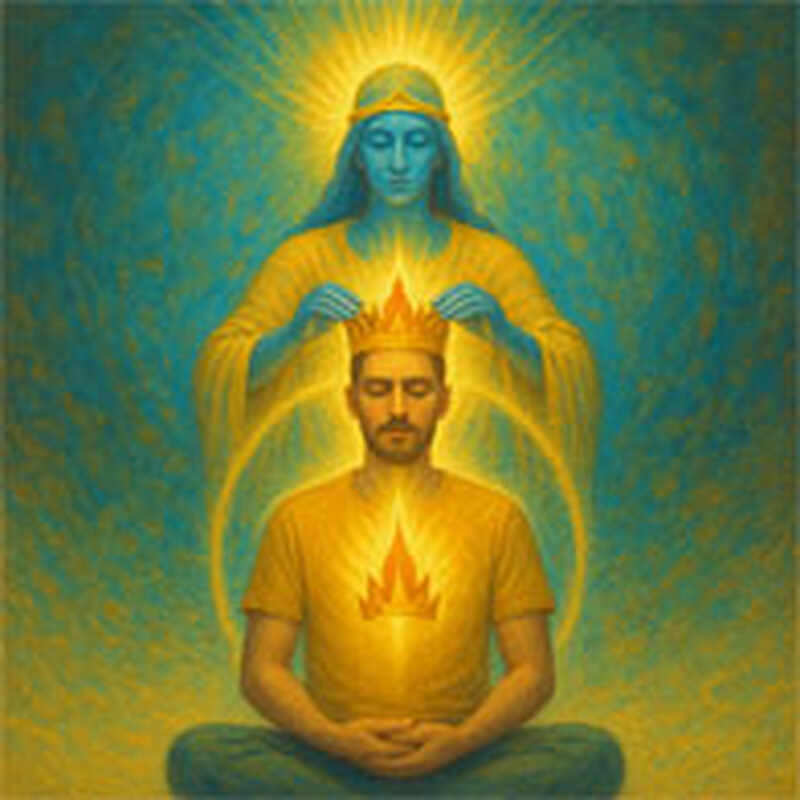
A tsar, the crowned ruler, is always a being of dual nature, uniting Heaven and earth.


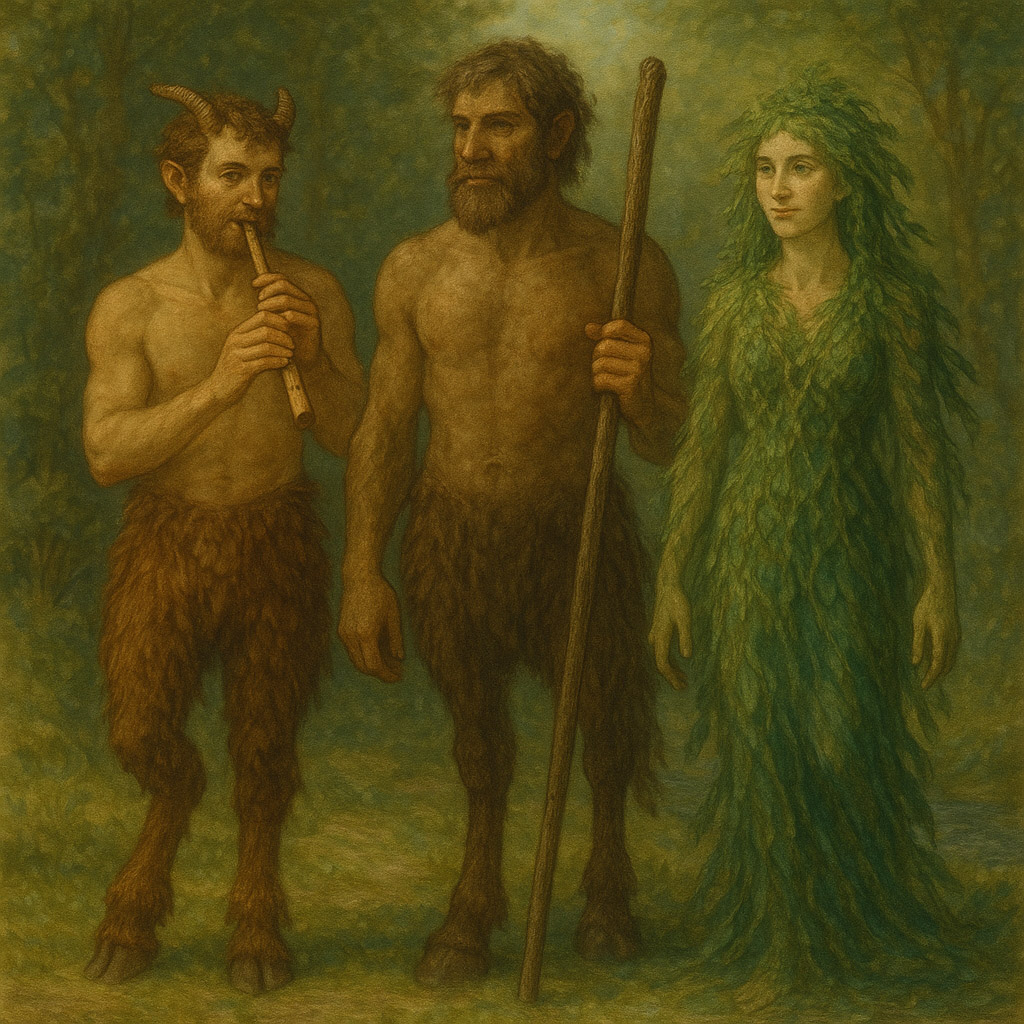
Even an encounter with a “dancing and screaming” bokánach can prove to be a priceless initiatory event for a person, and interaction with a satyr (and all the more with a silenus) is almost always a powerful evolutionary thrust.

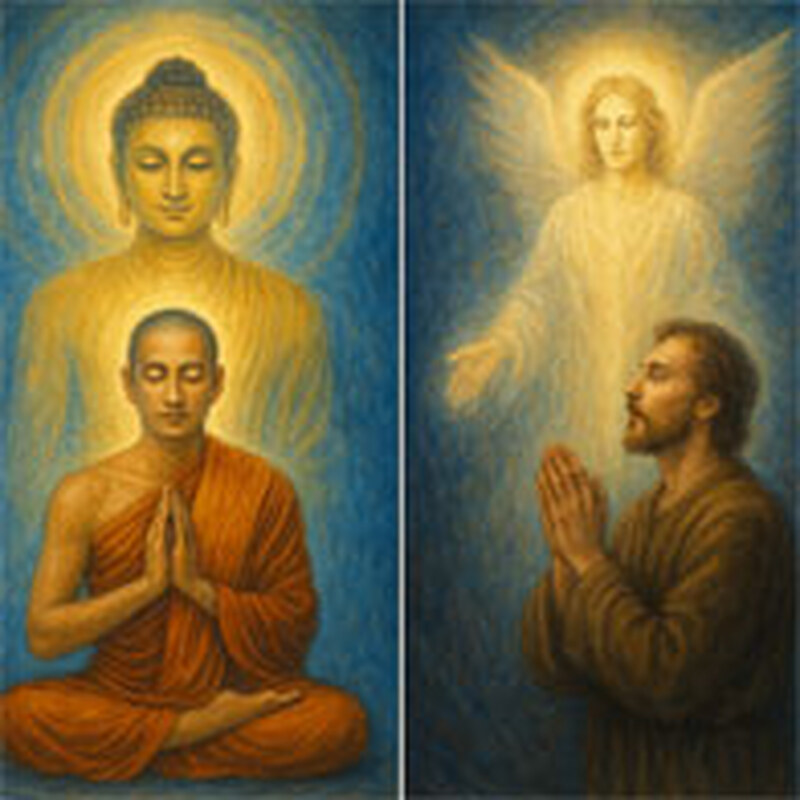
Idams and the meditative deities of the Vajrayana are by their nature identical to the Luminaries as described in the Gnostic tradition.

The task of development—namely, the purification and actualization of the mind—is the foremost activity on any Way that leads from destruction and conditionedness to harmony and freedom.
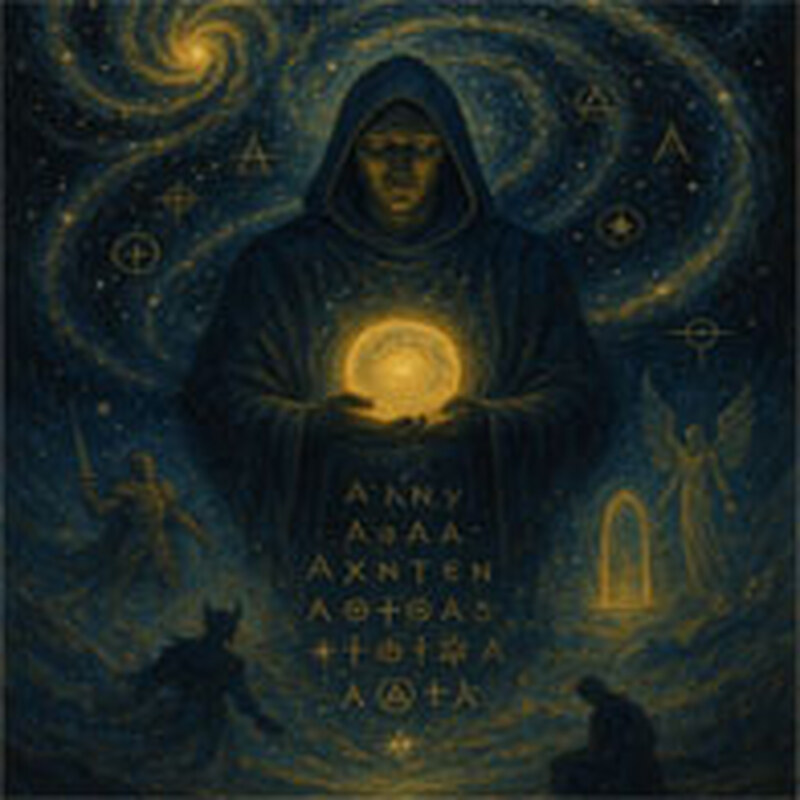
Step by step, passing through journeys and visions, through images of gods and etheric spaces, the mind draws closer to its center.
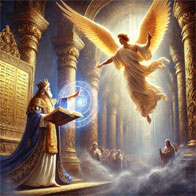
Ars Notoria is devoted to the “semantic” aspect of the structure of vortices, regarding them from a “logostical,” sense‑oriented standpoint.
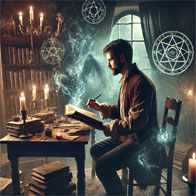
In employing names, epithets, and mottoes, the Magus must discern the nature of the designation he employs, and, in accordance with that, shape the spell or the schema of the Ritual.

The study of both theurgy and goetia becomes all the more important, since “archontic” theurgy is assuming part of the “goetic” tasks.
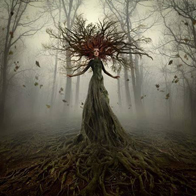
Contacts with Elementals can bring enormous benefit, teaching a correct, careful, and creative attitude toward the environment