The Children of Air and the Gift of Gorias
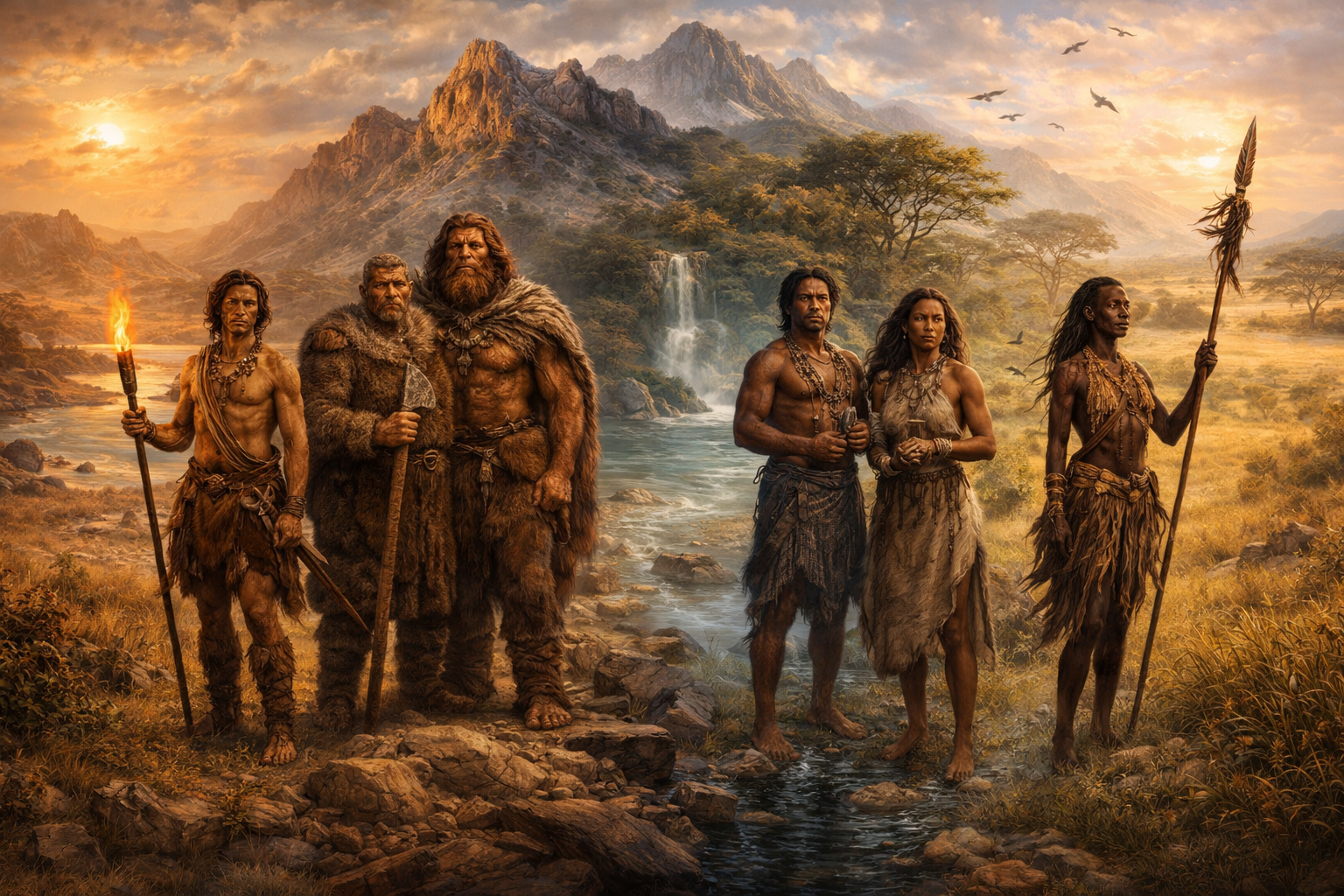
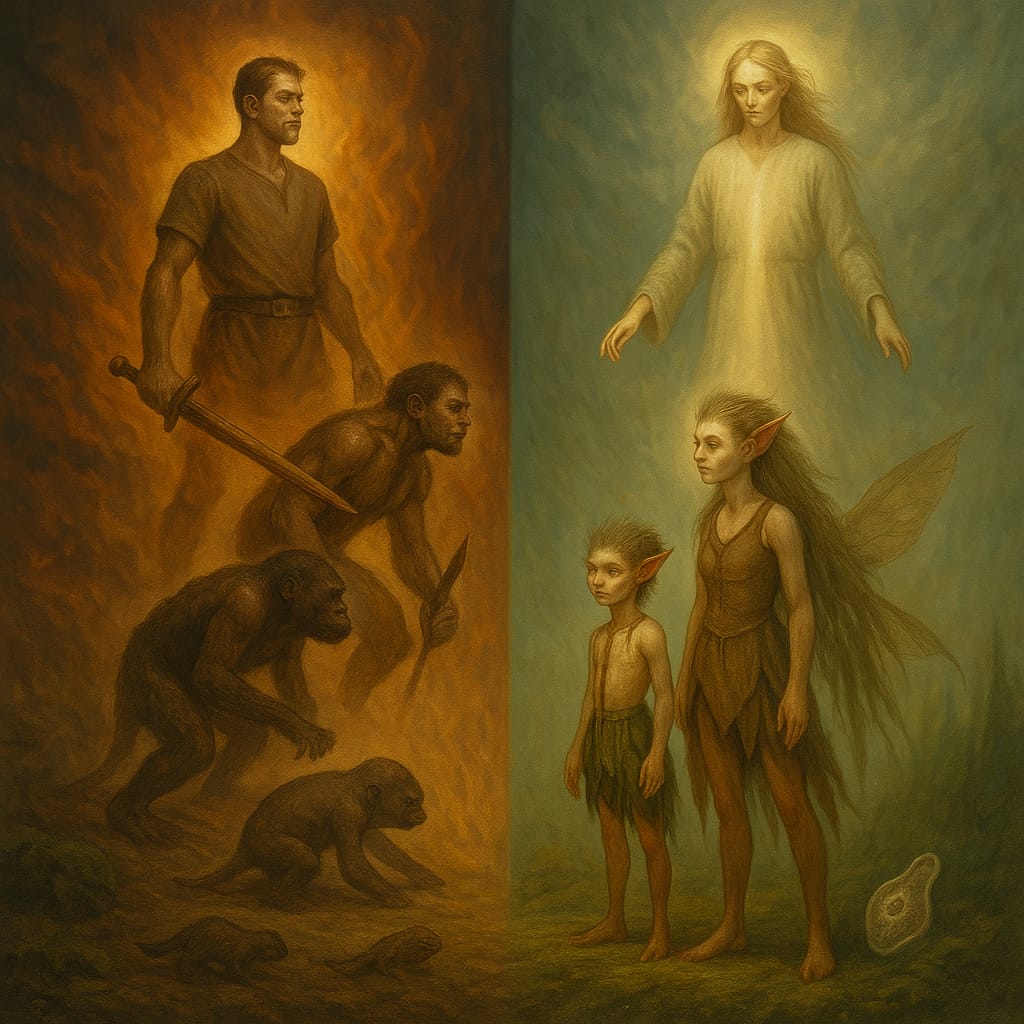
In the Sixth Age, the human form became an object of ruthless directed selection. At the boundary of the Middle Pleistocene, the late branches of Homo began to diverge, and three basic branches emerged, later merging into modern humanity: the Hyperboreans, the Lemurians, and the Atlanteans— the main field of Archonic selection, whose nature we have already discussed. Yet alongside these principal branches, and in parallel with them, there existed another “root” of humanity — also originating in Africa and also entering the blood of later populations.
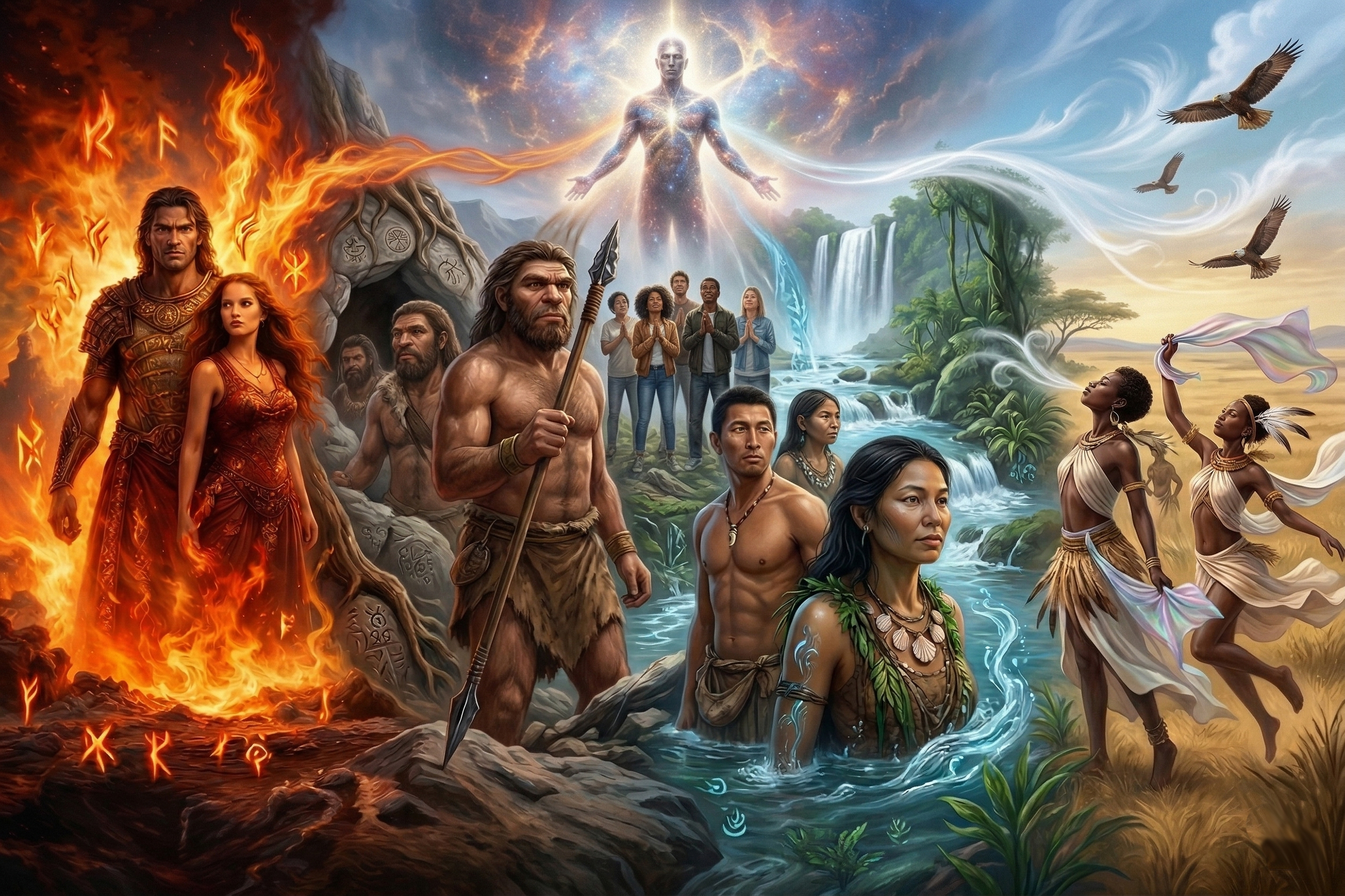
Strictly speaking, this root cannot be called a separate species: its bones have not been found in the fossil record, and its traces can be sought only through mathematical modeling of the genome. Nevertheless, its presence in the resulting human nature is indisputable. Among the genes of a number of modern West African peoples, traces of the “fourth humanity” reach as much as 20%. It is older than the three known branches, yet it remained free of their harsh, environment-driven specialization. Thus, while the Hyperboreans carry within them echoes of the heaviness of Earth, the Lemurians — the energies of the fluidity of Water, and the Atlanteans — the hyperaggressiveness of Fire, this nearly forgotten African component embodies the Power of Air and the breath of Gorias.
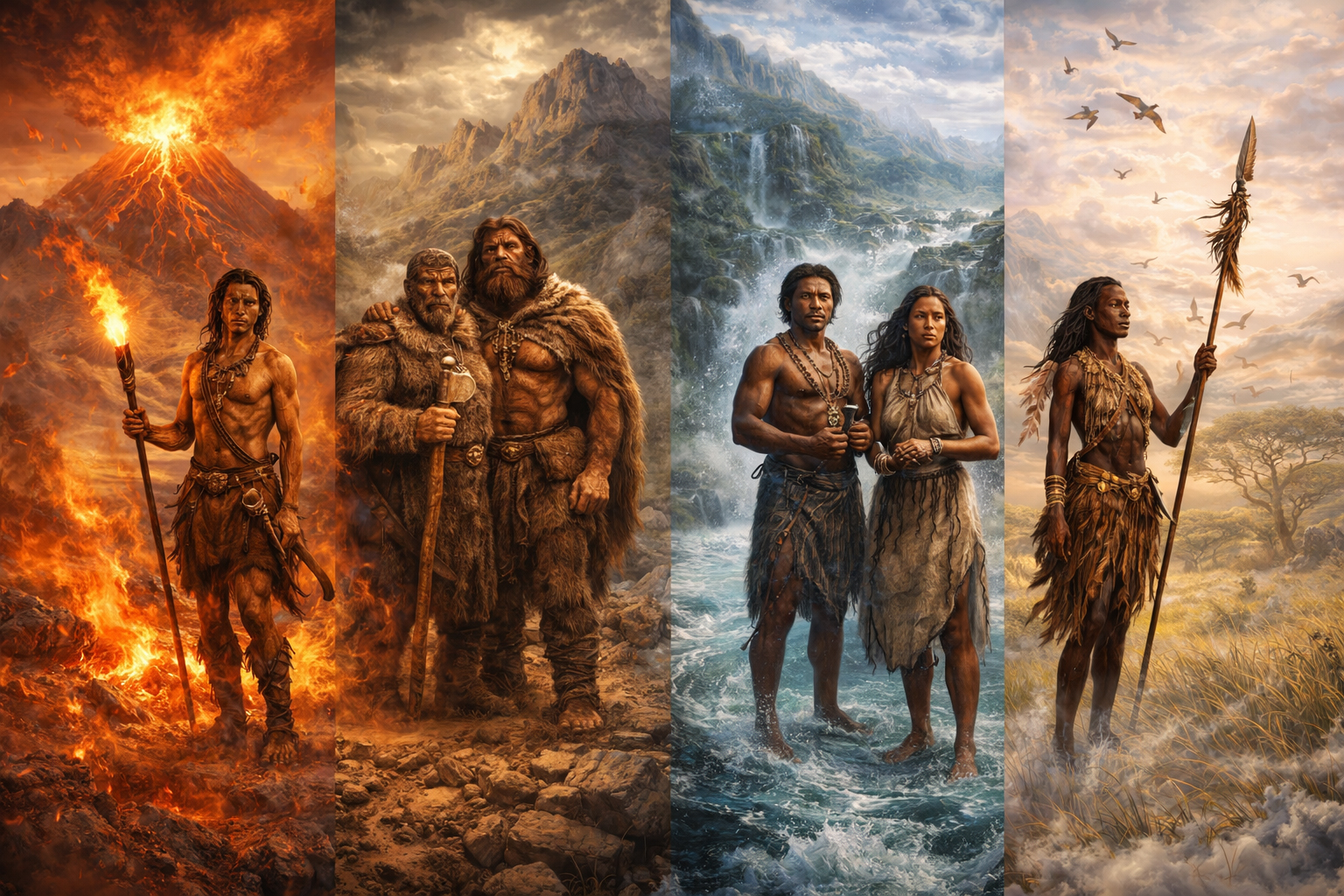
The late branches, shaped under the selective pressure of Demons and Archons, carry conspicuous physical traits: the monumental might of the Hyperboreans, the dreamlike sensitivity of the Lemurians, the predatory composure of the Atlanteans. The airy people, by contrast, reveals itself only at the micro-level — within the very biochemistry of life.
Its legacy is a particular inner adaptability. Genes inherited from these ancestors govern immune response, subtle hormonal regulation, and resistance to a number of pathogens. In other words, the “gift of Gorias” to modern humanity manifests, first and foremost, as the capacity for rapid metabolic retuning.
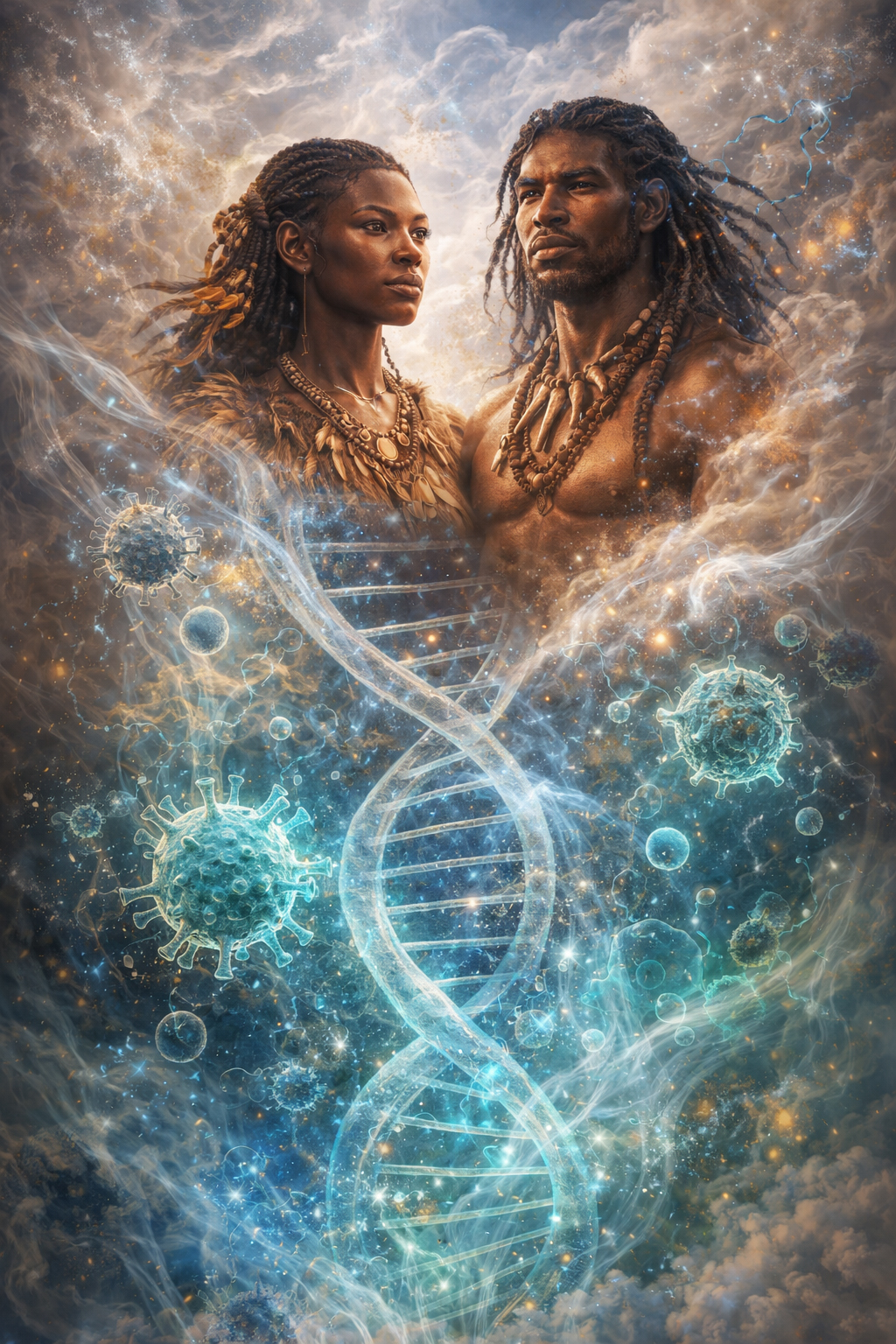
In this sense, when faced with an unfavorable factor, Hyperborean strength (Earth) endures the blow, Atlantean strength (Fire) delivers the blow, Lemurian strength (Water) slips away from the blow, while the airy strength of Gorias lets the threat pass through itself, preserving wholeness through attunement with the environment.
That is why the contribution of the “airy people” to modern humanity is felt as a gift of deep vitality. It is the ability to survive among poisons, tropical fevers, and changeable flora while preserving a substantial reserve of plasticity.
As the fruit of the power of Air, the Children of Gorias did not gravitate toward heavy centers. They did not build megalithic structures or stone cities, nor did they create writing. Their nature demanded uninterrupted movement, wanderings, and pure mobility. They were a “dawn” humanity, preserving that transparency and lightness of mind that precedes the densification of the world.
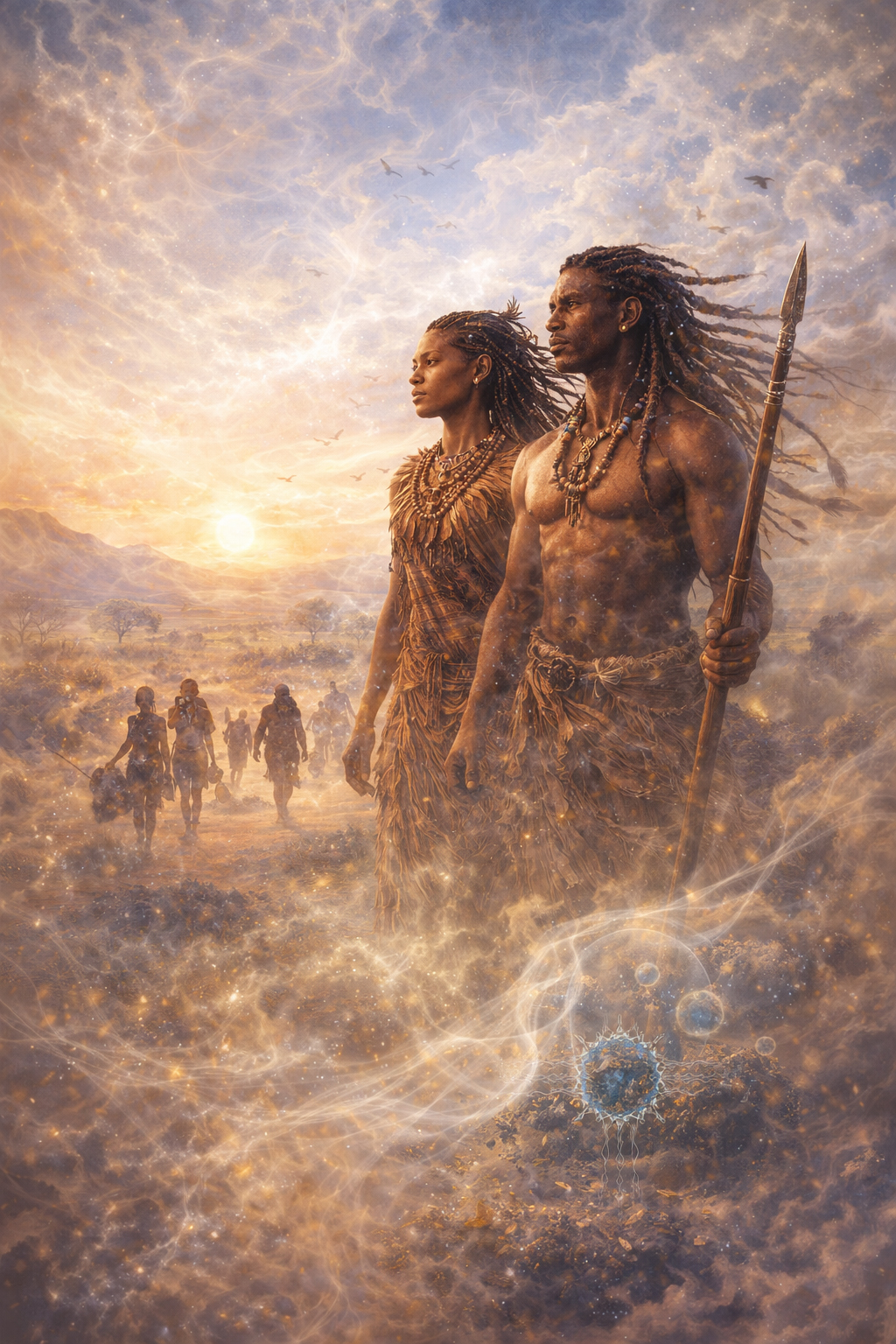
It is unknown how their relations with the Fair Folk were ordered; what is clear is that the lightness of the “Children of Air” was entirely legible to the Magical people. When meeting danger, they did not burn down the forest and did not destroy their neighbors; they adapted their organism and changed their route. This strategy of non-conflictual flowing around obstacles resonated strongly with the Magic of the Fair Folk, built upon subtle interaction with probabilities.
These tribes separated from the common evolutionary tree of Homo about 1 million years ago, long before the emergence of the late races of dominion. The Children of Air then existed for millennia as a diffuse network, only rarely coming into contact with early sapiens.
Their world was a constant alternation of seasonal crossings and ultra-long-distance marital intermixtures. These tribes carried skills, legends, songs, and genes across colossal distances. Through their wanderings, the Children of Air linked the humid tropical West, the savannas of the South, and the eastern fringes of Africa. Their material culture vanished without a trace with each change of habitat, as befits the principle of Air. The damp, hot soil of Africa preserved neither bones nor artifacts, and so their nomadic network formed and dissolved at once, passing on to descendants only the tools of survival.
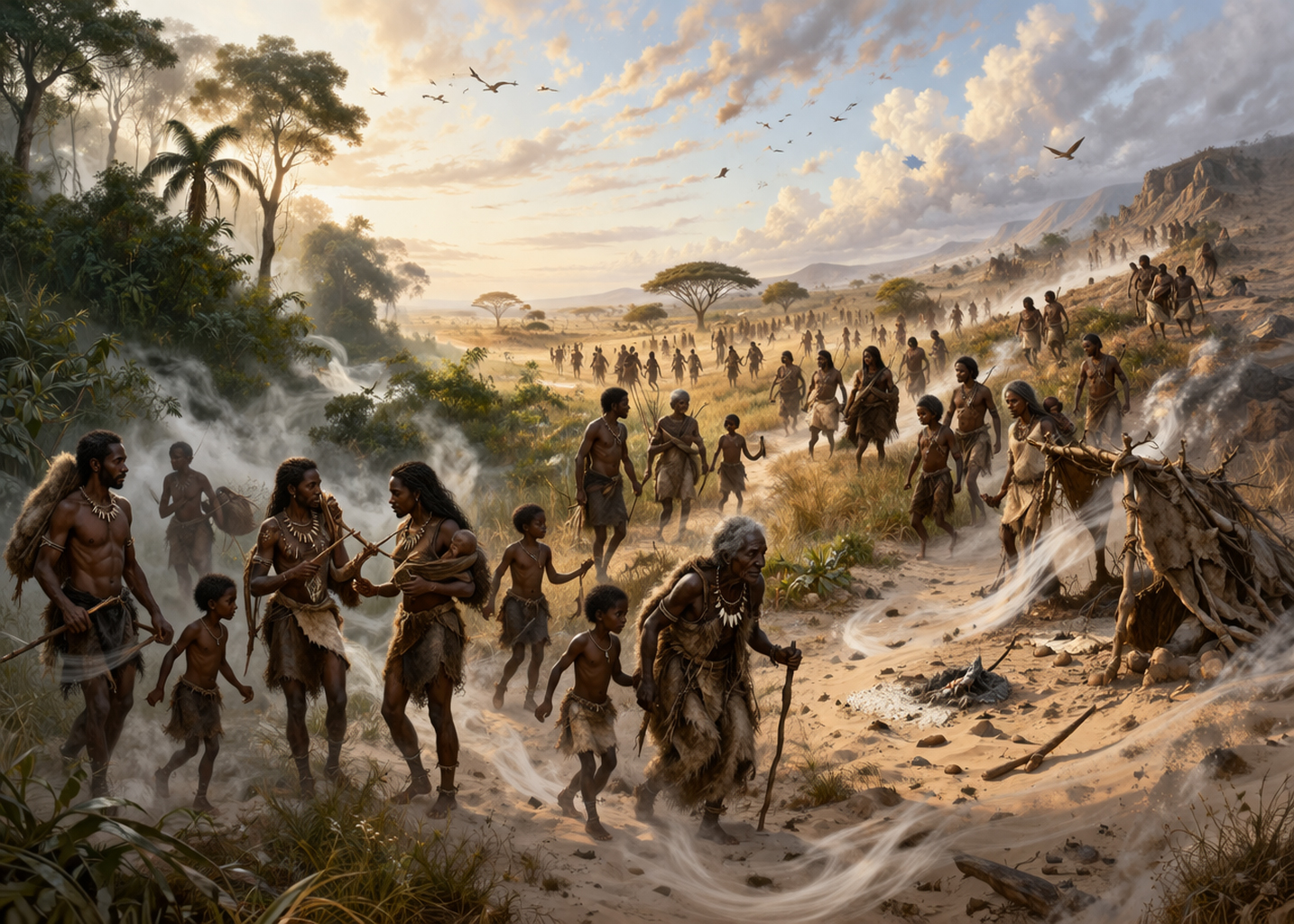
The creative Powers of the universe protected them as much as possible. The Alves sustained in them the lightness of crossings, the ability to relearn quickly, and the power to hold in mind a “map” of an entire continent. The Vanir nourished them with living warmth, strengthened the sense of community, and nudged them toward fruitful intermixture with other peoples. The Aesir bestowed upon their airy nature the sobriety of the Way and the discipline of unceasing movement.
The interbreeding of sapiens with this population lasted thousands of years. The last contacts occurred about 40,000–50,000 years ago, and possibly later.
For predatory enslaving forces, this “scattered” people became an insoluble problem. The Archons, who sought to fix the human form for the stable production of tonicized pneuma, pinned their hopes on the heaviness of the Neanderthals or the aggression of the Atlanteans. The Children of Air slipped beyond total control, and even the Fomorians could not master their fluid, decentralized network. At the same time, the Demons of the principle of intelligence tried to turn their openness into chaos, frivolity, and dissipation. This problem haunted the airy line, undermined their anchoring in the dense plane, and in the end led to their extinction.
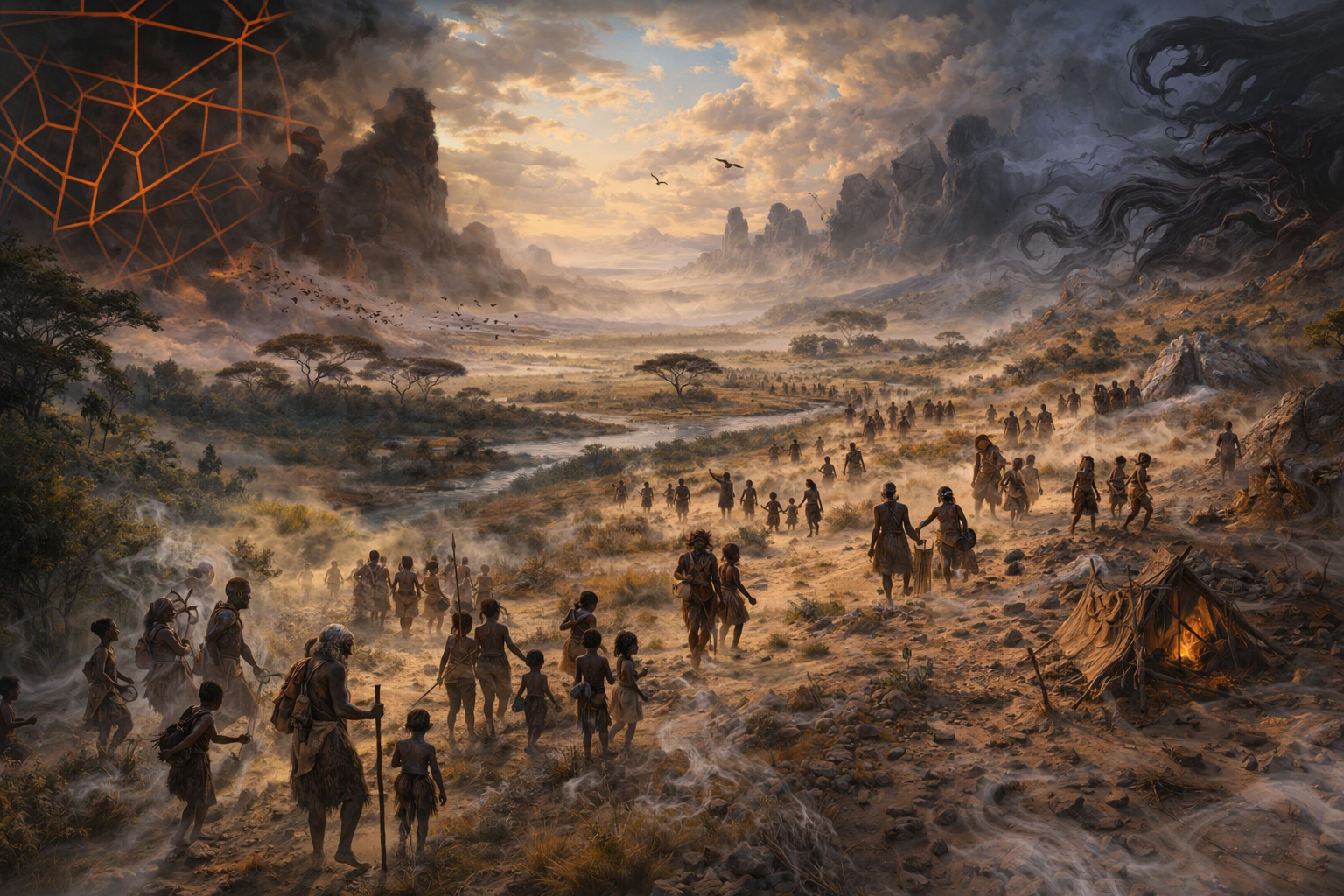
Paradoxically, the Peoples of Air disappeared not because the press of the selectors upon them was too great, but because they offered the selectors no ground for exploitation and thus proved evolutionarily unpromising. Their energetic “productivity” was too low for consumers; therefore they were cast out of the evolutionary process.
Nevertheless, the selectors (Grigori (Watchers)) pushed the “airy” peoples toward active intermixture with “fiery” sapiens. We have already noted that sapiens (Cro-Magnon) originally carried within itself the Fire of Finias — elemental passion and the energy of the South. The Watchers needed a species with a “reactive” mind — swift as wind and scorching as flame. This combination allowed late sapiens to transform the world as efficiently as possible (through the Spear-intelligence) and as aggressively as possible (through Fire-will), producing colossal volumes of energy for Archonic structures.
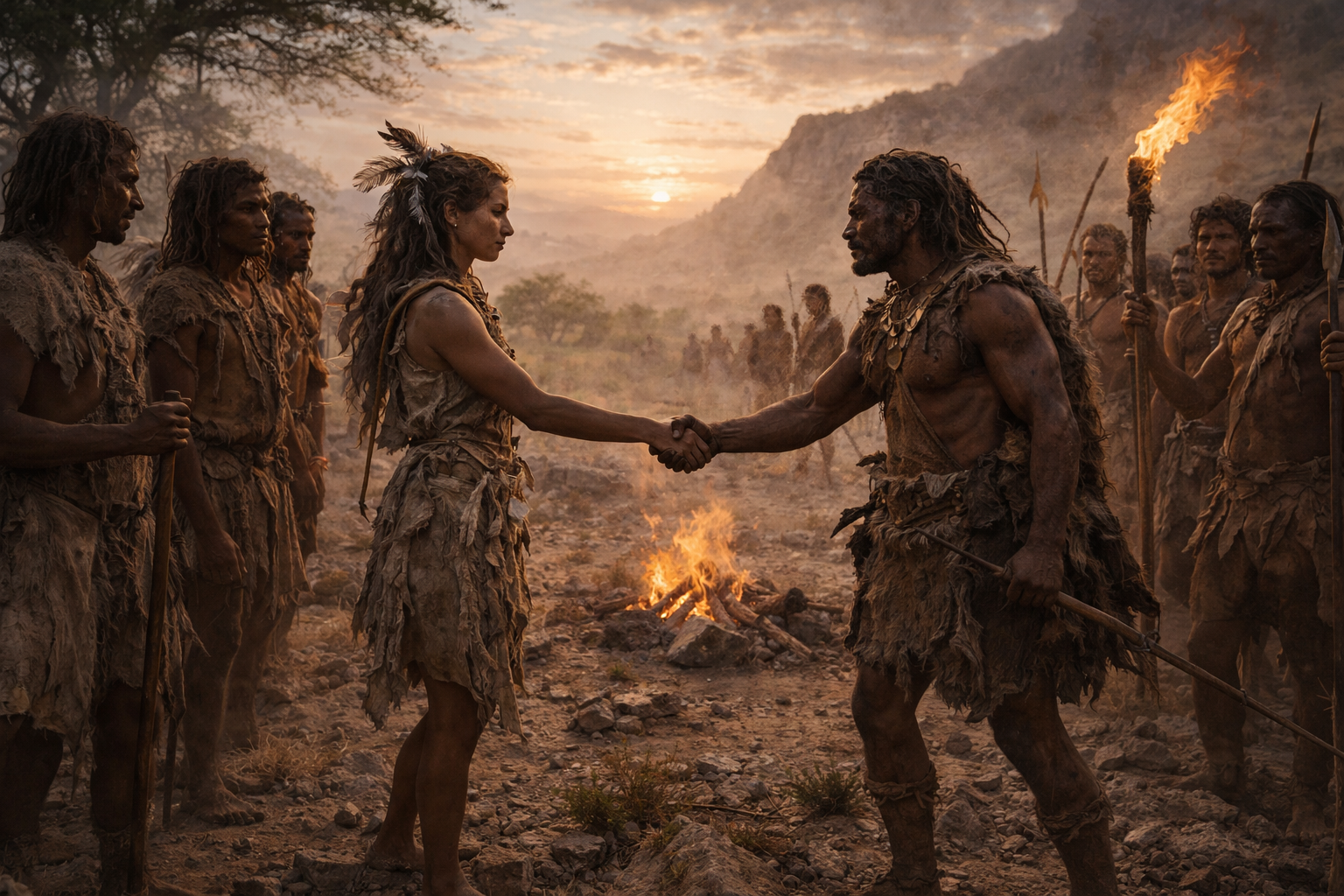
When the “Fire” of the first sapiens met the “Air” of Gorias, the effect was like a forge bellows: Air fanned the flame, turning it into an uncontrollable storm. The hyperaggression of sapiens is, in many respects, the result of fiery vitality amplified by airy intelligence, yet deprived of Vanir “watery” softness. The Spear of Gorias in the hands of a fiery human became an instrument of cunning and precise strike, making sapiens the most dangerous selective hybrid in history. They learned not merely to attack, but to plan, to negotiate, and to transmit information through time. The “Children of Air” armed the “children of Fire,” turning them from an African branch into a global force. That which was the strongest side of the People of Air was seized by destructive forces and refashioned into an instrument for distorting the energy of other peoples. The Peoples of Gorias left humanity not only their genes of resistance to disease; they also left an energy that was adaptive for them, yet became an instrument of destruction for sapiens.
During Ragnarök, the eruption of Laacher See, and the onset of the Late Dryas, bearers of this most ancient “airy” genetics still physically existed in the depths of Africa. About 13,000 years ago their physical form vanished, leaving only the informational “Code of Gorias” in the blood of later humans.
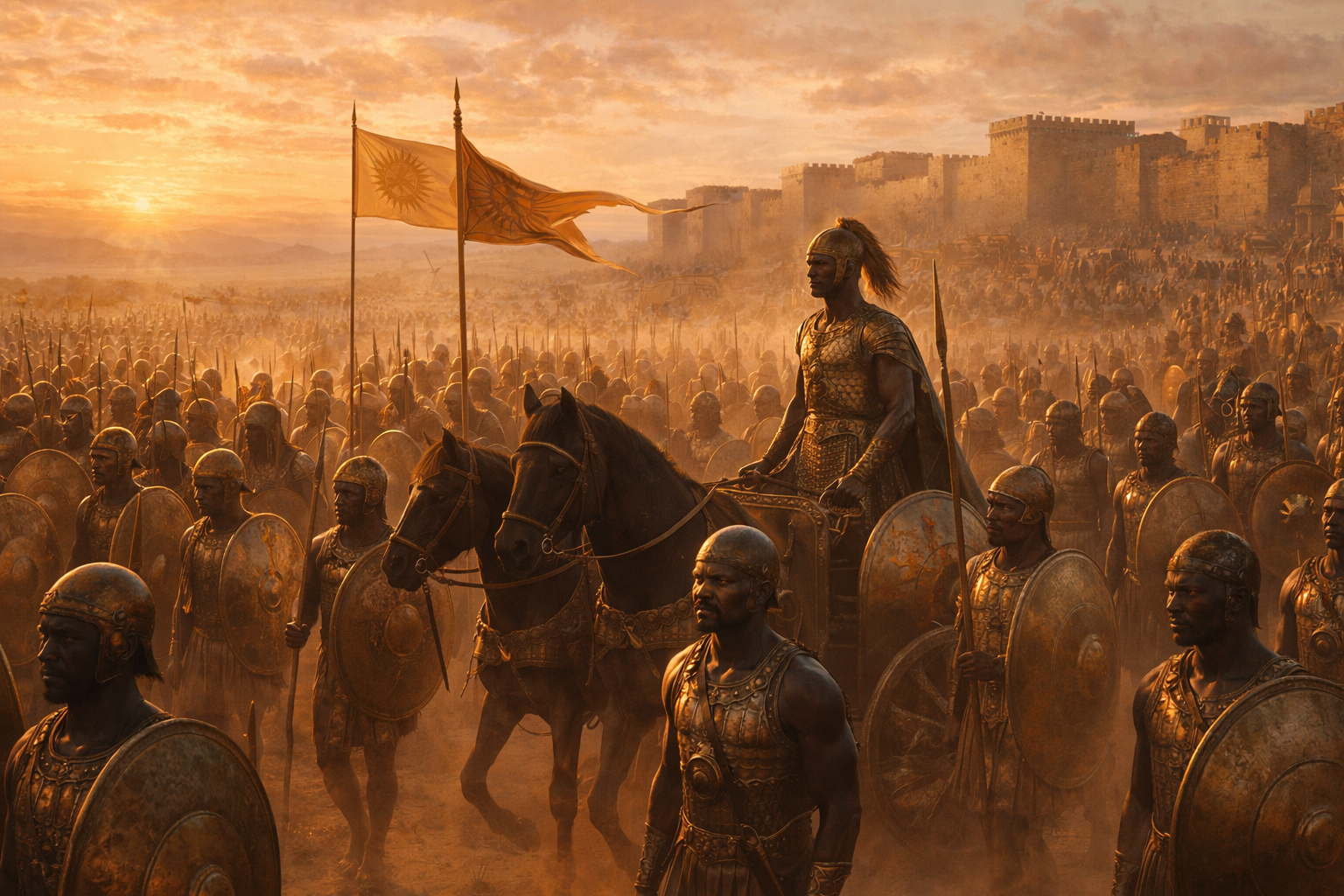
Some airy tribes clearly endured into historical times, and mythological memory preserved their image. Ancient authors knew them as the Ethiopians (Ancient Greek Αἰθίοπες— “people with blazing/burnt faces”) — a people of the farthest South, the most ancient among humans, living at the very edge of the inhabited world.
In Homer the Ethiopians are called “blameless” (amymones), and he writes that the Gods of Olympus regularly leave Greece to feast among them. Diodorus Siculus calls them the first people, born of the early Earth. They claimed to be the first to learn to honor the gods, and for this the gods granted them eternal favor. They were also divided into an eastern and a western wing. Herodotus describes them as macrobii (long-lived), for whom nature itself lays out an abundant “Table of the Sun.” When the Persian king Cambyses attempted to conquer the Ethiopian macrobii, they laughed at his gifts. According to Herodotus, among the Ethiopians copper and bronze were highly valued, but iron was rare and useless. He also notes that the Ethiopians shackled prisoners in golden chains, since gold was their cheapest metal.
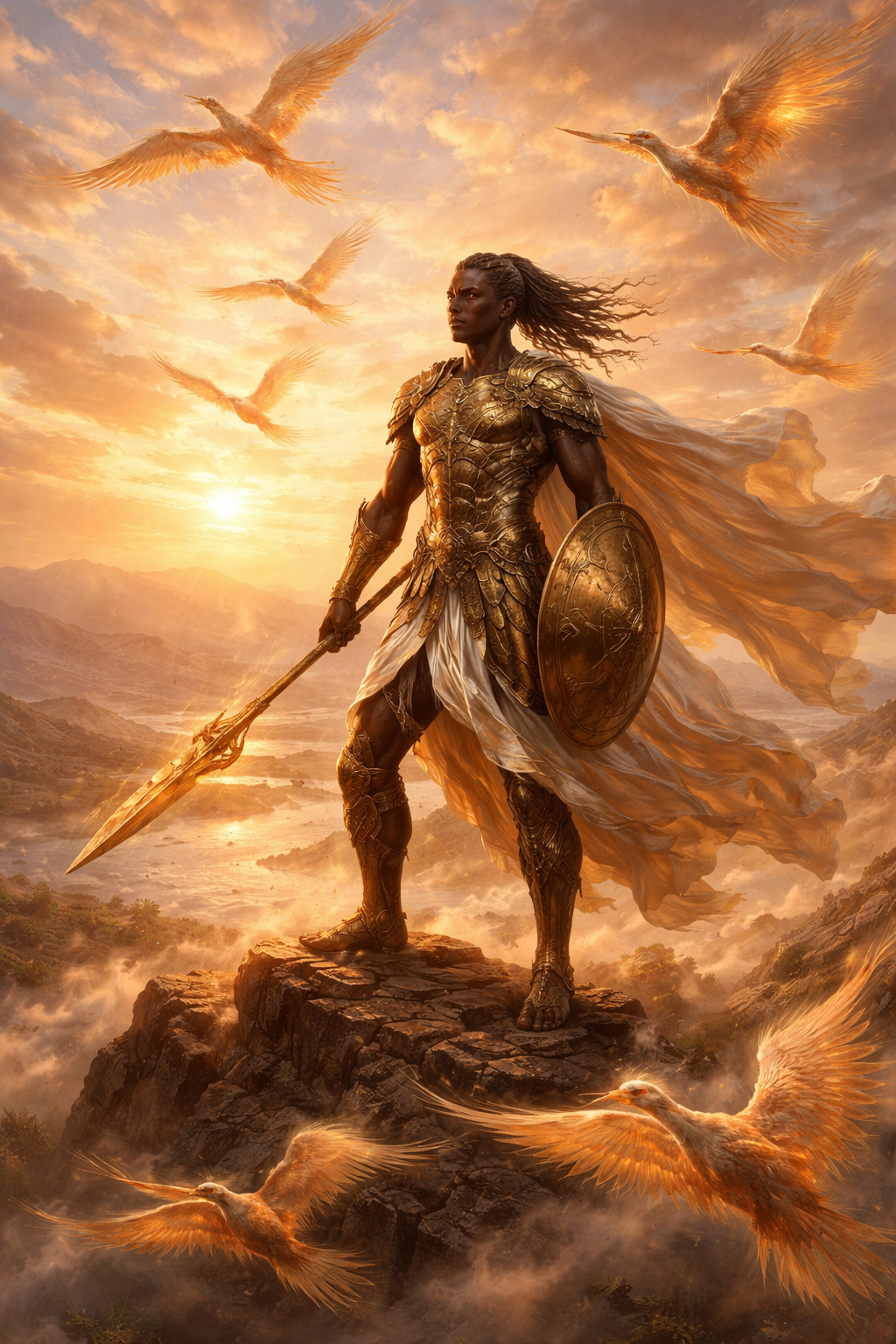
The Memnon mentioned by Homer — Son of Dawn — is the king of the Ethiopians, whose image is inseparable from the East, the radiance of daybreak, and the energy of wind. His weapon was forged by Hephaestus himself, yet his strength lay in dazzling nobility. After Memnon’s death at the hand of Achilles, Zeus, at Eos’s request, granted him immortality, and from his ashes (fire and air) birds arose — the Memnonides.
Thus, while the Hyperboreans gave “hybrid” humanity steadfastness, the Lemurians — dreamlike empathy, and the Atlanteans — will and aggression, the Children of Air brought into the genome of modern humans the capacity for swift adaptation on both the biological and psychological levels. From them people inherited the art of drawing benefit from changeability. It was precisely their volatile, phantom trace in the blood that allowed Homo sapiens to become a truly worldwide being — and also a worldwide scourge.
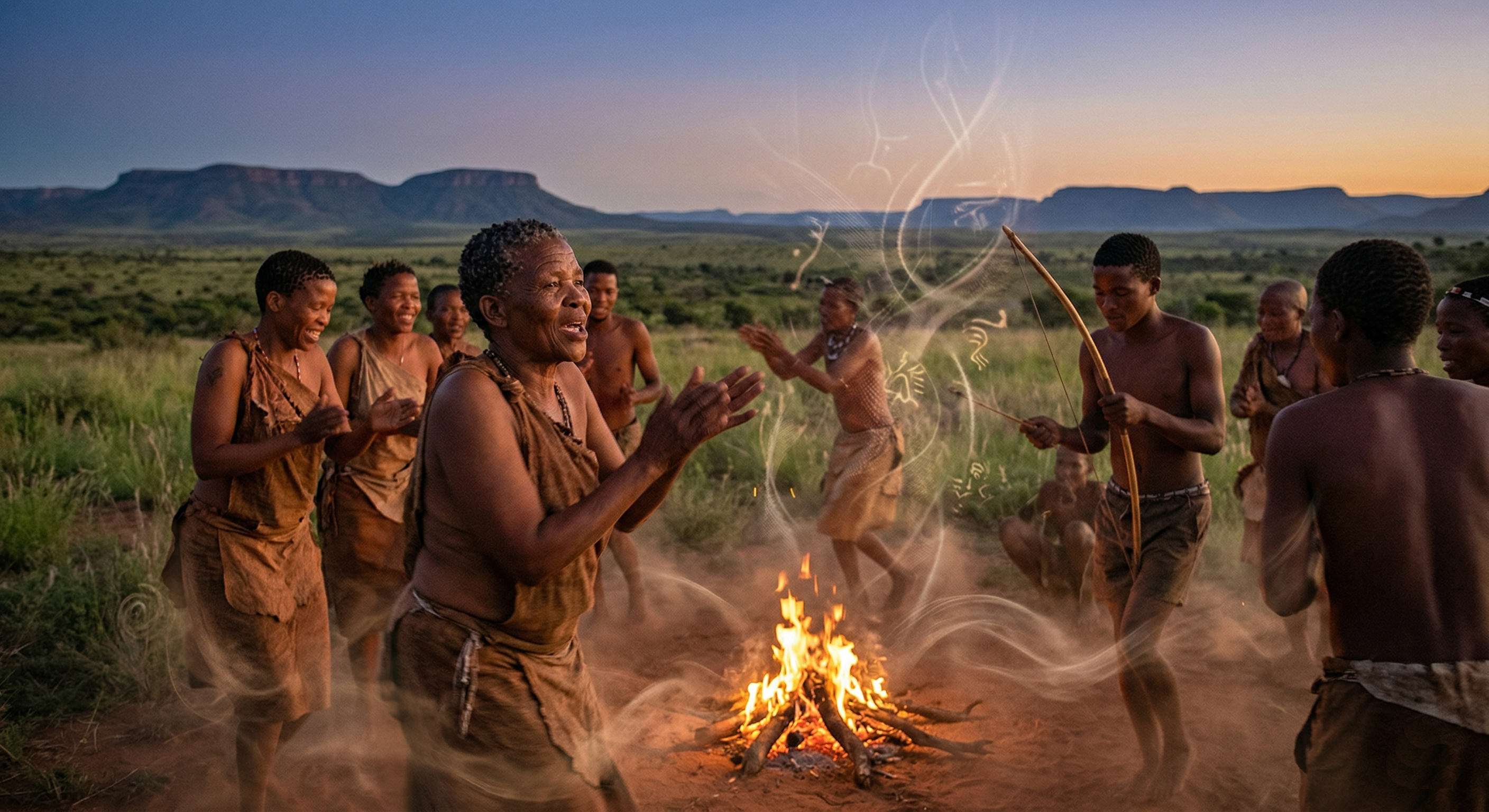
The peoples who remained south of the Sahara became the direct heirs of this process of synthesis in its most concentrated form. In them, the admixture of the “ghost species” (Air) remains most significant, and these southern populations preserved this blood as part of their biological identity, which grants them a special connection to rhythm and intuitive knowledge. The “clicking” sounds of Khoisan languages are a relict “airy magic,” a linguistic trace of that Spear of Lugh which once turned the animal cry into an articulate structure.
The Atlantean Cro-Magnons carried this gift northward, turning it into an instrument of war and technogenesis. Keen thought was shackled in iron, and the plastic art of survival degenerated into a technogenic machine for subjugating the world — driving humanity into the catastrophe of the Late Dryas.
Yet the complete algorithmization of the human mind and its subjugation to rigid order always collides with a structural obstacle: this ancient inheritance. Having lost their own form and leaving behind no material culture, the Children of Air dissolved their energy into the general human population. In periods of global crisis and shifting cycles, this hidden layer supplies the species with reserve plasticity. It preserves in the human being a mechanism of variability and the power to step beyond determined schemes; thanks to it, evolutionary stability rests not only on the building of protective structures, but on the system’s capacity to preserve inner permeability.

Thank you very much. I understand both intellectually and intuitively what you’re talking about.