The Fair Folk and Ragnarök
In Earth’s history, the смена of world periods usually takes the form of an abrupt rupture, after which the former laws of time survive only as memory. One of the most important such events — one that changed the very character of governance in the reality of the Middle World — was the transition from the imperative ordering activity of the Aesir to a smoother, immanent structure based predominantly on Vanir energies.
This transition marked our world’s entry into a new world period and served as the precondition for the formation of human civilization as we know it. Before this, people were more deeply immersed in inner experience and still shaping a creative psyche, while the hierarchies of the Aesir structured physical reality. After the rupture, the “transforming power” was decisively centered in humanity, which became the chief force of the “cultivation of Midgard’s garden.”
The world under the rule of the Aesir was a space of “Great Designing,” where Asgard served as the center for processing reality and the forms of things were primary in relation to their content. The Aesir maintained the boundaries of Midgard, not allowing the chaos of the Interspace to penetrate the structure of the manifested world. Yet this imperative model had a limit of scalability: as the informational complexity of the biosphere grew and experience accumulated in a maturing humanity, directive удержание began to demand colossal energetic expenditures. The system overheated. Divine Order began to turn into entropic Stasis, where structural rigidity became an obstacle to the further evolution of mind.
We have already spoken that one precondition for such a rupture was the invasion of the Fomorians and the onset of the Ice Age, which changed the very foundations of human thinking. Mind became more concentrated, more ordered, because its preceding “relaxed,” dreamlike state — characteristic of the Denisovan civilization (“Lemuria”) — could no longer ensure survival under the harsh conditions of Ice.
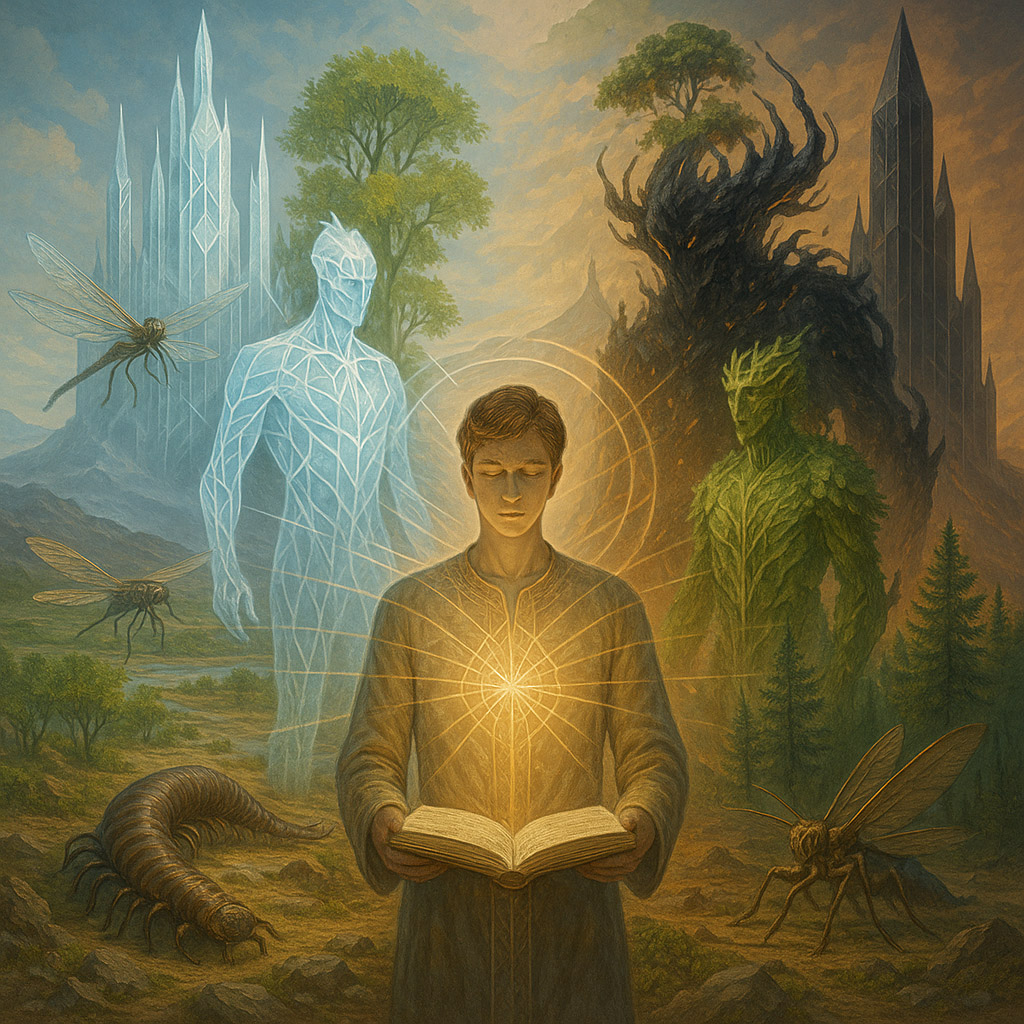
By the threshold of 13,000 years ago, the human mind had approached maturity. It awakened the capacity for abstract thought, active goal-setting, and, most importantly, the instrumental transformation of the world. This maturity required a change of “operating system,” because once a species acquires the ability to form reality on its own, “external nannies” must leave.
Ragnarök became a process of forced deconstruction of the rigid external skeleton of the cosmos. Human awareness — capable of maintaining the structure of reality through creative resonance with the Vanir life flows — was to replace divine диктат. Yet it was precisely in the process of this передача of the “keys to the world” that the zone of maximum instability arose.
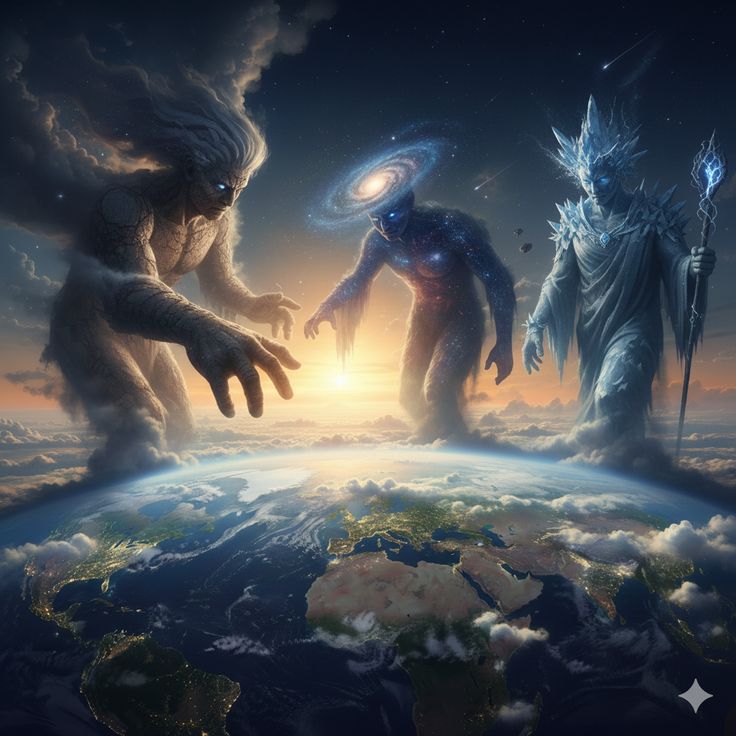
As the Fomorians continued to use cold as an instrument of “fixation” and entropy, this plasticity became смертельно dangerous. To survive under conditions of Ice, human thinking had to acquire a new quality: concentration. The Fomorians, without intending it, acted as “smiths” who, through scarcity of resources and environmental harshness, forged in human beings the capacity for linear logic, planning, and a rigid distinction between “I” and “not-I.”
At the same time, another group of governing forces — the Archons, the Fomorians, and the Grigori (Watchers) who supported them — understood perfectly that the смена of generations of gods and the transfer of the mandate to humanity created a window of colossal vulnerability. The Aesir had already begun to retreat from direct governance, and humanity had not yet learned to hold balance through awareness. A vacuum of power formed.
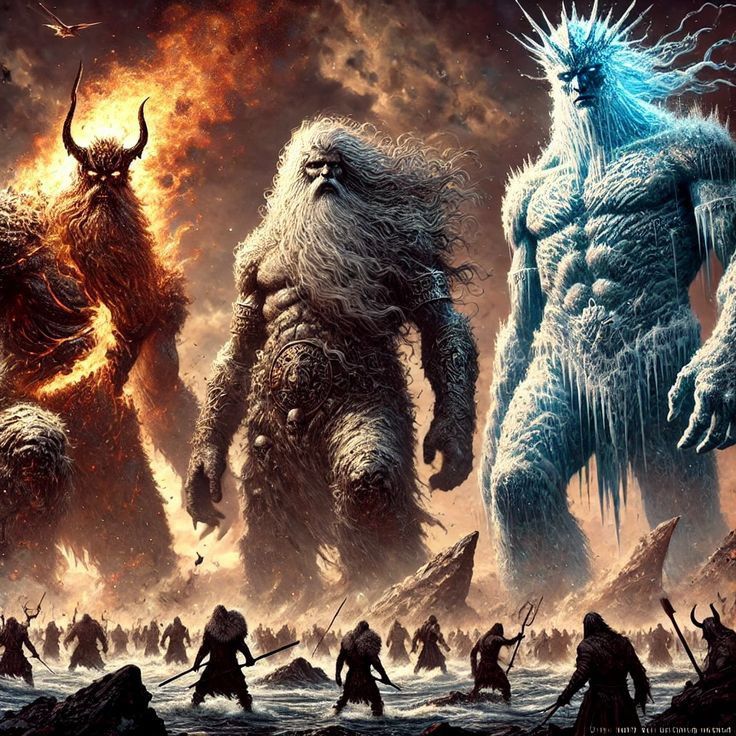
Predatory forces struck precisely into this gap, provoking the climate reversal of the Younger Dryas. Their goal was to травмировать the young human mind as deeply as possible with cold, hunger, and the fear of disappearance. Such a traumatized mind could not sustain a gentle Vanir synthesis or co-creation with the Fair Folk, because it sought absolute guarantees of safety above all else. The predators, of course, provided those guarantees in the form of Archontic logic: total control, mechanics, and iron — turning the potential golden age of the Holocene into an эпоха of the iron march of technogenesis.
After the large-scale confrontation at Liff, which marked the first open triumph of chthonic forces and the end of the last glacial maximum, Earth’s history sank into a period of deceptive calm. This time was characterized by a massive invasion of the Fomorians and a sharp drop in biological productivity, which forced humanity into жесткие strategies of survival.
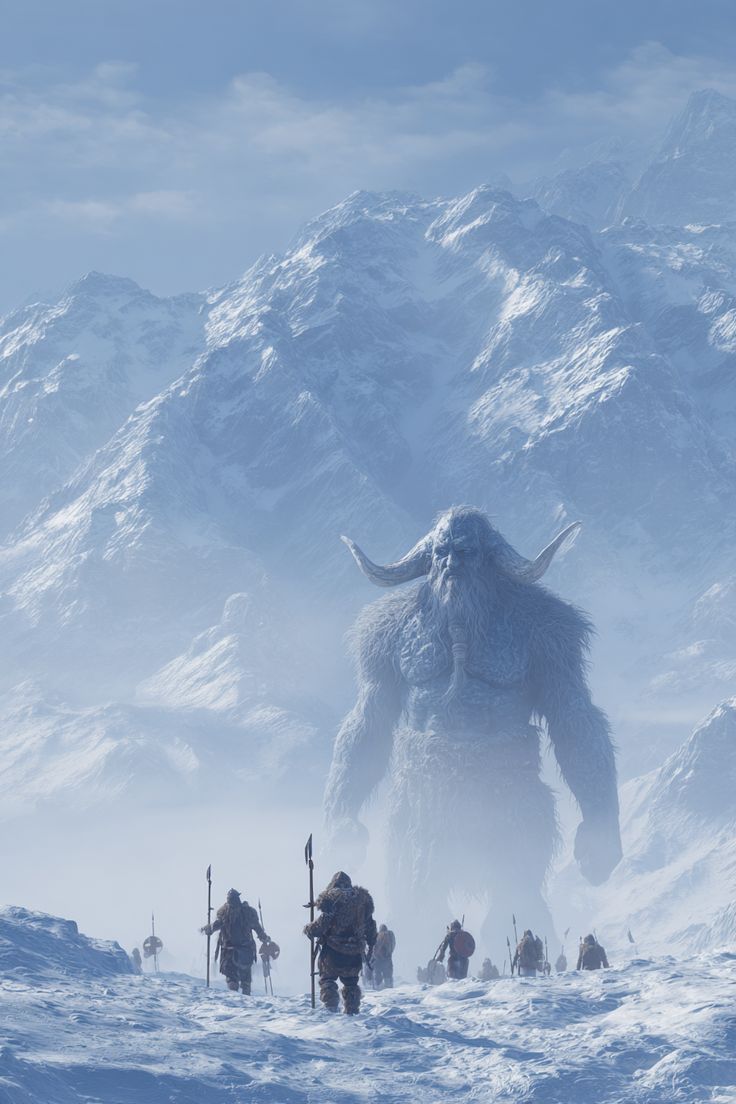
The period at the end of the Ice Age, which began with the Bølling–Allerød warming (about 14.7 thousand years ago), looked like the world’s return to life. For humanity it meant territorial expansion, a broader resource base, and more camps; for the Enchanted Peoples it meant a critical thinning of the boundary between stability and the necessity of total systemic restructuring.
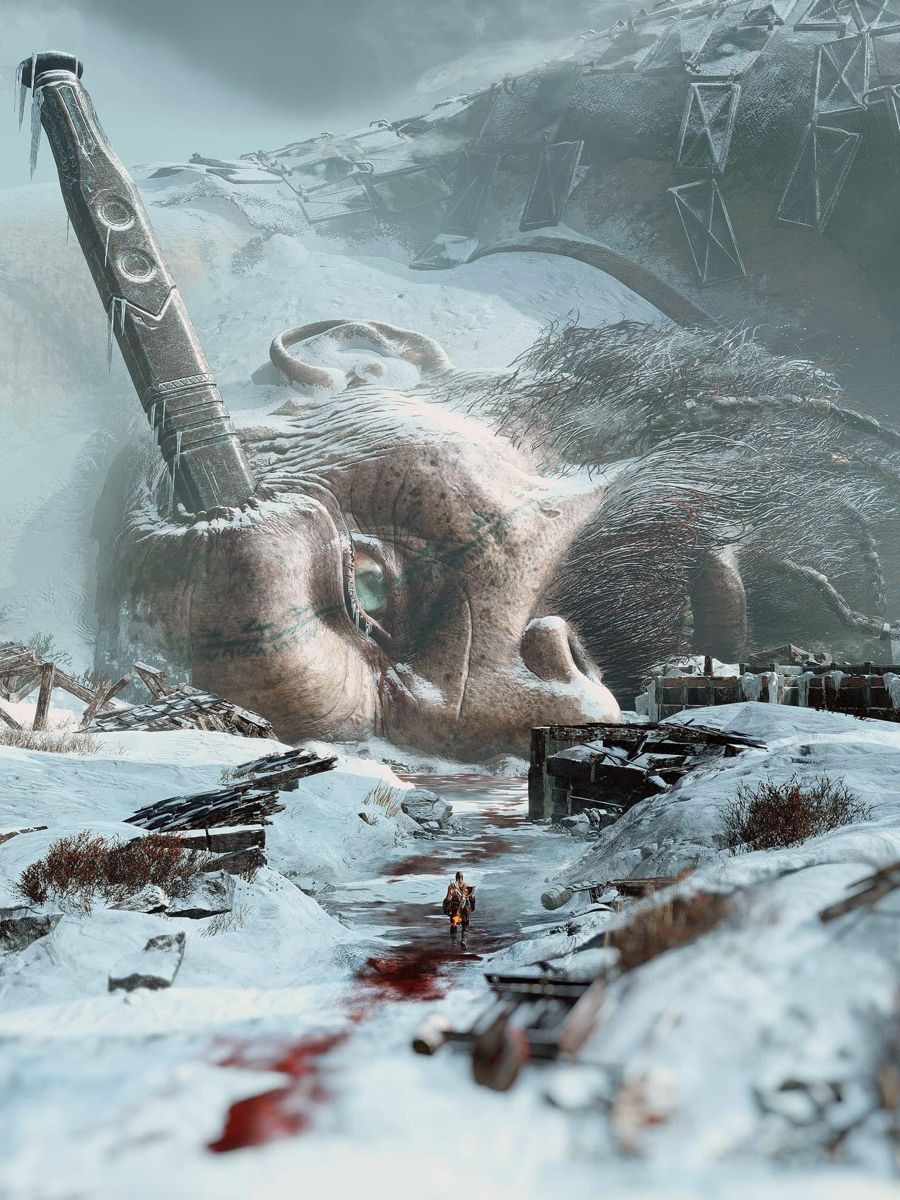
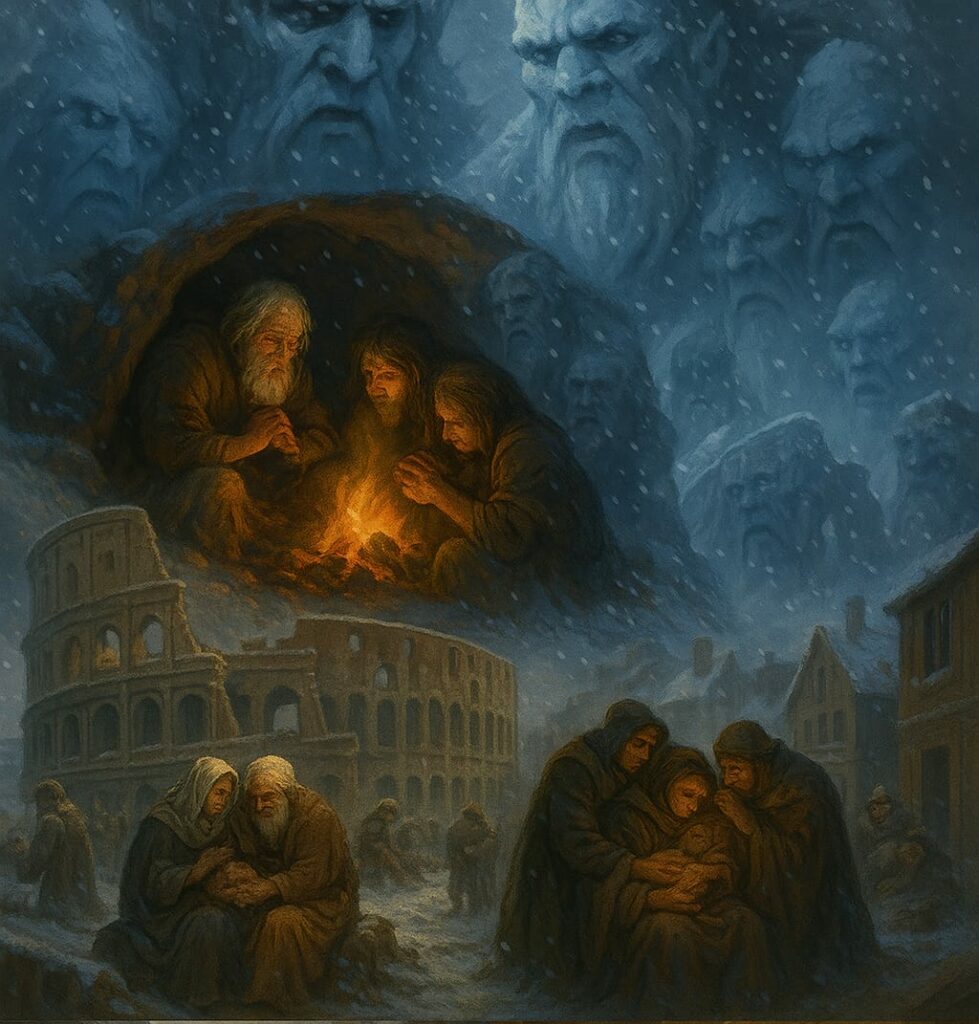
After this short-lived flourishing, when the world for several millennia returned to life and allowed species to expand their ranges, deep stasis came again. Tradition describes it as a new invasion of the forces of cold: the Giant Winter (Fimbulwinter). This was a period of fundamental arrest, when reality exhausted the resources for further development and froze in its inability to renew itself. In both Macro- and Psychocosmos, this condition was marked by accumulated entropy and rot, turning the living Flow into immobile ice and making a catastrophic rupture the only way to continue life.
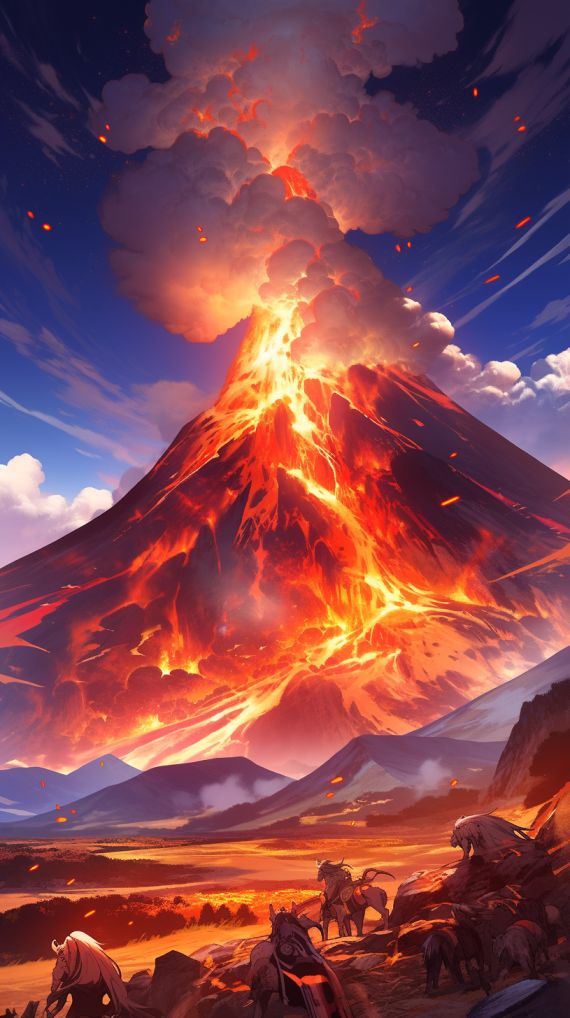
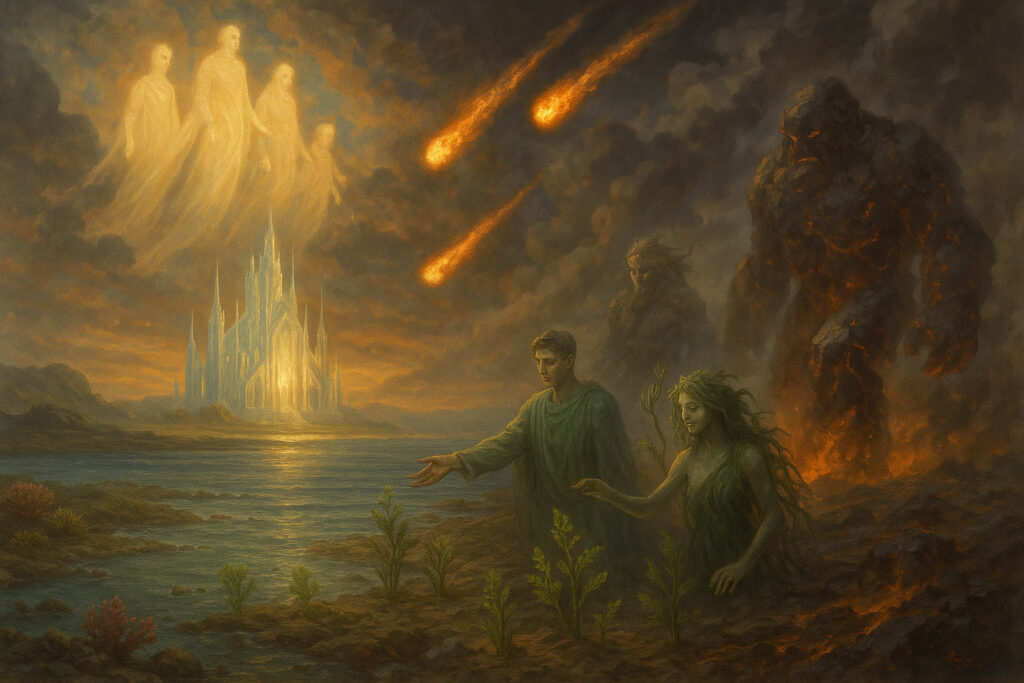
The first sign of the approaching catastrophe was the eruption of the Laacher See volcano in the Eifel about 13.1 thousand years ago. This event entered the Chronicles as the moment when “the Gjallarhorn sounded”: the signal of Change precedes Change itself. “Fire in the earth and darkness in the sky” appeared as heralds of shifting cycles. Fire rising from the depths against a dimming sky signified a change in the order of the influence of forces, in which the accustomed coordination of the elements of the cosmos was no longer maintained in the прежний way.
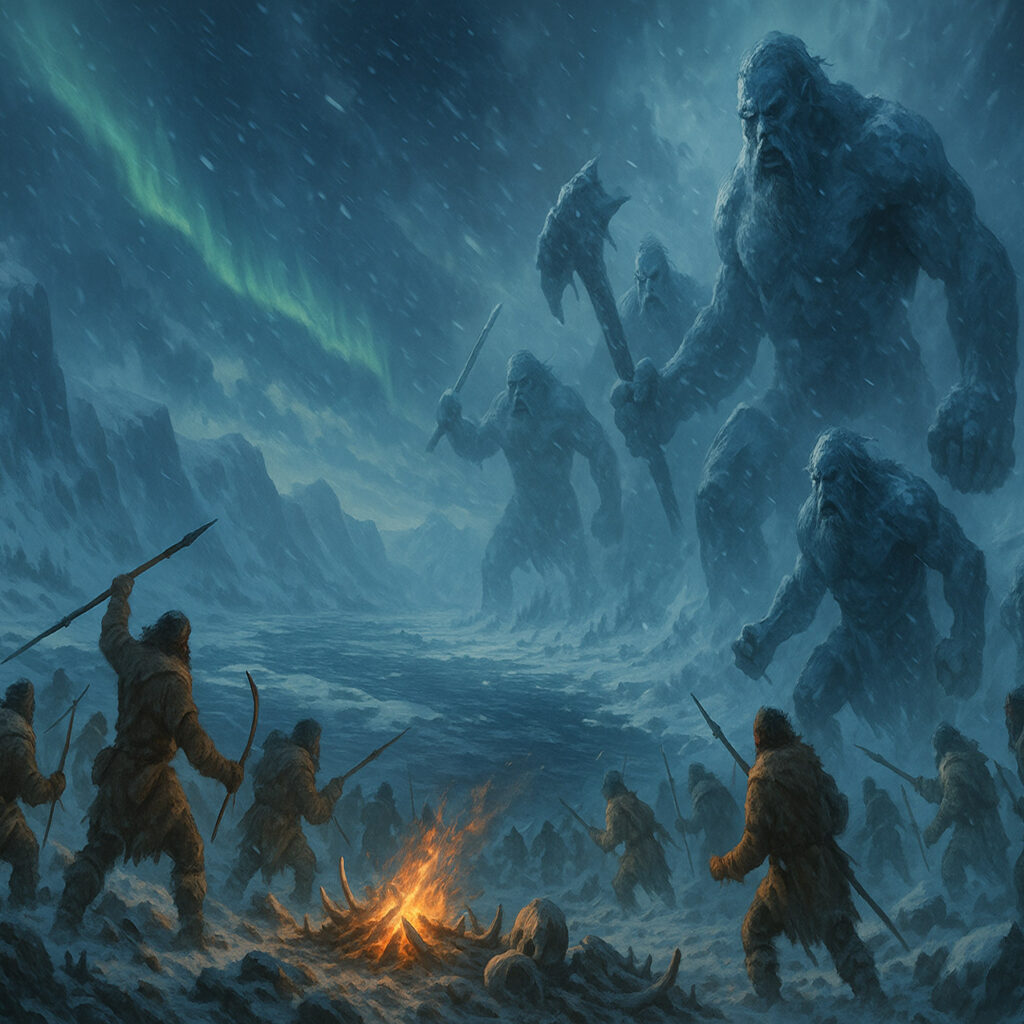
The “Battle of the Gods” that followed corresponds to the threshold of the Younger Dryas: a sharp climatic reversal to glacial conditions that began about 12,800 years ago and lasted 1,300 years. Where there had recently been reforestation, open spaces expanded again; tundra-steppe communities and shrubs took hold. The сокращение of the growing season and the collapse of bioproductivity correspond to the initial triumph of the Fomorians and giants, who sought to fix the world окончательно in the state of an immobile farm. The mammoth fauna that had fed people disappeared, and plant zones shifted violently, ushering in an era of жесткий deficit in which every step demanded colossal энергетические expenditures.
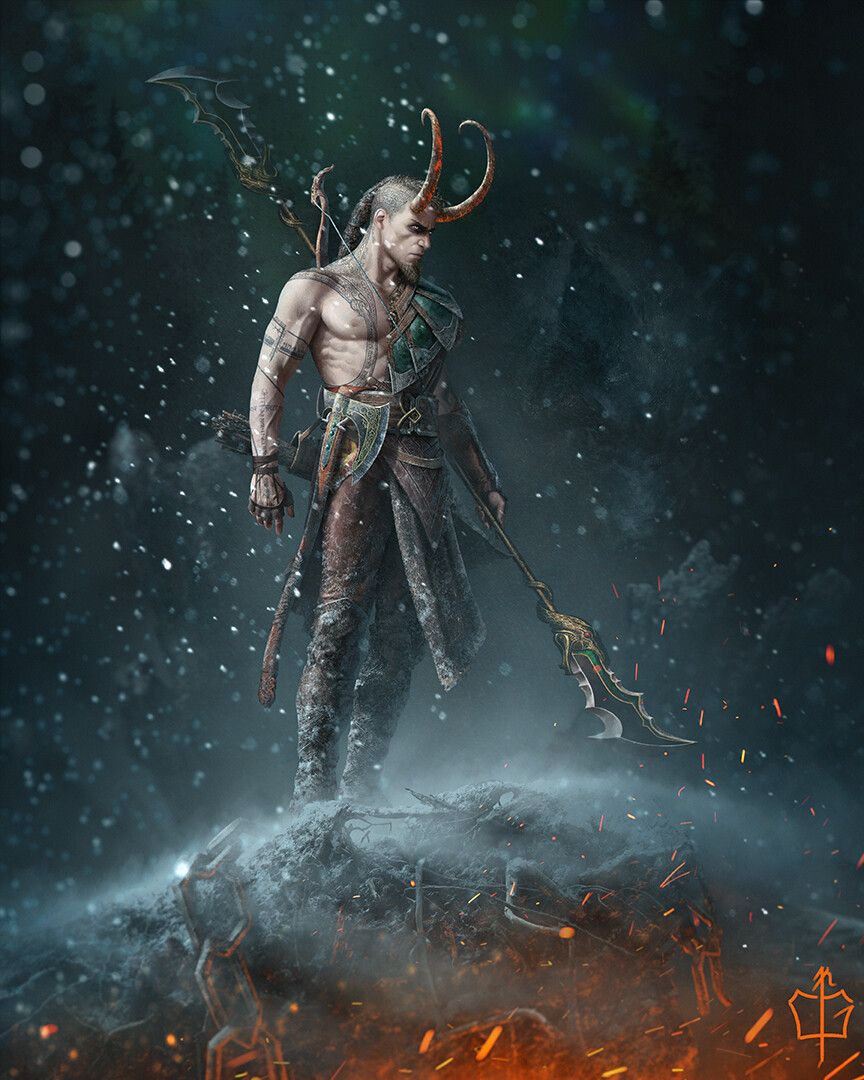
In this period of Giant Winter, the central figure of the crisis was Loki as the principle of interaction, exposing that the old world had fully outlived itself and frozen inside its obsolete forms.
And so Ragnarök became the inevitable “molting” of the cosmos, where destruction served as the instrument for freeing spirit from crystallized matter.
Accordingly, the Battle of the Gods unfolded as a conflict over the remnant of vital force.
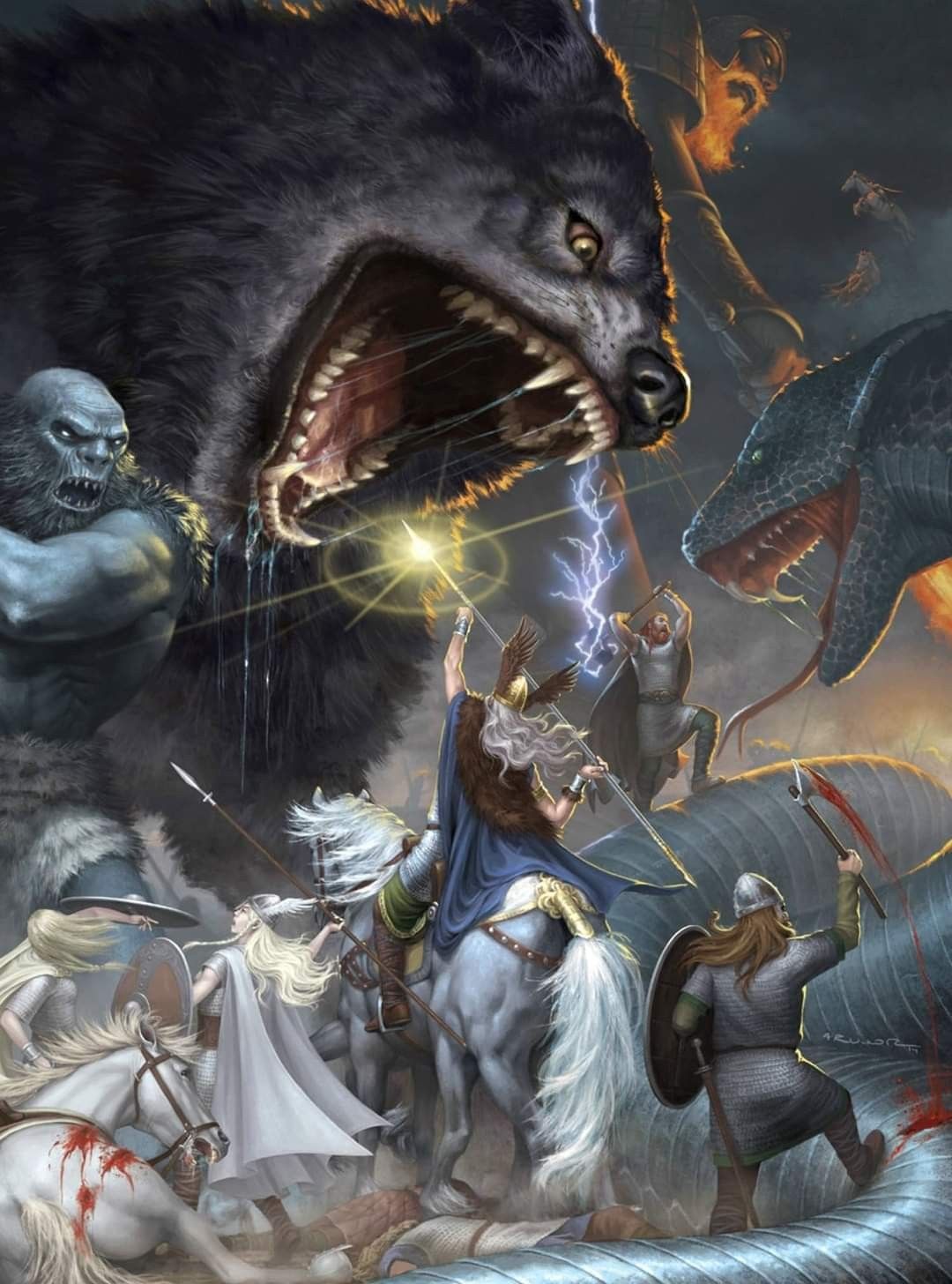
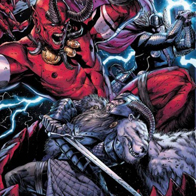
The great Aesir, Odin, formed the host of einherjar to secure the preponderance of the living and the return of energy into the future, while Hel accumulated the passive mass of those who chose existence at the price of decay.
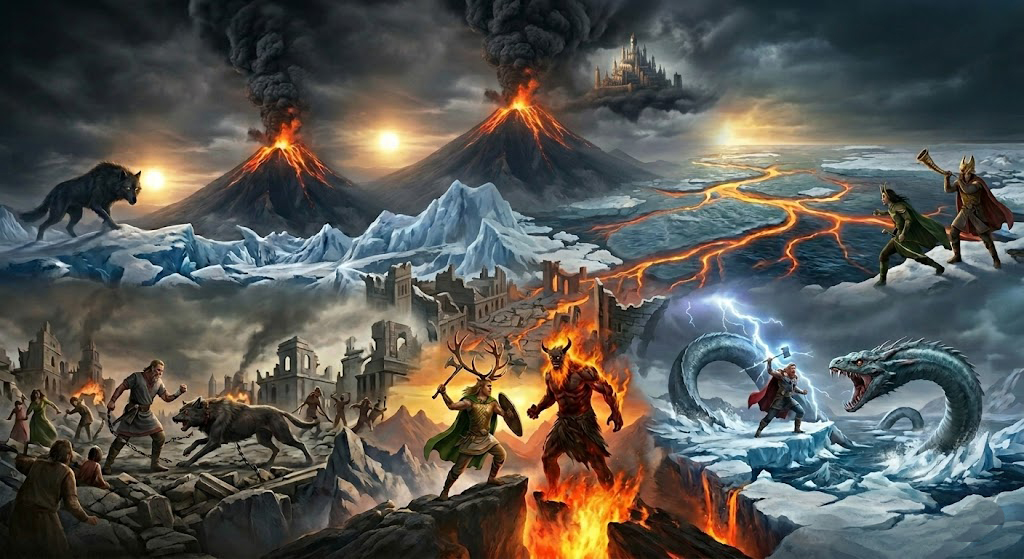
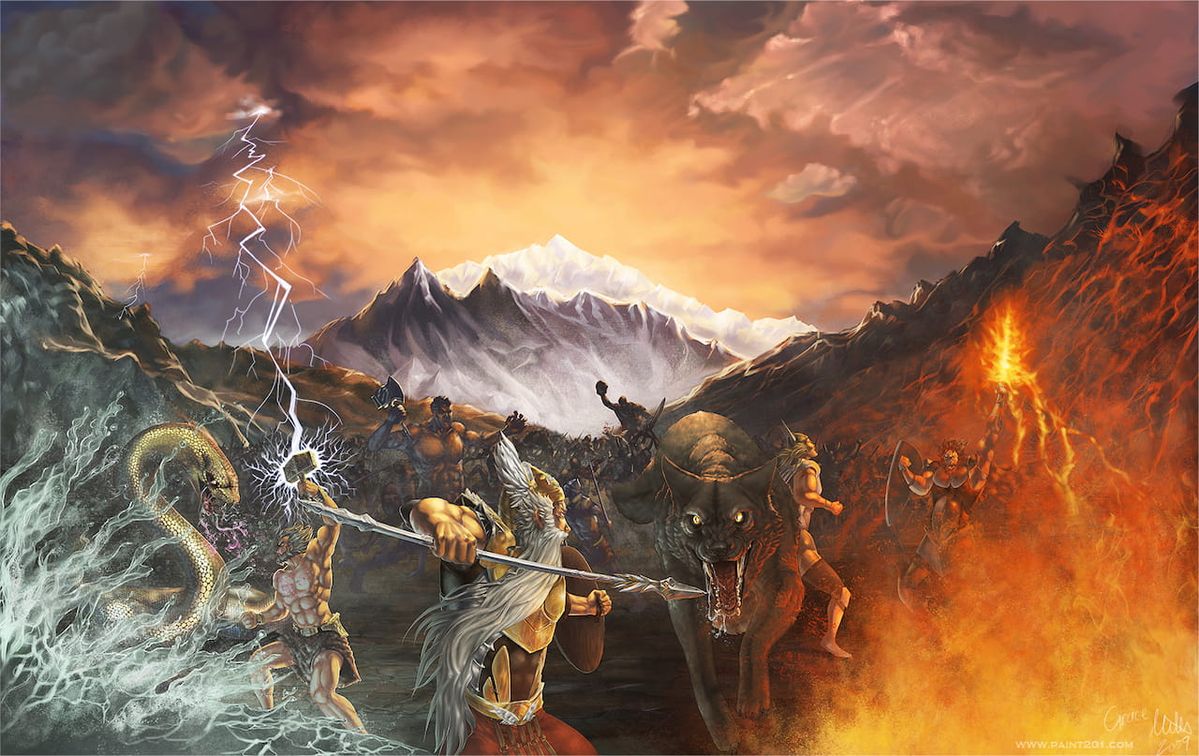
The five Eddic duels of Ragnarök at this macrohistorical scale describe the sequential разрушение of the supports of the cosmos.
The clash of Heimdall and Loki signifies the decay of the coherence of the global system, which in nature corresponds to the weakening of the Atlantic meridional overturning circulation, through which океанический heat transport lost its reliability.
Tyr and Garm embody the death of law from within its own guard: the moment when the прежняя measure of seasonality stopped ensuring survival, and society’s protective structures became destructive.
Odin’s devouring by Fenrir in the macroworld appears as the loss of heavenly order under an ash veil and the multi-century darkness of the winter regime.
Thor and Jörmungandr play out the clash of order with the boundary, which aligns precisely with the collapse-like restructuring of coastal zones and the dynamics of sea ice that made any human устроение temporary.
Finally, Freyr and Surtr personify the invasion of the forces of rupture, when thermal energies stop serving creative harmony and become an instrument of destruction.
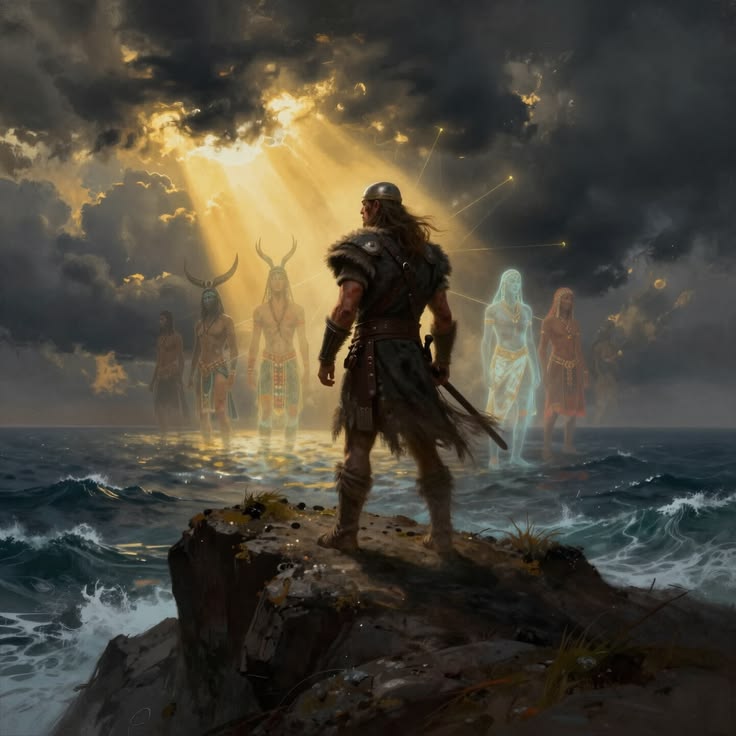
After the primary supports were destroyed, the world sank into a state of “ontological weightlessness.” The retreat of the hierarchy of the Aesir meant that reality lost its “preinstalled density.” Space became plastic, as in the “age of dreams,” instantly answering any inner impulse of the observer. In this brief interval, the Middle World switched to “autonomous питания” from Vanir energies: self-regulating flows of vitality. This was a moment of new freedom. The world awaited from humanity a new Logos, a new song that would set a harmonious rhythm for the next cycle. But instead of a song, from the depths of the human psyche — clamped in the vise of Fimbulwinter — burst only the cry of primordial horror before the suddenly opened abyss. That cry rapidly became the dominant frequency and fixed reality in its coarsest, heaviest, and “safest” forms, which the Archons then exploited.
For the Enchanted Peoples, the Younger Dryas also became a decisive change in the conditions of habitation. Soft, diverse landscapes yielded to the coarse structure of open spaces and dry winds.
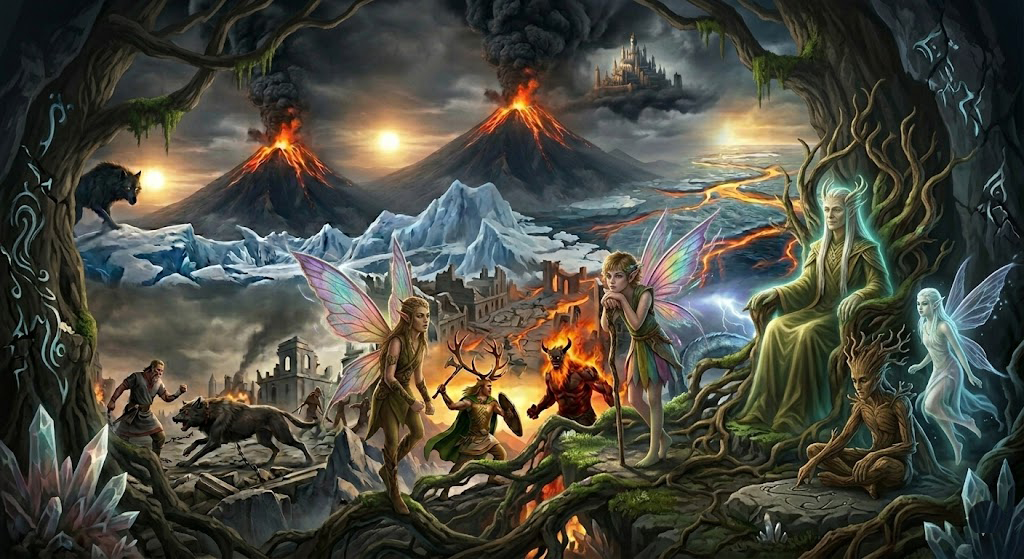
From the viewpoint of the Enchanted People, Ragnarök was not their war, and in Fair Folk legends this period is often described with an оттенок of deliberate indifference. Yet this “indifference” served as a form of protection: to acknowledge the significance of Ragnarök would be to acknowledge the absolute power of the Aesir over the fate of the Fair Folk. Beneath the affected calm lay deep ontological тревога and an awareness that the death of the gods meant the disappearance of a familiar way of operating reality.
While people saw in the dimming of the sky “the end of the world,” the Fair Folk felt the very fabric of the Middle World stop responding to subtle influences and resonances. The shift in the tonality of the world-symphony forced the Sidhe and Alfar once again to curtail their overt presence in the Middle World, moving from the aesthetics of “sacred groves” to the strategy of “hidden presence.” Preserving their own peoples became more important than participation in a collapsing history.
At the same time, Ta-Meru (“Land of the Masters”) remained almost the only “island of stability”: a school and workshop where the Svartálfar tuned the passages between worlds, interacting with people who already knew the way to the islands and cautiously learned new ways of governing reality.
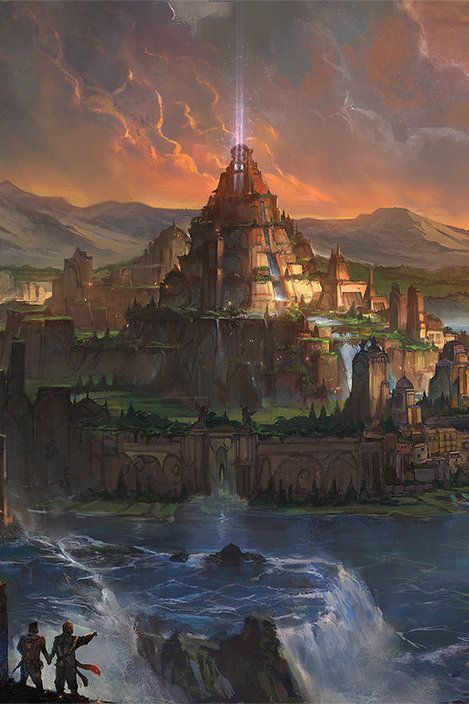
Thus, Ragnarök marked the end of the age of the Aesir: divine forces that held the cosmos through direct волевое effort and rigid law. In the new cycle, the governance of reality was to pass from the forces of rigid law to the forces of synthesis (Baldr, Víðarr), capable of sustaining forms and processes as a “vessel,” not a “press.”
The Enchanted Peoples accepted this change, shifting to a flow-based navigational mode of being. At the same time, the distancing of the Alfar from the Middle World was not a consequence of the catastrophe itself. As sacred ancestors and architects of the cosmos, they began this process long before the Younger Dryas, gradually moving their focus into the “high circuit” of Álfheimr to preserve the pure semantic patterns of reality. Ragnarök merely sealed this rupture, making their direct presence in the dense levels entirely unnecessary.
The вытеснение of the Aesir created in the Middle World a vacuum of “vertical” power. The world was stripped of its “divine shield” and rigid hierarchy, becoming finally horizontal.
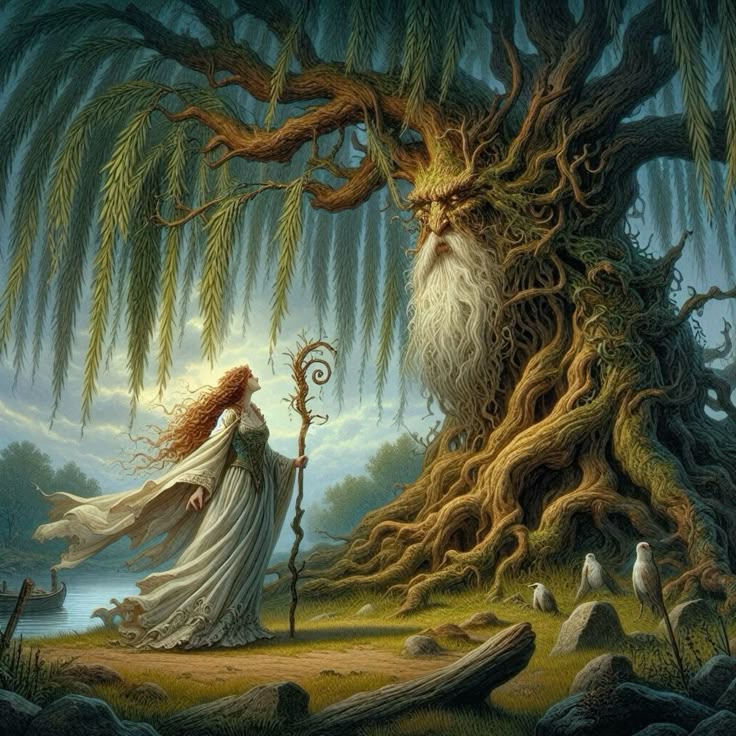
In the silence that followed, the only bearers of living mind in dense reality were the Vanir and the Fair Folk. The Vanir continued to sustain the pulsation of the biosphere — the “inner fire of the cell” and the cycles of growth — while the Fair Folk assumed the role of keepers of configurations of meaning. Yet without the защитный shield of the Aesir, this union also became horizontal: the Fair Folk no longer relied on divine will, but attuned themselves to the vital flows of the Vanir, striving to keep the world from final glaciation.
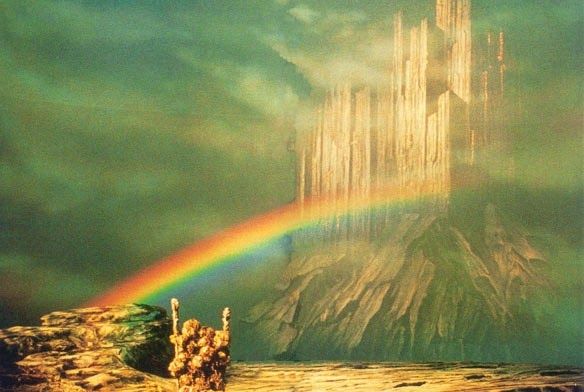
The adaptation of the Fair Folk to the “coarse reality” of the Younger Dryas required a radical change in their navigational instruments. Before, their presence in the world was full-blooded and overt; now it became increasingly “ghostly” and hidden. They began to build their dwellings less as architectural objects than as zones of warped space where time itself flows differently, shielding them from the toxic influence of entropy. Castles in the Interspace became “resonators,” maintaining the purity of the primal forces of the Alfar in a world rapidly losing plasticity and growing ever coarser and heavier.
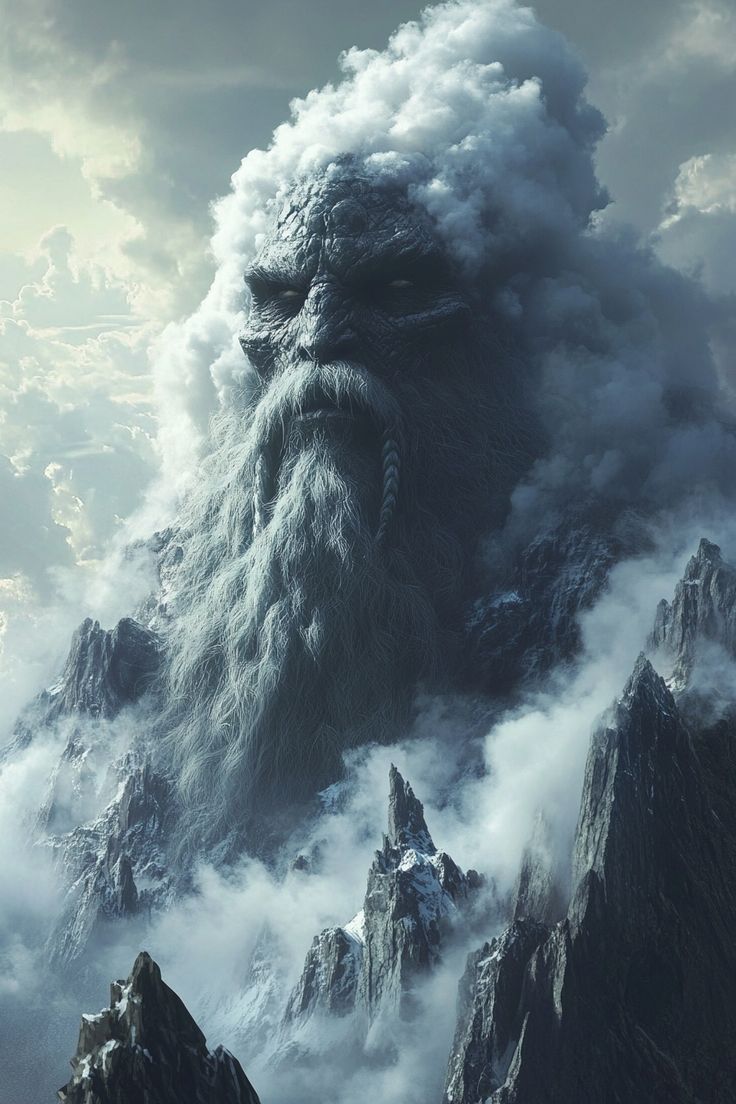
At the same time, the absence of external law made this horizontal world even more defenseless against the rising Archontic logic. Humanity, deeply traumatized by the icy horror of Fimbulwinter, did not believe in the new balance. Left without the direct shield of the Old Gods, people became vulnerable to the whisperings of the Grigori (Watchers), who directed human fear into the channel of technogenesis. Taking advantage of the diminished presence of the Aesir, the Grigori replaced the idea of “co-presence” with the concept of “safety.” They convinced people that in a world without gods, the only way to survive is total computation and mechanical control. Humanity — afraid of freedom and nature’s unpredictability — rejected the synthesis offered by the Fair Folk and the Vanir and chose a surrogate of order: the Archontic logic of mechanistic control and environmental suppression.
It was precisely the long cold and the fear of life’s final disappearance that pushed the civilization of the Atlanteans toward the fateful decision to seek salvation through a violent breakthrough into Álfheimr, where the полнота of “living order” had been preserved at almost no cost. With cold in their hearts and shaped under predatory influence, the Atlanteans tried to restore by force the lost vertical shield. They began to turn the Enchanted People into a resource to maintain their own fading reality, which led to underground labyrinths and systems of coercion on Ta-Meru. The attempt to punch through a permanent portal into the higher worlds ended in a catastrophic closing of the boundaries. Master Kaihir sealed the breach at the cost of his life. Atlantis sank into the ocean, marking not only the catastrophic Separation of the Lands, but also the final separation of the destinies of people and the Fair Folk.
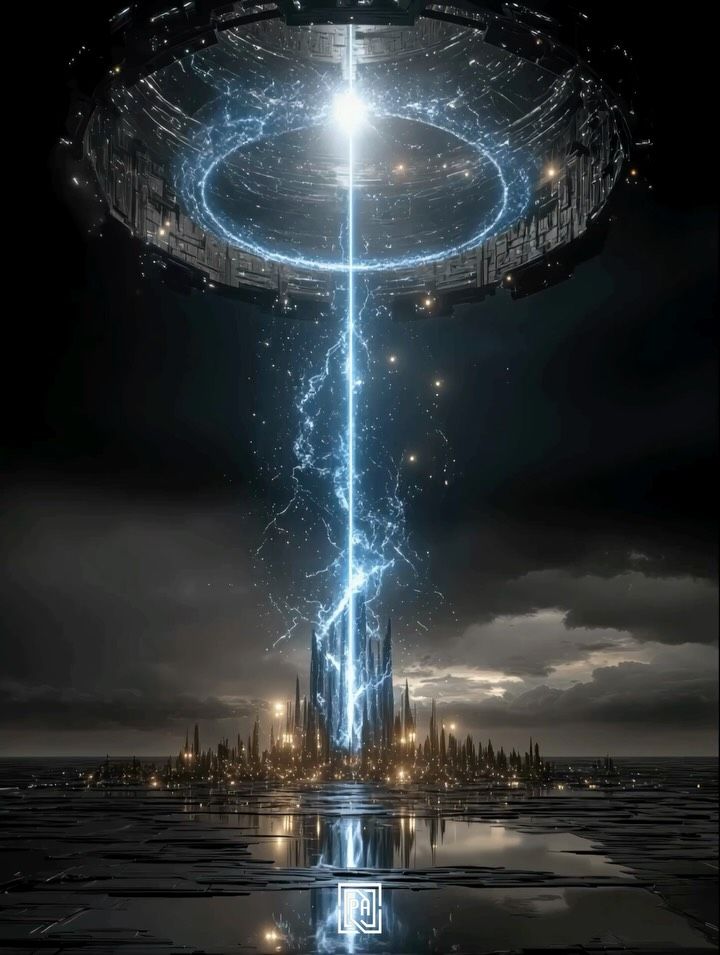
This choice finally “quarreled” the two humanities. Then, striving for absolute guarantees of safety, humanity discovered iron— a metal of aggressive nature that cuts through subtle magical vortices. Metallurgy became the chief shield against the outer world, and it was metallurgy that made dense reality toxic for the Fair Folk, beginning to block living etheric flows. For the Enchanted People, the reign of iron became an unbearable sensory shock: the physical sensation of life itself being “cut” by static noise. Where the world had once been fluid and responsive to song, it became fragmentary, divided into dead pieces. Metallurgy effectively switched off the surface of the world for them, turning it into a dead environment. This final loss of the world’s plasticity confirmed to the Fair Folk that the time of direct interaction was over.
Thus the Younger Dryas proved to be the period when the world claimed its right “to be civilized.” The “second water” of the Holocene that followed initiated the Great Exodus of the Fair Folk — the only way to preserve the living logos and the breath of crus in a world that, armed with fear and iron, chose the Way of mortification. The Great Exodus preserved the capacity for “song” in a world that preferred a mechanical hum.
Thus Ragnarök and the Younger Dryas that followed became a time of colossal, yet unrealized chance. The Holocene could have become an age of co-creation between people and the Fair Folk under the aegis of the Gods of Nature, but the trauma of the Great Winter and the choice of iron turned it into an age of domination and fear. The finale of the Battle of the Gods became the grim beginning of the Age of Humans: a time when the surface of the Earth was given over to the power of human calculation, and Magic withdrew into the depths to preserve the seeds of mystery for better times.

The collective unconscious of people is corrupted. All its symbols, the so-called trees, were supposed to be studied not to be “used for development” or some questionable achievements, but to be properly dismantled.
Then we wouldn’t have had to tear down human civilization to the ground, since it carries billions of copies of this structure.
And here you are, still writing books about how to pass through the fields of the afterlife, instead of starting with dismantling these disgusting structures. Ah, Enmerkar, Enmerkar…
Question: How exactly did the Atlanteans turn Fairy into a resource? It seems like no one has ever managed to do that before?
You should read “The New Lemegeton” and start by dismantling yourself.
Kind of like Linda, but kind of not. 🙂
This story is amazing!