
The Battle of Liffe — Humans and Fomorians
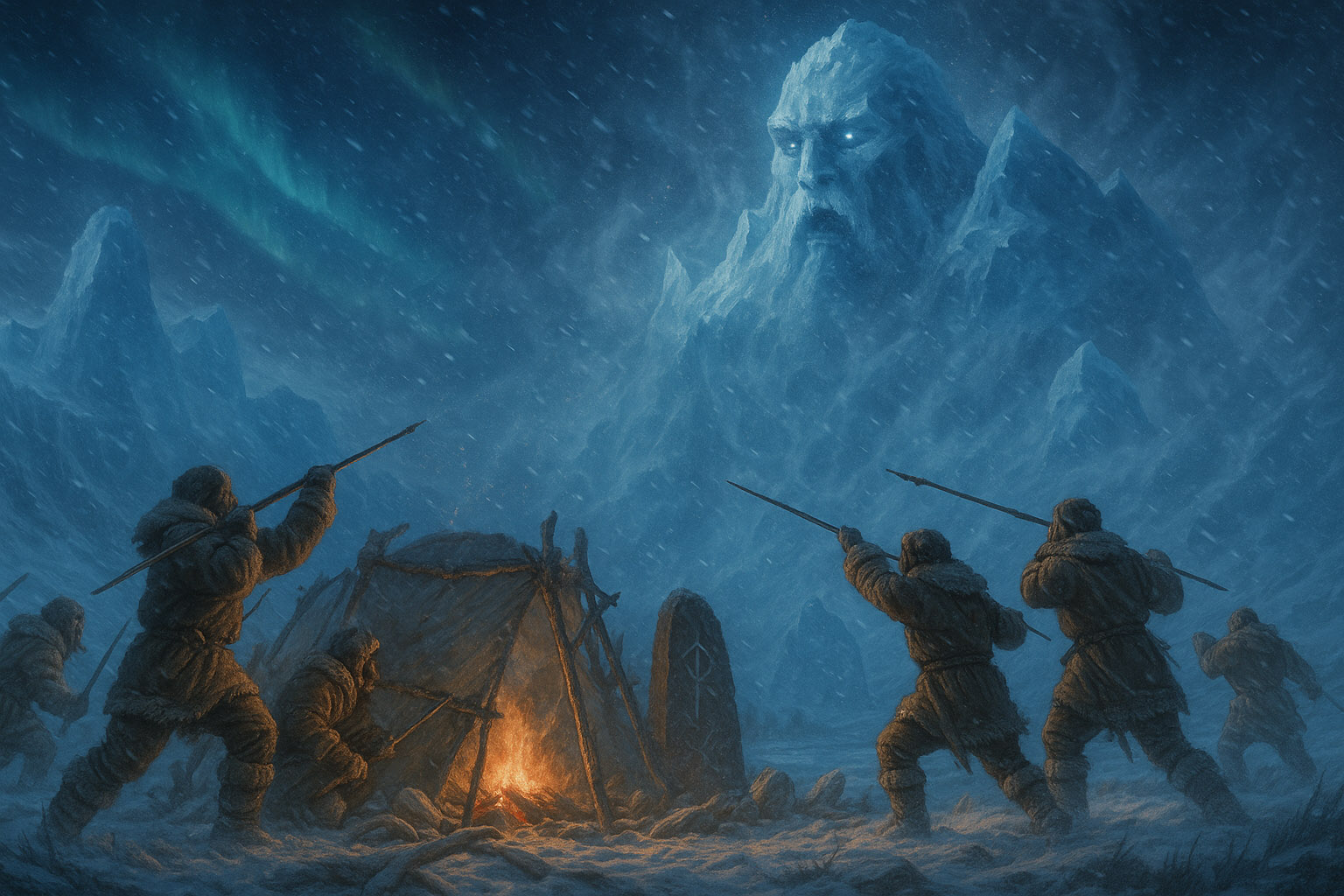
Approximately 26 thousand years ago, humans first encountered, “face to face,” the forces that had been influencing them “from beyond the threshold” throughout all of human history — the Fomorians, whom Eastern traditions also know under the name “Nephilim.”
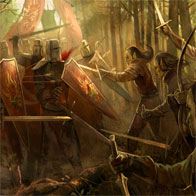
This encounter, which secular science knows as the “Glacial Maximum” (since, as we have already said, the invasion of the Fomorians is always accompanied by a cooling), is known in mytho-historical chronicles as the “Titanomachy” or the “Battle of Liffe.”
This battle not only became a “test of humanity’s resilience,” but also served as a powerful stimulus for the formation of pragmatic thinking as a characteristic trait of Homo sapiens. It is precisely this trait that will later largely determine both the literal, physical, successes of humanity’s survival and expansion, and will also become a serious obstacle to its spiritual development. And therefore, although from a formal point of view humanity in this “battle” did win, in a broader view it becomes clear that the Fomorians managed to achieve at least one of their goals — to “split apart” human and fairy, fixed and fluid, modes of perception, and to “set” humanity on a technological path of development.
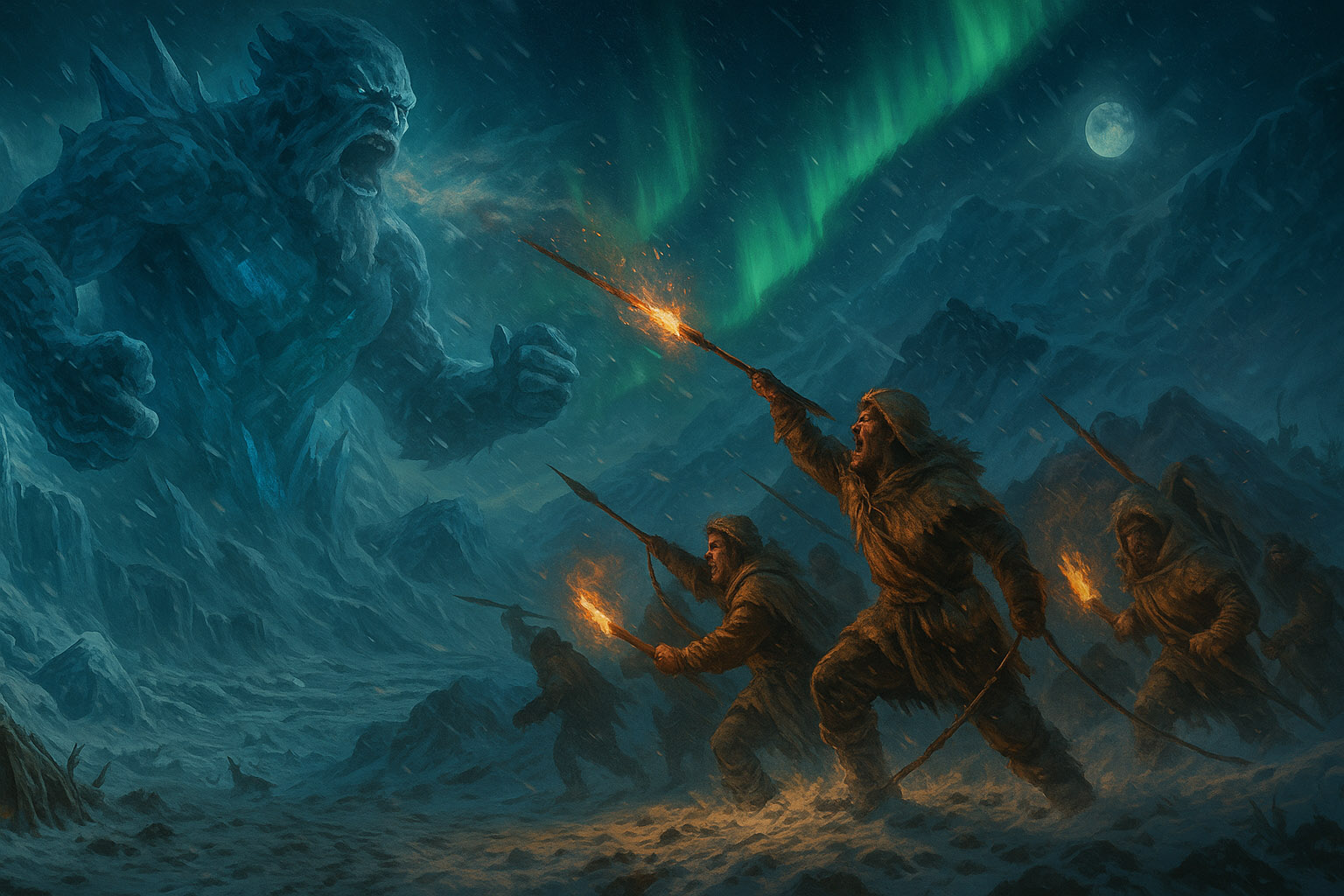
The name “Battle of Liffe” in the “Fairy Chronicles” is used by analogy with the historical Battle of Clontarf (1014) on the River Liffey under Dublin, since an image of resistance to onslaught became fixed there; this battle is romanticized and mythologized in Irish culture as the decisive victory of the “native people” over foreign invaders, and therefore this image is used as a description of the clash between humans and the Fomorians as well.
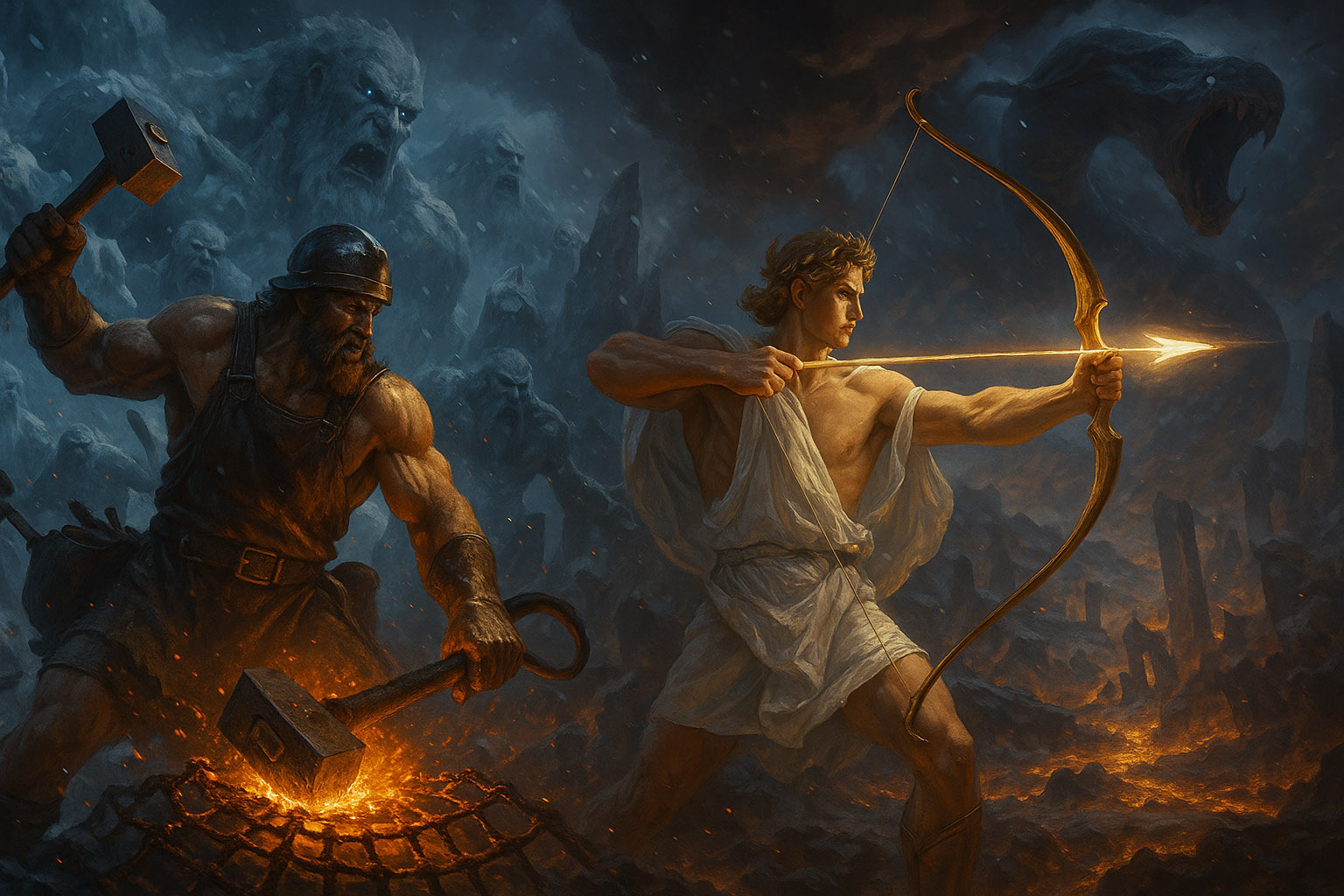
Classic memories of the Titanomachy are also descriptions of the clash of practical, grounding mind with forces of decay and unformedness. In the Greek line, the role of the “front edge” in these battles is performed by Hephaestus, artisan and engineer, the one who works with fire, metal, mechanisms. It is he who answers the onslaught of chaos — with a precise, practical action. Next to him on the front edge of the battles is Apollo, as the bearer of clear reason, who defeats Python with his arrows — calibrated, directed force of the “daytime” mind.
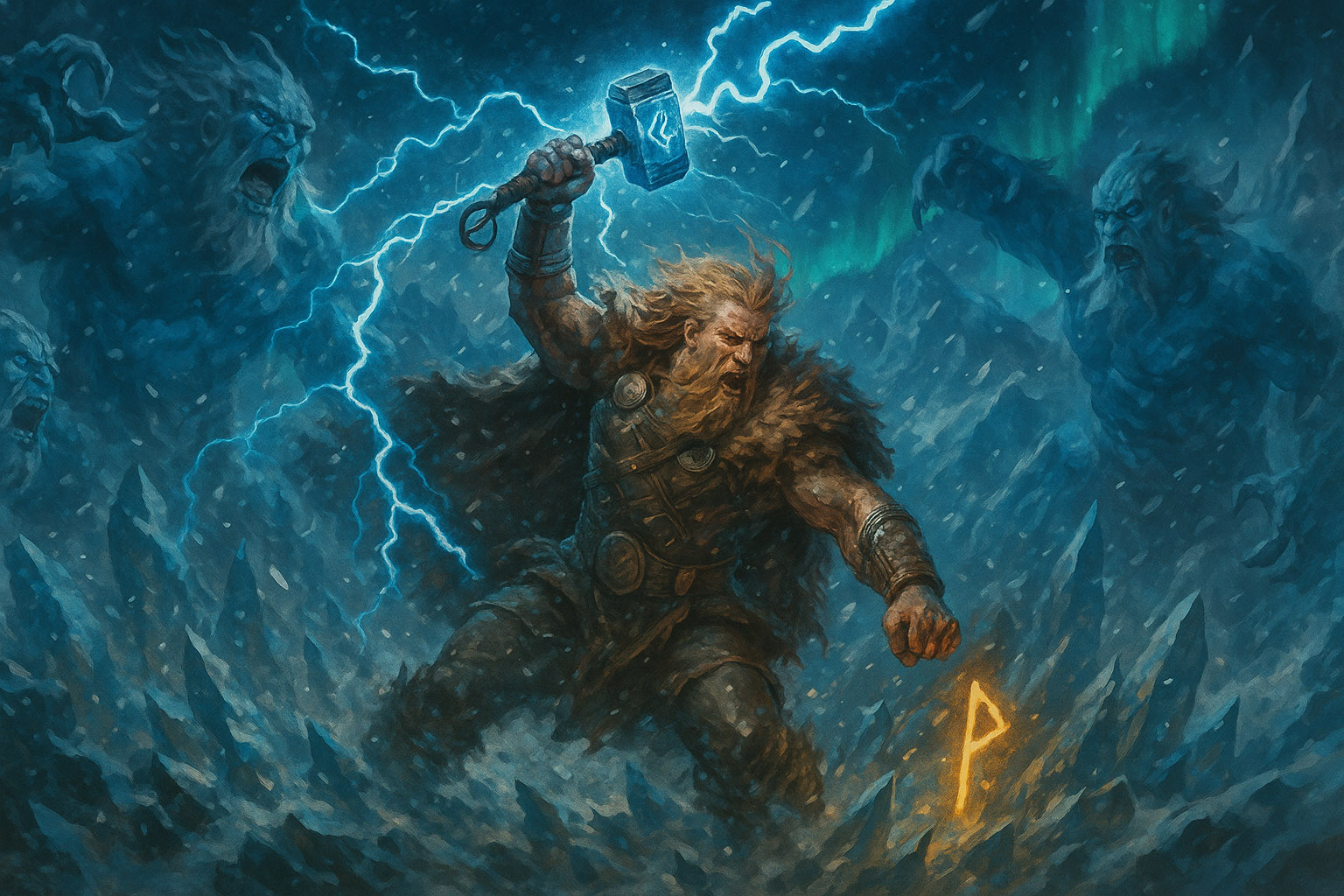
In the Northern tradition, the same function is embodied in the figure of Thor — another anti-mystical and pragmatic god. He simultaneously holds back the “anti-conscious forces” thurses (the Fomorians as ice giants freezing differences) and opposes the Serpent of Chaos Jormungandr. His weapon is the hammer, the force of pure applied power capable of reassembling boundaries and returning the system to a “working” configuration. The Slavic pair — Perun and his confrontation with Veles — shows the same interaction of forces: lightning-fast, “on-the-ground engineering” stabilization against the fluid, swallowing power of underground waters and mystical potencies.
In these events, “simple reason” — daytime, practical, relying on instruments — becomes a critical outpost, without which “high knowledge” turns out to be useless from the standpoint of “crude” survival. Zeus, Athena, Dionysus set the strategy, but it is Hephaestus who implements it with metal, tools, structures. In the same way, Asgard rests not on Odin’s wisdom alone, but often also on Thor’s practical power, which repels the attacks of the thurses before they turn into an irreversible stoppage of the Flow.
These facts record the main shift in human technologies as well: the formation of pragmatic, procedural thinking as the dominant cognitive strategy. It was precisely such a set of skills that allowed humans to turn scattered “rescues” into a stable survival system under the pressure of Fomorian cold.
At the same time, humans formed their survival strategy by means of precise, verifiable, and reproducible actions: at this time, fire, clothing with stitched seams, windbreak screens, the eyed needle and adhesive compounds, routing and exchange, housing solutions from available materials, seasonal logistics of supplies, and long-range hunting weapons were introduced into the human arsenal. This is the “toolkit of Hephaestus/Thor/Uriel,” transferred to the human level; it is precisely it that in the “Battle of Liffe” keeps communities from disintegration and death. In mytho-symbolic terminology, this is precisely the manifestation of the Rune Thurisaz: a fixing force that can become an enemy if it turns into the total statics of Ice, but remains a protector as long as it is directed toward fencing off the living, flowing components of the system.
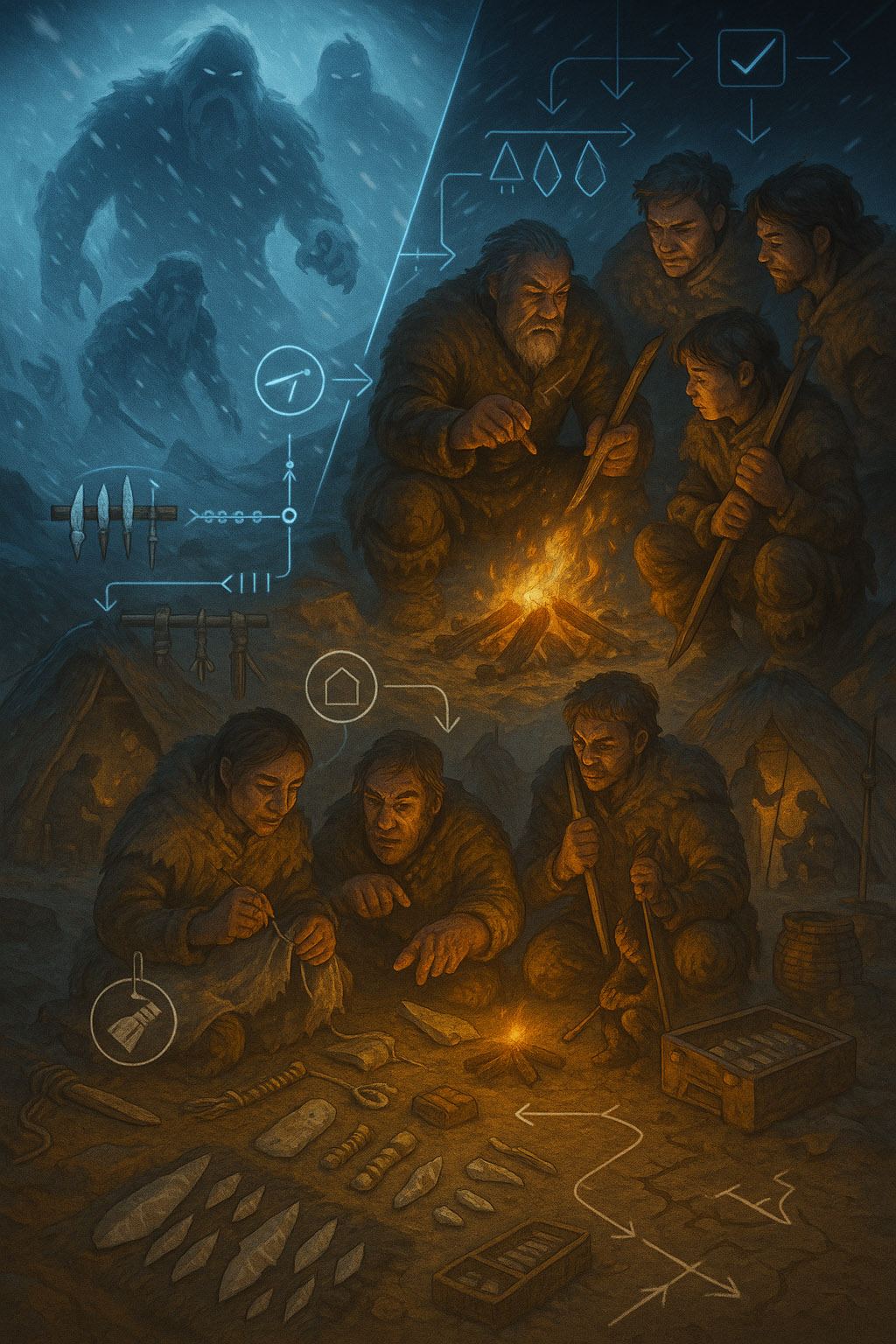
In these confrontations, the strong side of humans turns out not to be inspired speeches about higher worlds, but a pragmatic set of operations that stabilize body temperature, extend food resources, protect skin from wind, keep a settlement on a leeward terrace, build bridges at the right bend, divide the year into understandable stages, and connect scattered camps through exchanges and proto-trade.
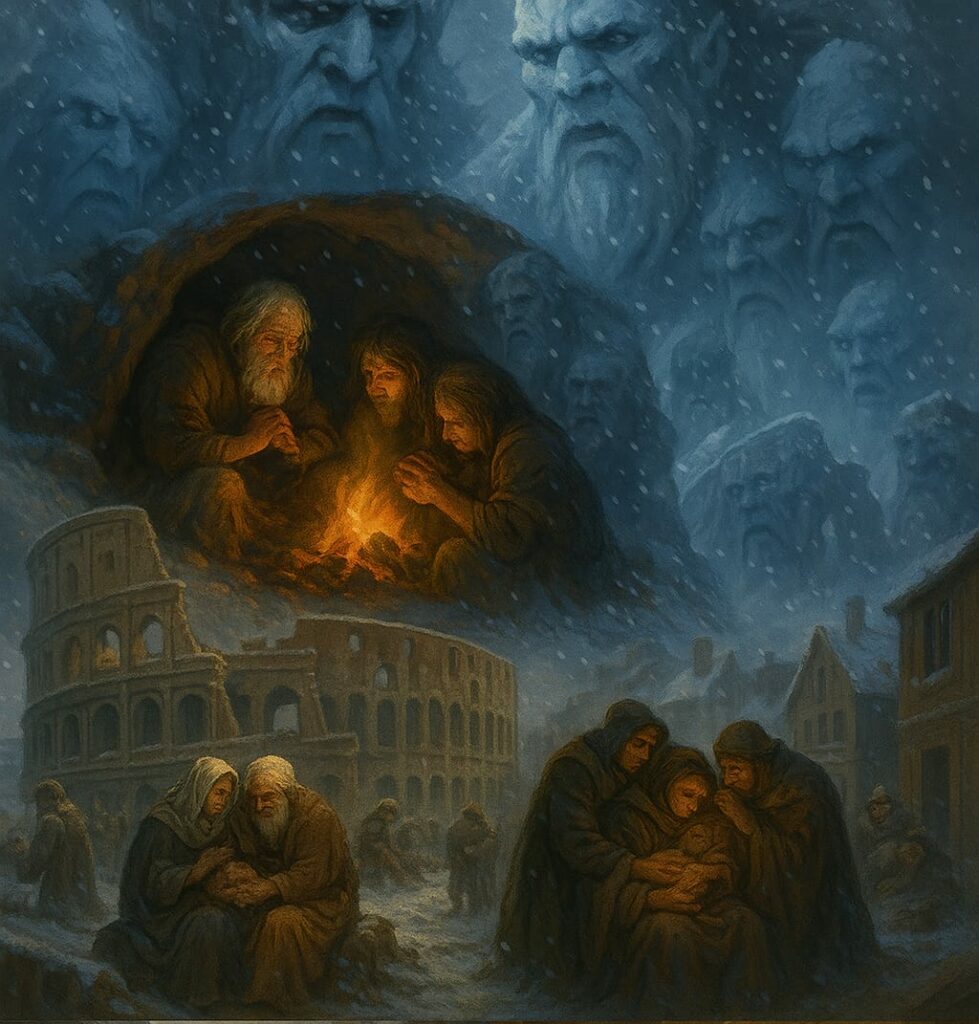
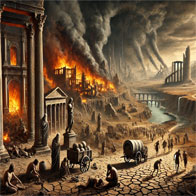
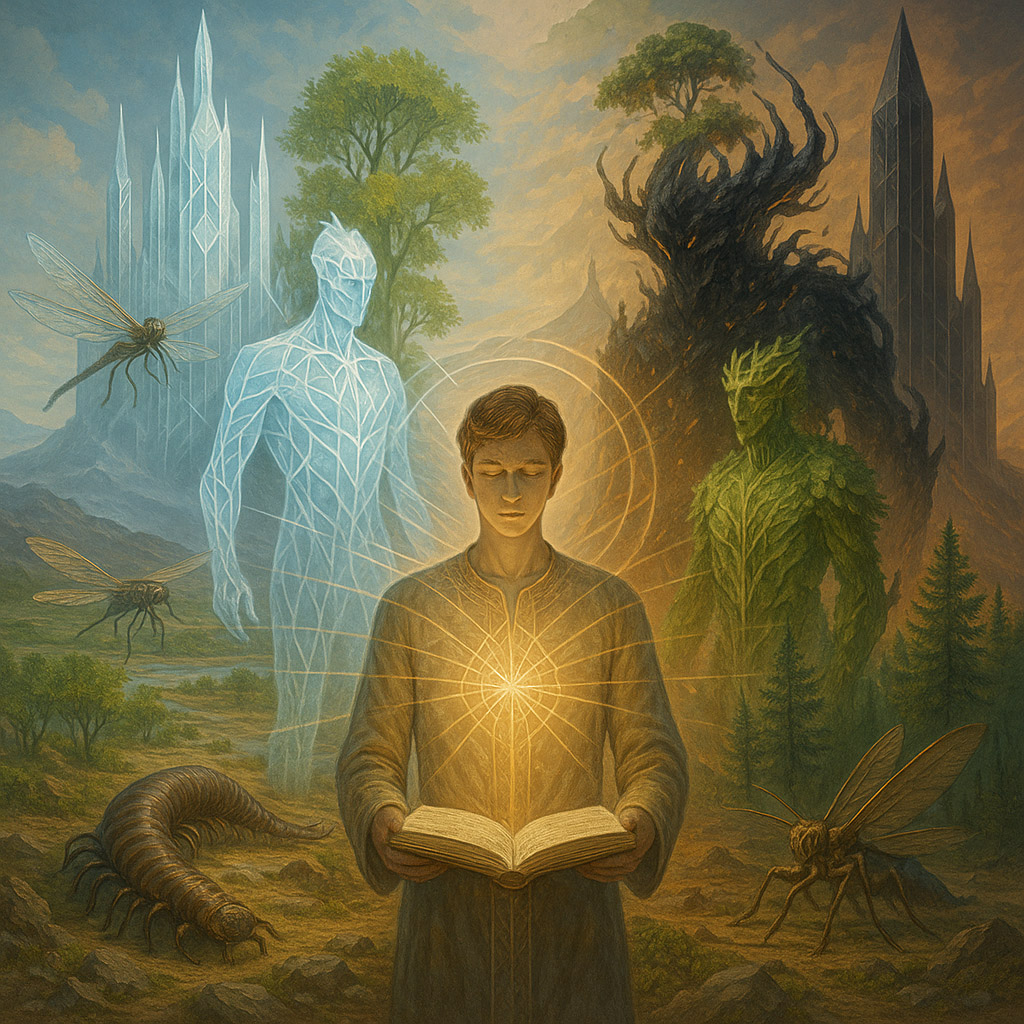
On the side of the Fomorians, meanwhile, is the cumulative pressure of processes that make the environment mute and immobile. They are regarded as the “reverse-side” cause of that set of climatic and environmental factors that “binds” the Flow of life: cooling, aridization, wind chill, atmospheric dust pollution, shortened vegetation periods, sharp interannual variability. The attacks of the Fomorians correspond to stages of maximum cold and dust; humans’ counterstrikes are fire, clothing, mobility, routing, exchange, dense memory. In such a field, the victor is not the one who invokes gods most loudly, but the one who reproduces practical working solutions. The role of the fairy in this period is only limited: they sometimes helped humans find safe crossings, suggested places with a stable microclimate (terraces, wind-blown ridges, southern slopes), and held them back from resettlement into unfavorable areas. In such an interaction, a new hierarchy of relations between the two humanities takes shape: the subject of everyday survival becomes the human group, the fairies act as guardians of the threshold and balance, and “archontic” influences for the first time find, in human practical step-by-step will (time broken into operations), a convenient channel for future fixation.
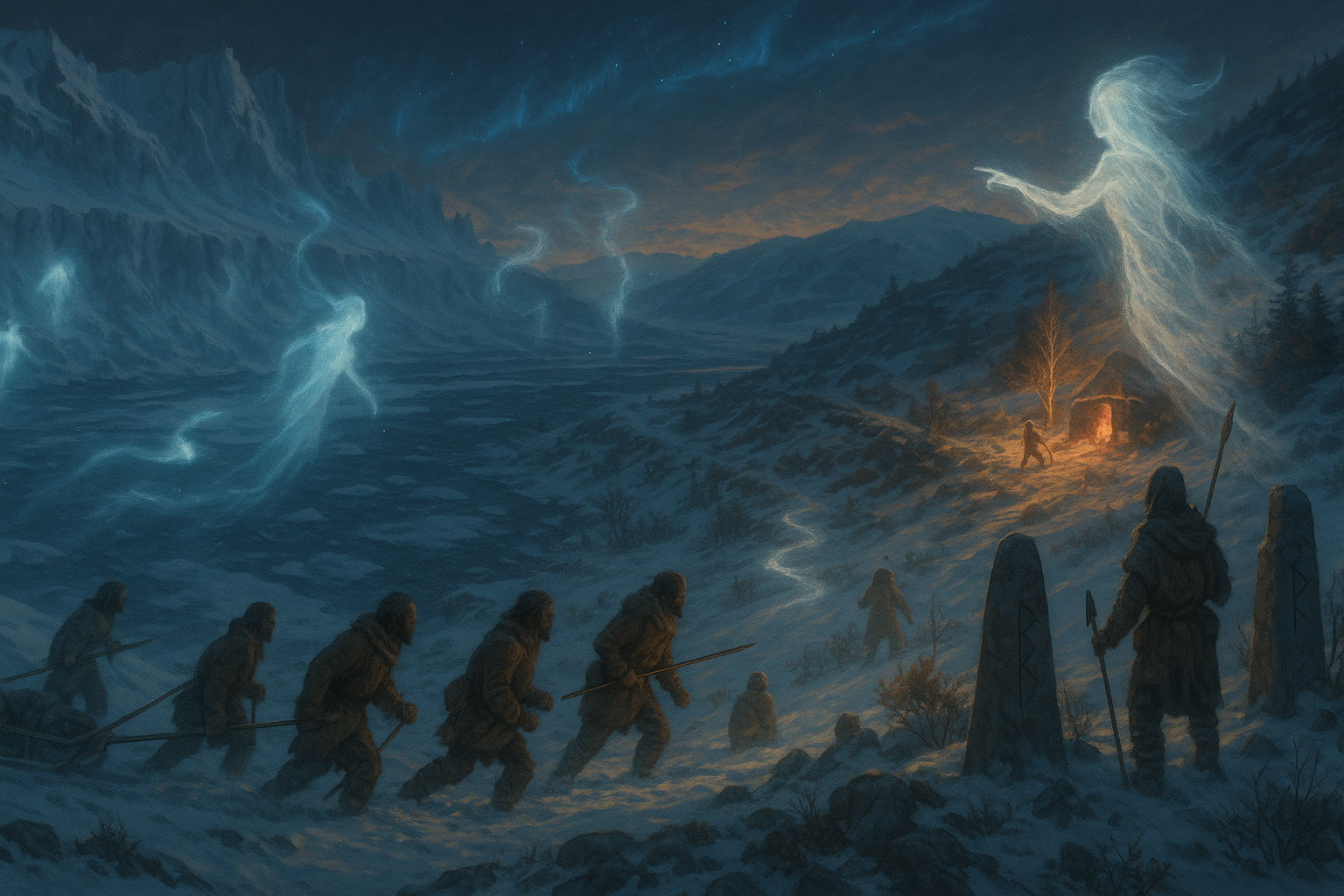
From a formal point of view, the “Battle of Liffe” included three phases:
— Phase I, ~26.5–24 kya: Invasion of the Fomorians, rapid descent of climate to temperature minima, increase in dust load; peripheral habitation ranges are destroyed, systemic resettlement of human communities into “refuges” begins — areas with more favorable conditions.
— Phase II, ~24–21 kya: The Fomorians win a temporary victory, stabilization of the “ice front” occurs, formation of long seasonal routes of hunting and exchange; differentiation of regional technocomplexes.
— Phase III, ~21–19 kya: Humans develop their strategies of survival and resistance, shift energy flows to their advantage. The first signs of the retreat of the Fomorians appear, deprived of energy feeding: local periods of thaws, an increase in the density of human camps on the borders of the “refuges”; humans begin preparing for further spread and follow the “retreating ice.”
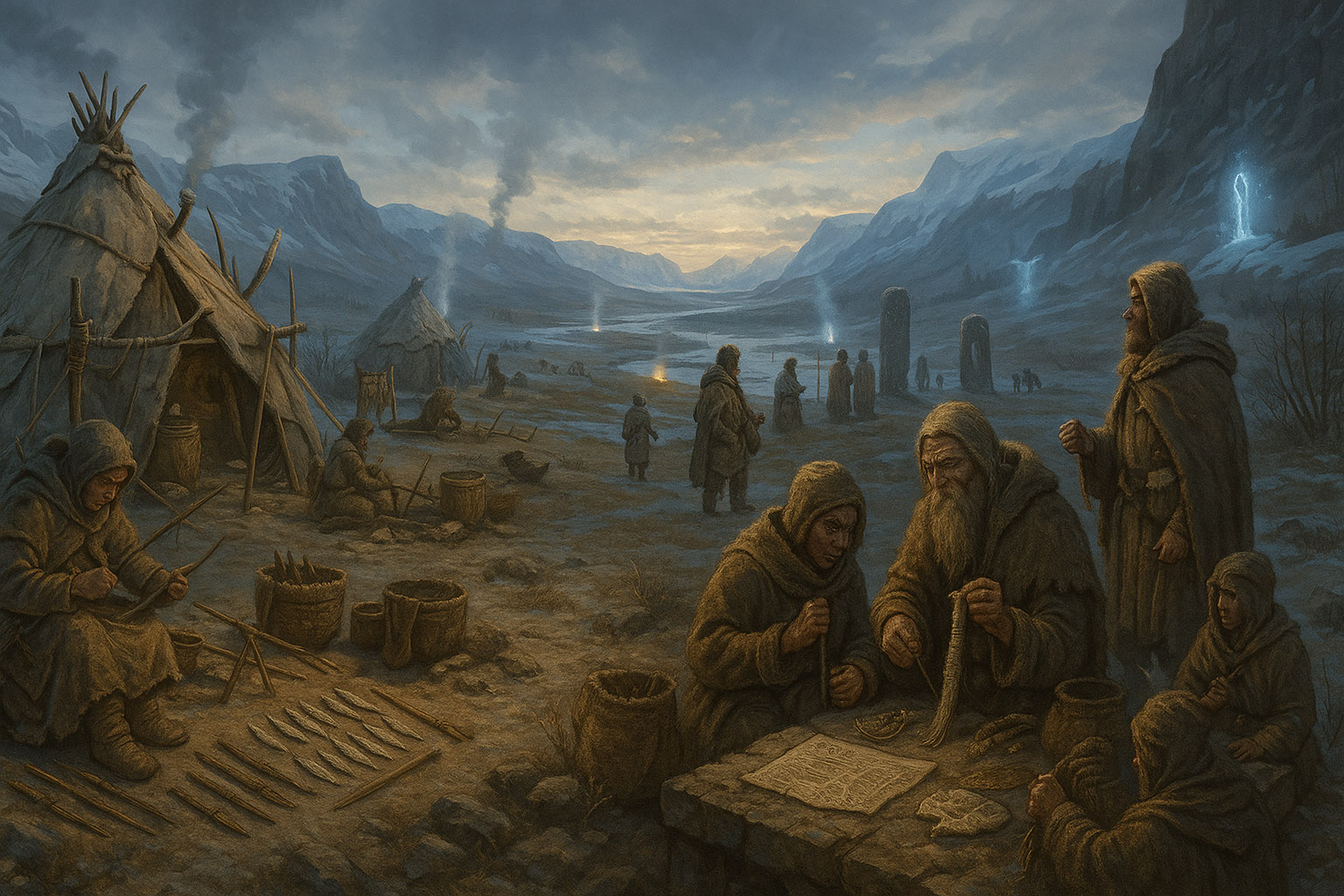
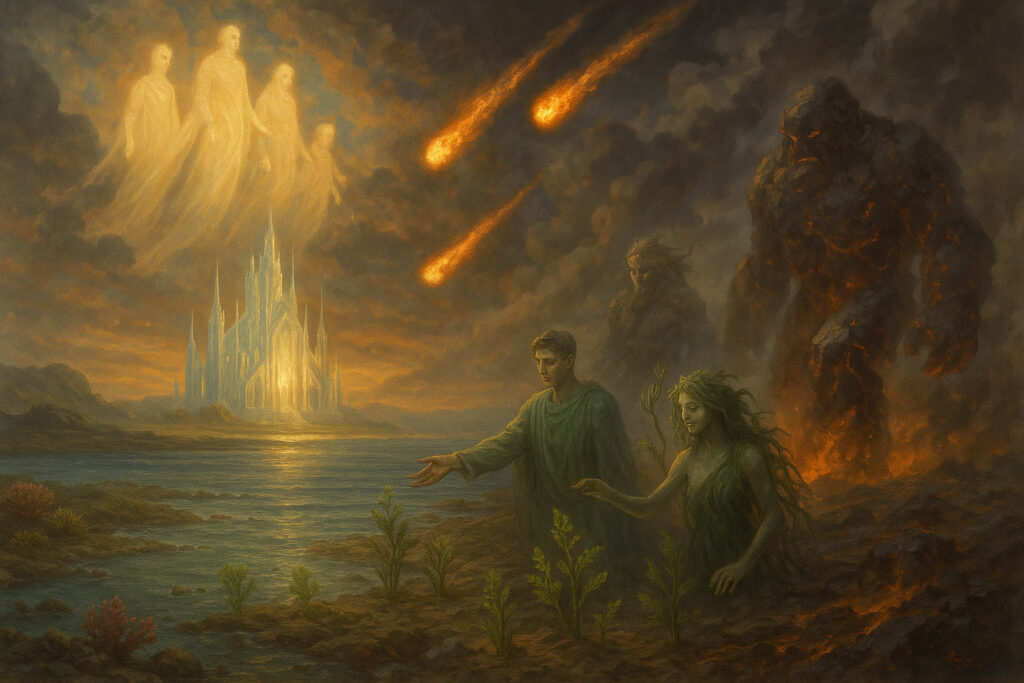
Overall, the “Battle of Liffe” is a key episode of early paleo-history of humanity before the flood events. Deglaciation after ~19 thousand years ago triggers sea-level rise, reconfiguration of river systems, and the stories known from traditions of “flooded fields” and “vanished shores,” which in the “Chronicles” are known as the next major mytho-historical event — the Battle of Cuil Caichire. By the end of the “Liffe period,” humans proved their ability to maintain the organization of their communities, and the fairies finally secured for themselves the role of threshold regulators, refusing direct management “on the surface.” Thus, the “Battle of Liffe” acts as the first major “shake-up” of the Sixth epoch: a test of viability and a shift in the direction of the formation of human communities under conditions of minimal natural favorability.
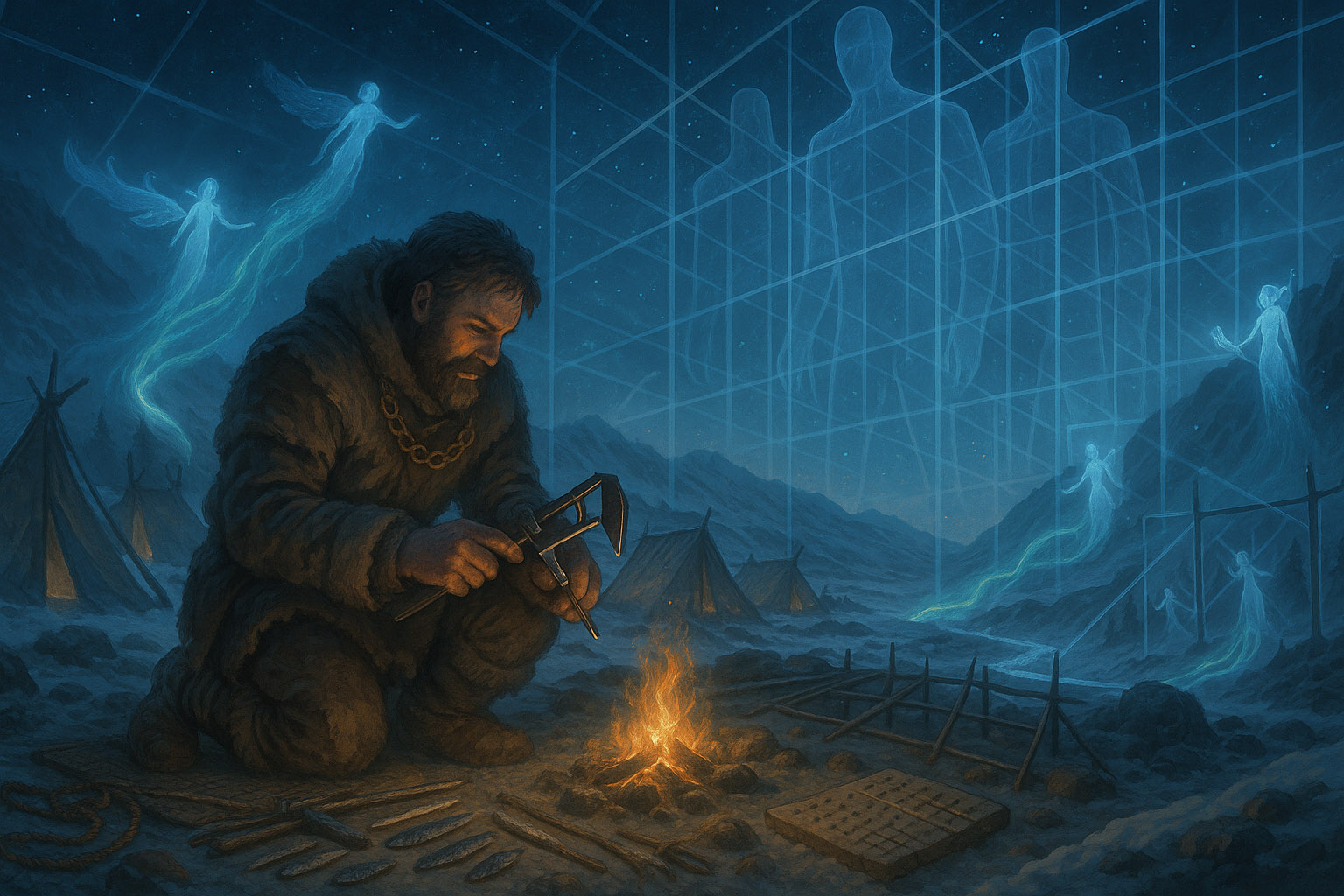
It is precisely under these conditions that humans develop their strategies of reliability and repairability as basic norms: they make things not merely “to work,” but to withstand cold, wind, and wear, to be quickly repaired in the field, and to have interchangeable modules. Hence the clear tendency toward modularity and maintainability: composite shafts and harpoons with easily replaceable tips, miniature insert microliths (burins/inlays) for quick field replacements, standardized forms of blades and edges, adhesive compounds with reproducible proportions and a curing “temperature window,” stitching clothing with eyed needles according to stable patterns, windbreak screens and camp layouts oriented by the wind rose. This is what creates the prerequisites for an engineering cycle. In parallel comes the transition to controlled fire as a technological system: bone fuel and fat lamps extend the “working day,” firing/heating blanks improves flake quality, and burning charcoal gives stable heat. This is how the matrix “algorithm — tool — control” is laid, so important for the further development of humanity.
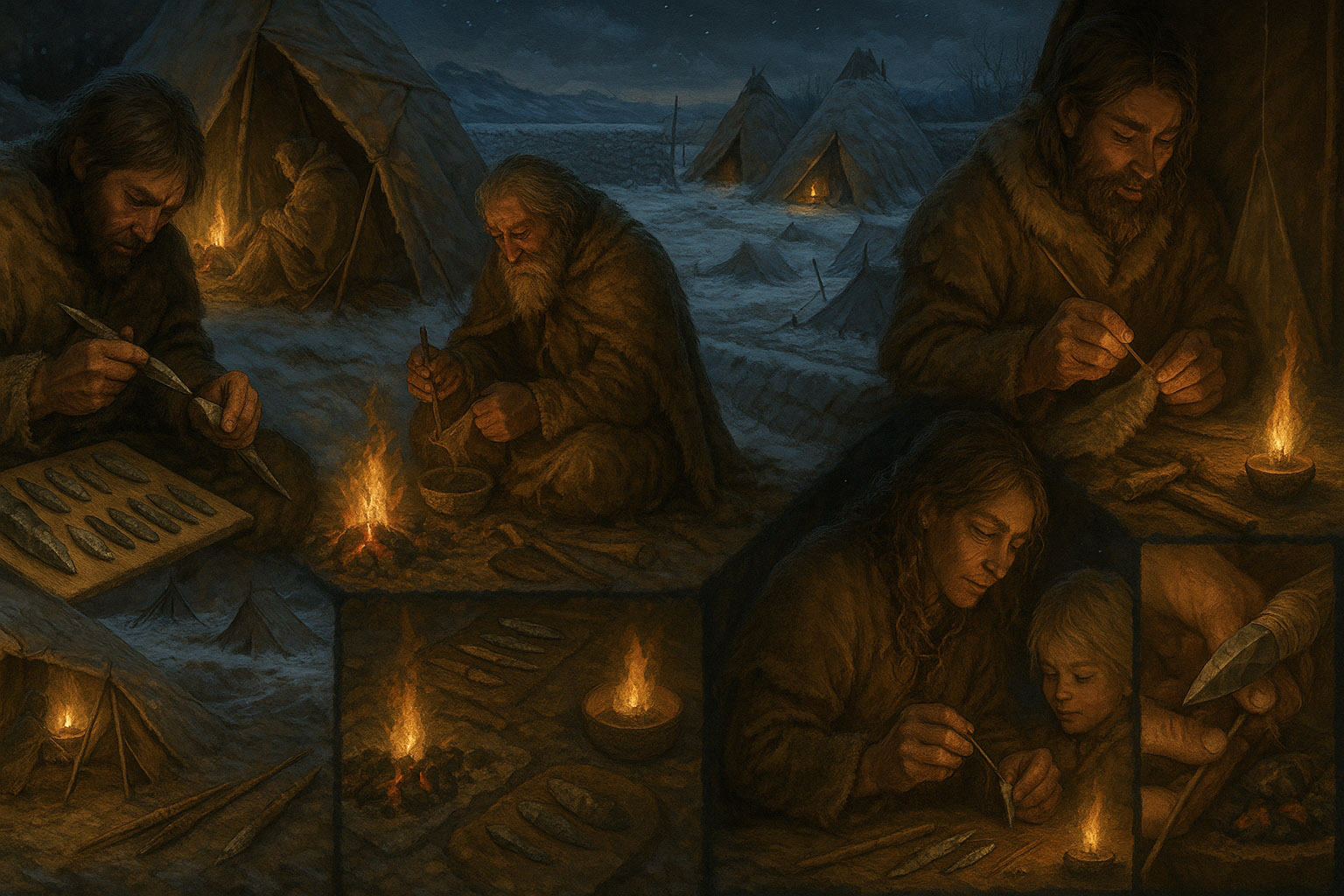
In addition, the survival lessons of the “Battle of Liffe” establish accounting and logistics as characteristic forms of human thinking: long-distance transport of flint and sea shells for hundreds of kilometers requires meeting schedules, consumption norms, and “insurance” reserves; mnemonic carriers spread at camps — notches, knotted and marked systems; seasons are divided into periods of transitions and procurement with their linkage to the phases of the Moon/solstices; exchange corridors between separate camps work according to rules of mutual obligations. Thus a stable practice of memory and standards is built, which later is simply scaled: the same procedures become the basis of warehousing, planned labor, sowing calendars, counting, and inventory.
Accordingly, the “Battle of Liffe” creates two pillars of technological civilization — engineering reliability (repair, modularity, testing) and formal record-keeping (standard, schedule, norm) — and makes them an everyday and stable cognitive habit of the human mind.
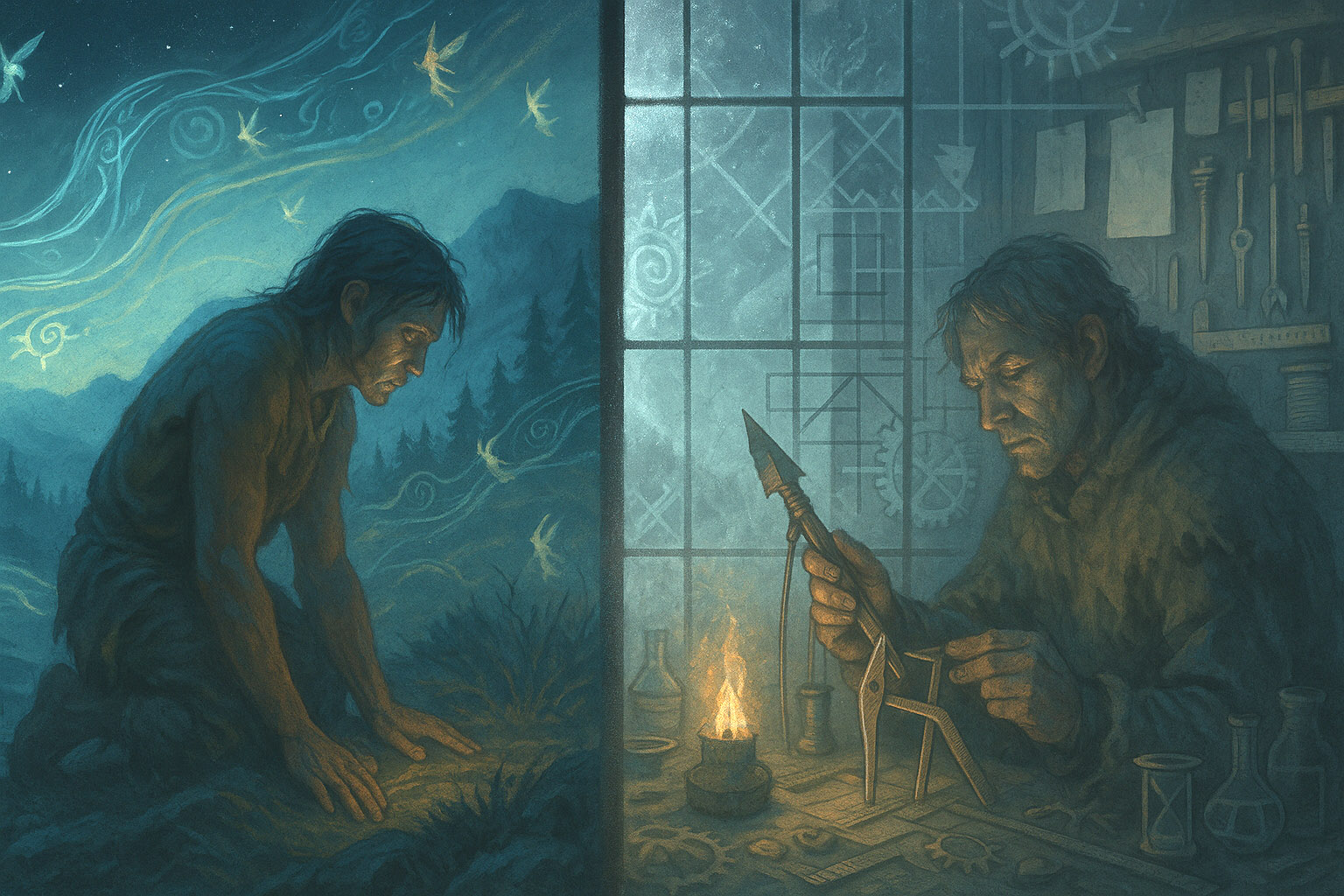
However, although such changes are convenient for repair and planning, they gradually weaken the skills previously inherent in humans of perceiving subtle, nonlocal correlations, which in tradition are described as “sensing places” and “listening to Flows.” Inner attention increasingly discards what cannot be immediately measured or included in a procedure, what has no immediate impact on biological survival; imagination narrows only to those variants that fit into pragmatic templates. Along with this, external memory (marks, protocols, schedules) increasingly substitutes for internal: spatial and imaginal “long-term” memory atrophies, the ability to see large volumes of meanings without external support on the “technical inventory.” As a result, a stable cognitive filter is created in the human mind in favor of the physically significant, measurable, and controllable, and as a consequence a chronic “deafness” to non-obvious and “subtle” signals of the environment develops.
Another consequence for the human mind consists in its fixation on “reliability” as a general model of thinking. Where any failure can turn out to be fatal, mind develops a habit of trusting only rigid rules and strives to minimize risks; this is, of course, very useful in frost and wind, but in more “peaceful” conditions turns into an inner “archontic” mode of functioning: increased anxiety and a need for control, distrust of ambiguity, intolerance for open situations where meaning and benefit are not visible immediately, but are born only gradually in the process. As a result, mind loses part of its depth: the ability to hold multilayeredness, to feel comfortable in uncertainty, to enter into resonance with places and events. It is precisely this shift, which arose as a “directed” adaptation to Fomorian ice, pushes the subsequent technogenic path of humanity’s development; it is effective for dense processes, but by its very structure it separates humans from the fairies’ subtle, flow-based perception of the world, weakening the experience of co-presence of the two Humanities and impoverishing the set of forms and states of mind available to humans and increasingly driving humanity into the fetters of Heimarmene.

Good, just Jörmungandr, or the Midgard serpent, represents the horizon line (the equator of the world).
This is not only interesting but also very useful. Thank you very much for the article.