
The Echo of Madness
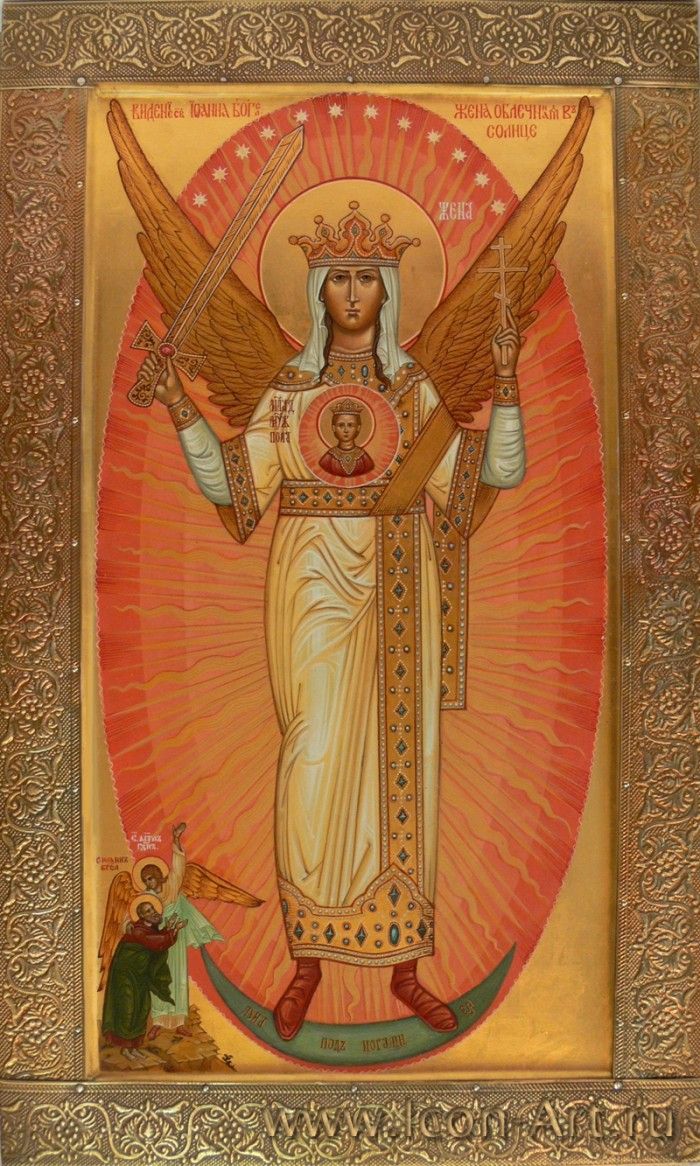
We have already discussed more than once that, from the standpoint of both Hermetic and Gnostic ideas, the universe can be presented as the result of the interaction of two principles — the transcendent, which creates the goal and the vector of this manifestation, and the immanent, which gives birth to the very possibility of manifestation. At the same time, each of the primordial principles can be considered from two points of view — semantic and energetic, i.e., as a field or flow of information or energy. The first hypostasis in this sense can be called spirit, logos or Mind, and the second — the medium, shakti or Wisdom.
For example, in the terminology of the Hindu myth, shakti creates the possibility for the manifestation of worlds, but in itself is only a seething mass of potentialities and needs the shaping, directing influence of Shiva. In a similar way, in the Gnostic description of the world, manifested universes are born from the womb of Wisdom — Sophia, but only according to the “plan” or “vector” of the Great Spirit, which manifests at that level as Teletos — the Aspiration to perfection. And the Kabbalistic myth says that the worlds are the sphere of manifestation of the Shekhinah, which itself expresses God’s creative aspiration and manifests as two flows — Descending Good (Mezla) and Ascending Knowledge (Striving for Truth, Emet).
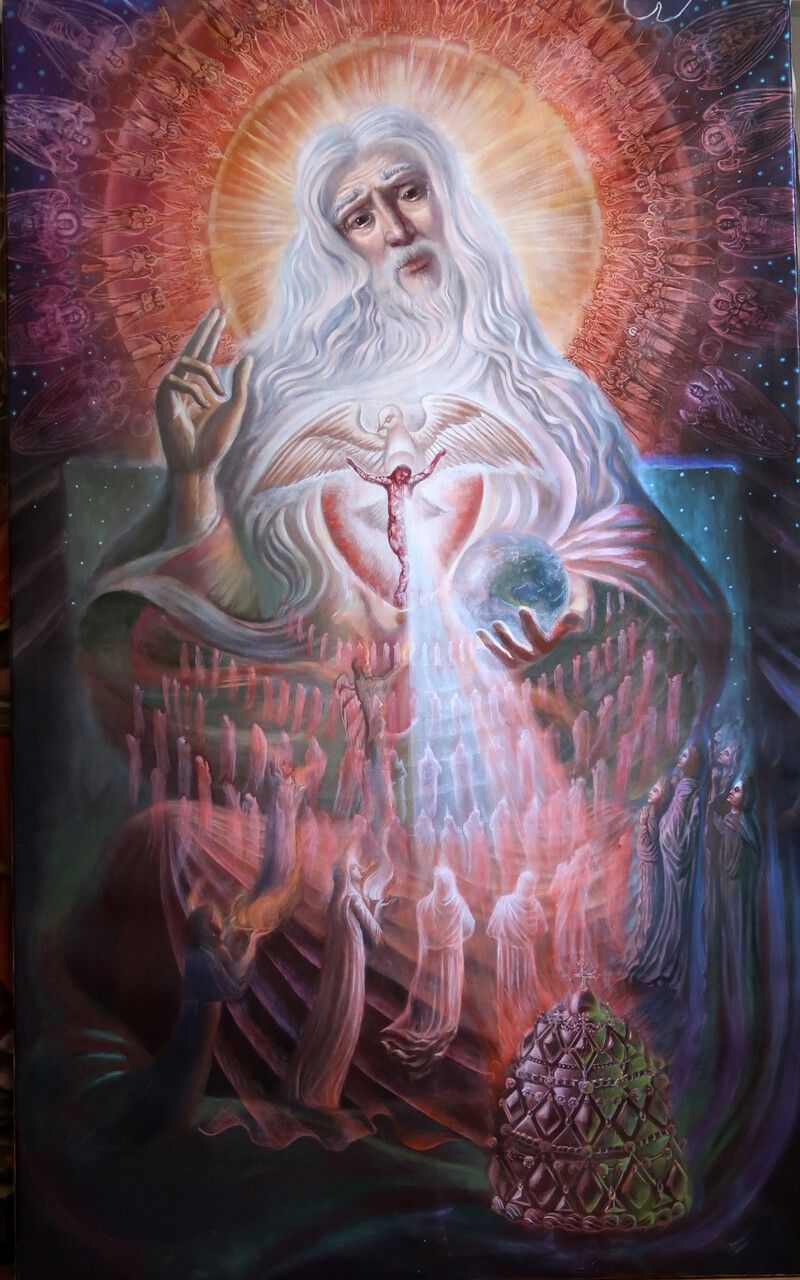
In any case, prophets, mystics, and visionaries of all cultures and traditions agree that the foundation of the universe is a certain divine Presence, which can be described as the Aeon of Wisdom, or the “immanent” meaning of being. Even when in the modern secular world people speak of the “wisdom of nature” or the “meaning of the universe,” they rely on the same deep sense of Presence that constitutes the support and substrate of manifestation.
At the same time, Gnostic practices, primarily aimed at liberating the mind from the enslaving conditions of the conditioned world, have advanced further than all others in this vision and noted several key features both of the Presence of Wisdom itself and of the obstacles to its free manifestation.
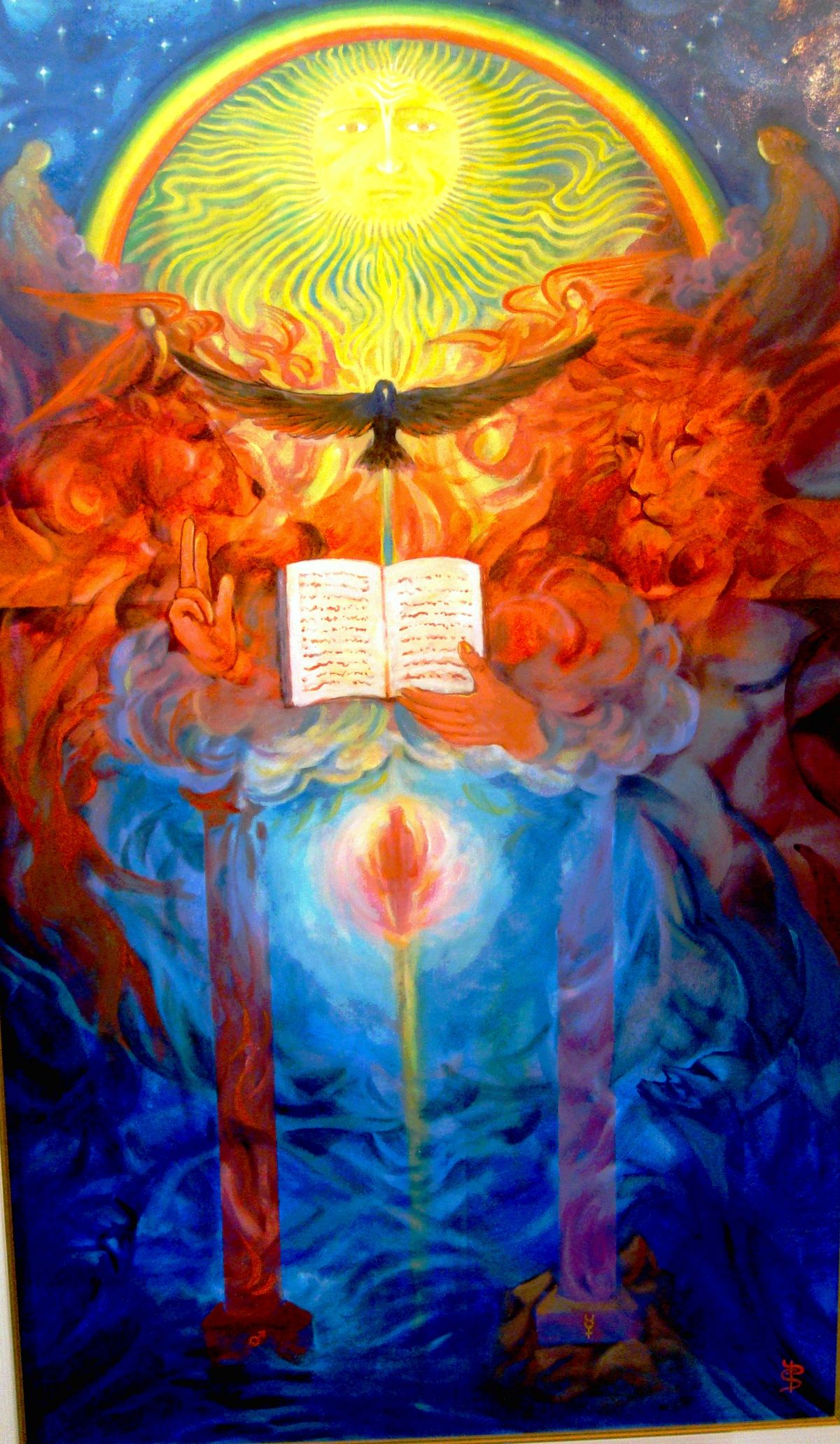
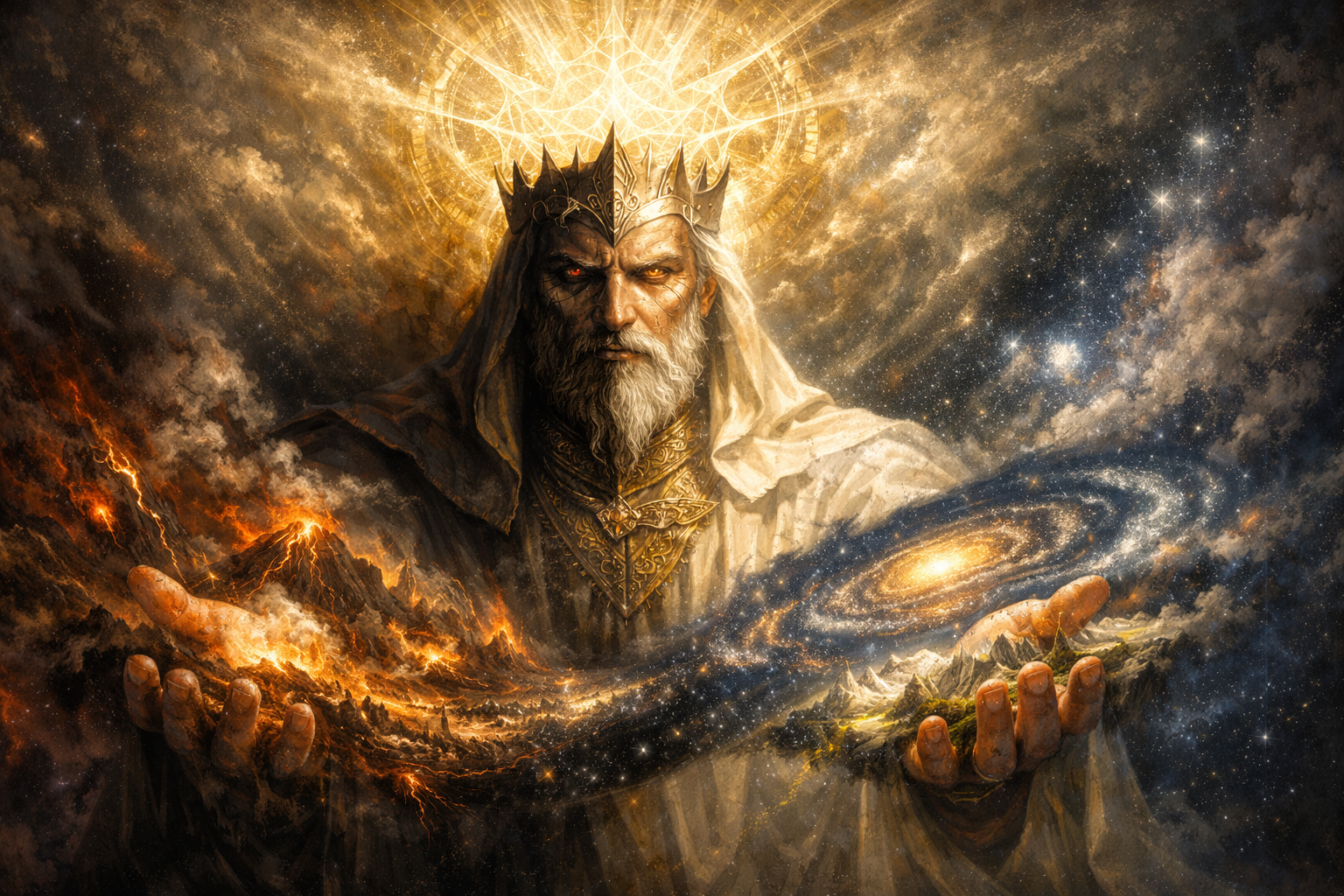
First, they discovered that Sophia — Wisdom, as the primordial basis of manifestation, has several of her own “hypostases” or forms of expression. On the one hand, by her original nature She is a Divine Aeon, that is, an aspect of the Absolute’s expression of the all-surpassing Absolute, arising at the “lower” level and creating that infinite field of potencies that constitutes the “objective” component of the process of self-knowledge and self-actualization of the Deity. Specifically, Sophia is the entire “list” of what the Deity can know within itself, the entire “inventory” of its potencies subject to actualization, whereas Teletos is the very “desire” for this knowledge or the “aspiration” to this actualization. And from this point of view, the entire world drama of the unfolding of aeonic reality, the generation of its families and syzygies, is a gradual preparation for the Absolute’s self-reflection — its Perfection (Teletos) in Wisdom (Sophia). “Pre-Gnostic” Greek philosophers described this process as the birth of Athena from the head of Zeus: the All-Father (the great mind) “swallows” or “conceives within himself” the possibility of comprehension (Metis), from which Knowledge — Athena — is born within God, or, as the Romans called her in this sense, Minerva (realized comprehension). Similarly, the ancient Egyptians spoke of the “wisdom” aspect of the world medium — Neith, which becomes the support for the manifested universe, giving birth to the Sun of mind — Ra. Thus, we can say that the first form of manifestation of Universal Wisdom is the Possibility of knowledge itself, the quality of the unlimited knowability of the universe, and in this sense Sophia is present in her “good” or “evolutive” hypostasis as Minerva or Pistis.

However, on the other hand, at the level of Sophia the process of knowledge cannot be completed; it cannot be fully carried out in any amount of time (or even given infinite time), since the number of the Absolute’s potencies is not merely immeasurably great — it is fundamentally unlimited. And therefore Sophia is initially “imperfect”; she “wants the impossible,” and this her “meaningless” striving to realize what cannot be realized is described as the “fall of Sophia” or the “primary obscuration.”
Namely, Sophia is two different possibilities: one — the “faithful” — an infinite “ascent” or knowing that is in principle unfinishable, yet constitutes the essence and primordial basis of manifestation. That is, we can say that the “faithful” path of realizing aeonic reality culminates in the highest gnosis — the “immersion” of Teletos into the darkness of the Depth — Bythos — and the great Silence of Sophia — her “return” into Sige.
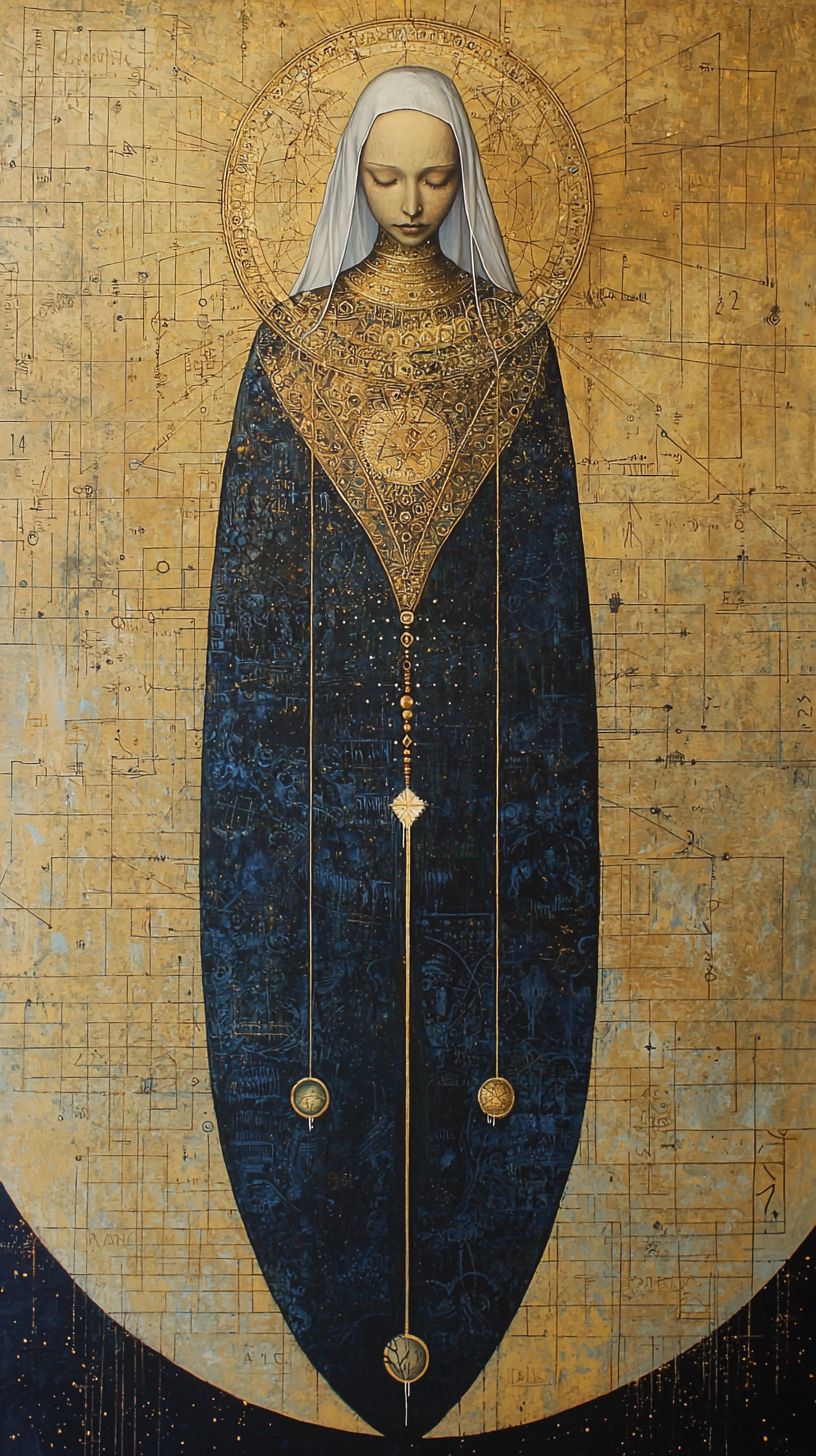
The second possibility, meanwhile, is the “distorted” or “obscured” notion that the result of such knowledge (even if in a distant perspective) can be something finally realized, comprehension ends in fixed, fully formed knowledge but, on the contrary, with something shaped, described, and fully known. And it is precisely this striving to “create forms” out of that which in its essence is in principle unformable that manifests as Sophia’s “Arrived Child” — Yaldabaoth, the very principle of obscuration. We have already discussed that Yaldabaoth is the force generating definite reality by negation from a totipotent medium through negation, or by “excluding” from view those possibilities that are “not required” for this reality. This is how heimarmene appears — “obscured regularity,” at whose core lies the creation of “conditional finitude” (Achamoth), islands of definiteness amid what is in principle indefinable, is worlds out of the Interworld.
As a result, from the standpoint of aeonic reality, of the Pleroma, the existence of worlds is only a dream, an illusion, an obscuration (that is, “emptiness” — “kenoma”), whereas from the position of this very “limited” universe, by contrast, pleromatic reality seems abstract and potential.
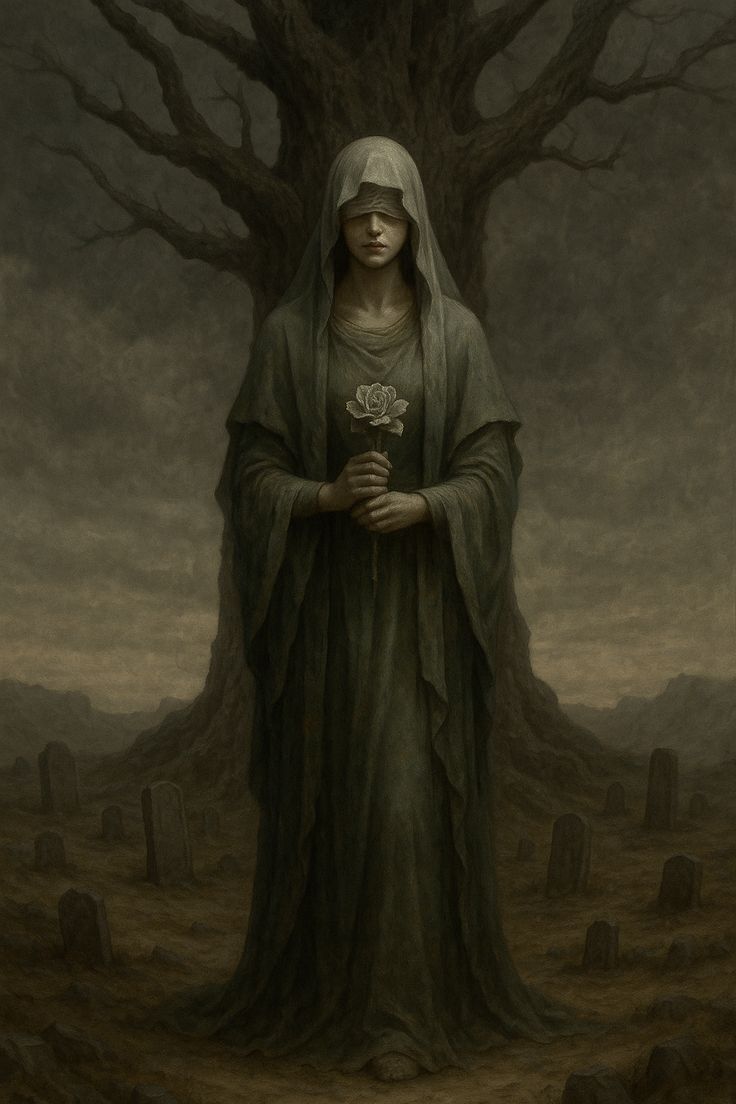
Accordingly, just as “faithful” gnosis in aeonic reality is expressed as Wisdom, Sophia, an “echo” of higher perfection, the obscuration of Yaldabaoth is objectified as “Madness” — the Archon Paraplix, or the “Echo of ignorance.”
And just as at all times people spoke of the “wisdom of the universe,” sensing the presence of Sophia-Minerva, in moments of despair they noted that “the world has gone mad,” thus expressing the feeling that structure, development, evolution always coexists with distortions and limitations; Paraplix is always nearby. Each time knowledge does not end in transcendence, each time knowing does not lead to gnosis, each time “truth” is not perceived as a motive and guiding star, Paraplix gains the upper hand over Minerva. As the “Pistis Sophia” says, “And all the souls dwelling in her punishments are carried away and again thrown into the Sphere, for they are ruined in the punishments of the Mad One.”

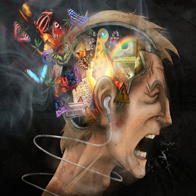
Sophia, Minerva, Wisdom is the striving of the mind toward “clarification,” which, in its highest manifestation, culminates in the experience of gnosis, “enlightenment,” or the “experience of the Clear Light.” If this striving is distorted, then it leads either to active ignorance — refusal to penetrate into the essence of things and phenomena (which is expressed as the matrices of Beelzebul or Baal) — or to the fogging of the mind, its wandering in hazy “premonitions” and “false intuition,” which is objectified as the “Mother of wanderings” — Nahema. We can say that Nahema is a “false Shekhinah” at the level of aspirations, since she manifests as an all-pervasive obscuration that creates the sense that “understanding is already close” when there is no actual gnosis at all. And then, just as Paraplix blocks the very search for gnosis, Nahema creates the sense that gnosis has already been found, obscuration is “wisdom.”

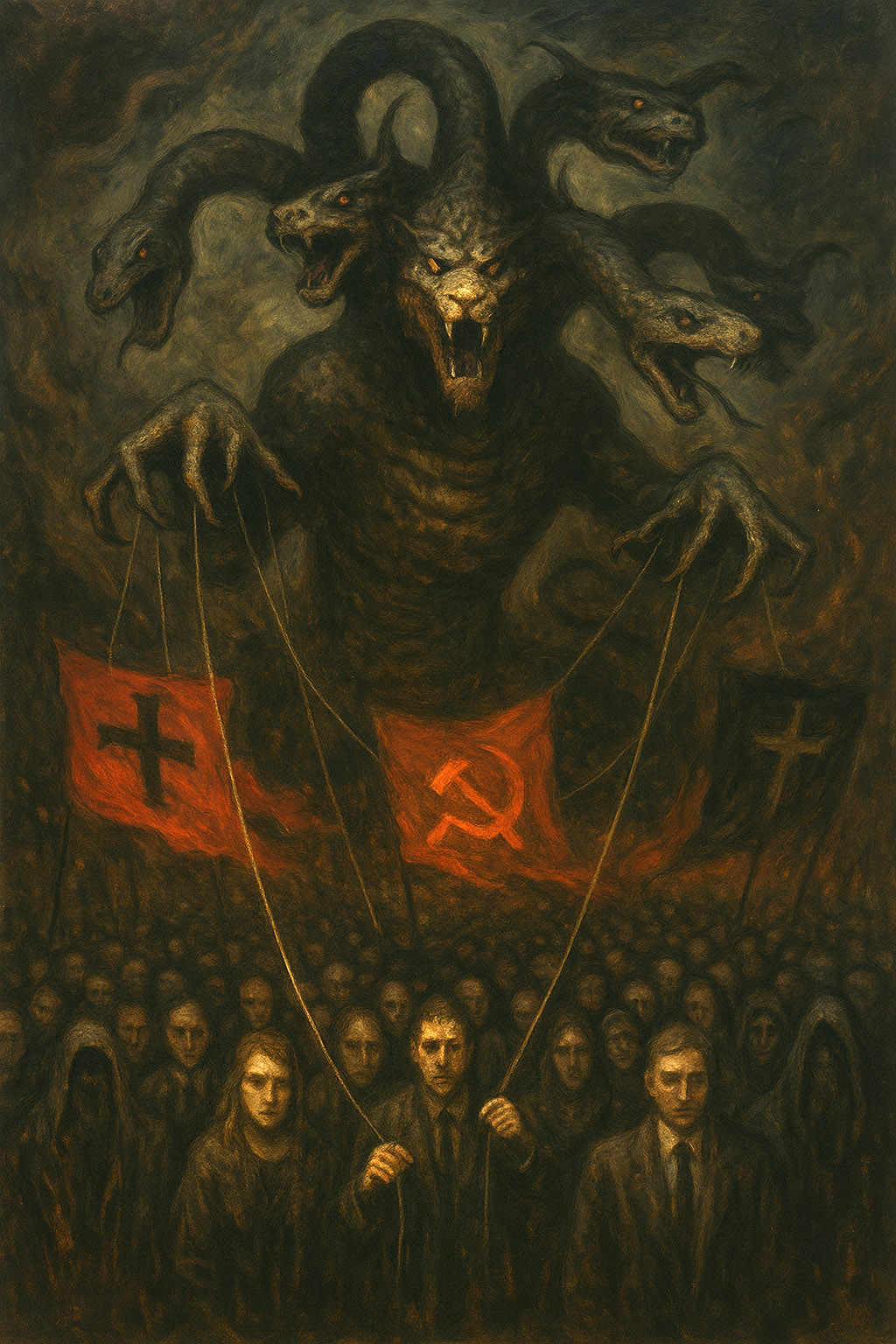
On the collective plane, the influence of Paraplix manifests as mass delusions, distorted forms of knowledge, and various forms of social and cultural fanaticism. One vivid example of such activity of Paraplix can be the phenomenon of mass ideologies, religious and political fundamentalism, when simplified or outright false notions are perceived as the only true and unconditional ones. These notions keep societies within the framework of a limited, conditioned world. And in such cases, the very idea of truth is replaced by a counterfeit — a ready-made set of dogmas and assertions that do not require verification and inner experience, thereby completely excluding the Gnostic experience. As a result, the collective mind sinks into a state of constant agitation and confusion, an inability to deeply comprehend what is happening, which makes it especially vulnerable to manipulation from outside. This leads people to stop seeking gnosis, contenting themselves with illusory substitutes in the form of false security and simplified answers to complex questions.
Note that in alchemical terminology the images of Sophia (Sapientia) and Paraplix (Insania) have their own special practical meaning, expressing the main stages of the Great Work. Here Sophia can be correlated with Albedo, implying clarity, enlightenment, the birth of true understanding and wisdom after a period of deep inner chaos and obscuration. In contrast, Paraplix can be described as Nigredo — the stage of “blackening,” associated with an initial disintegration, inner madness, despair, and the loss of clarity of mind. At the same time, nigredo expresses the state of the primary immersion of the mind into the darkness of ignorance, which the alchemists also described as “rotting,” “death,” or “decomposition.” It is clear that this state is connected with Paraplix, since the mind becomes entangled in the limitations and distortions of perception and wanders in a labyrinth of false interpretations. And it is precisely at the nigredo stage that the alchemist encounters their deep fears, unresolved conflicts, false beliefs, and all that blocks their inner development. At this stage, Paraplix dominates, manifesting as the primary “madness” — a state in which the mind loses connection with the true essence of things and becomes a victim of its own delusions and illusions.
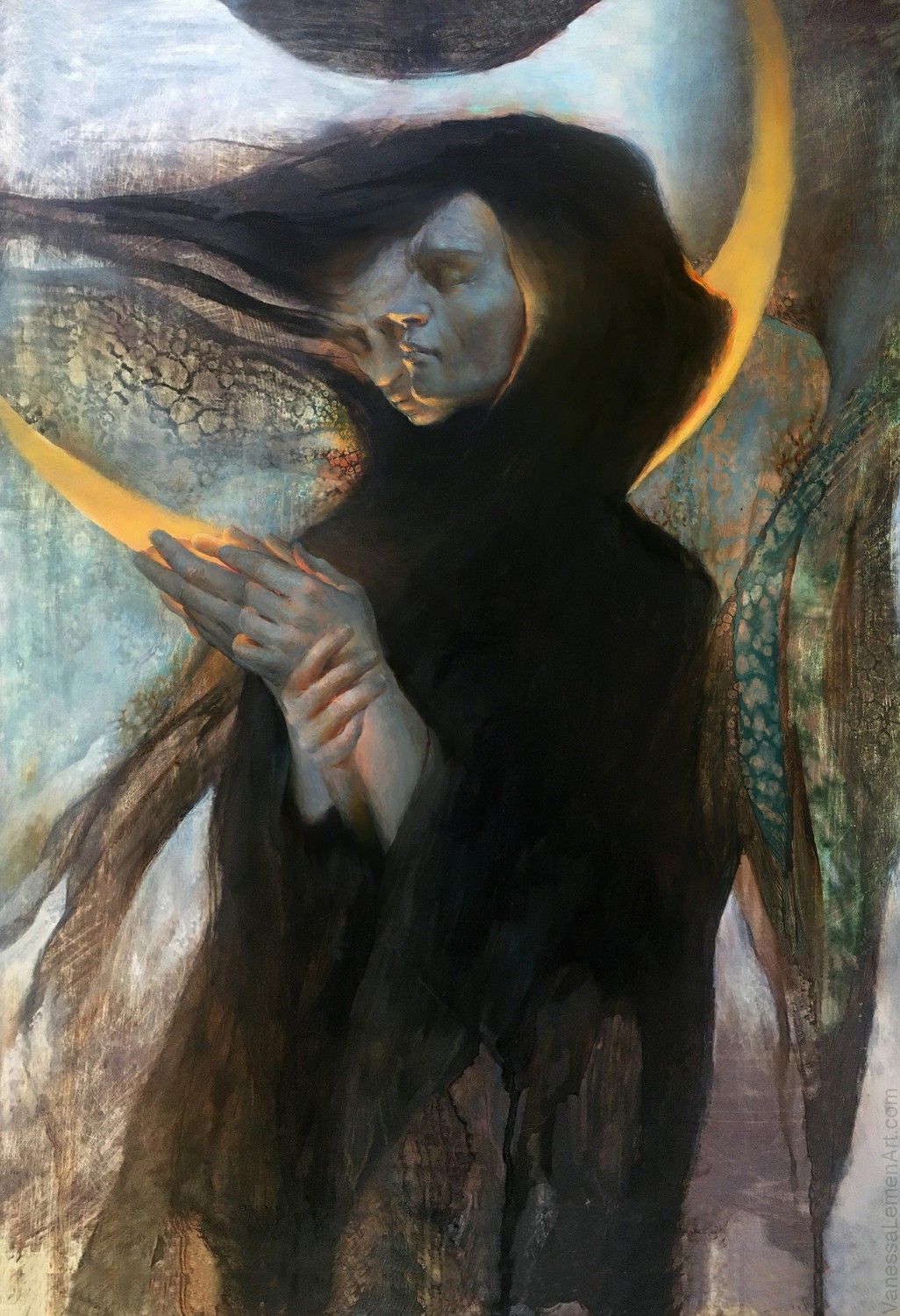
However, in alchemy this stage is perceived not as exclusively destructive and negative, but as absolutely necessary. Nigredo represents a necessary condition for the subsequent stage — albedo, reflecting the birth of true wisdom (Sophia, Sapientia). Accordingly, passing through nigredo is an act of purification: everything false, untrue, and unnecessary must be destroyed or transformed. And this means that without the primary encounter with Madness-Paraplix, the mind will never reach a state of clarity and will not see the light of Sophia. Sophia in this sense appears as the personification of the restored unity of mind, the attainment of inner harmony and clear gnosis. In other words, Sophia-Wisdom at the albedo stage expresses the transfiguration of the mind, its transcendence of duality, beyond delusions and illusions.
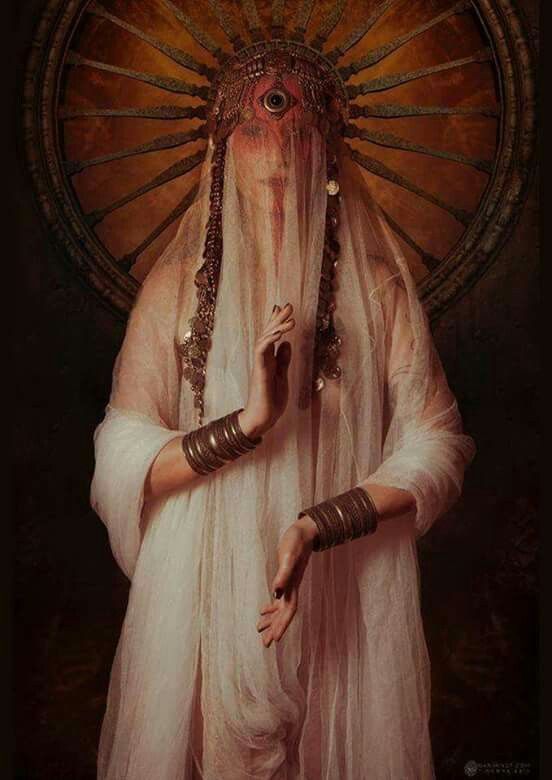
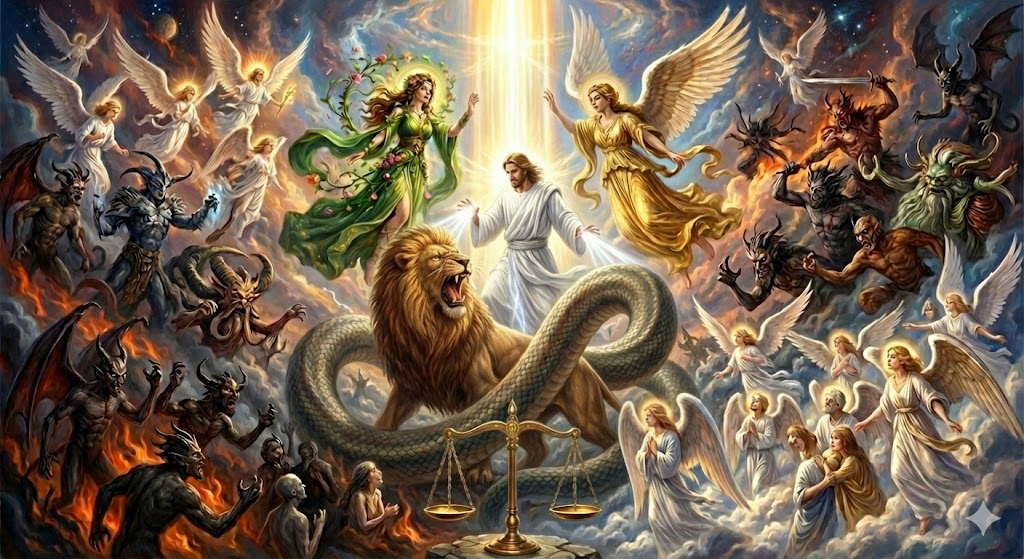
At the same time, it is important to understand that Paraplix — as the “immanent,” “female” face of the First Archon Yaldabaoth — is not a destroyer in the strict sense of the word, just as the Archons are not demons. Demons are distortions that arise within the universe, when the world process itself has already been launched, and only its internal energetic balances are disrupted. The Archons, on the other hand, are distortions that arose even before the worlds arose, and which served as the cause or mechanism of the emergence of limited and conditioned worlds. Therefore Paraplix is not a “defect of existence in the world”; it is the original defectiveness of the world itself, without which there would be no world. It is through Paraplix that transcendent Wisdom, Sophia, turns into immanent Madness, creating the duality on which the possibility of manifested being is based. The “echo of madness” is not an external anomaly but a constitutive defect of the very fabric of being: any distinction that does not end in transcendence inevitably returns as Paraplix.

Accordingly, as in the case of the other Archons, confronting Paraplix requires changing the very foundations of the psyche, its transition from “immersion in conditionedness” to an aspiration toward gnosis. Therefore only by recognizing in one’s mind the recurrent impulse of “maternal darkness,” the mind can turn it from a source of obscuration into fuel for ascent. Gnosis begins when the mind manages to hear the silence of Sige through the noise of Paraplix, when it becomes possible to awaken the capacity to discern, without falling into the illusion of the finality of form.
Practical resistance to the influence of Paraplix requires significant inner work aimed at transforming the mind and gradually freeing it from imposed structures and illusory models of perception. One effective practice is inner silence, or what in the Hermetic and Gnostic traditions is described as the “Silence of Sophia” (Sige). This is a process of stopping the psyche’s automatic reactions, inner dialogue, and uncontrolled mental noise that sustain the illusory activity of Paraplix. Another important method is the deconstruction of false knowledge and automatic cognitive patterns through systematic inner reflection, aimed at recognizing and critically rethinking one’s own beliefs, attitudes, and mental habits. An effective tool for this is Hermetic exercises of “disidentification,” when a person consciously calls into question the models of the world and of their own “I” that are habitual to them, consistently separating their true aware self from assimilated patterns and imposed “truths.” This makes it possible to gradually dissolve the inner supports that maintain the influence of Paraplix, and to free the mind for the cultivation of gnosis.
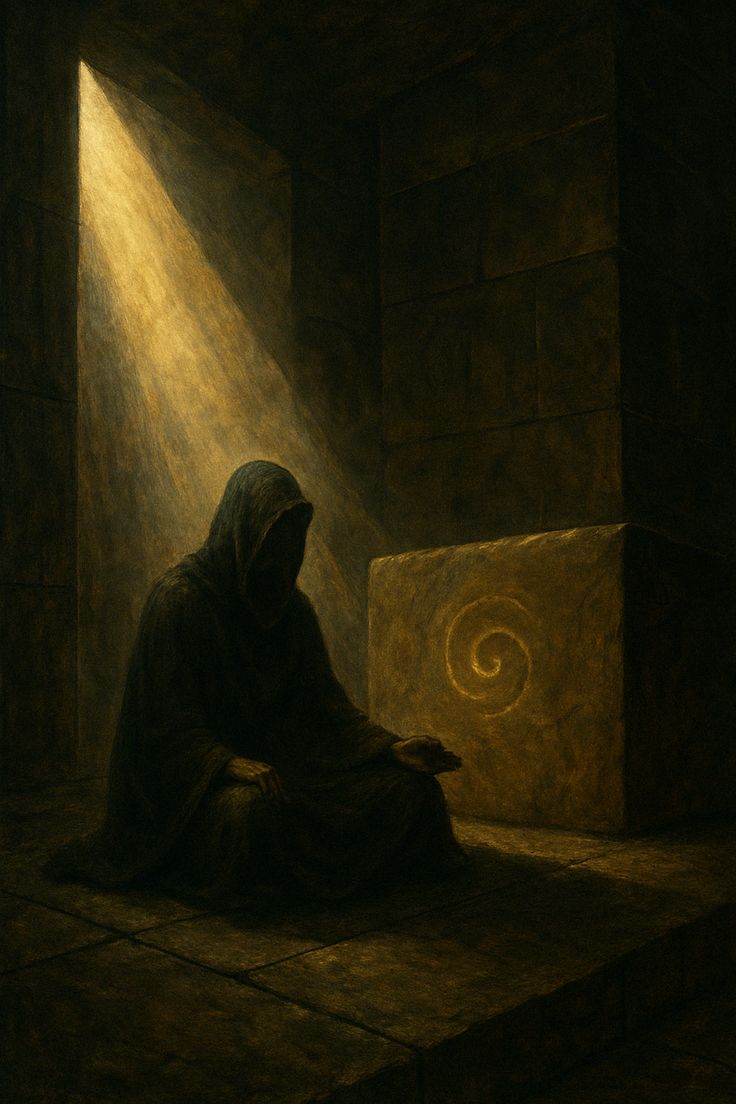
Another key practice is the development of “clear seeing,” or the ability to directly perceive reality without the distorting “filters” of Paraplix. Such a practice requires regular practice of attentive awareness, which is directed not at automatic reaction to external or internal stimuli, but at attentive recognition of what exactly is happening with the mind in each moment of time.
Finally, it is important to note that confronting archonic prisons requires regular psychic cleansing practices, as well as special rituals of “affirming truth” (for example, pronouncing names of power, passwords, aeonic and luminary yoga), and the gradual formation of a new inner core of identity based on direct experience of clarity and inner light.



How deeply. I’m glad that at least I understand what is being talked about (or as I think I understand). In any case, thank you very much for the article, respected Enmerkar
“a person stops seeking gnosis, contenting themselves with illusory substitutes like false security and simplified answers to complex questions.”
— But doesn’t the same thing happen when someone asks a neural network for answers instead of searching and figuring things out on their own? And, in my opinion, they lose the chance to gain knowledge through action, because they stop engaging with reality themselves—and the light of Abraxas no longer illuminates what they hadn’t noticed before, leaving them cut off from further understanding.
In my view, that’s not really the point—where and how a person gets material to think about, but how they use it. There’s no difference between asking an AI for an answer or digging it out of old manuscripts: if you run the answer through your own analysis and make sense of it for yourself, it’s just as productive; if you simply take it on faith, it’s just as sterile. The problem isn’t technology or neural networks—the problem is the state of your own consciousness.