Sacred Kingship
The concept of royal power as a sacred representation of the divine in the “lower” world is common to virtually all ancient states and cultures. The ensi and lugals of Mesopotamia, the pharaohs of Egypt, and the Roman, Chinese, and Japanese emperors were perceived not merely as rulers, but as forms of the living presence of gods and higher powers. European monarchies also reflect this notion: the word “rex,” which in one form or another is used to name the supreme ruler (and goes back to the Proto-Indo-European “rḗǵs”), literally means “king or ruler” and implies the same function of “connecting” the heavenly, the divine — with the earthly. And even where power was not initially sacralized (as, for example, among the Germanic tribes: Old English ‘cyning’ (kuningaz) literally means “Son of a noble family” and refers to a clan type of rule, while the Russian ‘korol’ derives from the name of Charlemagne, the king of the Franks, in the same way as the title “tsar” is a reading of the name Julius Caesar), it still over time acquired the same divine status that it had in archaic societies.
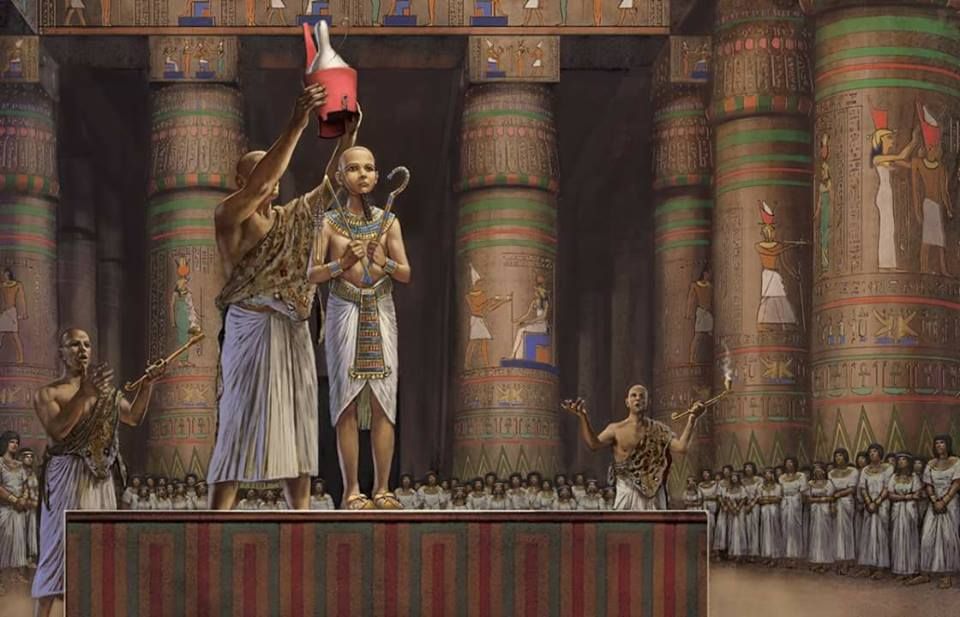
Great coronation ceremonies were always perceived as mysteries, sacred acts intended, firstly, to ritually prepare the ruler himself to become a worthy vessel for the divine, and secondly, to invoke the divine into a suitable vessel — the king’s body. Thus, coronation (right up to modern times) was understood as a mystery, a transformational and theurgic ritual bringing a deity into the world and thereby ensuring the presence of creative and vital forces through the ruler, for the people and the state. Even when power is inherited, true kingship is acquired precisely in the mystery of coronation; before coronation a prince or even a king is only a ruler (Greek βᾰσῐλεύς), and only after which does he become king (Greek κοίρᾰνος). Accordingly, coronation is always, in one form or another, theosis, deification, in which the very nature of the sovereign changes: he ceases to be the human he was before the ritual and becomes an exalted, supra-human being.
All the symbolic actions accompanying the coronation ceremony reflect this idea — the transformation of a human being into a deity — and the crown itself, the diadem, in this sense acts as a vessel of divine, transcendent forces, and the seat, the throne — as the new sacred seat on which a god dwells, and other regalia and insignia become divine attributes.
Therefore, in its highest and sacred sense the tsar, the crowned ruler, is always a being with a dual nature, joining Heaven and earth within himself and thus ensuring the presence of the divine in the world. The most ancient cultures developed two principal ways of achieving such unity.
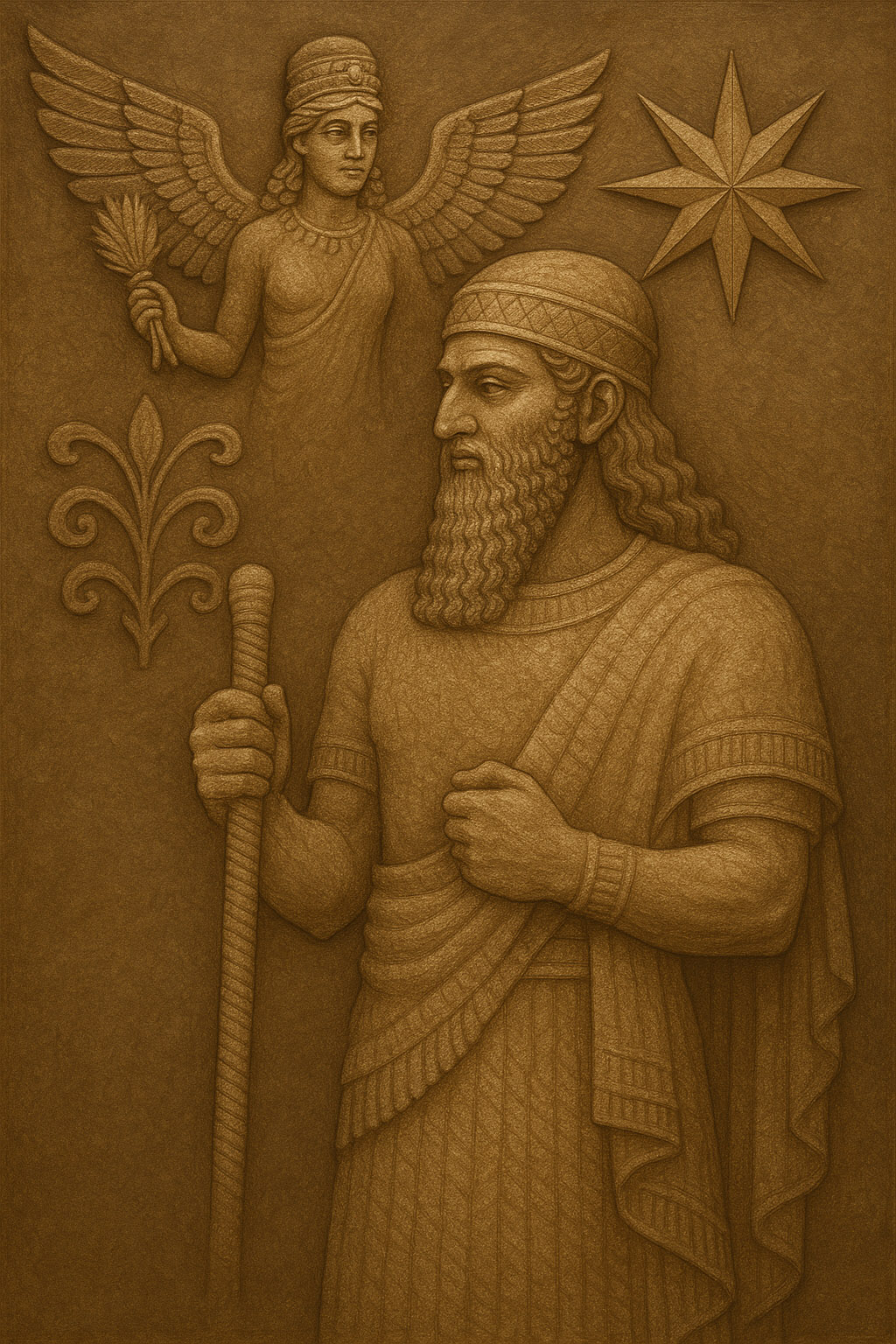
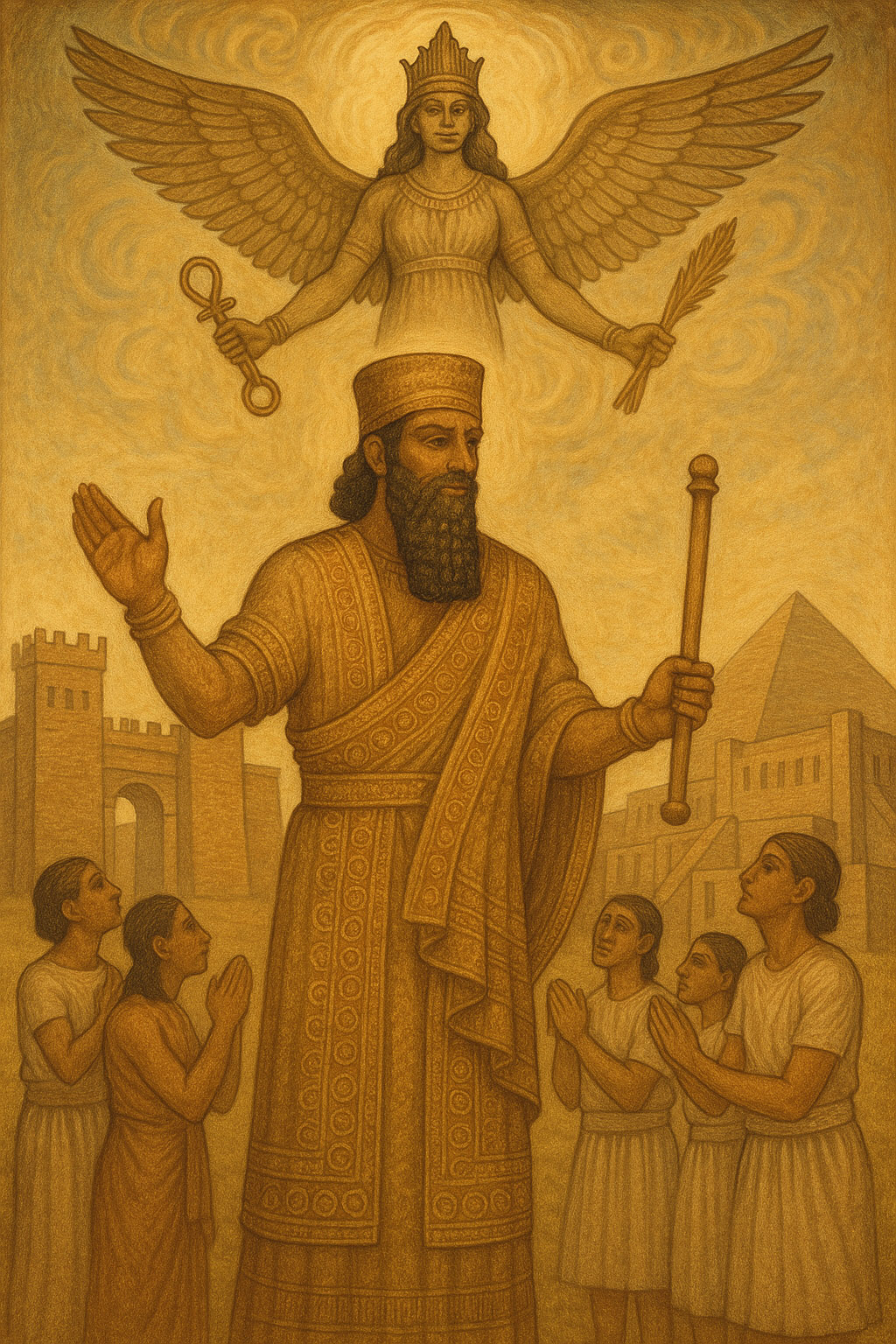
The first, known for example in the ancient Mesopotamian city-states, consisted of hierogamy — the “divine marriage,” where the king acted as the “earthly bridegroom” of the Great Goddess, and their union brought divine fertility, fertile forces to the earth, ensuring the continuation of life and the nourishment of people and nature. In this marriage the king, uniting with the Goddess, himself became a god, “inherited” from Her the higher power and thereafter acted as a source and distributor of vital and creative forces in the world under his rule. The task of the sovereign was to maintain order, the proper manifestation of laws or “divine models” — Me — in the manifested world, or, as the Sumerians and Akkadians themselves said, “to uphold me-sharu / kittu.” Each king in inscriptions emphasized that the Supreme god (usually Enlil or Anu) had chosen him through the mediation of the Great Goddess (Inanna/Ishtar). Accordingly, the marriage of the king and the Goddess is a cosmic “ignition” of creative currents, a ritual reproduction of the union of Power and Form, Potency and Matter. Through it, the king enters the bridal chamber as a human being and emerges from it already as a special and sacred bearer of heavenly grace. Thus, hierogamy in Mesopotamia is a ritual reenactment of the creation of the world, where the union of the king and the Goddess renews life, fertility, the universal law, and harmony.
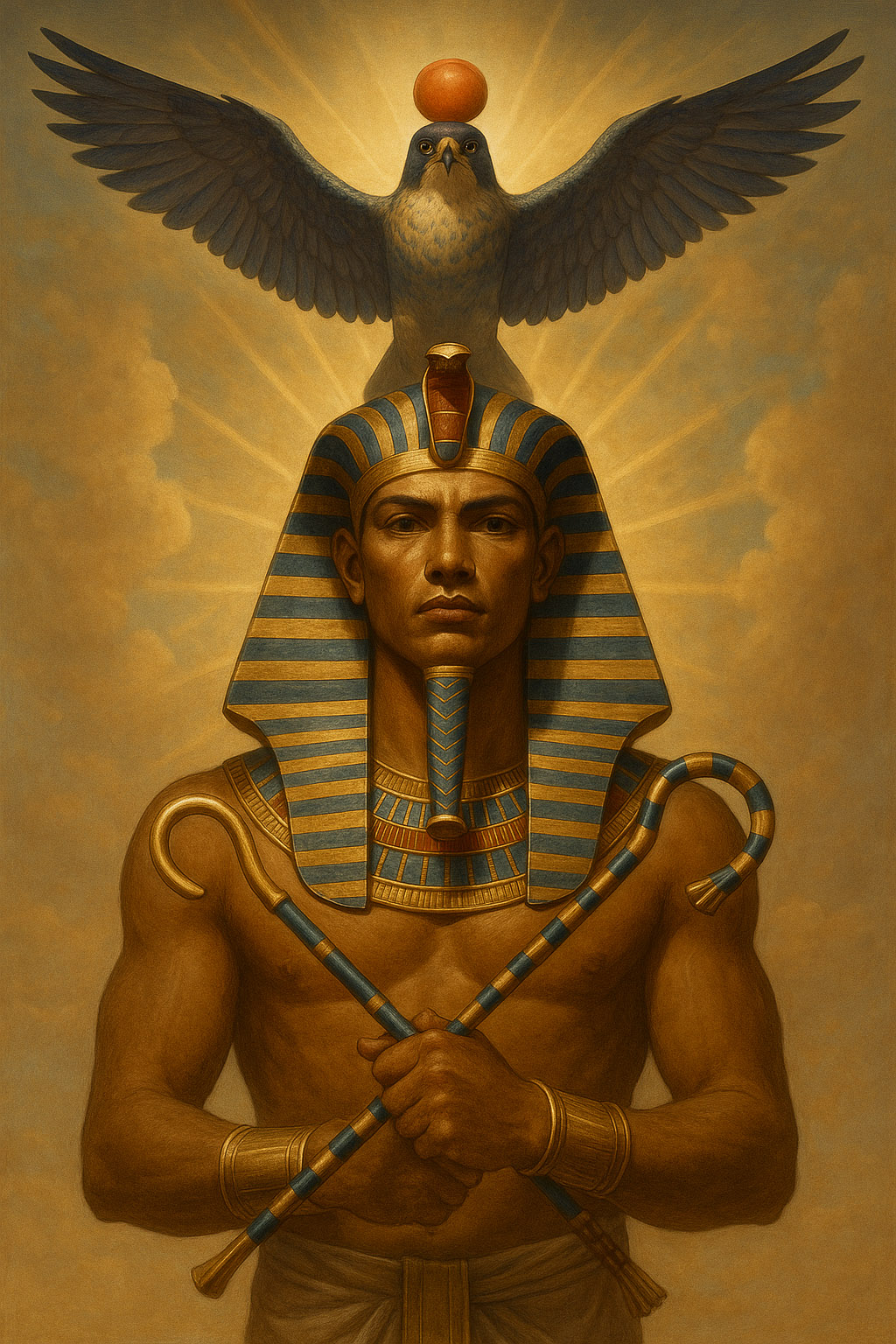
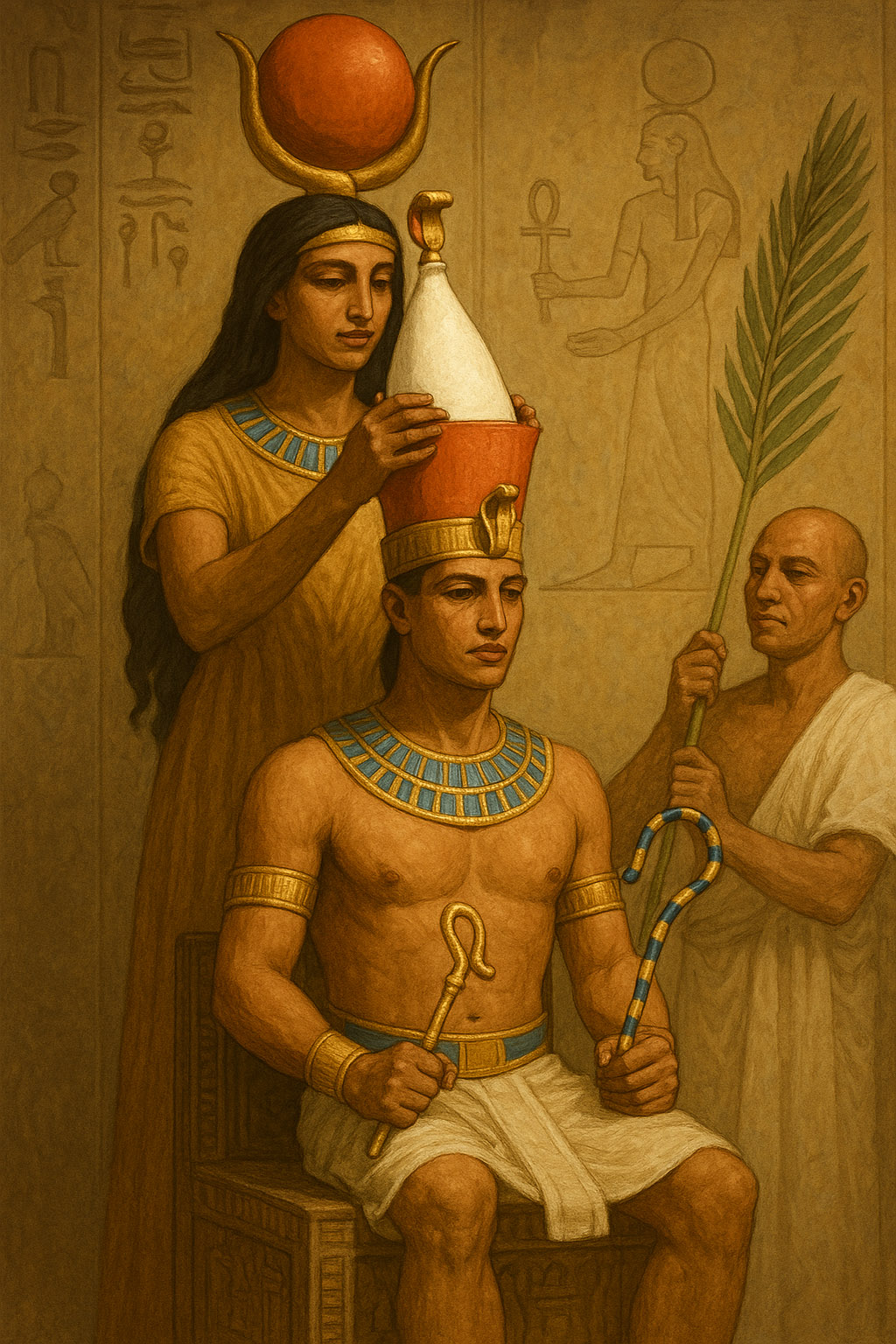
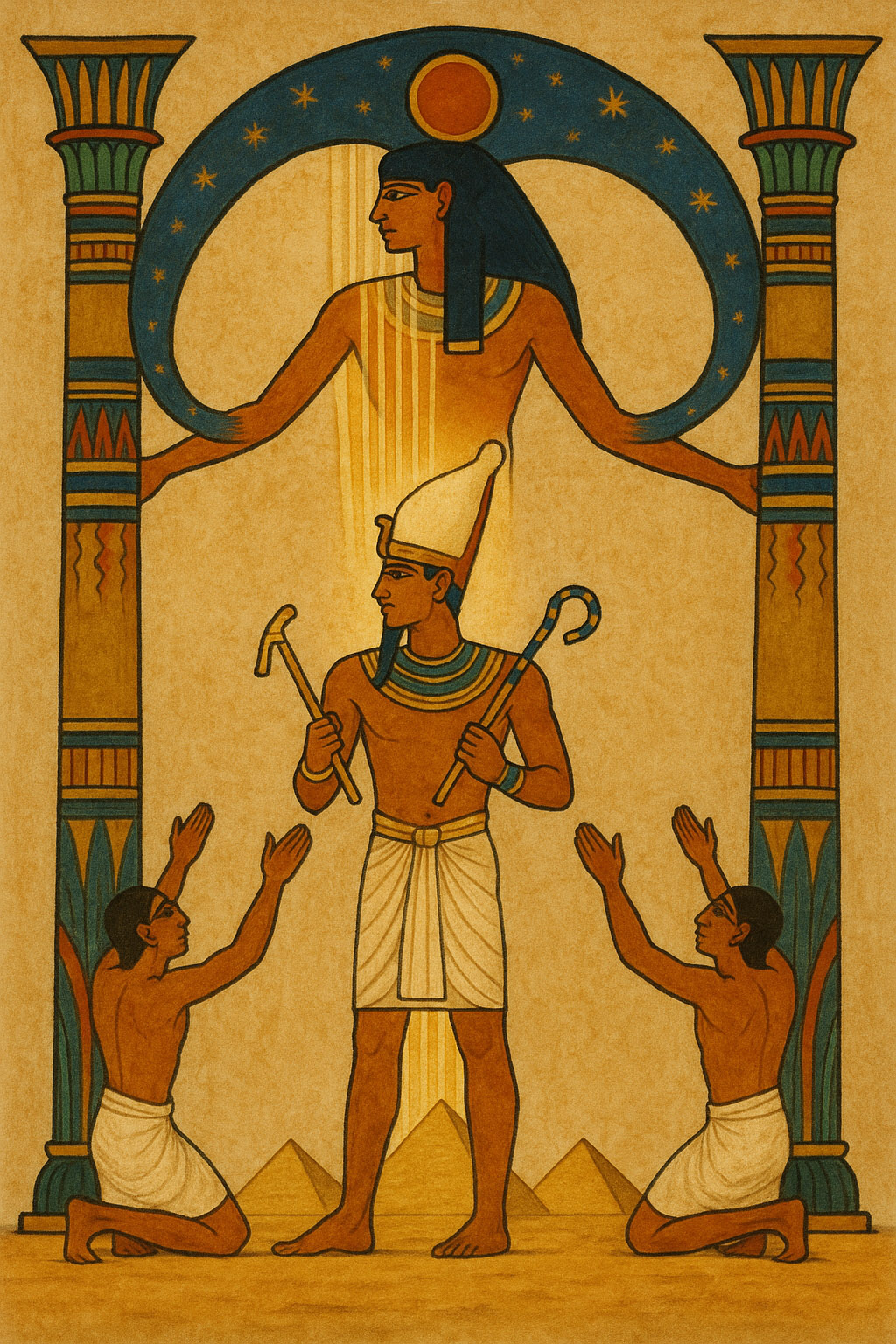
The second approach is the Ritual of Begetting, known for example from Ancient Egypt, in which the ruler, initially perceived as a “potential” son of a god, became his actual incarnation, and likewise acquired a “dual nature.” The ruler became the “flesh of the god” — just as Osiris is the cosmic Divine Body, and as his soul, ba, the Divine Horus manifested, just as the “soul of the world” is the Sun — Ra. Although in the Egyptian tradition the pharaoh was initially considered “nṯr n ḏt” — “a god in the flesh,” “sa Ra” — “son of Ra,” or “sa Amun” — “son of Amun” (in the New Kingdom), this divinity did not self-manifest; it had to be “activated,” realized through complex and multi-day coronation rituals, among which the main one was the Ritual of Begetting, and only then did the pharaoh become the living embodiment of the god’s “ka” (life essence). In other words, if in Mesopotamia divinity is assumed through marital union, then in Egypt it is “begotten,” but in any case its source is the Great Goddess. One might say that in this way the pharaoh underwent three births: as a human being, khat (in physical birth), as the god’s Ka during coronation, and then — as the union of Ka and Ba, and deification into Akh (on the Afterlife path). And through coronation — the ritual of begetting — the pharaoh becomes a continuation of the solar and cosmic order: he brings eternal time — neheh — to earth, and it is he who gives the earth breath, harvest, rain, and the very possibility of existence. And just as the Mesopotamian ruler had to ensure me-sharu, the pharaoh was the pillar of Ma’at, without which orderly existence was impossible. It is therefore unsurprising that the Egyptians began their chronology with the coronation of the next pharaoh: this Ritual “restarted” time, began an entirely new world cycle, was, in fact, a new act of creation and the birth of a new god.
One way or another, it is impossible not to notice that acquiring the dual nature of the ruler is always, in fact, a “tantric” act, the essence of which consists in ensuring the manifestation of the Great Energy of Life — in an imperfect world that lacks its own basis for prolonging existence.
From this point of view, the “imperfect” manifested world is not stable and is not an independent reality. It exists not “by right,” but “by grace”: only as long as the power of the Pleroma, Dao, Shakti, Life descends into it does it continue to exist. Consequently, the world must periodically be “renewed,” “recreated” repeatedly through an act of union with the divine primordial principle, and the ruler’s theosis is a way of sustaining the very existence of the world. As Hindu texts say about this, “Shakti manifests only where there is a worthy embodiment of Shiva; and conversely, Shiva without Shakti is a corpse.”
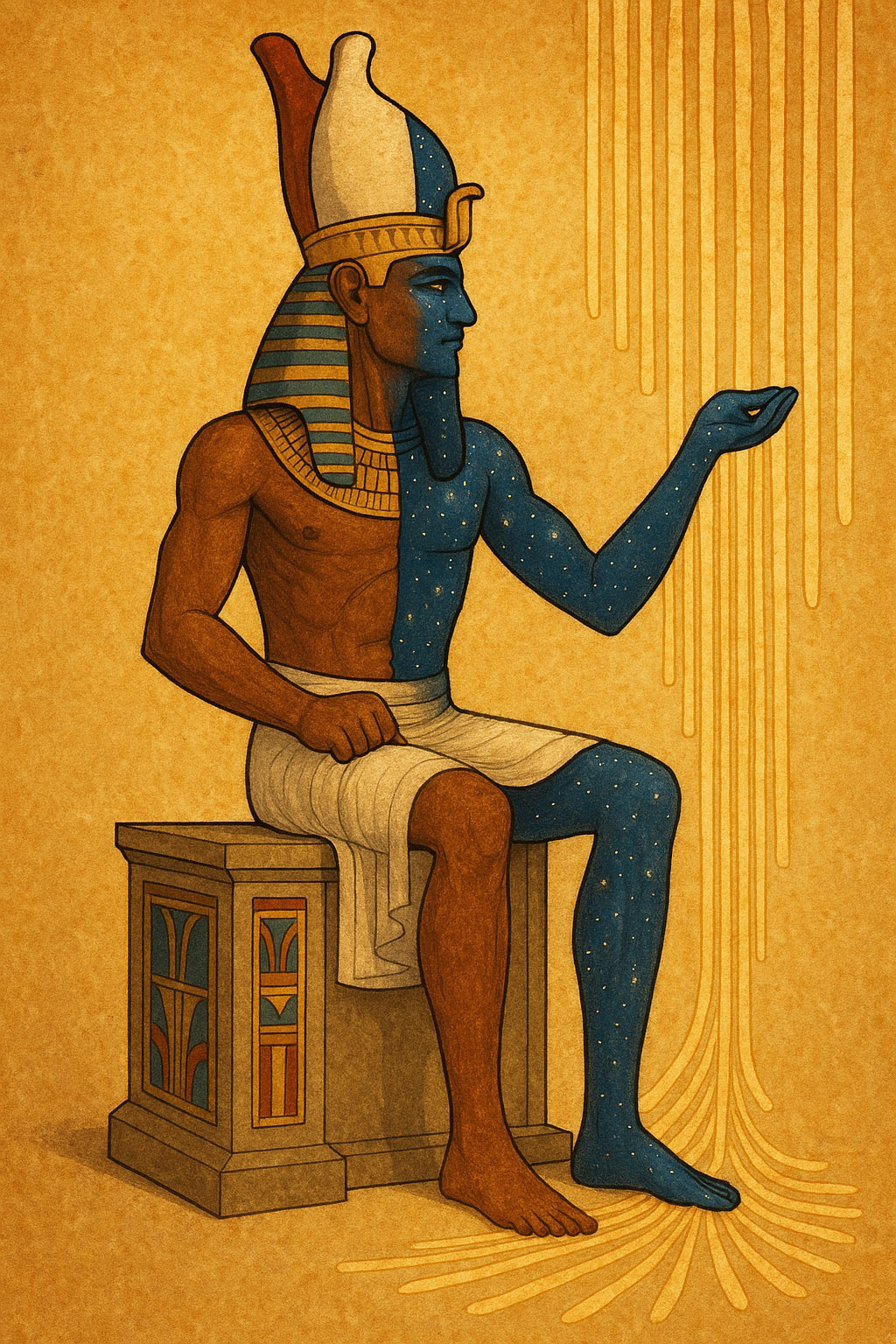
Accordingly, only one who has attained this dual nature is capable of begetting and sustaining life in all its dimensions.
Over time and with the development of humanity, the possibilities of theosis expanded. If, say, in the era of the Old Kingdom the Egyptians considered the possibility of “eternal life” open only to pharaohs, then already in the New Kingdom this privilege, provided the necessary rituals were observed and the proper knowledge obtained, became available to any person.
Accordingly, in the modern world the function of “sustaining the world” that was the task of the sacred and divine rulers of ancient civilizations becomes the task of every spiritually developing person. The world itself becomes ever more complex, and the beings within it increasingly dual, separated from the single current, and thus — to maintain this multiplicity of connections — more bearers of “sacred kingship” are needed, integrating within themselves the “upper” with the “lower.”
From a single sacralized king’s body, embodying the will and energy of the gods, the world has moved to multiple individualized subjects, in whom divine principles awaken through inner work. And under these conditions the ancient ritual of hierogamy acquires a new meaning — as a process of an inner alchemical marriage, the union of polarities, which gives birth to the “new human being,” integrated with the Creative currents of Pravi.
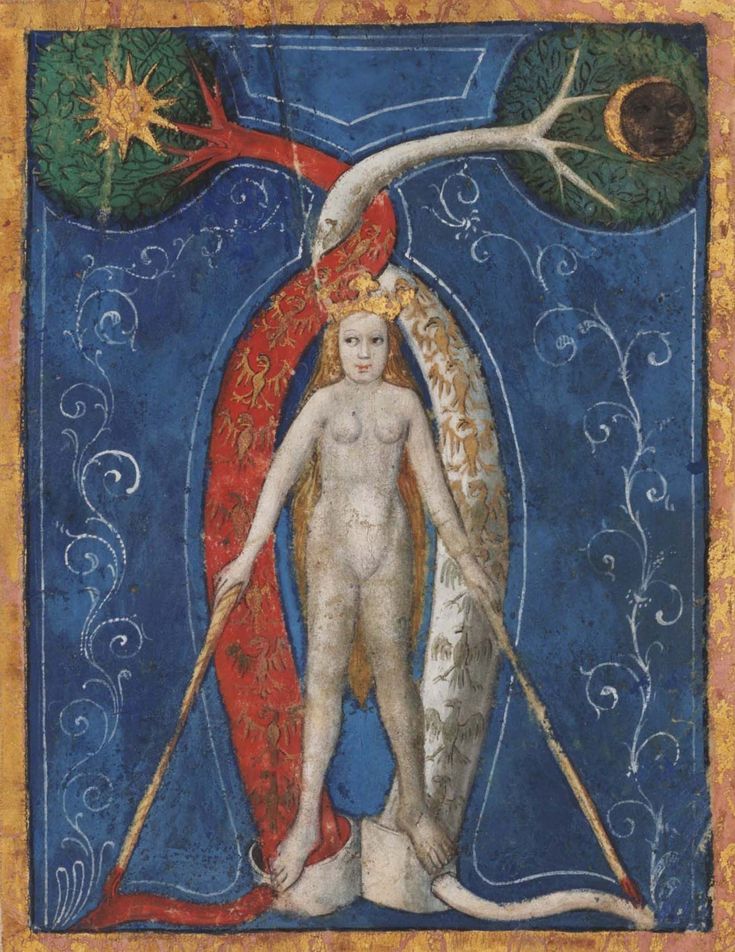
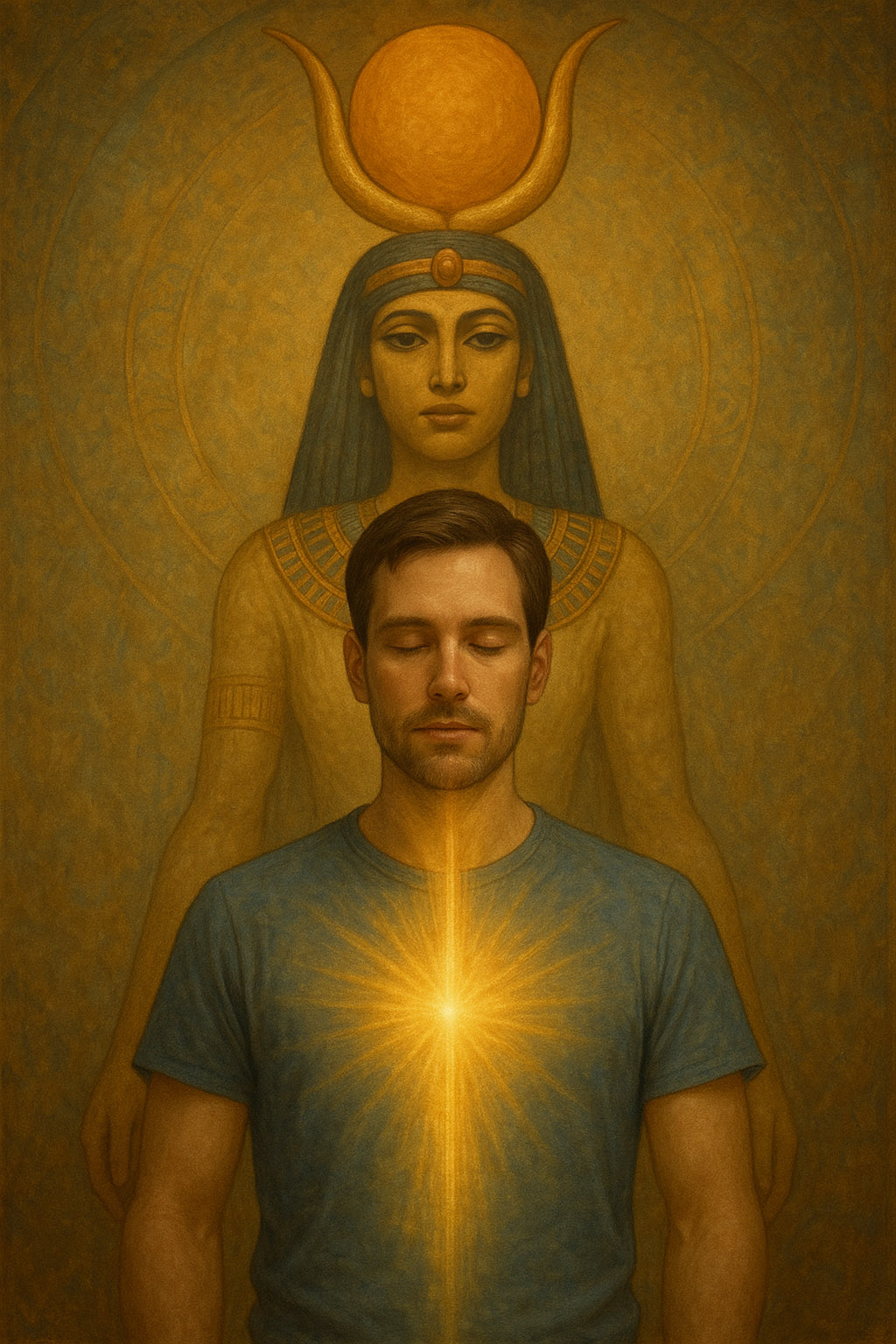
Thus, modernity demands work on creating a new type of bearers of sacrality — internally integrated, energetically and ethically awakened subjects, capable of holding their wholeness under conditions of fragmentation of the world and mind, disintegration and multiple currents. Such a Magus becomes a kind of bearer of unifying kingship, a focal point for forces through which divine energy flows into the manifested world. In this sense, the modern path of theosis is a historical and metaphysical necessity conditioned by the very logic of the development of mind and human civilization.
At the same time, such an integral person becomes a “bridge” between spheres previously connected exclusively by the ritual of royal power. And all that exists requires their participation, and therefore everyone who is able to unite the poles within himself — life-giving and mortal, transcendent and immanent — becomes a new conduit of the energy of life, a new point of support for structure and life in manifested reality. And in this lies a great responsibility and an important role of each person walking the path of development. Today it is no longer simply “unethical” to focus only on one’s own development; today it is impossible, because the evolution of each one is reflected in the entire universe.

Hello, Enmerkar.
A question arose. So, the more of such people in a given territory who allow the flow of creative energy to pass through them, the less susceptible to decay that space and that ‘world’ is? That is, such people act somewhat like Atlanteans who ‘hold’ a certain world on their shoulders, influencing the general field of events and ‘stitching’ the cracks that arise in it?
Is it possible to draw an analogy with time, saturating any world through divine sparks in the hearts of people who, like uranium rods, produce this primary creative energy, thus ‘redeeming’ the world from global entropy and preventing its thermodynamic decay?
Is it possible to draw a distinction here between the passage of this energy, conditionally, ‘from above’ – from the transcendent face of the Absolute, and from below – from the immanent?
Thank you for the article; it has been perfectly synchronous with my current reflections.
Hello.
Yes, absolutely correct, people determine the stability and capacity for the evolution of the world.
It is like in the biblical story when God promised to spare the city for the sake of ten righteous people – people resist entropy within themselves, and thereby – also around themselves.
This is a stunning article with amazing conclusions! Thank you