
Bokánachs and Satyrs
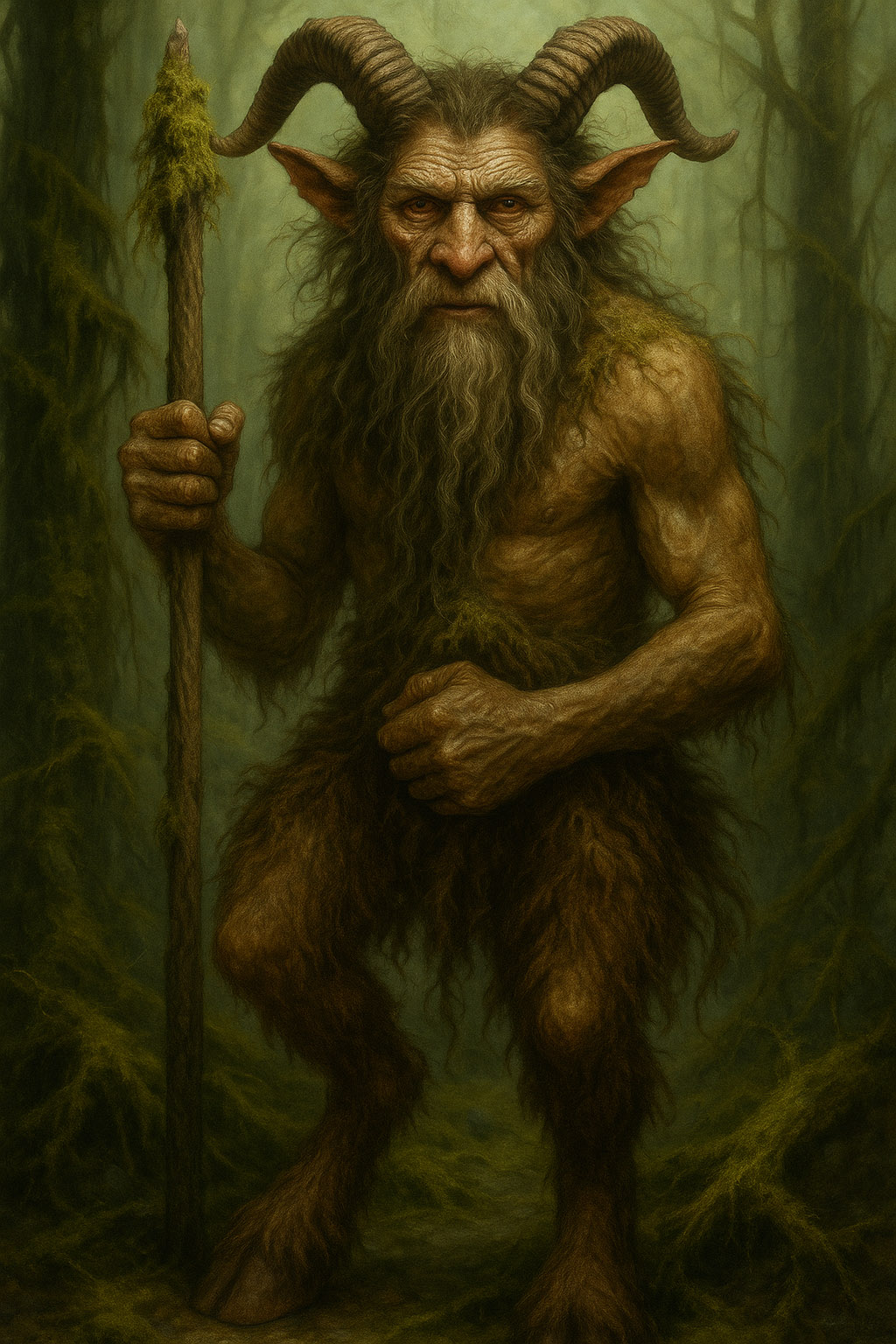
Among all the diversity of beings and entities with which the human mind can interact in the natural environment, of particular interest are bokanachs — special “hybrid” beings that arose from the fusion of faery fluidity and Vanic elemental force. It is well known that the Vanir are the forces that shape the flows of Zhiva, gods of life and fertility, but also of wildness and elemental vitality, who give birth to, sustain, and embody nature’s primary phenomena and processes. This union of natures proved to be a unique energetic and psychological synthesis, the outcome of interactions that took place in the most ancient times between natural forces and transitional structures of consciousness. According to legend, during the battles between the most ancient faery (with the Vanir at their side) and the Fomorians, raging at the dawn of the shaping of the Middle World, some members of the Fairy Folk drew so close to one group of the Vanir — the fauns — that they effectively adopted their nature, adding it to their liminal nature and nonlocal character.
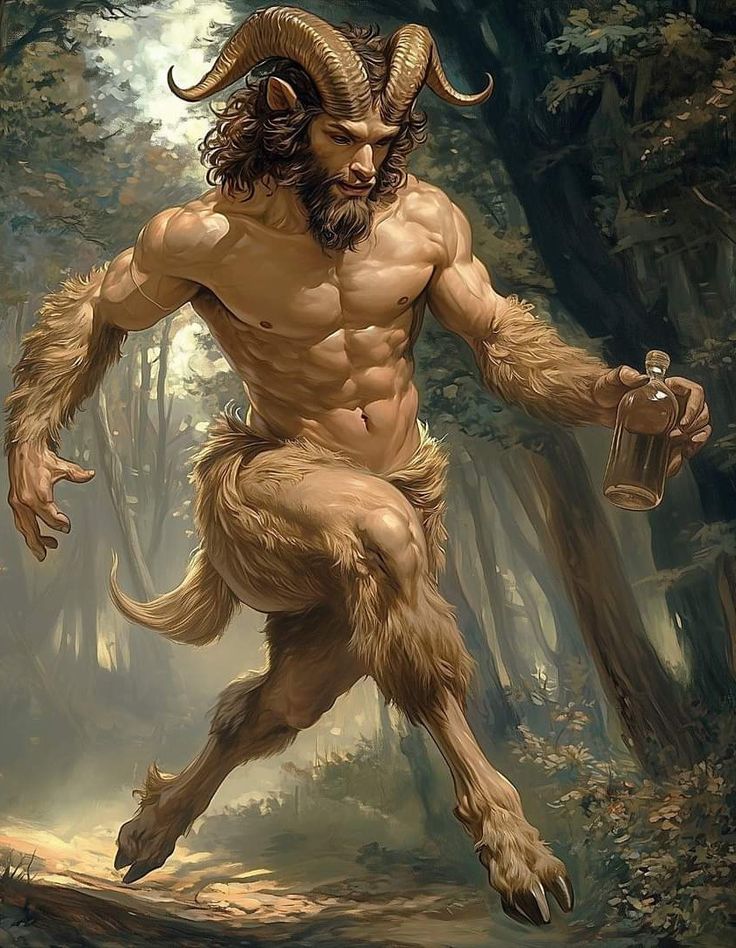
Fauns, as representatives of the stikhialia, a group of “lower” Vanir, embody the energies of elemental life — earthly, bodily, fertile, and rhythmically recurrent. Their characteristic “goat-like” iconographic traits (horns, hooves, fur) express unity with animal life, its primordial spontaneity and force. Faery, by contrast, as beings of the Threshold and the Interworld, represent realities that are fluid, changeable, linking worlds and spaces. Thus, at the intersection of these two kinds of energies, when wild nature meets the transcendent boundary, special beings arise that possess unique power and wisdom.
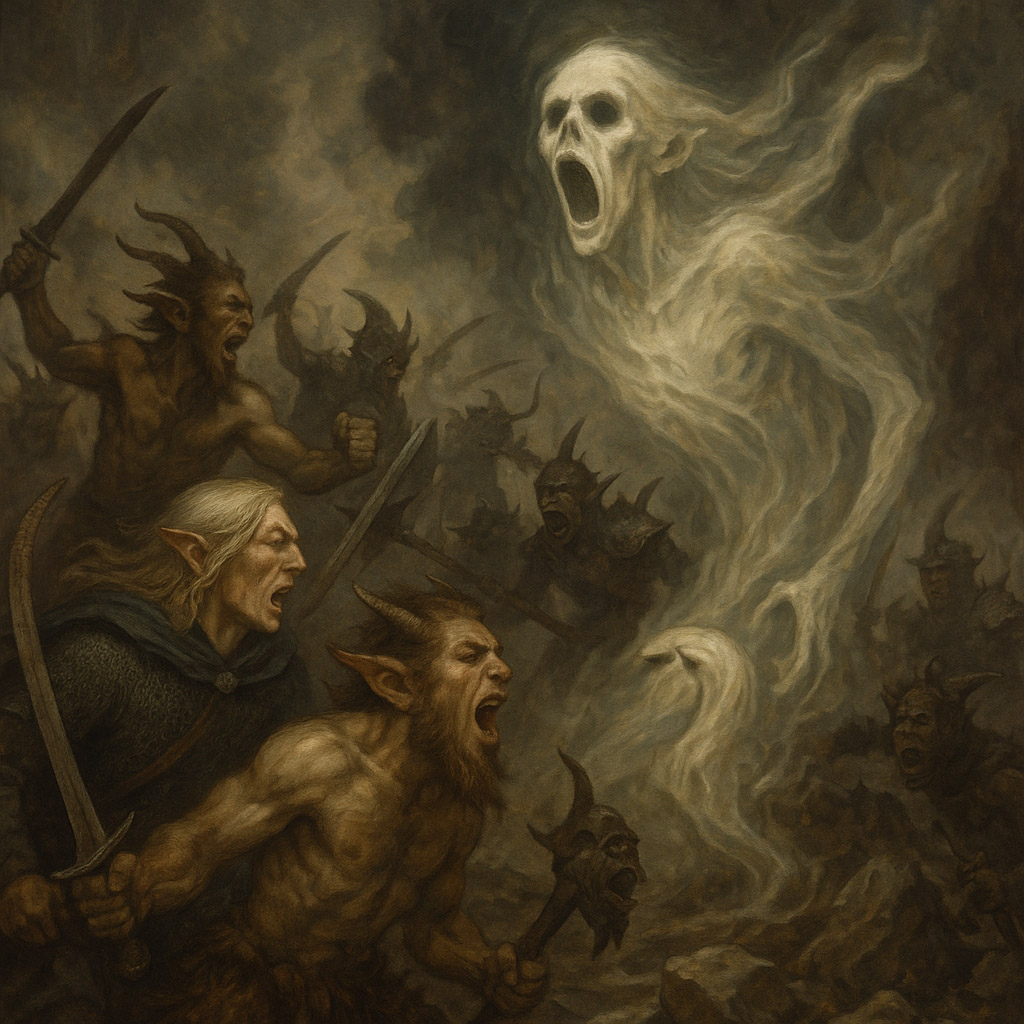
According to legend, the bokanachs first manifested as liminal entities under the conditions of battlefields — spaces where the boundaries between life and death thin, and the currents of fate become especially palpable. The Faery Chronicles place this in the age of Nemed, after the battles of the álfar — the predecessors of the faery — with the Fomorians. The bokanachs, born in these “shoulder-to-shoulder battles,” from the alliance of faery and stikhialia, at first acted as active participants in catastrophic events; their acoustic manifestations — embodied screams of pain and triumph — were vibrations expressing life’s constant struggle with chaos. The “Chronicles” describe this poetically as the “condensation” of joint songs — lament or triumph — sung by faery in chorus with the fauns. And just as banshees appeared from the howl of mourners, so the bokanachs were born from the chorus of those ancient battles.
At the same time, unlike the typically “light” faery, the bokanachs became an expression of the darker aspect of the elemental world. They are at once children of forests and of battle, forces of emotional surges, terrible dreams, and prophecy. Their appearance largely inherits from the fauns — semi-animal, yet more horse-like than goat-like — with hooves and huge brown, often amber eyes. This indicates their belonging to the wild, untamed side of nature, which does not yet know ordered morality and possesses its own ethics, manifested in dances, roars, instincts, and responses.
In the Irish tradition, bokanachs (bocánach) were described in their “original” form — goat-like spirits of battlefields, often indistinguishable from the bánánach — beings that hover over places of bloodshed as an acoustic expression of battle.
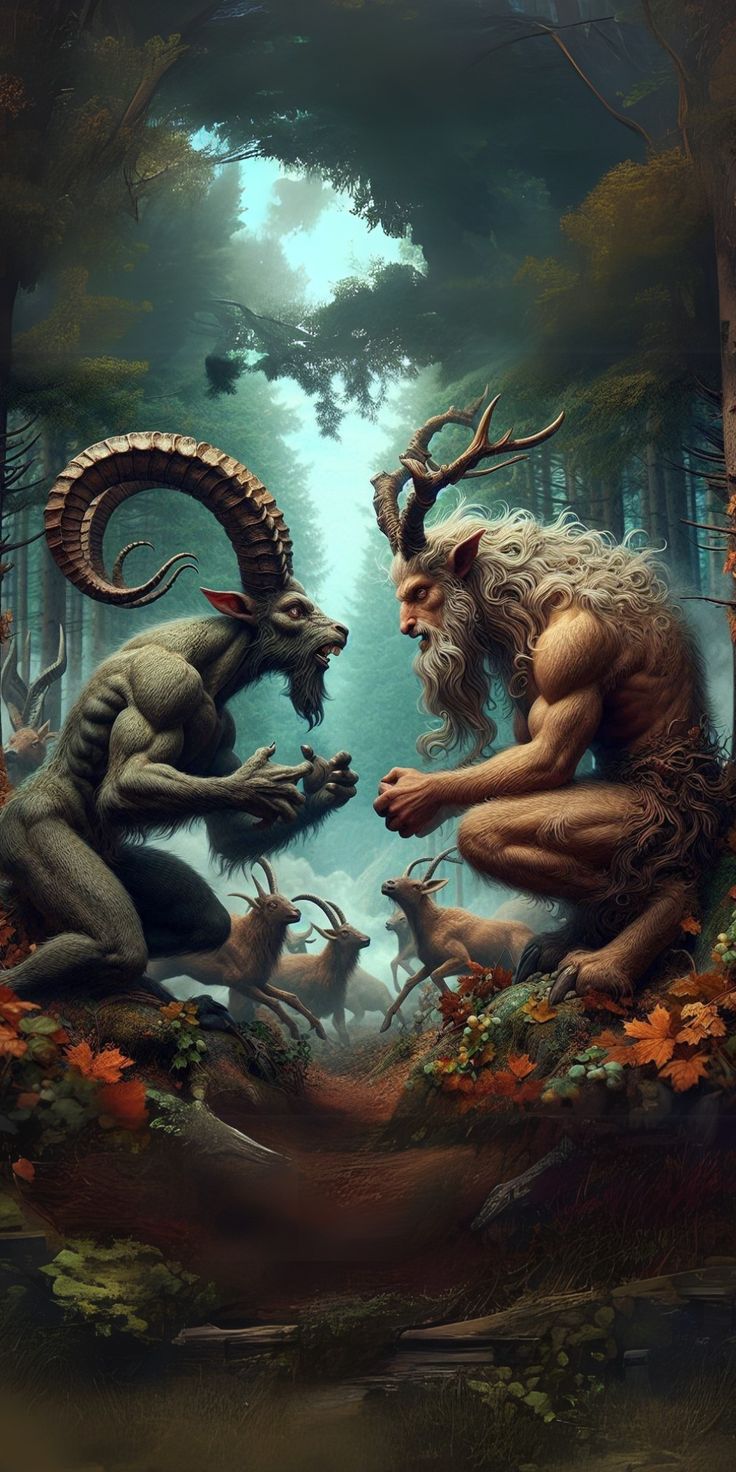
However, in a broader sense their role is not limited to a post-mortem meeting of souls. They are distinctive entities, mediators between worlds and the Interworld in its elemental aspect, beings that channel the energies of death and destruction into new forms of existence. One could say that bokanachs are beings of initiation through battle, of transcendence through active confrontation. By using the energy of pain and dying, they activate transformation and passage, the change of forms and bodies upon which the flows of mind depend. This is a singular form of energy, partly akin to the Valkyries, who also “balance” on the edge of life and death, acting in a liminal space and ensuring the dying’s passage into new forms. Yet bokanachs express a particular “wisdom of the fallen,” one who does not merely ready themselves for transition but crosses the threshold between life and death in the heat of martial ardor, at the peak of elemental, instinctive, and the deepest psychic processes, and to whom, in that moment, special visions of the meanings and aims of the universe are revealed.
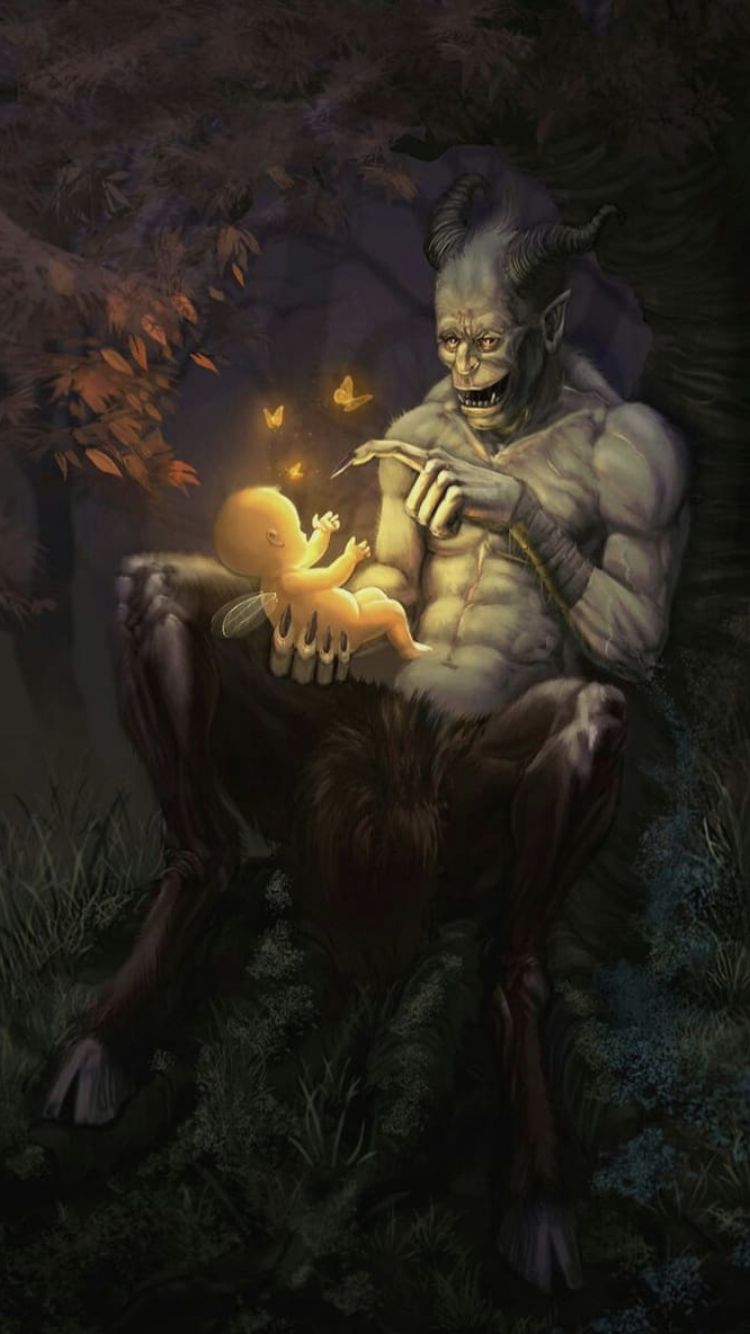
Over time, the more peaceful strand of the bokanachs evolved into satyrs — beings who joined the retinue of Dionysus, one of the primary deities uniting bodily and spiritual principles. Dionysus, in his present aspect, paradoxically unites the cosmogenic and the chaotic, the divine and the bestial, the meaningful and the ecstatic. His retinue embodies such a duality, each pole of which forms its own group of beings:
- Fauns — beings associated with instincts, fertility, and bodily joy. Their goat-like nature symbolizes life force, uncontrolled and pouring forth in laughter, dance, and lust.
- Satyrs and sileni — beings with equine traits (ears, tail, hooves), representing structured energy of movement, purposefulness, and rational mastery of natural power.
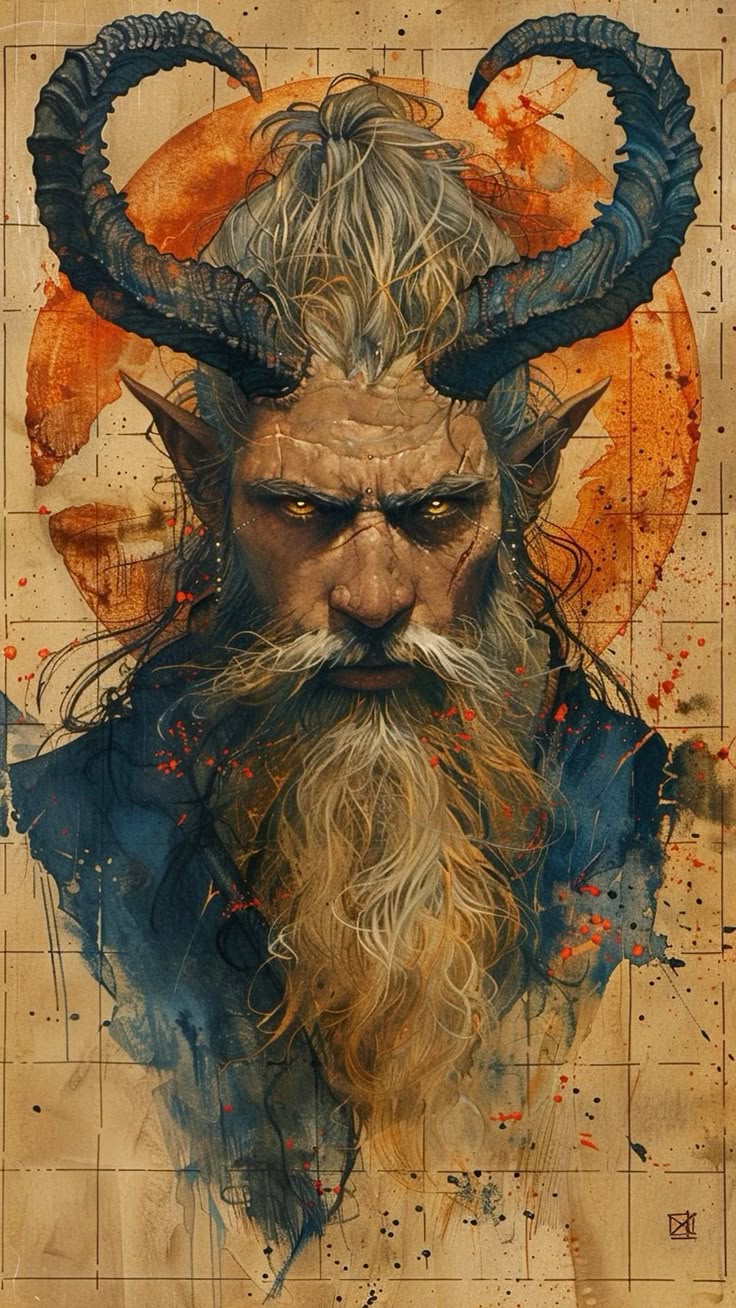
Accordingly, satyrs, as direct heirs of the bokanachs, are beings in whom the elemental energy forged on battlefields and carrying wild nature within it becomes an instrument of creativity. The cries of the fauns, infused with faery energy, transmute into the wisdom of the sileni, into their music, dance, and poetry.
Sileni, the “aristocracy” of satyrs, are distinguished by profound wisdom, spiritual maturity, and philosophical depth. They often serve as mentors and guides to sages and heroes.
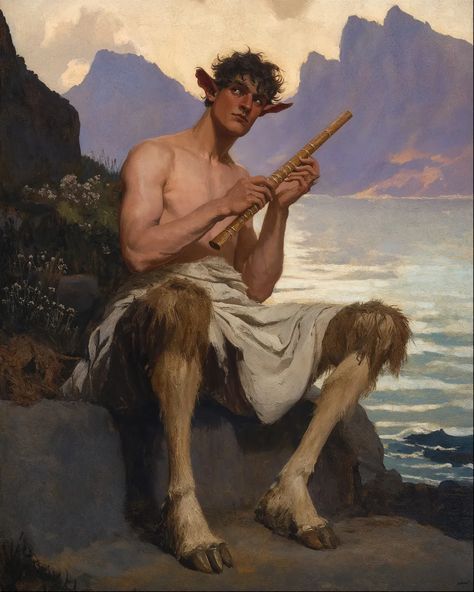
Thus, the emergence of satyrs marks an evolutionary transition from wild energy to directed movement, from bokanachs to satyrs, from cries to songs, from battlefields to feasts and mysteries.
We have already noted that, according to ancient Greek views, satyrs, fauns, and nymphs form a triad of elemental deities representing the masculine and feminine, the instinctive and the rational, the bodily and the inspired:
- Fauns — the embodiment of male instincts and creative, fertilizing energy; they express the bodily, unreflected side of life.
- Satyrs — a synthesis of male instinct and reason, actively channeling energy into creativity, music, and eroticism.
- Nymphs — female spirits of nature, expressing its fertility, beauty, and inspiration.
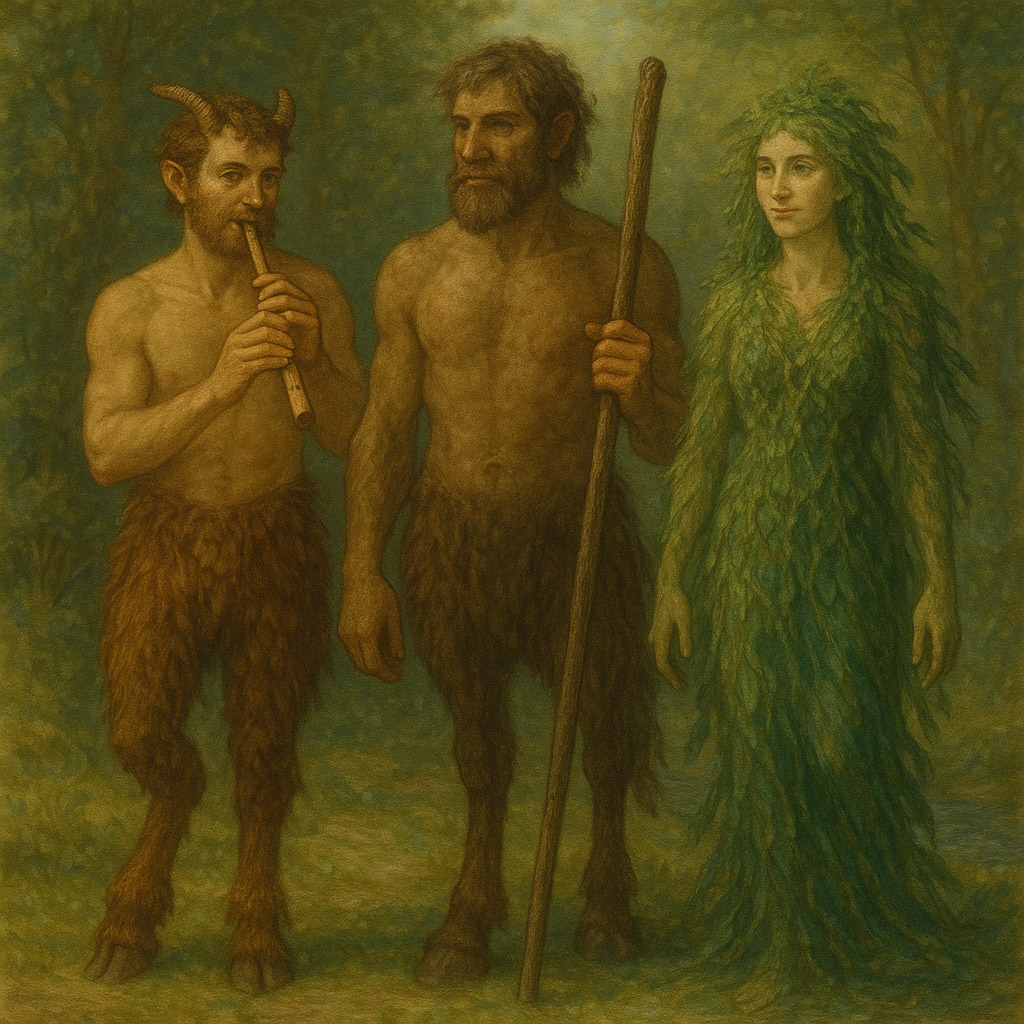
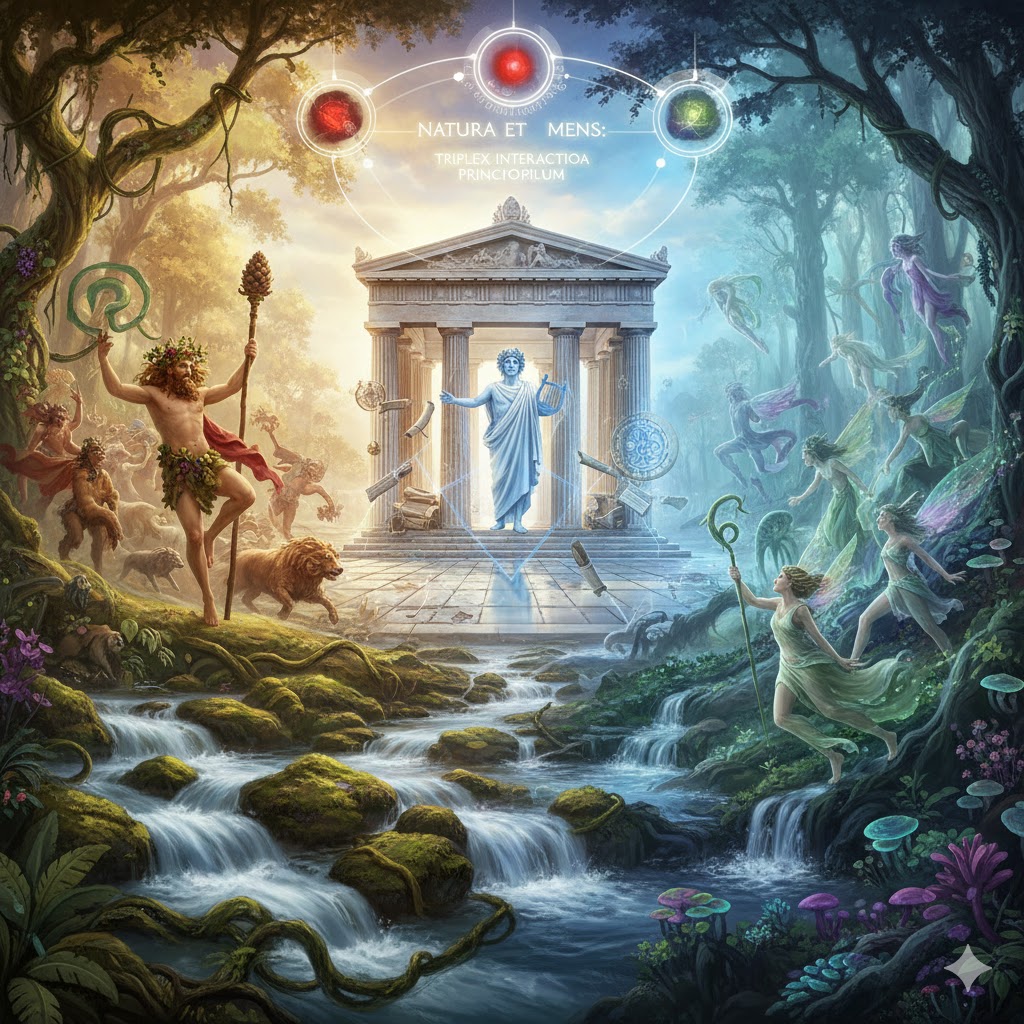
Their interaction in Dionysus’s retinue expresses the harmony of three principles of nature: body (faun), psyche (satyr), and sensuality (nymph). Dionysus, as god of life, mystery, and initiation, unites them into a single structure of current and the surge of life energy.
Accordingly, bokanachs, which arose from the fusion of faery and faun energies, embody the liminal zone between death and life, wild nature and meaningful celebration. They are the first manifestation of this synthesis, from which the lineage of satyrs later develops — wise mediators between the bodily and the creative.
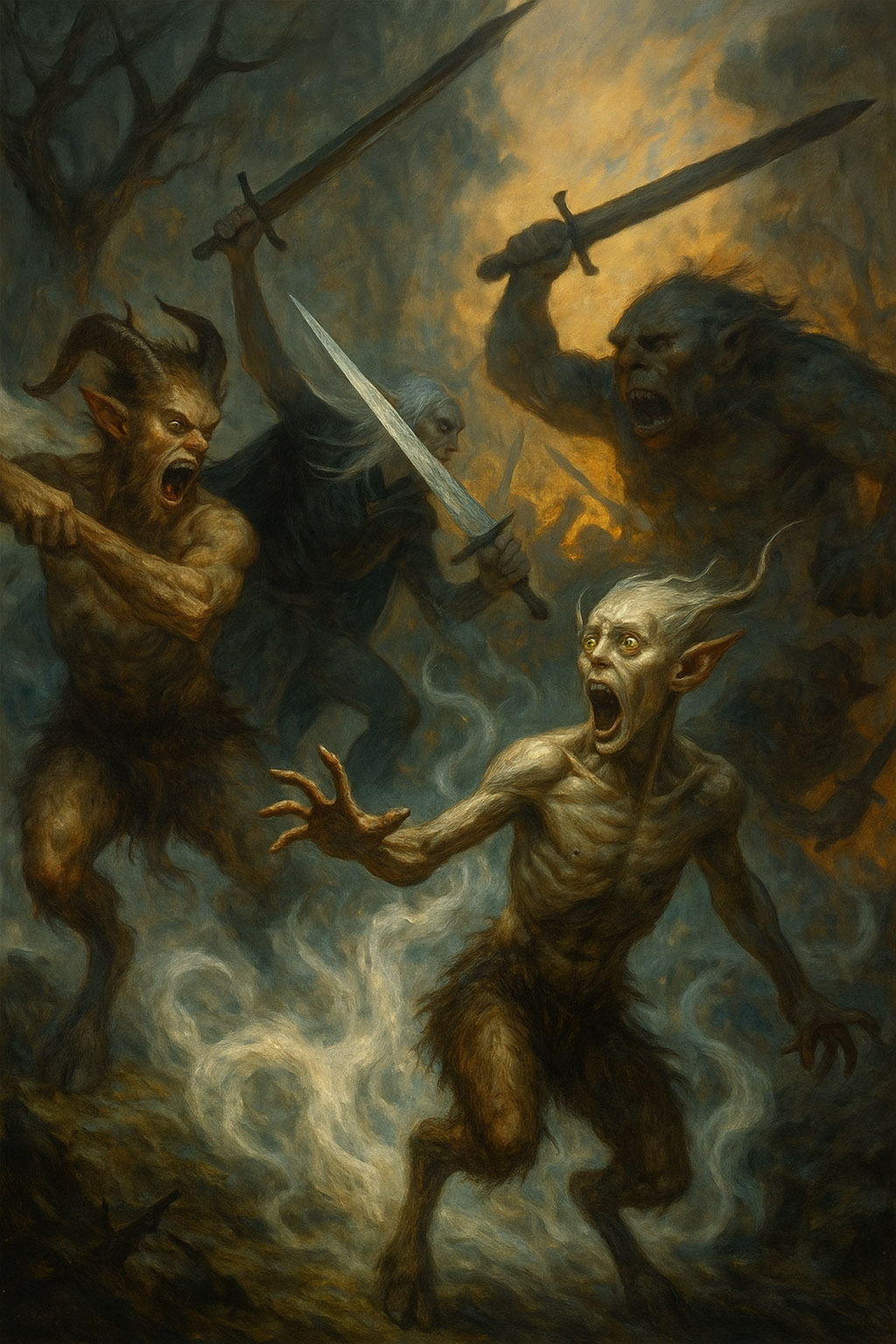
In this sense, one might say that satyrs are “cosmic bokanachs,” having traveled the path from a howling scream to musical rhythm, from the battlefield to the groves of Dionysus. Satyrs are wise, yet also elemental, perched on the boundary between reason and natural impulse. They do not reject their animal nature and they do not submit to it, but rather transcend it and transform it into creativity, play, love, and triumph. Their origin reenacts the Dionysian mystery — the mind’s Way through ecstasy and chaos to attain the form of celebration, wisdom, and creative power.
Having arisen from the intersection of three energies — the wild fertility of the fauns, the transitional fluidity of the faery, and the liminal militancy of the bokanachs — satyrs thus express an integral state of natural-spiritual harmony in which the bodily, soulful, and spontaneous principles merge into a single current.
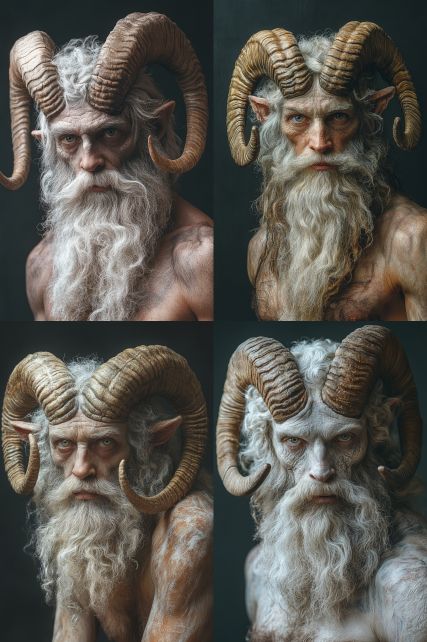
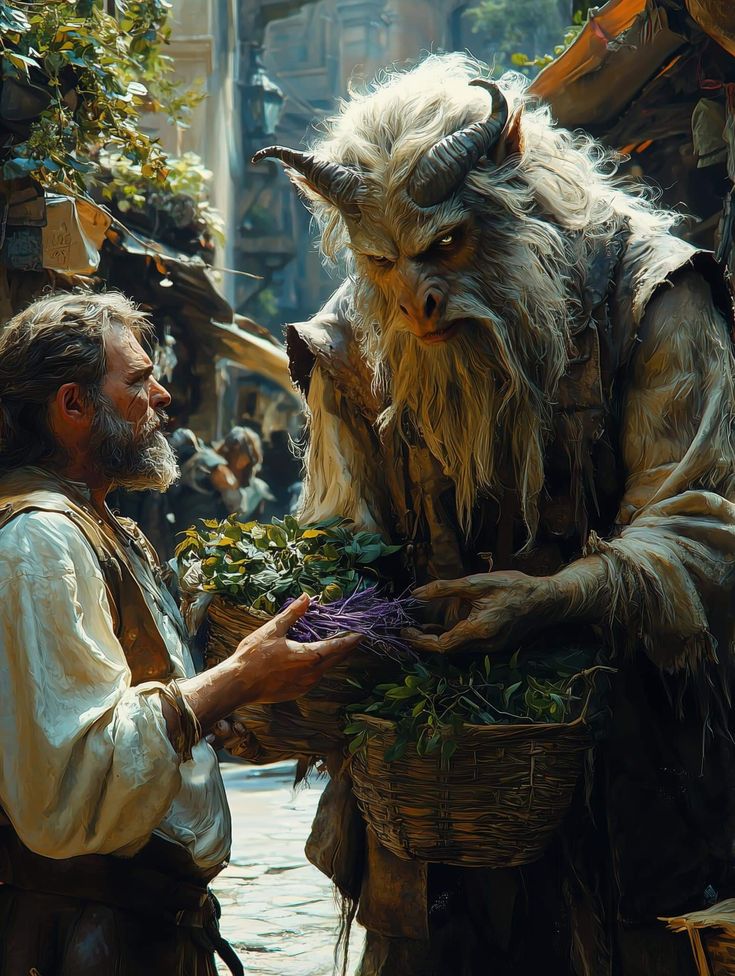
It is clear that, being simultaneously an embodiment of instinctive vitality, interworld sensitivity, and an initiatory breakthrough, satyrs can be uniquely valuable mediators between human and nature, between body and mind, between destruction and renewal. Their energy, activated in theurgic operations or even in an accidental encounter, can be used for deep integration of the flows and matrices of the psychocosmos, helping the mind restore connection with the natural basis of its manifestation, transform traumas into creativity, and revive the current of direct, pre-descriptive perception of the world. Even an encounter with a “dancing and screaming” bokánach may turn out to be the most valuable initiatory event for a human, and interaction with a satyr (and all the more with a silenus) is practically always a most powerful evolutionary push.
Therefore, in the modern era — characterized by a palpable loss of a sacred view of nature, pervasive technologization, and a fragmentation of perception — turning to the energies of satyrs and their ancestors — the bokanachs — can become an effective way to restore the natural, simultaneously organic and ritual, rhythm of life that contemporary humanity so sorely lacks.

I sincerely enjoyed reading. Thank you!
As always – a cool article! Thank you