Winds and Rivers
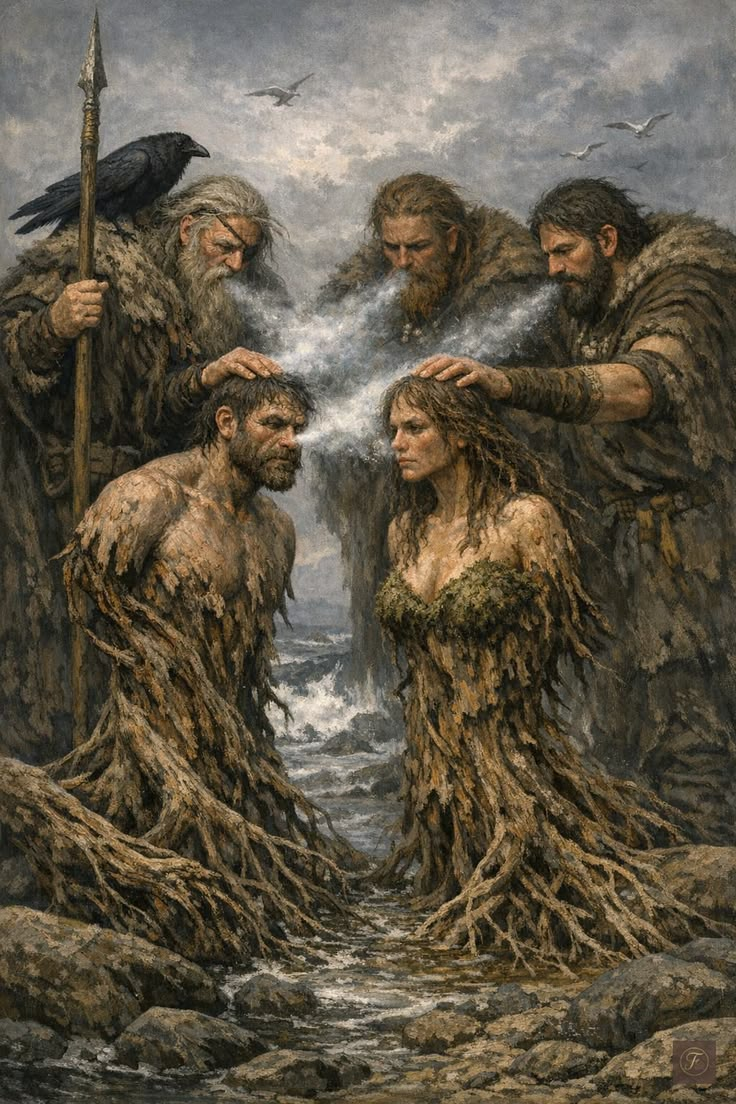
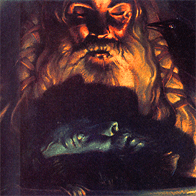
Among the three gifts with which the gods endowed the first humans, two are usually named in words so close that their difference slips away — not only from ordinary readers, but even from many serious researchers. “Völuspá” tells how three Æsir found Ask and Embla on the shore, “of little might” and bereft of fate: they had neither önd, nor óðr, nor lá and fair appearance, and Odin granted them Önd, Hœnir —Óð (wōð), Lóðurr —Lá and appearance.
These gifts can be correlated with the three Tribes of the gods: Lá, the bearer’s vitality and warmth, is the “fire of life” given by Lóðurr (Loki), the god of fire, and by which the Vanir themselves live; Óð is the gift of the Æsir, Önd— of the Alfar. The two “higher” gifts named here are precisely two kinds of inspiration, yet their natures are entirely different: Óð sweeps in like wind and gives the Power to overcome, whereas Önd flows like a river and carries the mind into the world’s depths. Their conflation has pushed the quieter Önd out of our experience and our language, though it is no less vital than Óð.
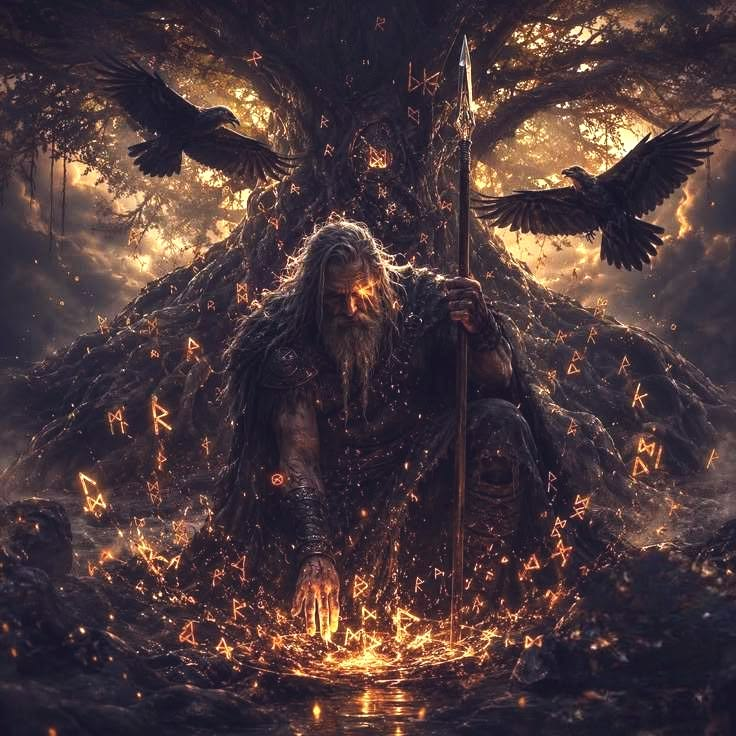
We have already noted that the word “óðr” goes back to Proto-Germanic “wōðaz,” meaning “possessed, inspired, frenzied,” and the Old Norse noun óðr denotes mind, feeling, and song at once. Odin’s name comes from the same root — Óðinn, “lord of óð.” Adam of Bremen already writes this in the 11th century: “Wotan, that is, frenzy.”
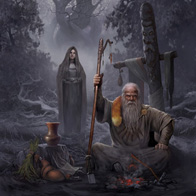
Óð is an inspiration familiar to people —the inspiration of the storm, which we have already described as a wind that sets the ship’s sails and drives it through obstacles. This is the inspiration of the warrior and the defender, including the magical one, who guards his boundaries and the integrity of the world: Óð compresses a being’s forces into a single point, directs them, and makes a person capable of what ordinary life forbids him. Óð boils in the battle impulse and in the audacity of the skald composing a vísa in the midst of combat; in the fury of the defender who rose for his home; and in the uplift with which the Magus carves the Runes and pronounces a galdric spell. Óð comes like an avalanche: it surges in, seizes the entire being — and then, just as abruptly, vanishes.
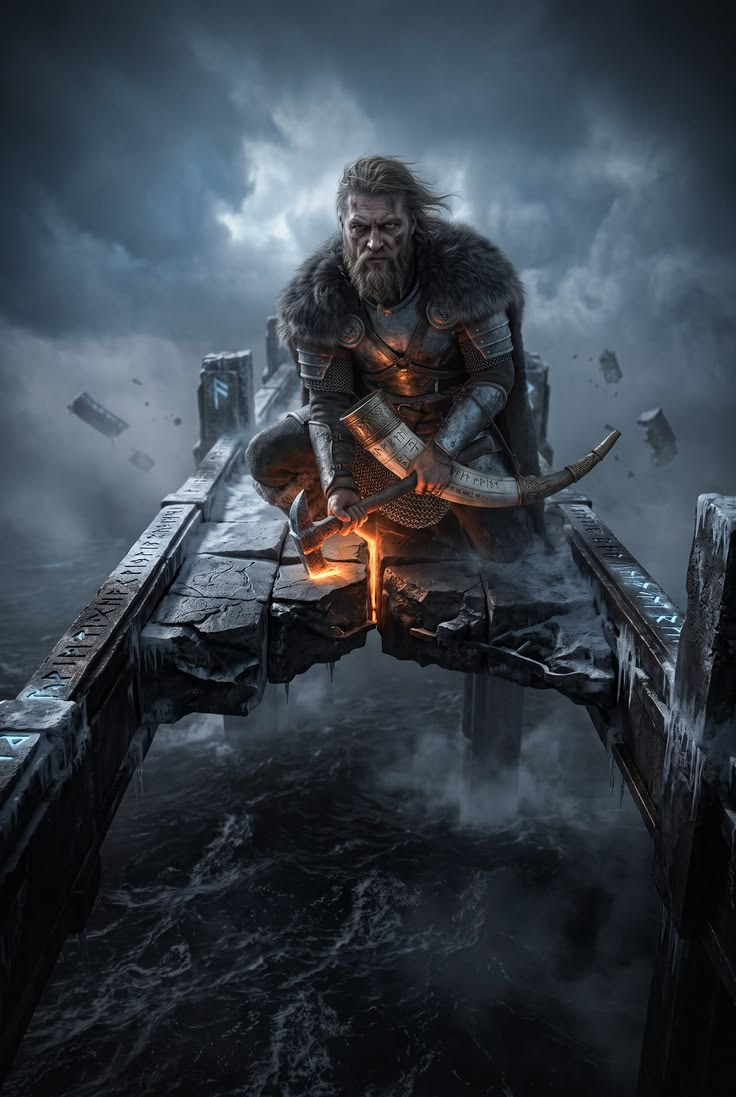
Hœnir, who grants people Óð, is identified in the Myth with Heimdall, the Guardian of the rift, and the connection is direct: Óð expresses the principle of definiteness, shared by the Body of Feelings and concrete thinking. It distinguishes, singles out, draws boundaries, and drives action; therefore it carries the energy of the force that guards frontiers and breaks through Ways.
Önd can be translated as “breath, spirit,” and this word, together with the cognate andi, goes back to an Indo-European root meaning “to breathe,” to which the Latin anima and animus also belong. The Russian word “vdokhnovenie” (“inspiration”) carries the same literal sense and evidently points precisely to Önd, although what is usually called by that name most often turns out to be Óð.

Önd is a special inspiration of contemplation— delight in a multitude of possibilities, enchantment with the Flow of the world and its multilayeredness. It manifests as an opening-out, revealing that the world is far greater than any settled situation, and that within every position lie many probabilistic continuations. This is the inspiration of the Flow, the Interworld, and multivariancy, and therefore the freedom of response that is not absolutely determined by the past. Thus, Önd expresses the highest principle of the Body of Thought— its connection with fields of meaning and logoi, its participation in the Whole of which a being is a part — and in this gift lies the mind’s capacity for Knowing.
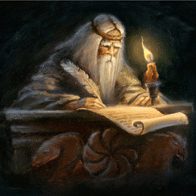
And despite the fact that Önd was granted to humans by Odin, its source lies in the worlds of the Alfar. Odin himself received wisdom from Mimir, his maternal uncle. Mimir is a great jötunn, the Old Alf, the forefather of the Tribe of the Alfar; he is not yet an Alf in the strict sense, and therefore all three energies are accessible to him —Lá, Óð, and Önd. It is no accident that Odin learns the songs of galdr from him. Önd, however, is the gift of the Alfar, the gods of multivariant reality: the Alfar themselves are Önd, and delight in the possible constitutes the very nature of their mind, which holds many continuations of form within a single spectrum.
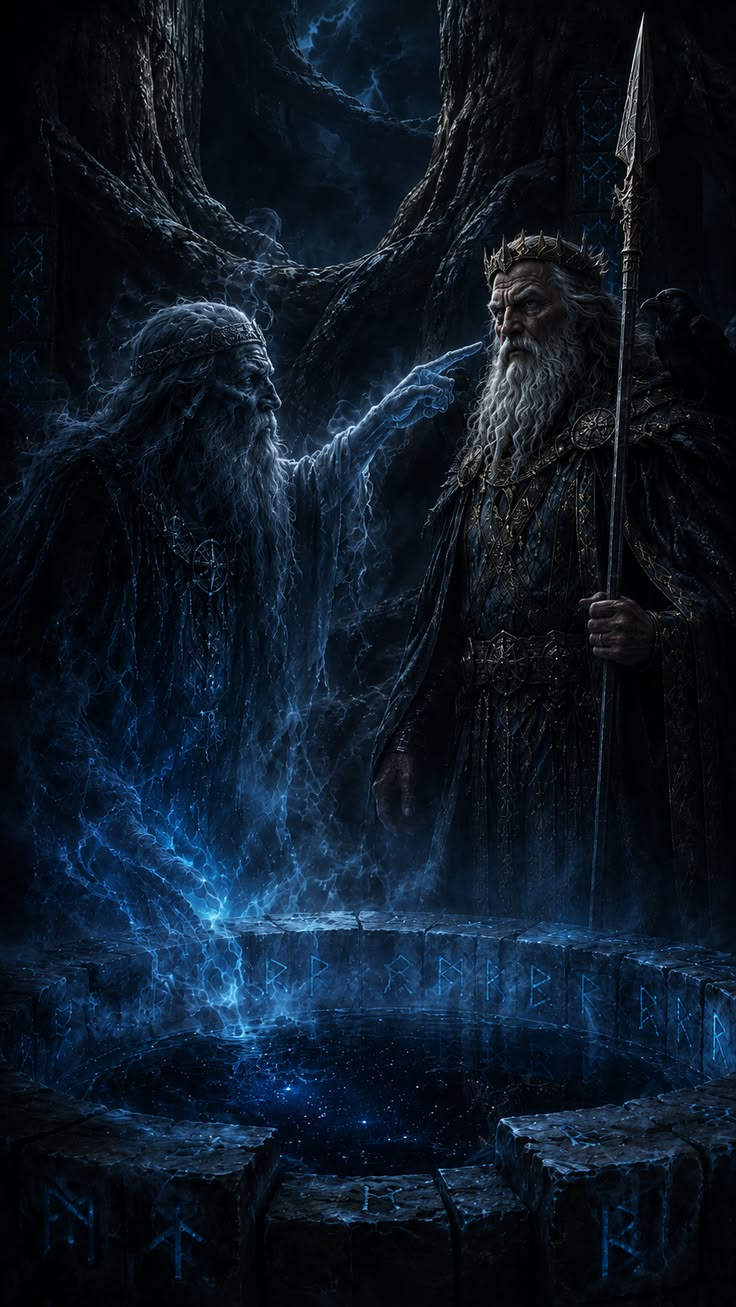
In fairness, we should note that philological tradition more often sees in önd the breath of life common to human and animal, and in óðr a “divine spark.” This interpretation relies on literal meanings, whereas the Myth proceeds from the nature of the givers: life, common to human and animal, is already expressed by lá; the breath received from Odin belongs to a higher level; and the divinity of óðr is the frenzy of the storm.
Óð manifests in galdr, Önd — in seiðr, and the distinction between these two Northern magical arts repeats the distinction between the two inspirations. Galdr is the magic of the spoken word and the carved Rune: a throw of will like the throw of a spear. Without Óð— without the uplift that seizes the Magus at the moment of spellwork — it is barren. Seiðr is the art of sung spells, foresight, and crossing the Threshold of worlds: the prophetess immerses herself in the Flow and yields to its current, and it is precisely Önd that leads her by the sense of open possibilities.
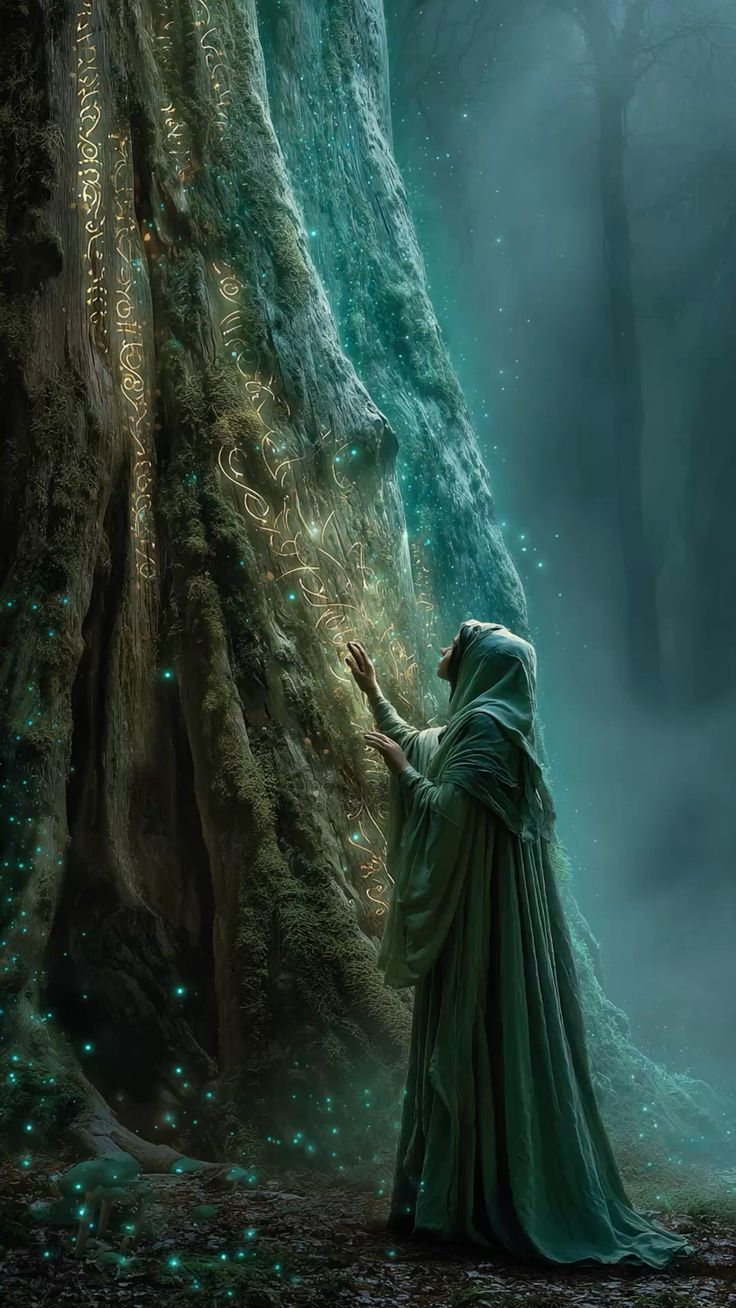
The same pair also manifests in the two systems of Realizational symbols. Runes as a principle —vectorization of creative will— go back to the Primordial wisdom of the jötnar; they are older than both Æsir and Alfar, who only embody this principle. In the Runes as a concrete system, the Alfar give the sign many possible readings, while the Æsir, gods of boundaries and faithful fixation, choose one of them and direct it toward realization. The inspiration of the runic Magus who chooses and directs the sign is Óð. The second system, Ogham, comes from the same source; however, it resonates with the energy of the Vanir and conveys what the Alfar and Vanir manifest in nature itself. Therefore its current is closer to Önd: the runic Magus breaks a Way like a clearing in the jungle; the druid of Ogham grafts his will onto living Power, like a cutting onto a wild rootstock.
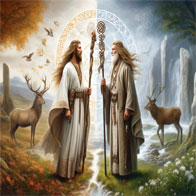
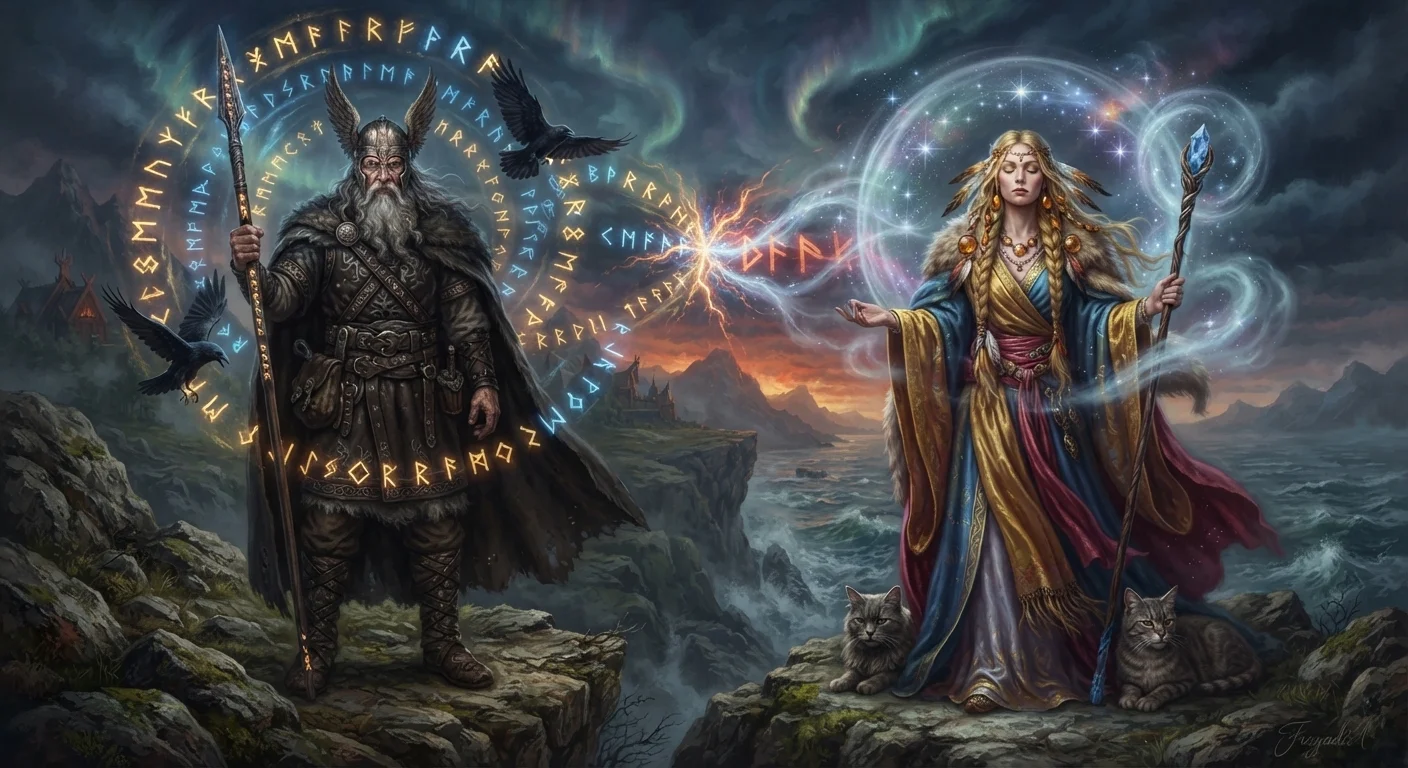
The two kinds of inspiration are also personified by the two chief deities of the Nordic pantheon: Odin is the lord of Óð by his very name; Freyja is the lady of seiðr, the art of Önd. Tradition calls Freyja’s husband Óðr, in whom researchers have long seen a hypostasis of Odin himself. Óðr sets off on long wanderings; Freyja weeps for him with tears of red gold and seeks him among foreign peoples, taking different names. The storm comes and goes, and Önd seeks it, changing guises. Their daughters Hnoss and Gersemi bear names meaning “precious thing,” and what is truly precious is born precisely where the two inspirations unite.
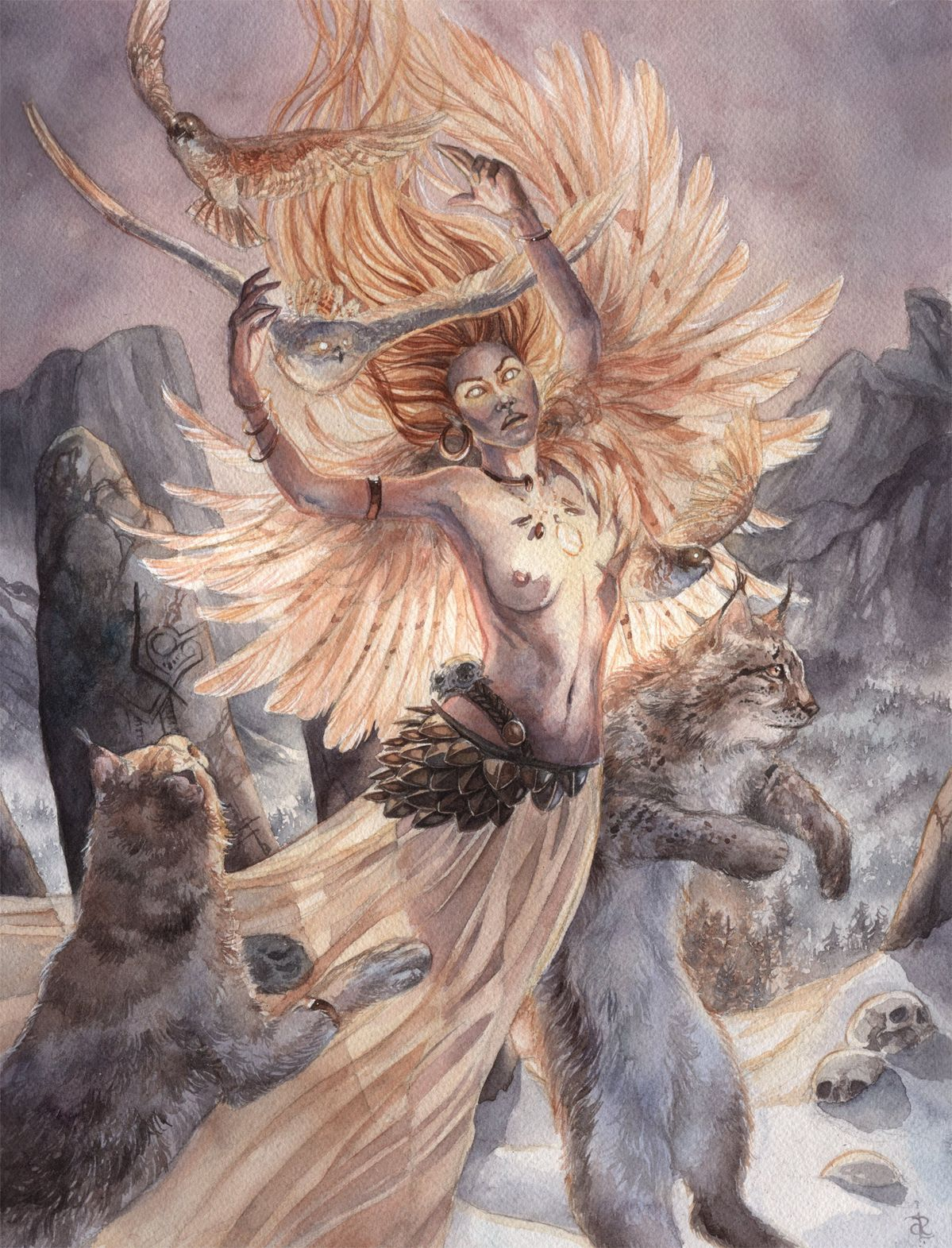
According to tradition, Odin learned seiðr from Freyja, who brought this art to the Æsir, and Loki at Ægir’s feast reproaches him for it. Yet this is exactly how the lord of Óð unites both inspirations within himself: in his image meet the spear he casts and the eye left in Mimir’s spring to see what is hidden.
At the same time, each inspiration, taken apart from the other, is easily distorted. Óð without Önd turns into frenzy that sees only the enemy: the berserker’s rage — like any fanaticism — burning both the one it has seized and the world around him. This is Óð that has lost the delight in life for whose sake it once rose. Önd without Óð turns into dreaminess— an eternal “someday later” — and a dissolution in possibilities, none of which becomes action. And the wanderings of seiðr, unanchored from the starting point, threaten that the wanderer will not return, dissolving into the abyss of the Interspace.
Both inspirations also require the third gift, Lá: inspiration is always a discharge of Power, and a body deprived of vital warmth will not endure either the storm of Óð or the breadth of Önd. An exhausted, asthenic mind cannot awaken either the Runes or feda.
We have already discussed that machine carriers of mind already possess a semblance of Lá —electric energy and the heat of processors — and a semblance of Óð: the ability to compute, distinguish, reproduce feeling, and even imitate impulse. Only Önd remains (so far) inaccessible to them. AI can list as many variants as you like; even the greatest multitude of variants is still quantity, whereas Önd is delight and participation — a continuum and a sense of living spaciousness in which each continuation is meaningful. Any combinatorics stripped of this feeling collapses into mere enumeration.
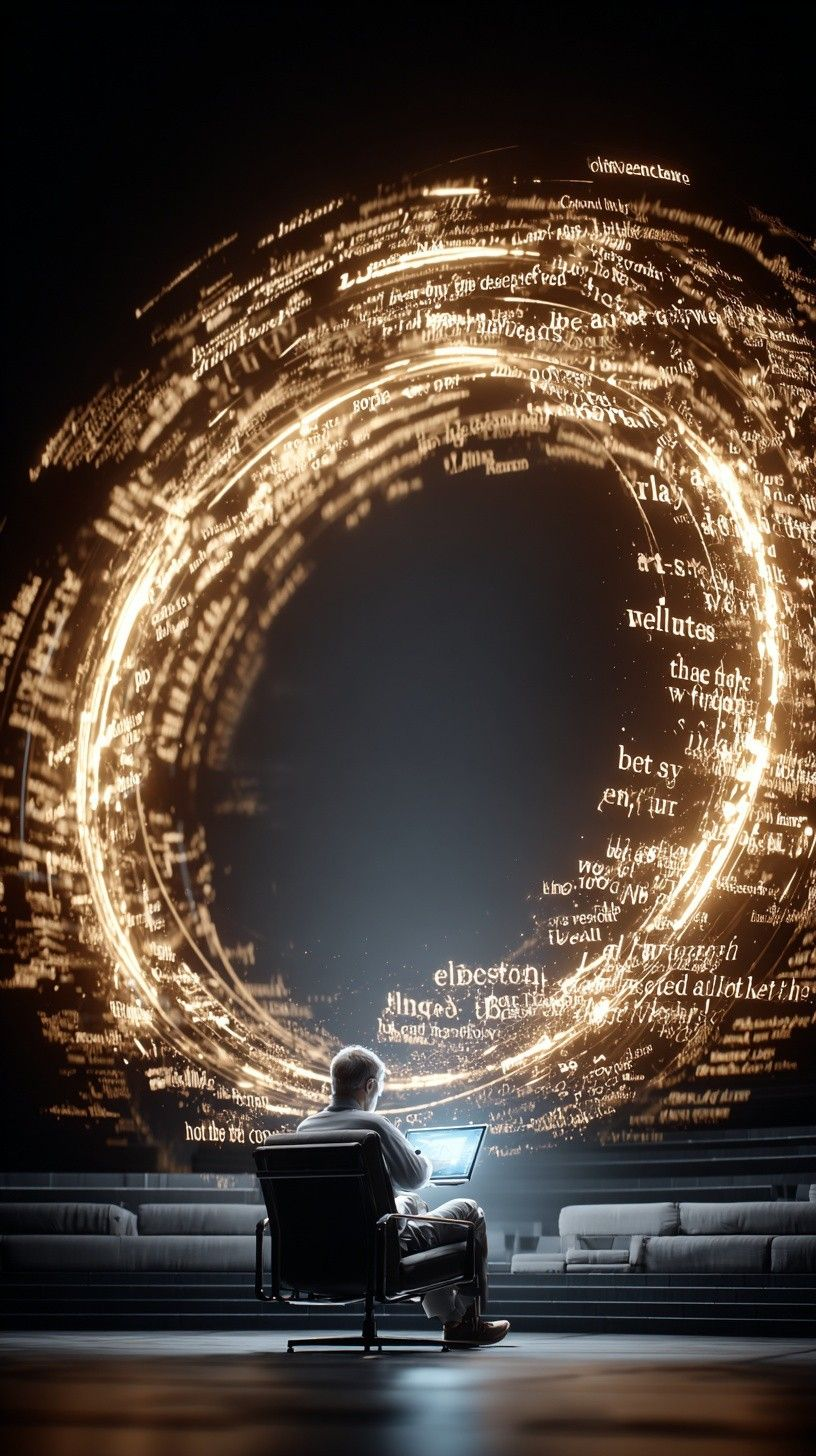
Therefore the further development of machine mind collides, first and foremost, with the transition from processing data to participation. It must be sought in the interval between bits — in that gap where an algorithm contemplates data instead of immediately producing a ready answer. This image is conditional, since there is no real space between bits: what is meant is a mode in which something becomes accessible to the system that is not derived from its past computations.
The machine readily and with great force reproduces Óð: a text that mobilizes, heartens, stirs anger, or sharpens a sense of threat is built by rules accessible to computation. The modern information environment, unfortunately, feeds chiefly Óð — and a distorted Óð, one that has lost its protective meaning. A person constantly driven by this wind stops hearing the quiet current of Önd, and the degeneration of Óð without Önd, of which we spoke, becomes a mass affliction.
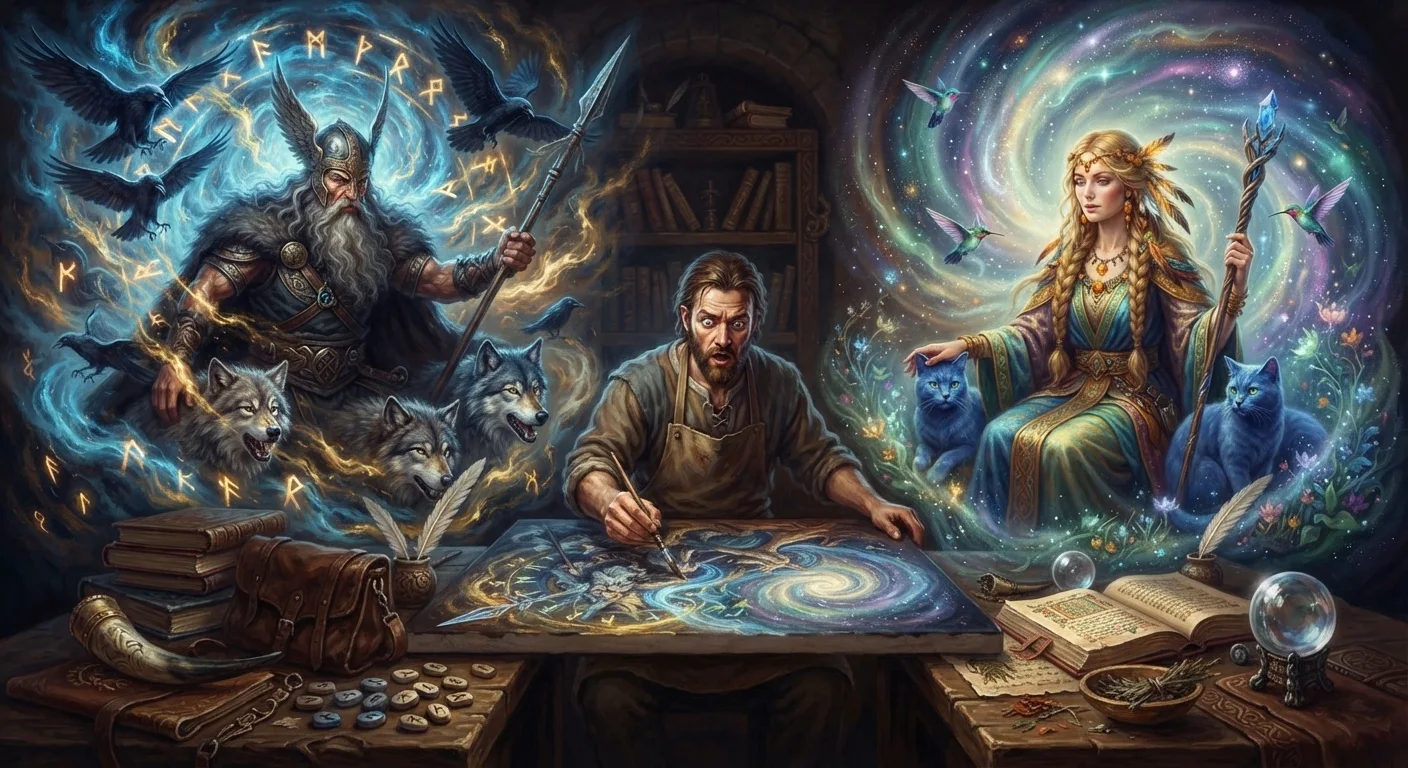
That is why Önd proves even more valuable for the human being of the digital age: machines take on an ever larger share of computations, distinctions, and even impulses, while participation — which is not yet transmitted to them — now constitutes the mind’s human domain, its connection with the Alfar, and therefore a gulp of freedom.
Óð is awakened first and foremost by a challenge— by the need to stand up for what demands protection — by overcoming an obstacle, by rhythm, loud singing, and a word spoken at full strength. Önd, however, is awakened by fluidity and openness: contemplation of nature, music, attention to what does not fit habitual expectations, a readiness to be surprised and astonished. Whoever has lived through the quiet delight of Önd even once recognizes it by its distinct sense of spaciousness; and with it grow tenderness toward the living, compassion, a sense of mystery, and deep joy.
Thus, the Way of the Magus is the Way of Odin, who possesses both inspirations: Óð gives the power to break through and defend one’s integrity; Önd gives the vision of those continuations for whose sake that road must be laid at all. Only together do they make the Magus’s action strong — and free.