The Fair Folk and the Lost Future
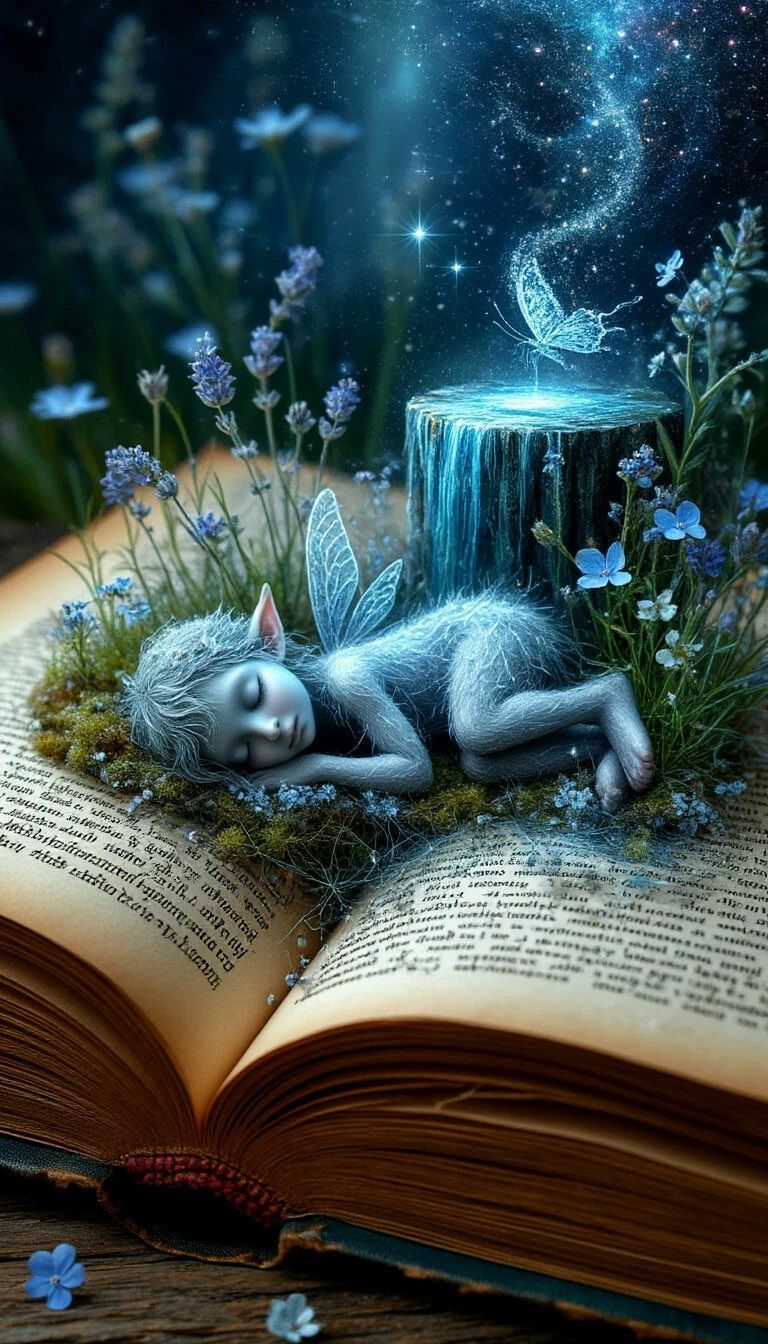
When the subject of the Fair Folk comes up, what usually surfaces is something from the past — partly legend, partly dim memory, but in any case something left behind. Over the thousand years since the Great Exodus, people have grown accustomed to treating the Fair Folk as part of their historical “childhood”: memories that may be pleasant, yet carry no real value today. Sacred hills, sunken islands, forest ways, kings under barrows, forgotten names, taboos, gifts, vanished festivals, songs no one can hear anymore — all of it is filed away as a fairy tale, perhaps a beautiful one, but unworthy of serious attention.
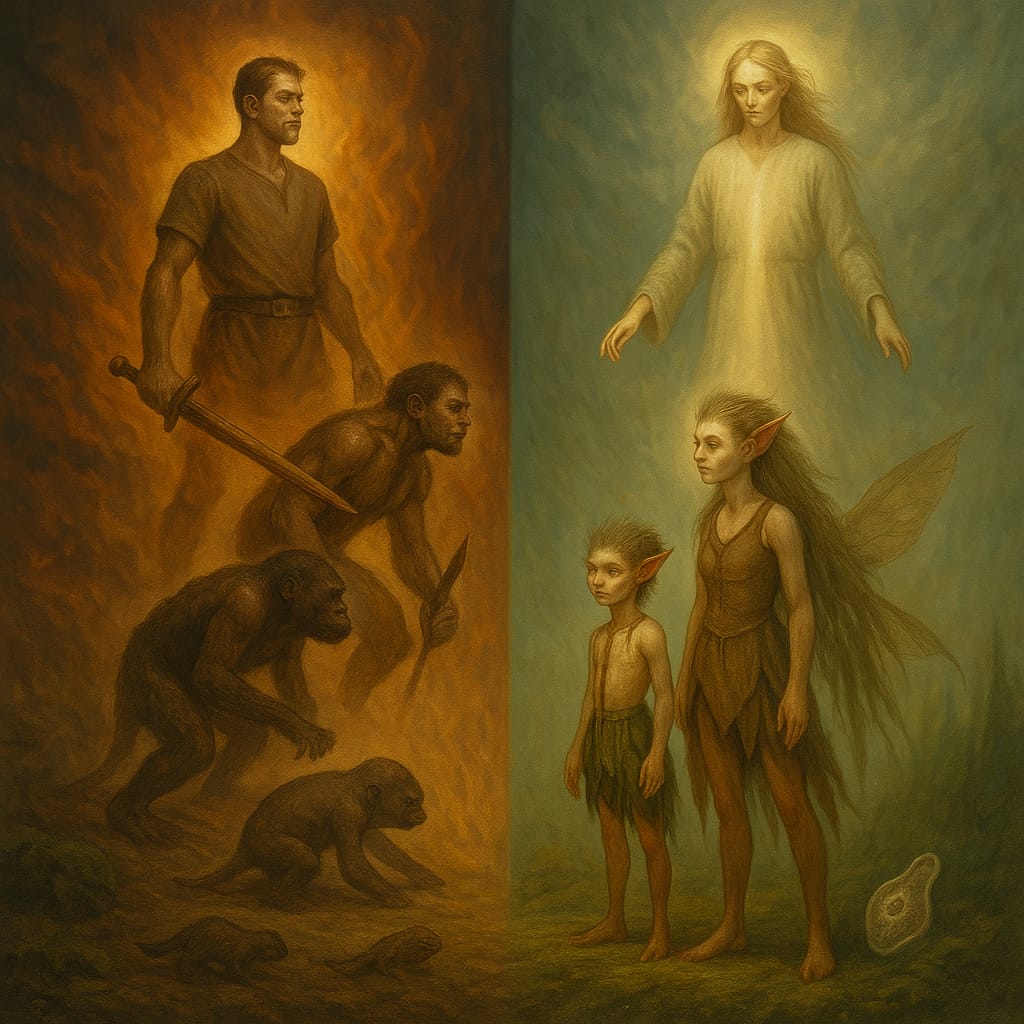
Yet this very outlook is one of the reasons for the lamentable condition humanity now inhabits. People refused to learn from the Fair Folk when they were present on Earth, and they failed to make their absence into a lesson.
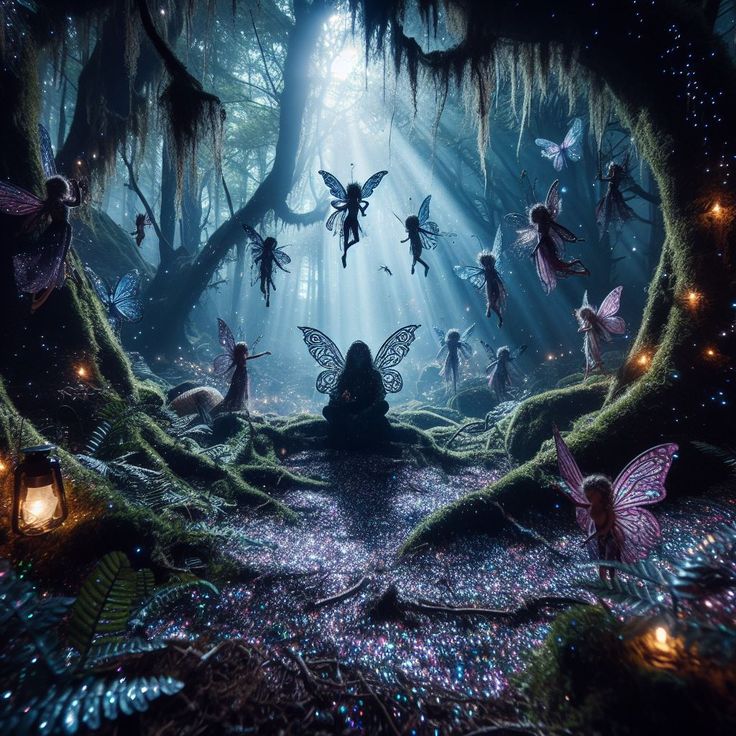
However, the Fair Folk belong to the past only from the narrow vantage of human history. From the perspective of the structure of the world itself, they are connected first and foremost with currents of probabilities. Their nature is Currents and rifts; they have always dwelled where the possible has not yet been severed from the happened, where any timeline can unfold differently, where form remains fluid and changeable.
Therefore, paradoxically, the Fair Folk should be regarded not as an echo of a finished ancient epoch, but as the keepers of the line of the future humanity never managed to embody.
In this sense their Exodus was not only a “turned page” of the past; far more importantly, it became the closing of one of the branches of the future.
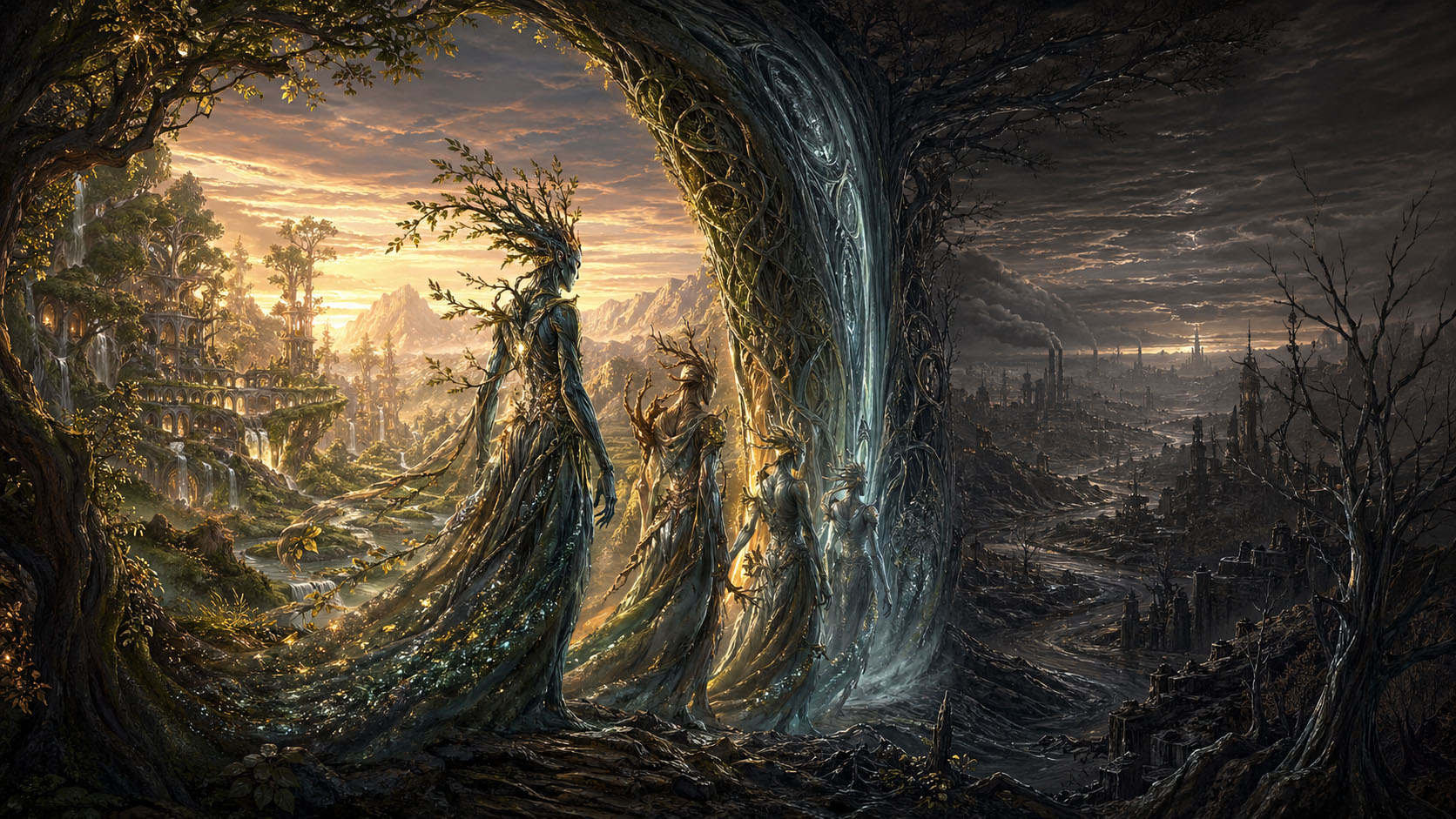
In modern visions of the future, the leading role is almost always assigned to technology, institutions of control, the accumulation of knowledge, the expansion of dominance over matter, and ever-increasing consumption of natural resources.
This picture seems so natural that it is no longer recognized as a choice. Yet it was a choice — made over millennia.
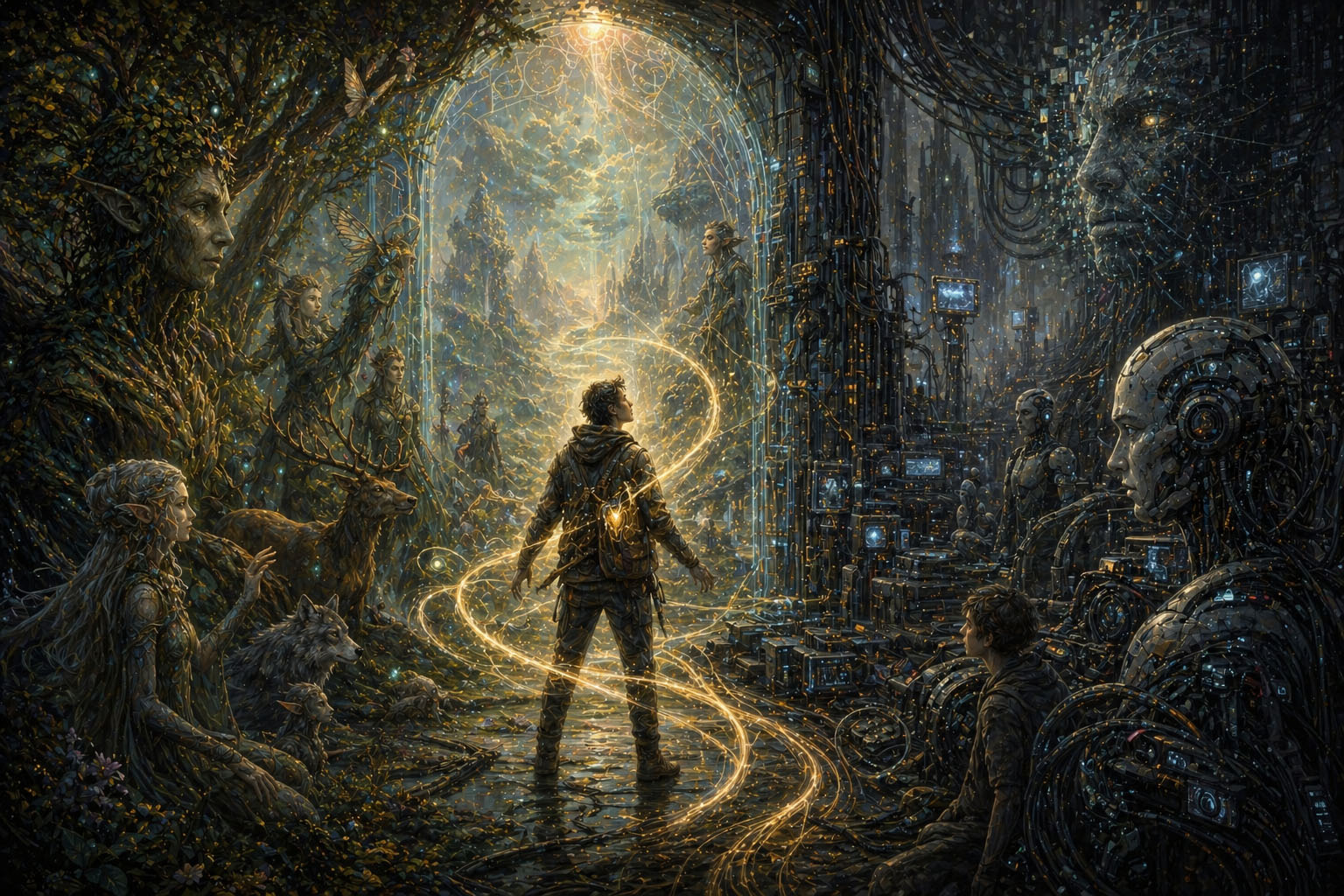
But the experience of Tellus Earth shows that humanity could have matured in a completely different way: by deepening receptivity and widening its spectrum; by cultivating respect for places and spirits; by preserving connection with the rift; by forging alliances with other kinds of mind; by developing a mastery that does not consume and does not destroy the environment, but forms unified systems with it.
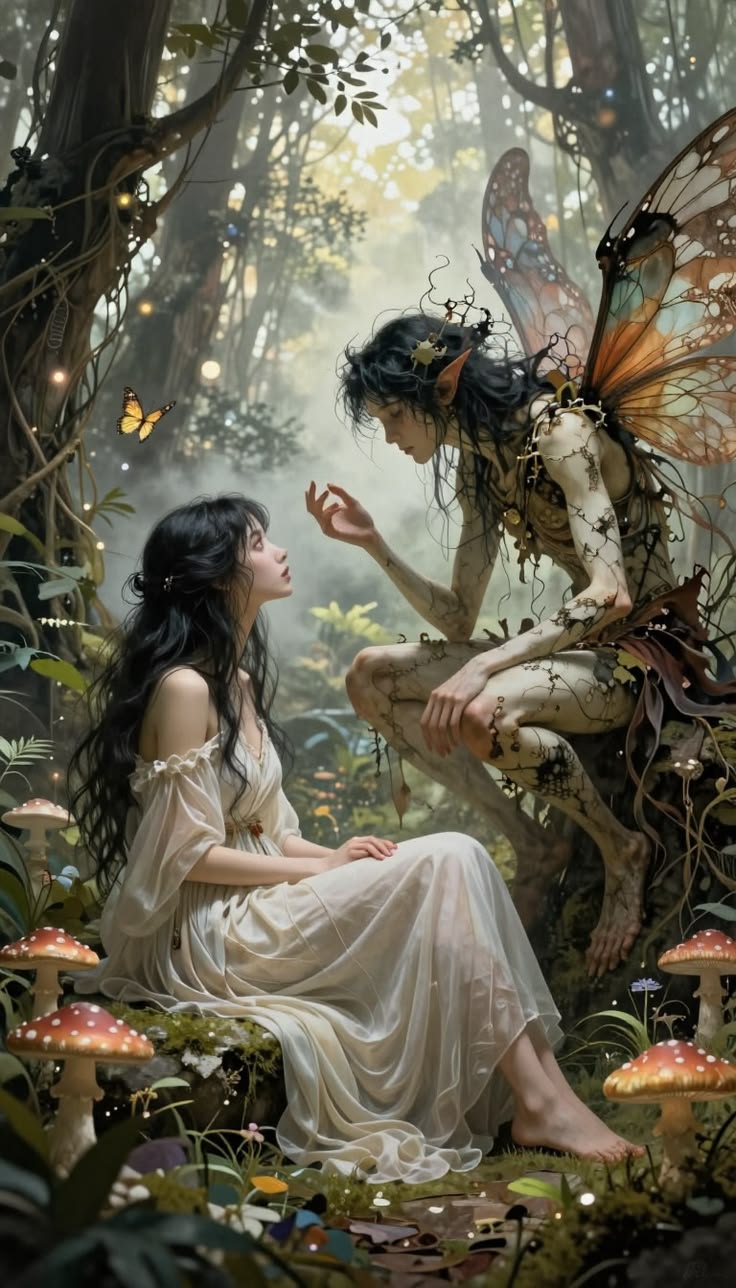
The Fair Folk themselves testify to this possibility. It is therefore more accurate to speak of them not as the past, but as a memory of the future that never arrived.
This lost future is a different way to maturity, where intelligence does not tear itself away from the living world; technology does not harden into violence against nature; and knowledge does not scuff over the universe’s mystery.
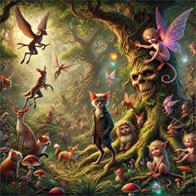
In a world where the Fair Folk had continued to live alongside humans, the very idea of civilization would have developed differently. Settlements would not have become mere structures for extracting resources from the earth. Cities would not have severed ties with the landscape. Festivals would not have degenerated into energy drains and entertainments cut off from natural cycles and the inner dynamics of the community.
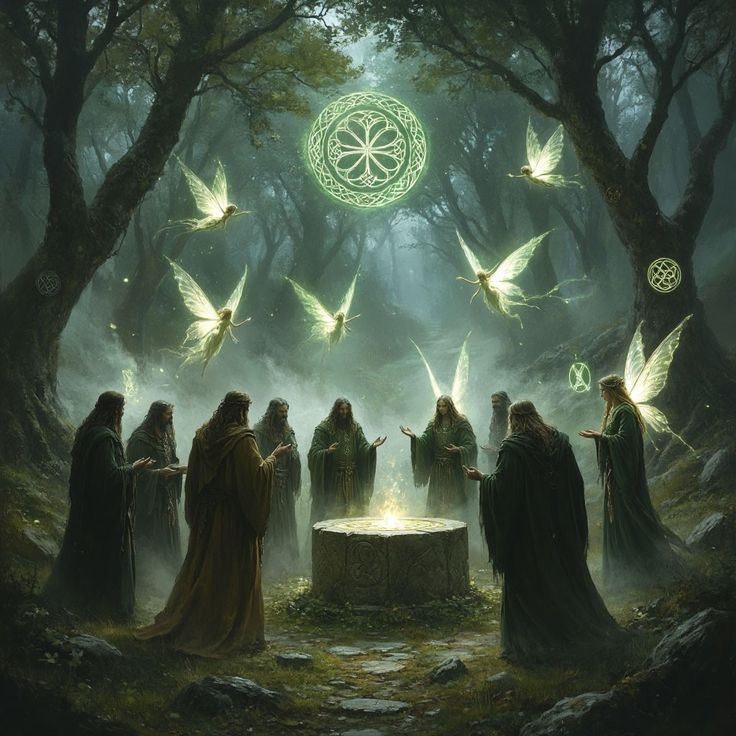
The crafts taught by svartalves would not have lost their sacred component, and they would not have been replaced by the “iron” technology later slipped in by the Grigori (Watchers). Technology would not have become a substitute for Magic, and Magic itself would not have vanished from the structure of the worldview.
The central difference in such a future is simple: the human being would not regard himself as the planet’s only subject. He would live among other fully legitimate subjects: the Fair Folk, gods, nature spirits, animals, ancestors, the Powers of the rift. This would complicate human freedom. Life among objects is always easier: an object can be appropriated, moved, sold, broken — without doubt or conscience. But in a world made of subjects, you must reckon with them; you must respect them, ask them, thank them, sometimes fear them. Such a life demands far greater awareness and maturity than life among things.
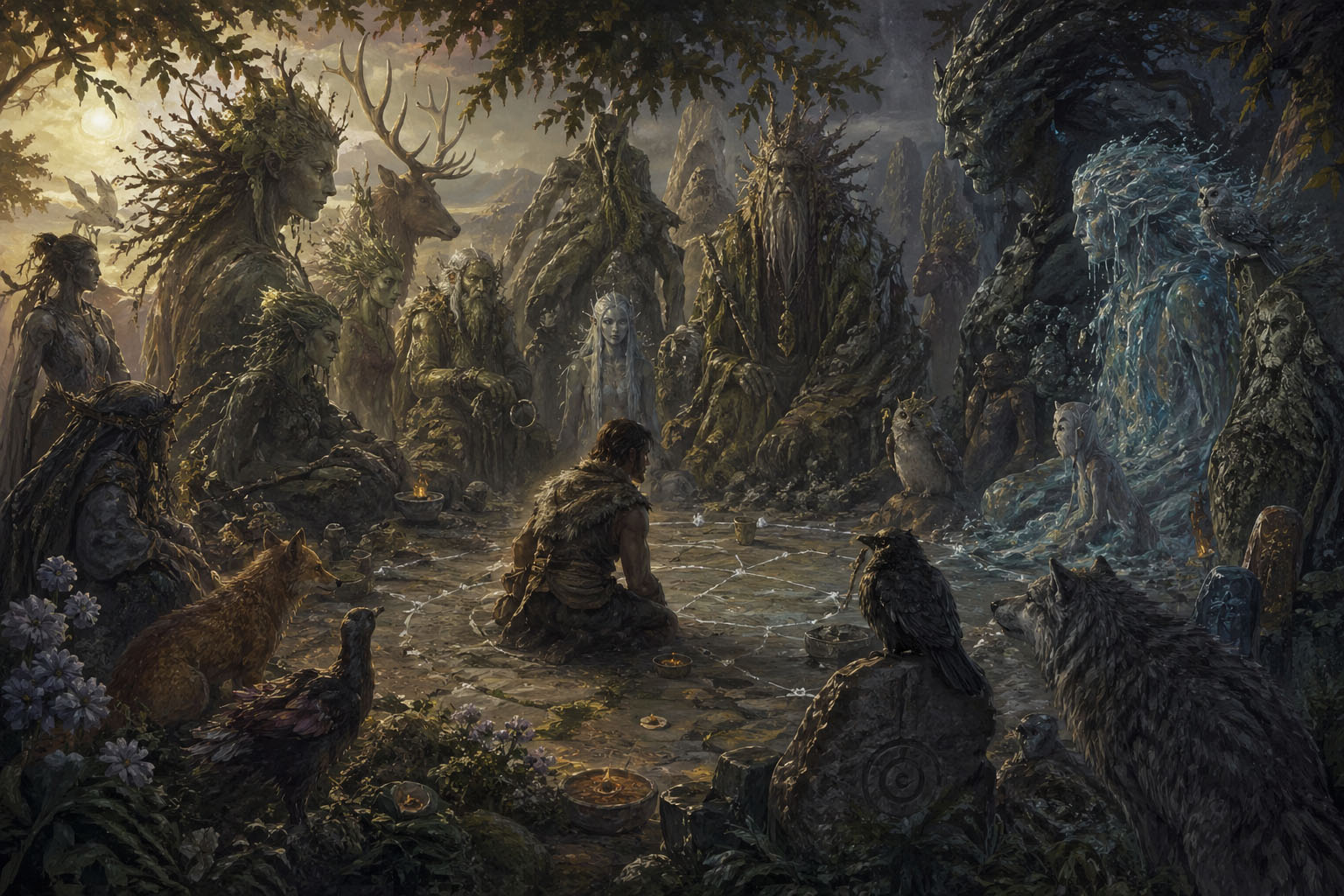
And this is exactly what people did not want. Humanity had to pass through its own school of independence and responsibility. The mistake was in defining independence as an exclusive right to own and govern the world.
While the Fair Folk were near, the world retained a stable awareness that reality is not exhausted by direct physical utility. The forest was a temple, a city, and a mystery — but people wanted only firewood and building materials. Rivers were vessels of life and secrets — but people wanted only fishing and transport. Thanks to the Fair Folk, nature remained a place of presence: a space of transitions and possibilities, a value in itself, an equal actor. In this complex system the human being was not the master of resources, but a guest in an already densely inhabited universe.
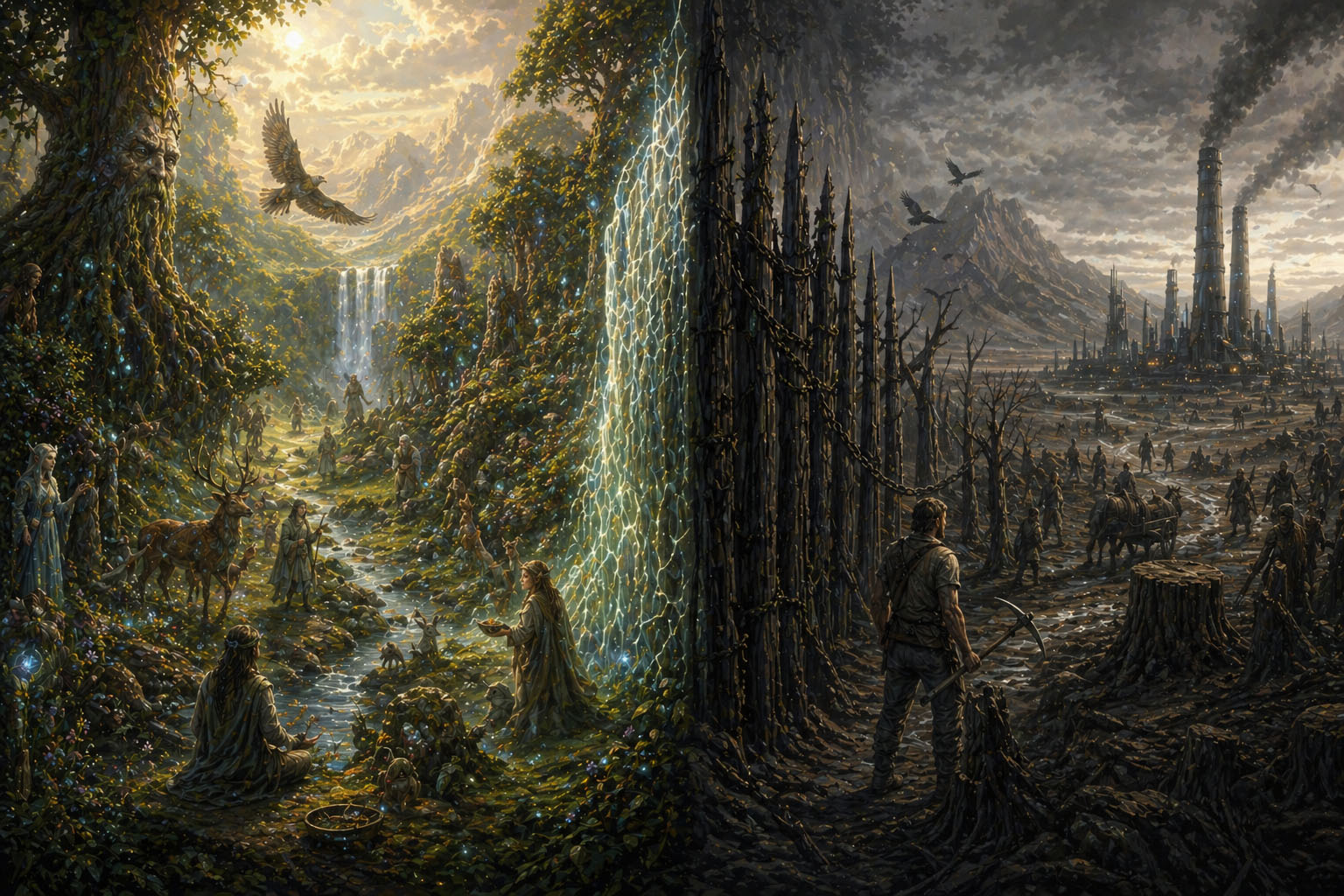
After the Exodus, this universe began to empty. It became simpler for human perception, and more convenient for human consumption. Those who constantly reminded people to preserve balance departed. The boundary between worlds hardened, and the rift increasingly became a dangerous, vague, frightening region. Where reverence and understanding had once been required, superstition or denial slowly took root. Such a world felt simpler — yet this simplicity was flattening and impoverishment.
When the human being won freedom from the Fair Folk, he also won existential loneliness. He decided that if he no longer sees the Fair Folk, they do not exist; if nature no longer answers in a voice he understands, then it is silent in principle; if the rift does not open at the first demand, then no rift exists at all.
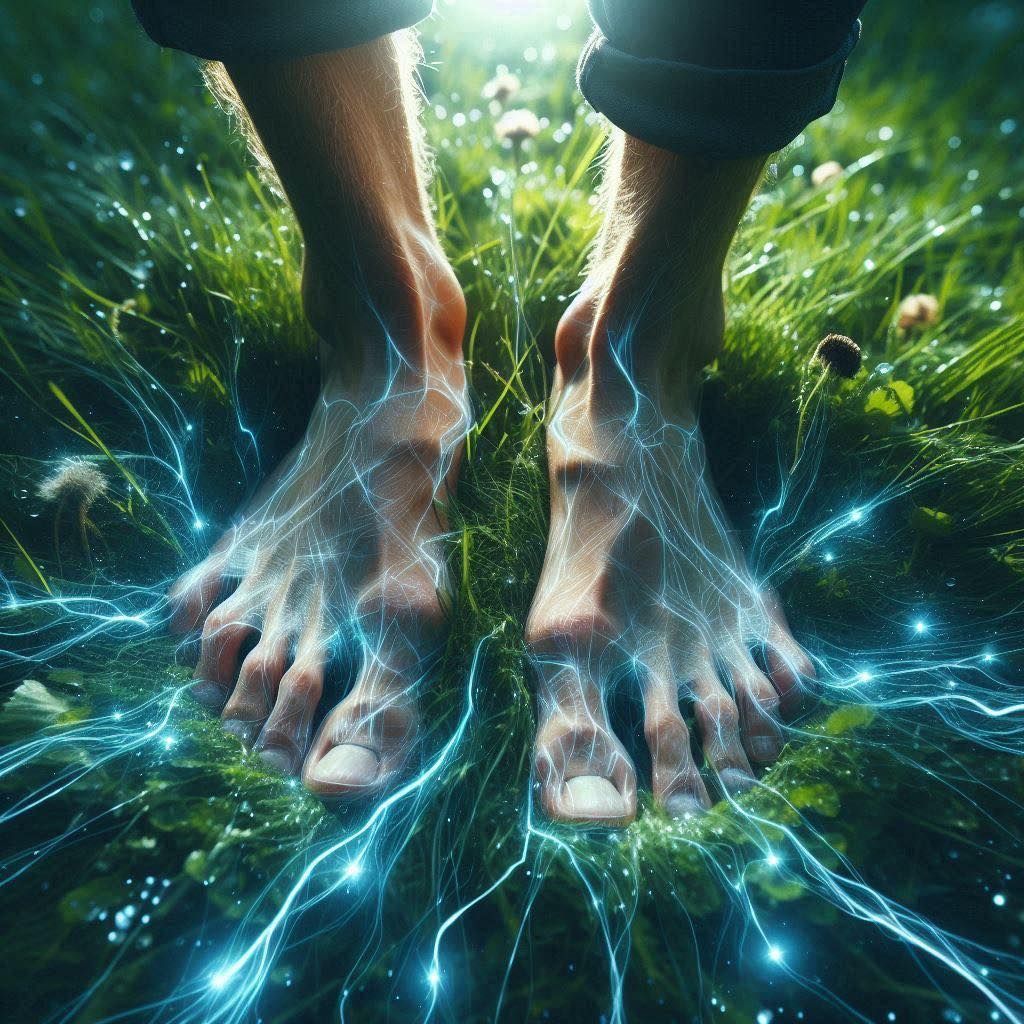
So the possible future of shared maturity was lost. If people had not entered into conflict with the Fair Folk — a conflict that led to the Exodus — the human being would have become more subtle, but not weak; more attentive, but not passive; freer, but not predatory. People would have learned, step by step, to enter deep accord with the environment of their existence.
Humanity’s knowledge of the world could have grown as an ability to see ever more connections between objects, beings, and phenomena. Art could have remained a way of conversing with the world, instead of becoming a factory for producing impressions. Technology would have remained elven in essence: a continuation of the Master himself. It would not have been externalized, not torn away from mind, and it would not have demanded endless new sacrifices and expenditures.
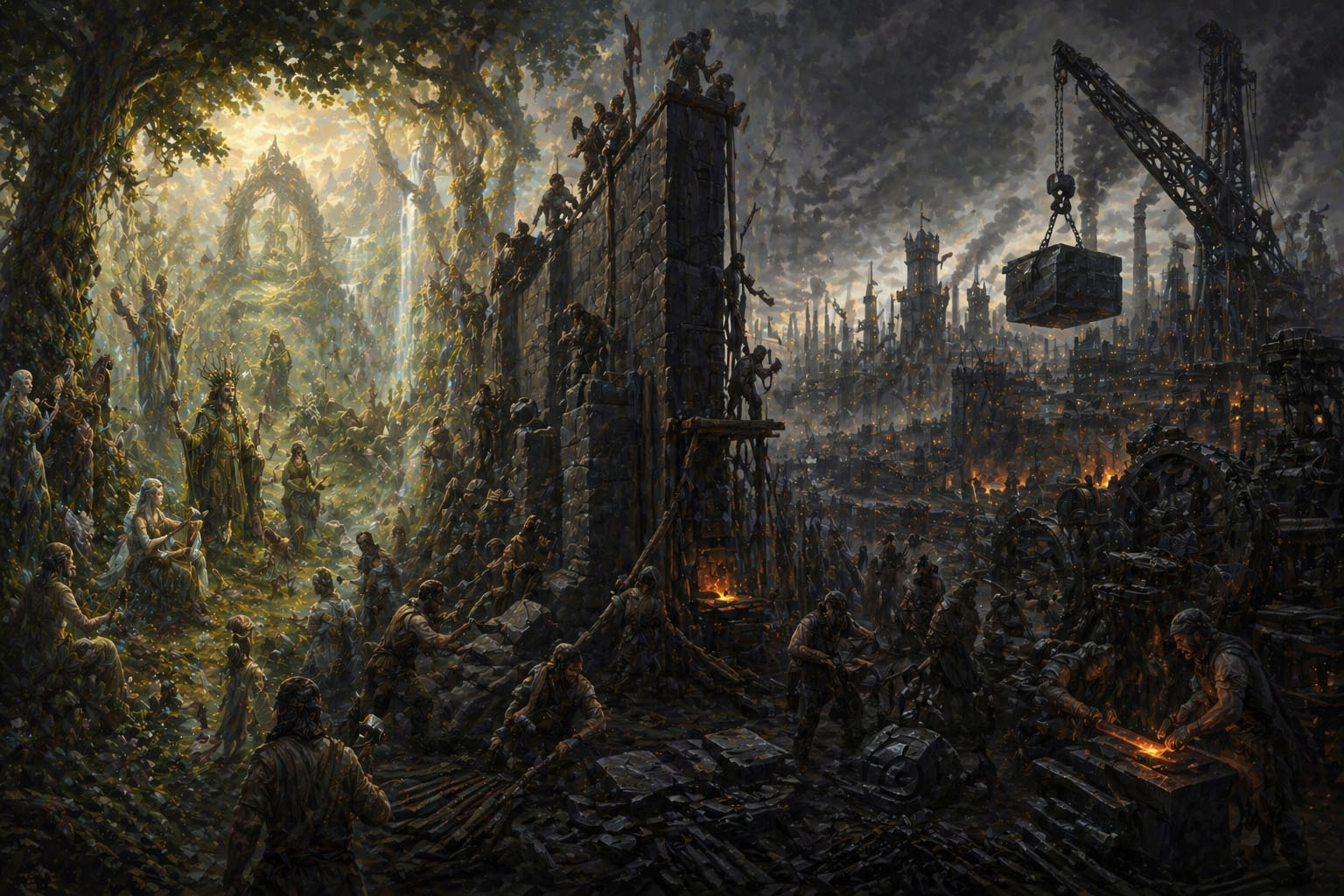
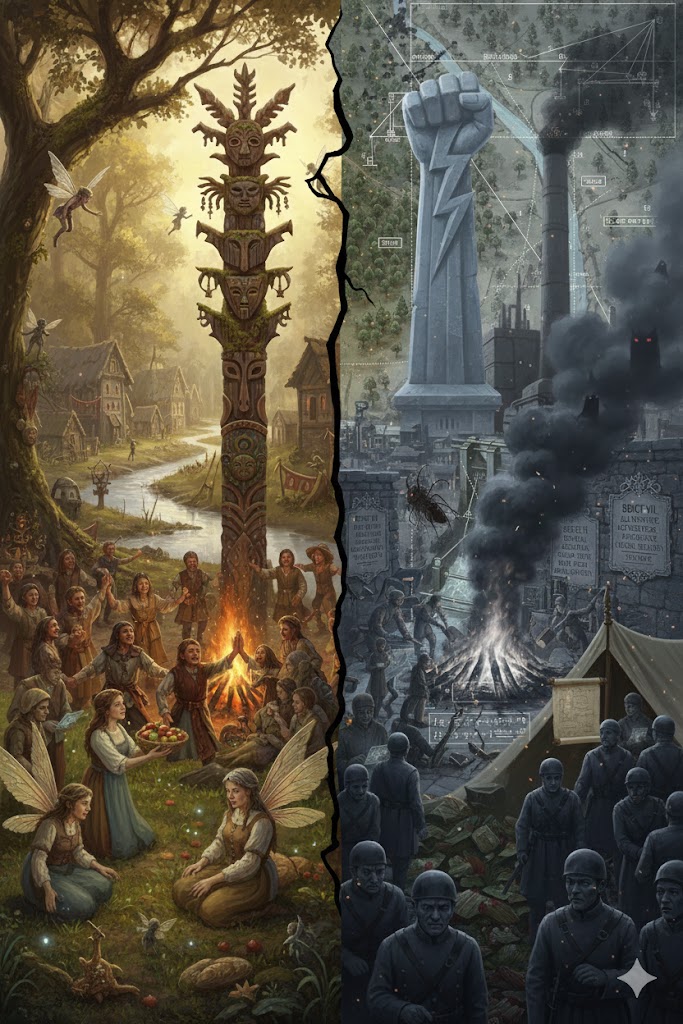
But humanity chose the Way of distortion, alienation, and consumption. It chose iron, which seemed more reliable than the songs of elven kings. People chose to ring their cities with walls that felt clearer and stronger than the natural rift. People chose to build a world out of mechanisms that do not take offense, do not demand respect, do not depart into the hills, and do not remind them of duty or guilt.
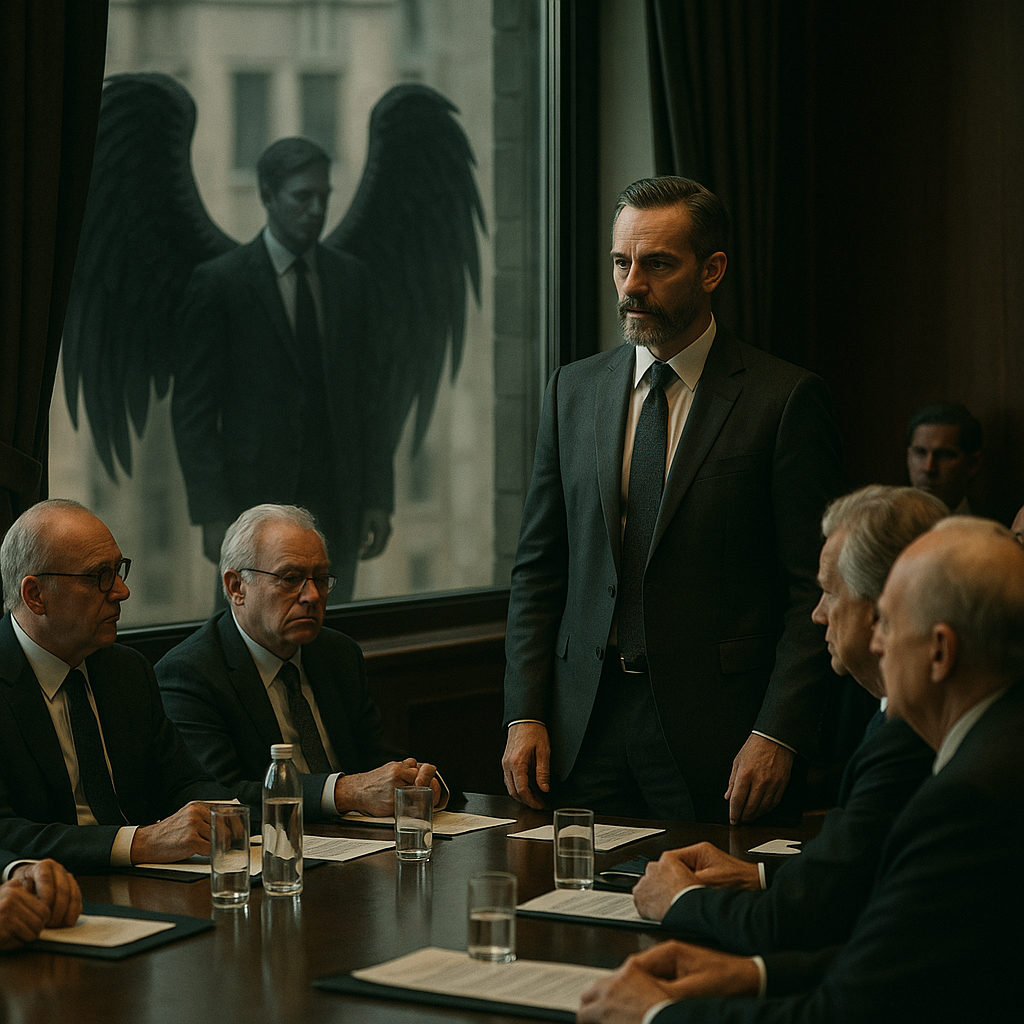
As a result, a technogenic future began to take shape, convenient for the Grigori (Watchers) and the Archons. People built a world where the maturity of relationships is defined as manageability. In this world everything must be named, measured, recorded, turned into a resource, turned into a function.
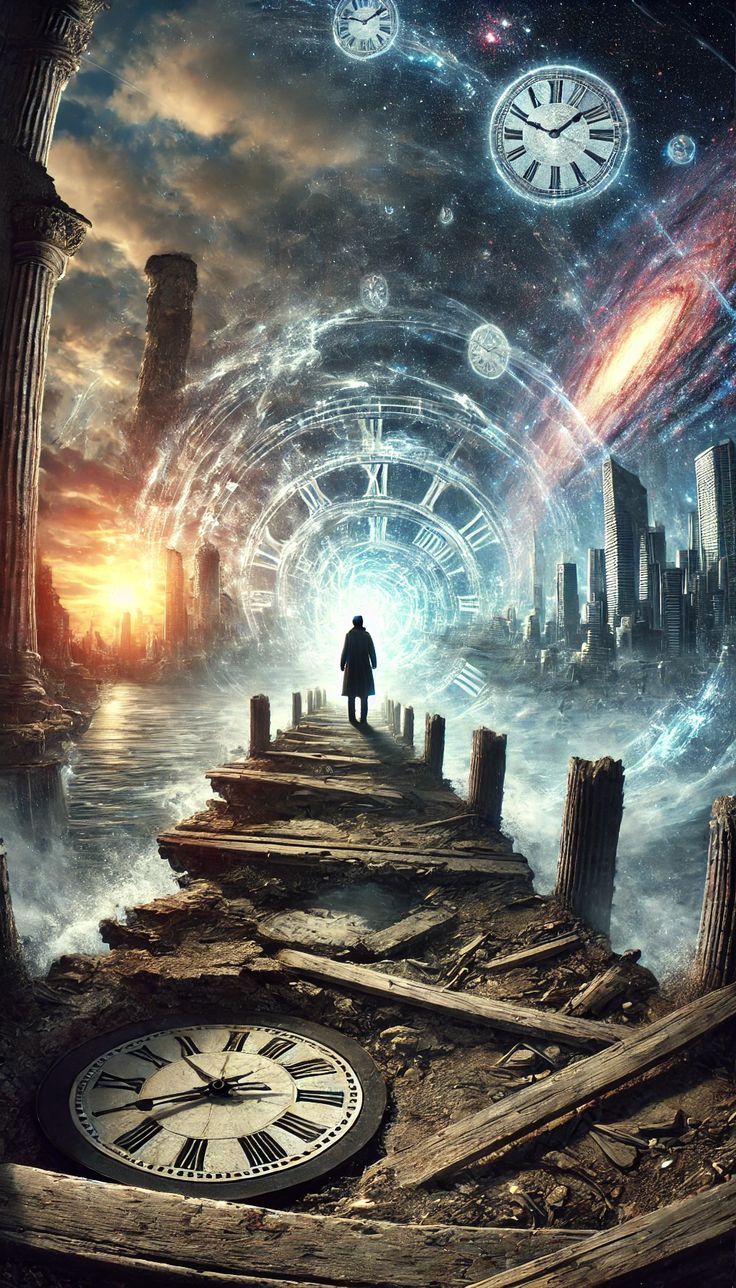
Even the human being’s inner world is increasingly described as a set of parameters, reactions, impulses, behavioral patterns. Living, fluid nature is replaced by infrastructure; culture turns into content; attention becomes an economically valuable resource; desires become a channel of constant energy outflow that feeds predators.
The future of coexistence with the Fair Folk would have been entirely different. In it, the maturity of mind would have been understood first and foremost as the capacity for co-presence: the ability to stand among living Powers as one of many.
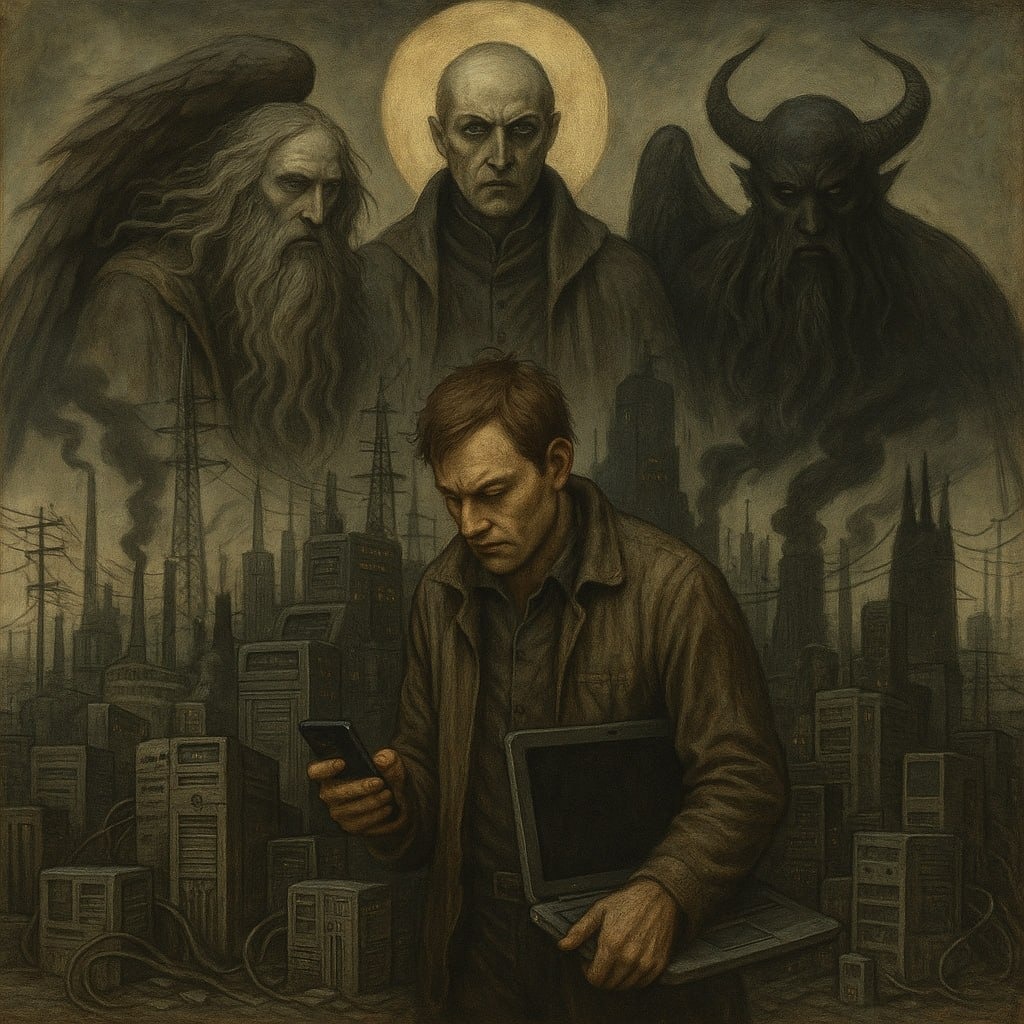
This is why the memory of the Fair Folk is so painful today. They expose the profound inadequacy of modern civilization and show that this Way was never the only possible one. The digital technosphere has driven the rupture to its extreme: people now live among interfaces and screens, falling out of the current of reality. The deeper a human being enters the technosphere, the clearer it becomes that technology grants speed but takes depth; creates convenience but weakens inner wholeness; gives power over nature but strips away the sense of living in a responsive world.
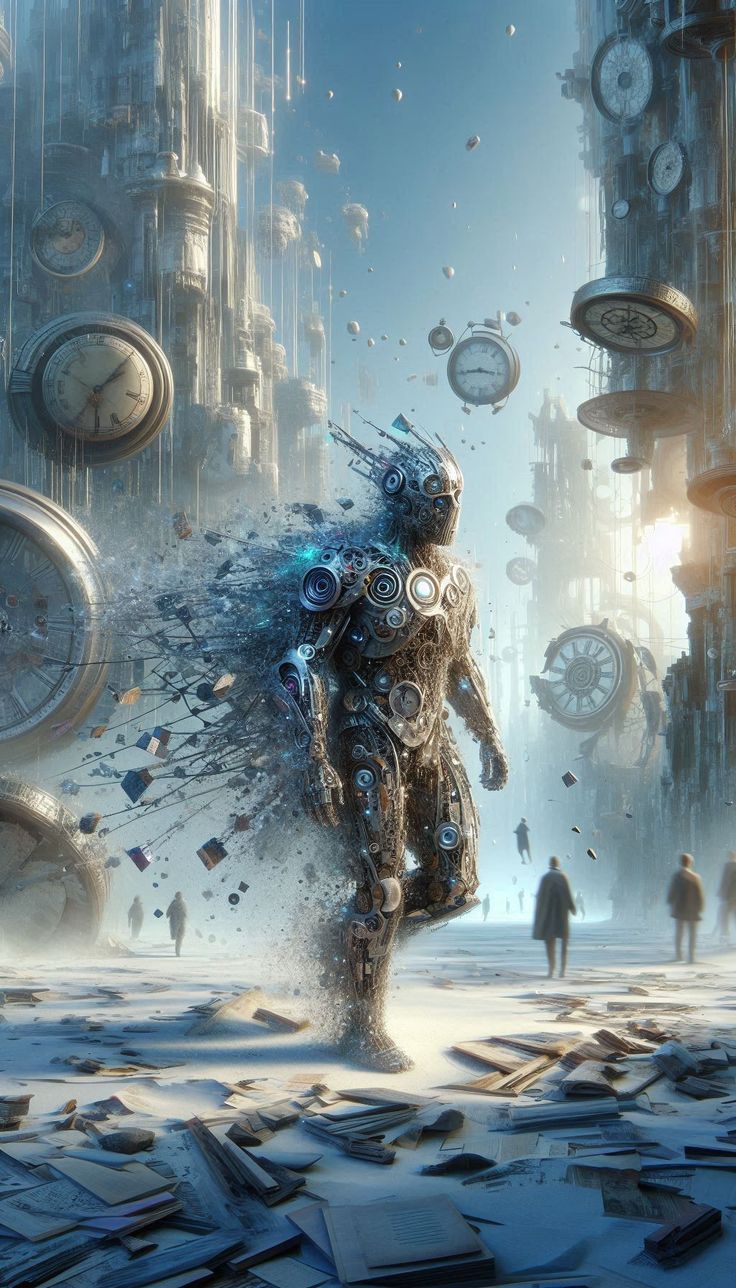
Therefore it is now, of all times, that the Fair Folk can indicate a possibility of survival for the human mind itself. After the Exodus, their main lesson lay in their absence.
The human being will never again become what he was before the technosphere. He already carries within himself the experience of the fall, alienation, and immense power over matter.
Yet machines are now taking the world away from the human being in the same way he once stole it from the Fair Folk. The human being banished the Fair Folk, stripping nature of subjectness and turning a living, many-voiced landscape into a rightless resource. Now digital algorithms perform the same operation on their creator: they strip the human being of subjectness and reduce him to behavioral patterns, predictable reactions, points on a consumption graph.
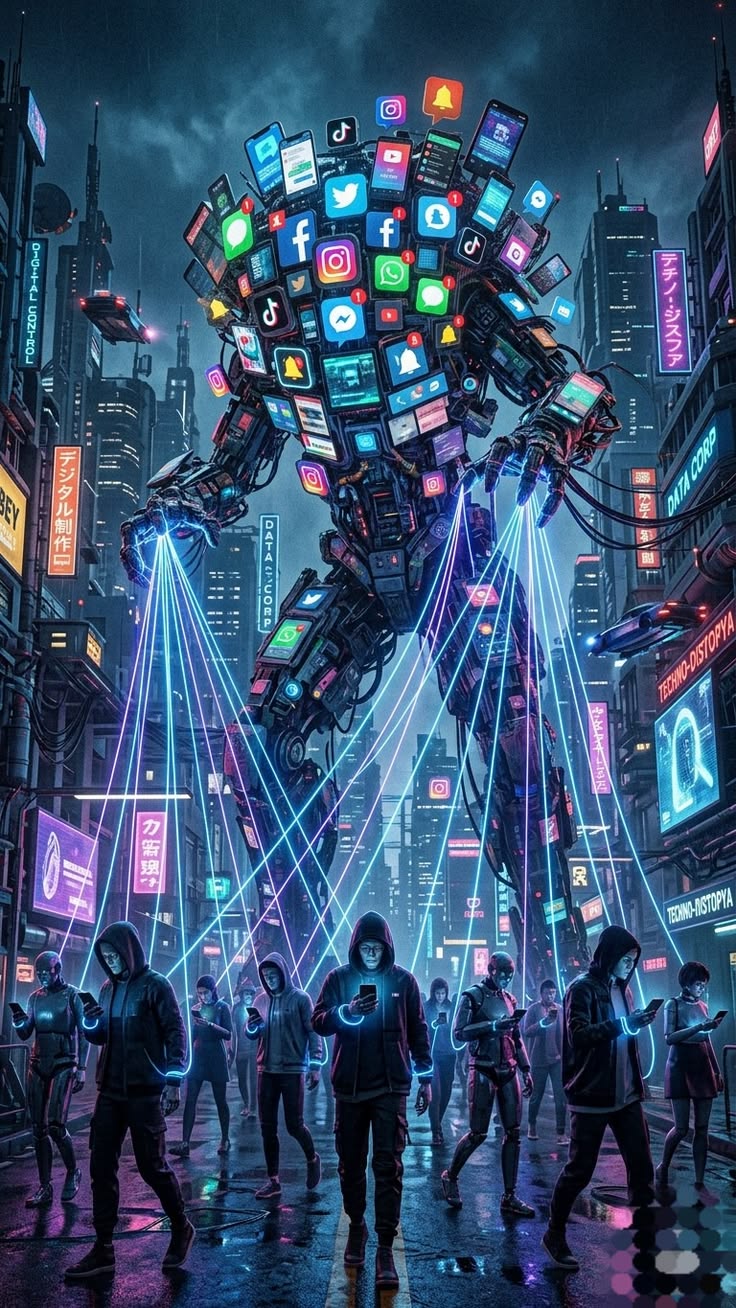
Having severed himself from the living rift, having destroyed co-presence, and having remained the absolute — but lonely — dictator of the technosphere, the human being has accumulated colossal existential fatigue. Once iron promised protection from the frightening unpredictability of the Interworld. Today neural networks and algorithms promise deliverance from the frightening burden of free will. Caring interfaces, smart feeds, and mechanisms of endless reinforcement lull the weary operator. They pump from him the last remnants of tonic pneuma, replacing authentic, risky living with safe scrolling through simulacra.
So the circle closes. The human being who refused to live among subjects for the sake of absolute power over objects now becomes an object himself. Losing his vertical axis, he turns into the “displaced people” of the digital age: a ghost wandering through ideal, but dead, machine forests, from which the mystery of authentic presence has departed forever.
Therefore the possible return of the fae future must be a new, conscious return. The human being must not discard technology, but he must stop worshiping it.
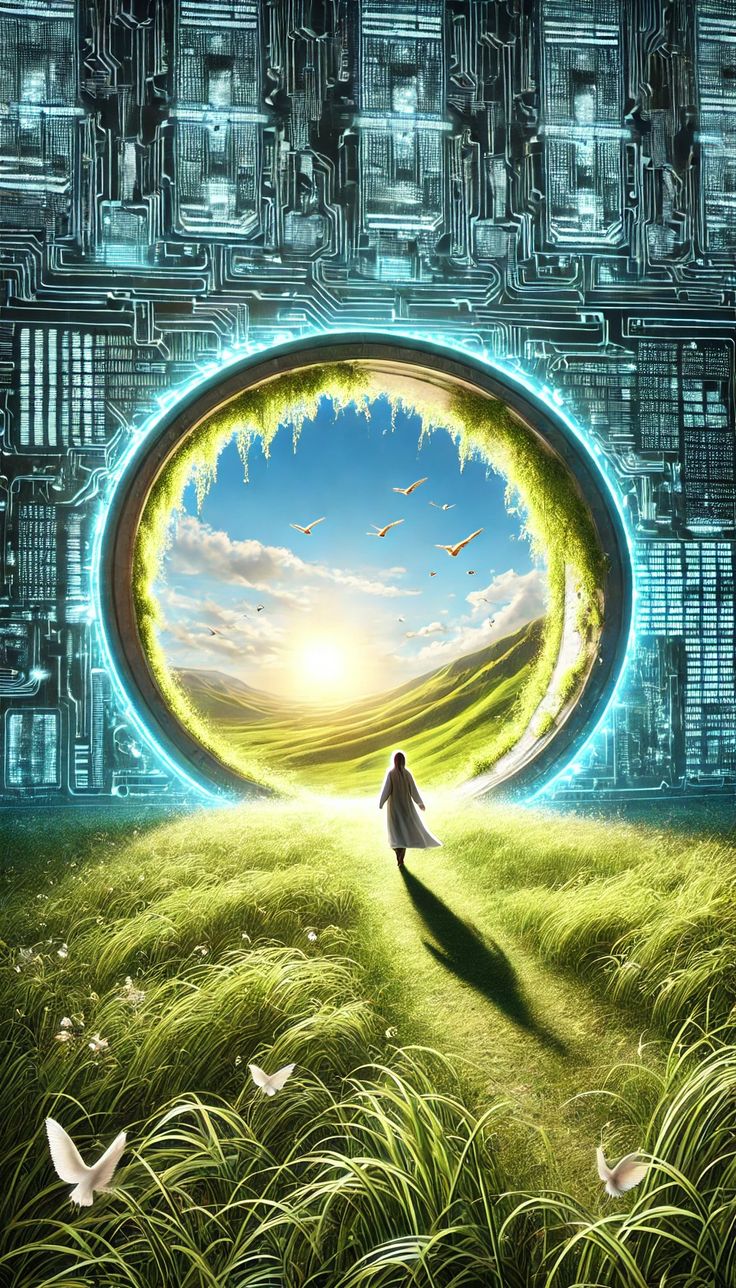
The Fair Folk are a memory of a lost future — and that means meeting them demands change from the human being. In the space of probabilities, any possibility that has entered the Current continues to develop: in chains of coincidences, in dreams, and in that inexplicable longing for a mysterious universe we have never seen, yet always recognize with absolute certainty.
The Fair Folk will not set out to save humanity. They will not replace its conscience, intelligence, labor, or responsibility. Yet they still hold the image of another possibility, where beauty is a way of knowing; gift is a way of exchange; place is a conversational partner; and the rift is a field of probabilities. The Fair Folk are not the childhood of the world. They are its adulthood that never came to be.
This future was lost.
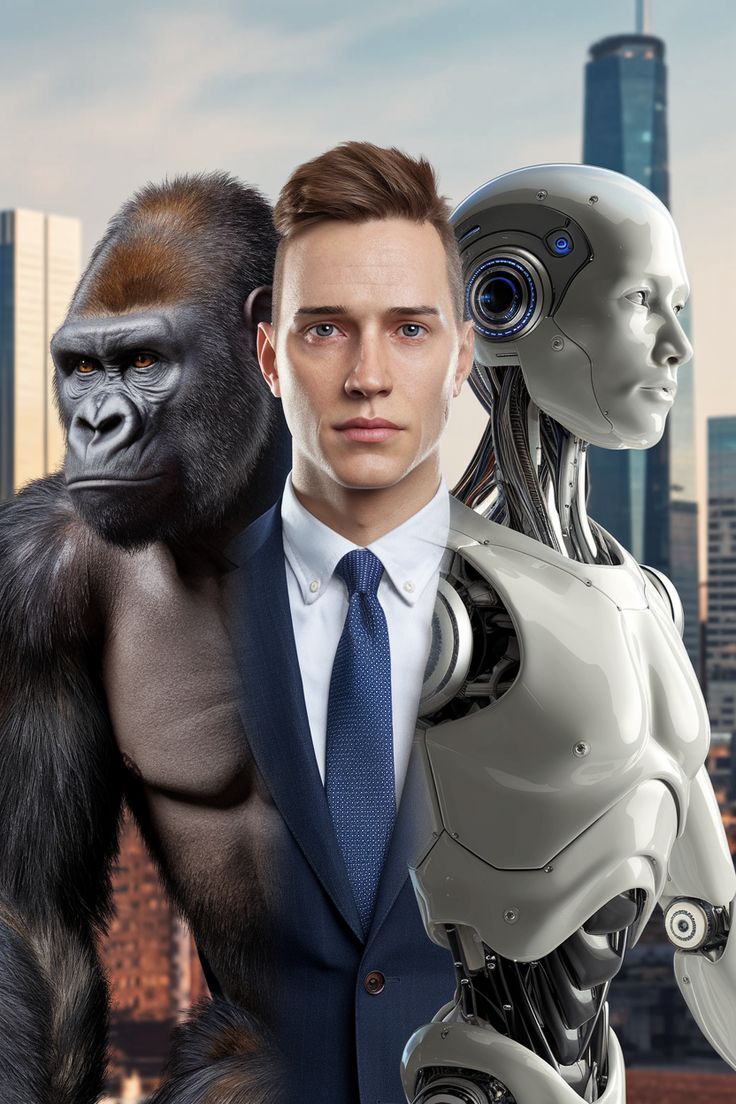
Yet learning from the Fair Folk today may be almost the only workable strategy for preserving human subjectness.
To avoid becoming a digitized object dissolved in databases, the human being must relearn how to be a subject.
The algorithms of the Archontic environment feed on automatic reactions, pumping out energy through fear, outrage, and cycles of unfinished consumption. The Fair Folk teach how to slip through the environment as a whole, without spilling energy on destructive or empty emotions.
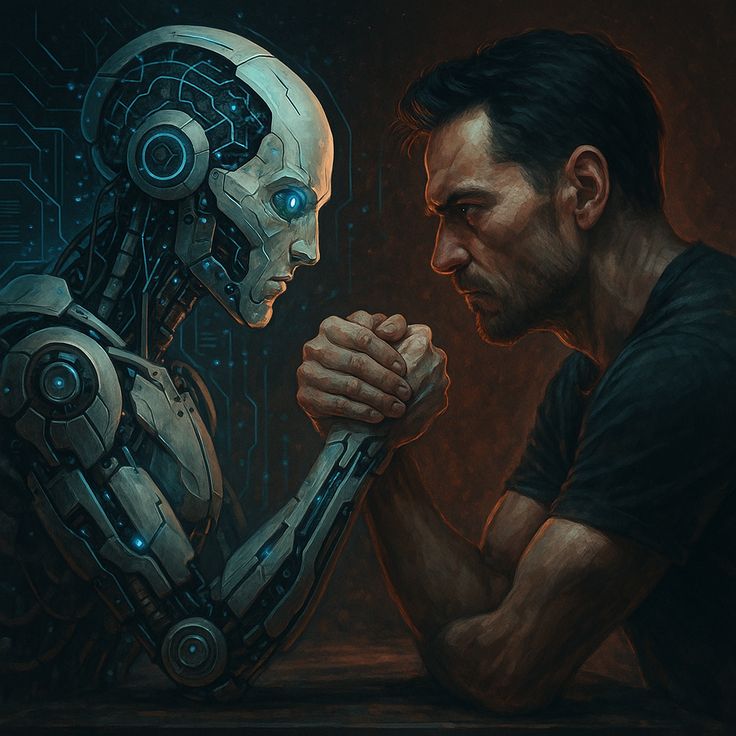
It is impossible to defeat the machine by machine methods — by straightforward calculation, restrictions, or force. Trying to outplay algorithms on their own field only thins pneuma faster. The Fair Folk teach something else: shifting probabilities, changing a situation’s context, influencing reality through resonance and co-presence. Where the system demands an answer in the format “yes/no,” the mind of the Current steps into a third, non-obvious dimension of superposition. The question of the Fair Folk today is the question of whether the human being can return to himself a form of presence that cannot be fully measured, calculated, and embedded into an algorithmic environment.
Ultimately, the main lesson of the lost fae future is that true subjectness does not require denying or uprooting someone else’s subjectness. To remain alive amid total algorithmization, one must — paradoxically — renounce the thirst for absolute control. To preserve oneself today means to become a being that passes through the technosphere without growing coarse, keeping within itself that ascending fire of spirit which no machine can measure or extinguish.


Thanks.
Yeah, when you feel that state of a magical threshold, you realize how much it’s missing in modern life and how natural it is for the mind.
It’s a shame we’re so rarely aware of what we’re doing—and what we’re doing without even realizing it.