
Schools of “Mind” and “Feeling” in the Eastern Tradition
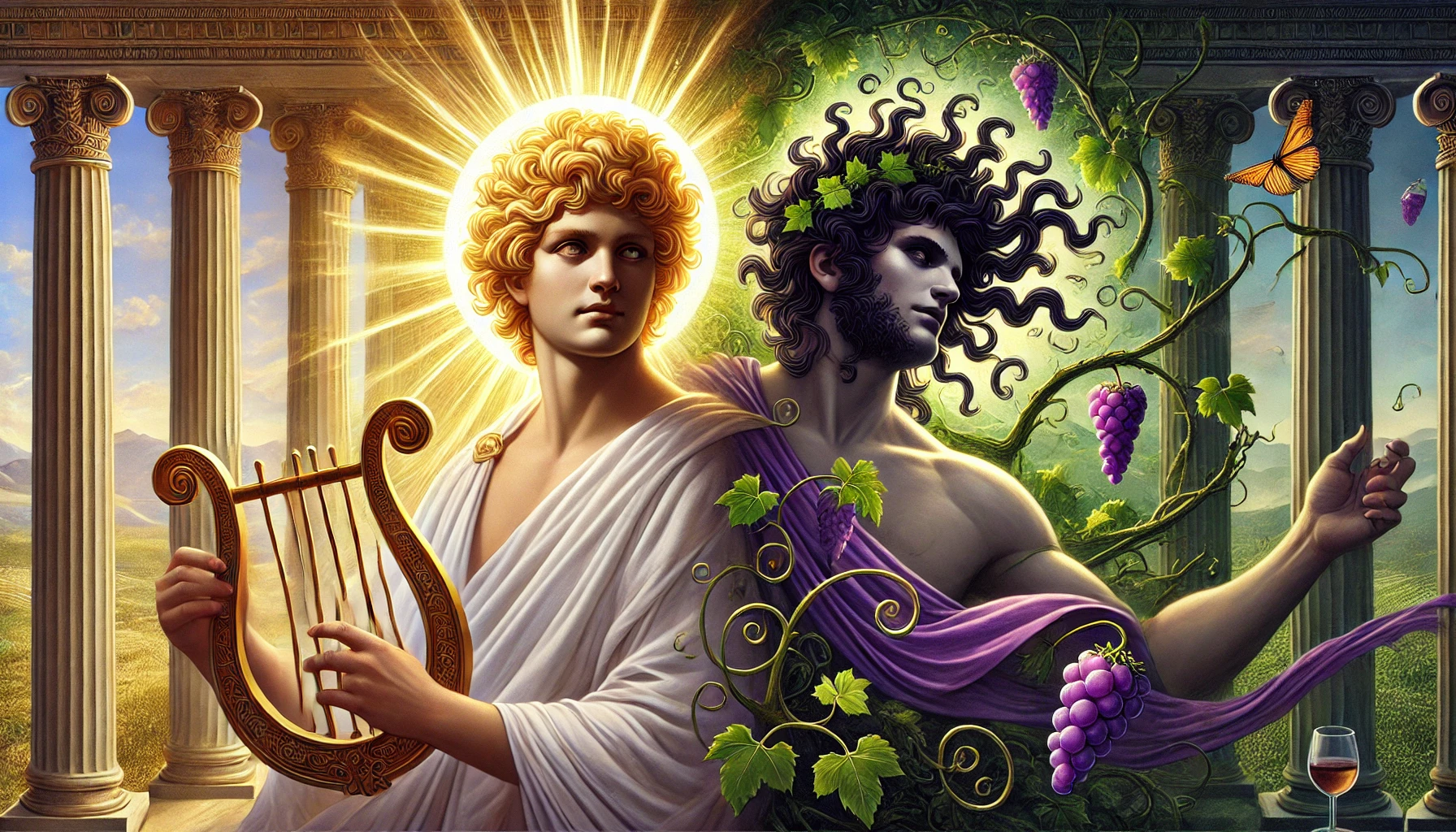
In earlier discussions we noted that different ways of integrating the mind and its experience — which lead to the awareness of unity and wholeness — initially engage different components of the psyche.
Just as Western paths of development begin with a “refuge” in pure intellect (Apollo) or in emotional depth (Dionysus), and only later integrate them in the mature wayfarer (Orpheus), in the East an emphasis on different principles of the mind creates the Vishnu-Shiva dichotomy, which may then be integrated or “dissolved” into the universal Brahman.
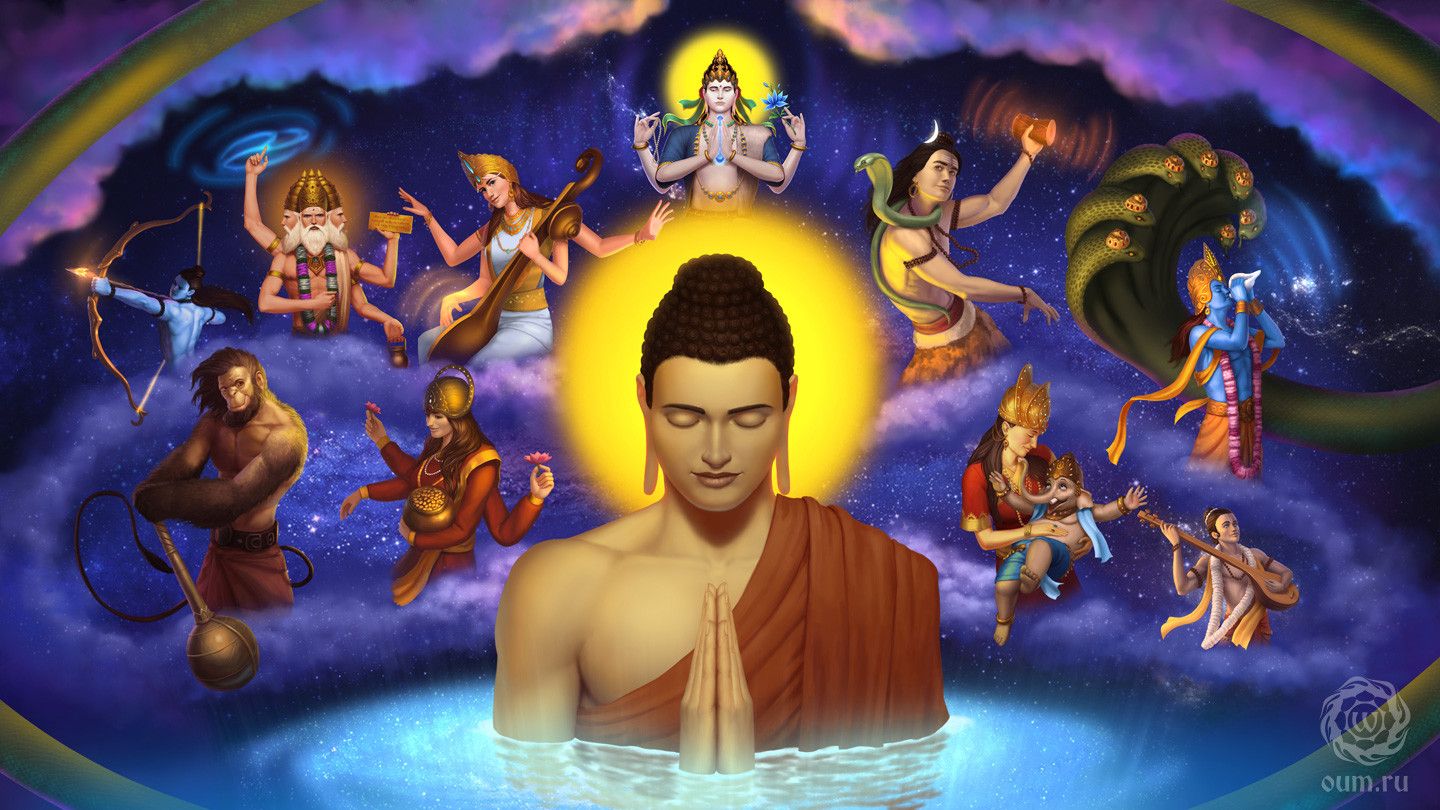
And this applies not only to Hindu schools; one might say that in spirit Mahayana Buddhism is closer to the Vaishnava schools, whereas Vajrayana Buddhism is nearer to Shaivism. Indeed, in Vaishnavism bhakti (devotion) to a personal God — say Krishna or Rama — occupies a central place. Similarly, in Mahayana, especially at the popular level, considerable attention is paid to bodhisattvas who, out of compassion for beings, defer their full awakening in order to help others. In particular, the bodhisattva Avalokiteshvara, the embodiment of boundless compassion, evokes Vaishnava notions of personal mercy of God. Moreover, Mahayana contains a concept of an all-encompassing savior in the form of bodhisattvas such as Manjushri, Tara, or the Buddha Amitabha, whose Pure Land (Sukhavati) resembles the Vaishnava Vaikuntha — the abode of Vishnu. Amitabha in particular is close to the Vaishnava idea of Vishnu as a merciful savior.
Although Mahayana philosophy remains close to the ideas of emptiness (shunyata), many of its traditions attribute personal characteristics to the Absolute through visualizations and worship of bodhisattvas. This aligns it with Vaishnavism, where the personal aspect of God occupies a central role.
Vajrayana, by contrast, rests on tantric methods that evolved within Hindu tantra, especially the Shaiva streams. It shares key elements with them: the use of mantras, yantras, mudras, ritual visualization, and working with energy. Practices that transform passions and the mind through shakti (energy) recall Shaiva tantric approaches. Additionally, Vajrayana widely employs symbolism of the union of male and female principles — for example, the yab-yum (father-mother) — which corresponds to the Shaiva concept of unity of Shiva and Shakti. This school also places great emphasis on inner practices related to energy centers (chakras), channels (nadi), and prana, also characteristic of Shaiva hatha yoga and tantra. Like Shaiva tantra, Vajrayana uses ritual and symbolic practices that may transgress conventional norms (for example, sexual practices, meditations on death, and the use of “impure” symbols). Such approaches are connected to the idea of transforming all aspects of life, including the dark sides of the mind. In both Vajrayana and Shaivism, deities are considered not as external beings but as manifestations of universal mind or energies with which the practitioner seeks to merge.
At the same time, the Nath Tradition (Nāthasaṃpradāya) combines elements of Buddhist tantra, Hindu yoga, and Shaiva teachings, creating a syncretic tradition that reflects the philosophical, religious, and practical richness of India. The Naths borrowed much from Buddhist Vajrayana, in particular tantric practices and the idea of using the body and energy to attain liberation. For example, principles of working with energy via internal channels (nadi), centers (chakras), and vital force (prana) developed in Buddhist tantra and found expression in the hatha-yoga practice of the Naths. The concept of Mahamudra — the “Great Seal,” especially popular among Vajrayana adherents (notably in the Karma Kagyu school) — influenced the Naths, and its practical applications (in particular, the Six Yogas of Naropa) are close to both traditions. The Naths also adopted a meditation approach based on nonduality of mind and reality. However, the Nath Tradition is also tightly linked with Shaivism, especially its tantric currents. The central figure for the Naths is Adi Nath (Shiva), perceived as the Primordial Guru and source of all teachings. The Naths inherited from Shaiva tantra an emphasis on unity of Shiva and Shakti and practices related to the transformation of energy. In this tradition, yogic realization through hatha-yoga — largely rooted in Shaiva yogic traditions — holds an important place. The Naths absorbed the ideas of advaita (nonduality), characteristic of Advaita Vedanta of Shankara, but integrated them with bodily and energetic practices.
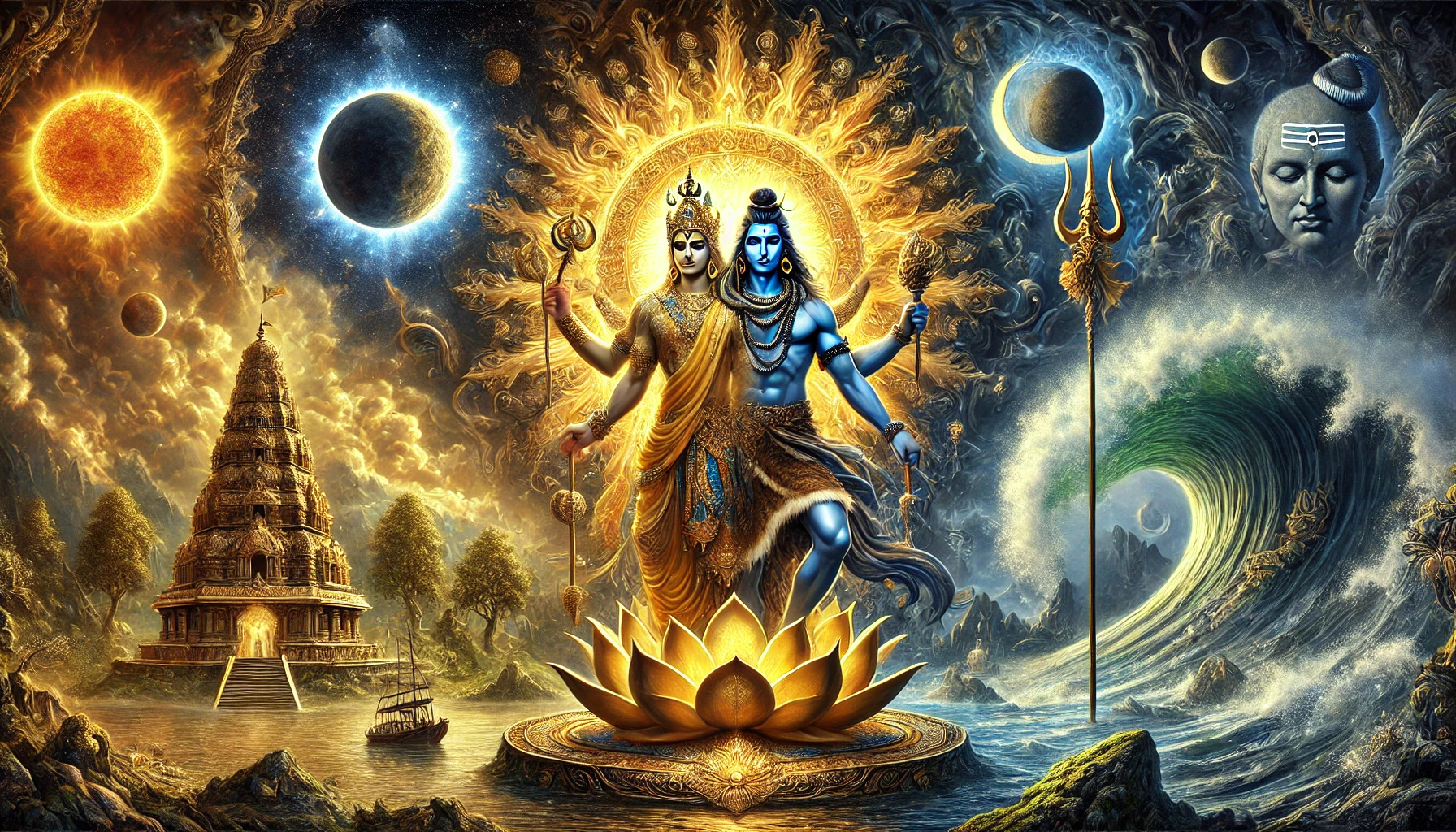
A classification of Hindu and Buddhist schools according to their reliance on logic or an intuitive-emotional mode of knowing can provide an interesting perspective on their approaches and methods. Below is an attempt to divide schools, taking into account their key principles and emphasis on rationality or intuitive perception.
1. Schools founded on logic and rational analysis
These Traditions emphasize logical thinking, epistemology (theory of knowledge), and systematic analysis of reality. They seek to explain the world and spiritual phenomena through rational categories.
Hindu schools:
Nyaya — focuses on logic (tarka) and epistemology. This school defines the means of knowledge (pramanas) and stresses rational analysis as a means of apprehending truth. It creates a rigorous logical foundation for philosophical and religious questions.
Vaisheshika — develops a metaphysics based on atomism, with a rational approach to the constitution of the world. This school seeks to explain the nature of objects through categories such as dravya (substance) and guna (quality).
Mimamsa — is concerned with interpretation of the sacred texts (the Vedas) but does so from a logical standpoint. The school analyzes ethical and ritual questions through the lens of cause and effect.
Advaita Vedanta (in Shankara’s interpretation). Although Advaita in general is oriented toward nonduality, Shankara makes extensive use of rigorous logic to justify the illusory character of the world (maya) and the unity of Brahman.
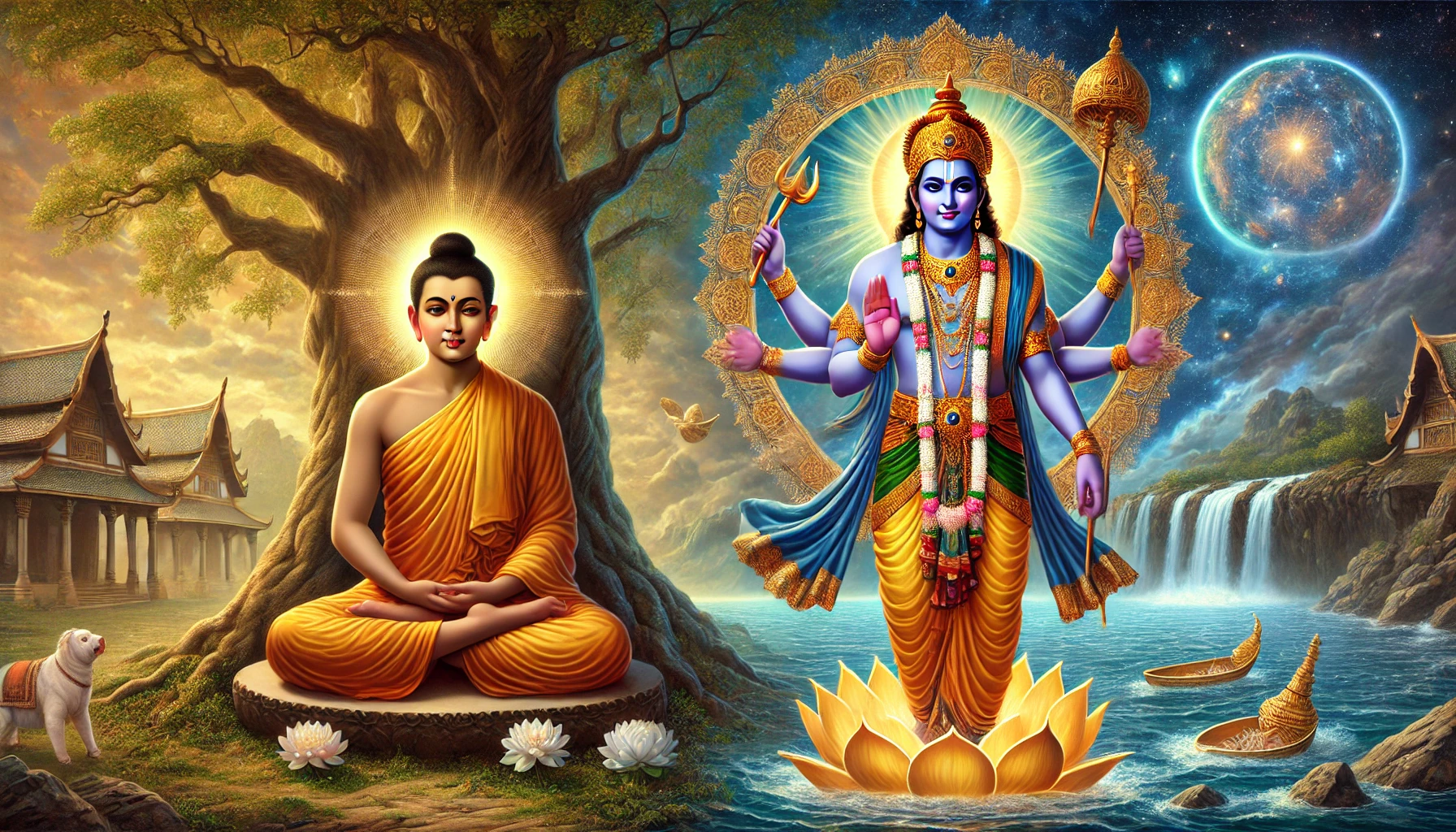
Buddhist schools:
Theravada — gives special attention to analytical investigation of the nature of suffering (dukkha), causality, and the path to liberation. It approaches the Pali Canon with a rational interpretation.
Madhyamaka (Nagarjuna) — places great emphasis on systematically dismantling concepts through a dialectical method (prasanga). It also employs logical analysis of the doctrine of emptiness (shunyata) and dependent origination (pratityasamutpada).
Buddhist logic (Dignaga and Dharmakirti) — develops a theory of perception (pramanas) and rigorous logic, investigating the nature of knowledge, reality, and mind.
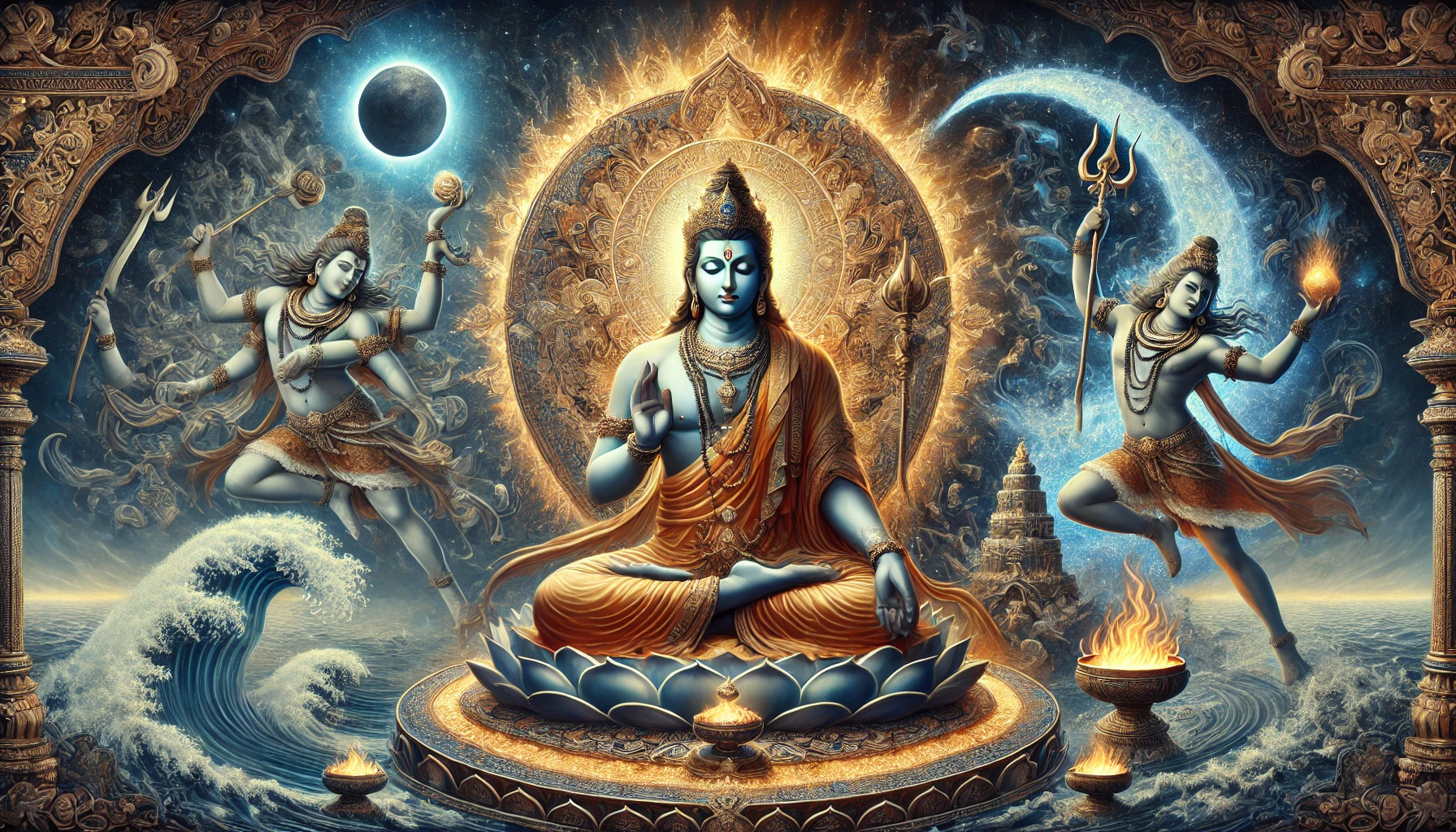
2. Schools grounded in an intuitive-emotional mode of knowing
These schools emphasize direct experience, intuition, emotional perception of the world, and transcendental encounter rather than rational analysis.
Hindu schools:
The Bhakti movement (Vaishnavism and Shaivism) — is founded on devotion (bhakti) and an emotional bond with God. Adherents of these traditions hold that love, faith, and an intuitive sense of God surpass logic.
Shaiva Siddhanta — focuses primarily on the mercy of Shiva as the source of liberation, which requires emotional engagement and intuitive understanding.
Kashmir Shaivism — emphasizes spontaneous experience of the divine through intuition. It includes the important concept of spanda (vibration of the mind), stressing the significance of transcendental experience.
Yoga (Patanjali). Although the Yoga Sutras contain logical elements, the practice of yoga is mainly oriented toward intuitive apprehension through meditation and inner experience.
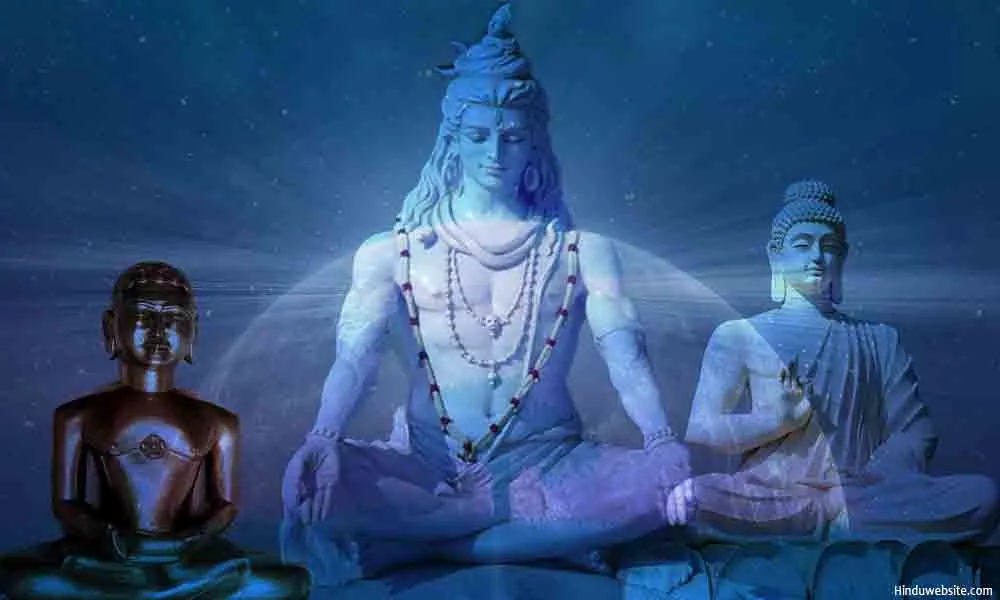
Buddhist schools:
The Pure Land school (Amitabha Buddhism) — is founded on faith in the saving power of the Buddha Amitabha and an intuitive aspiration toward the Pure Land. Emotional involvement and the simplicity of practices — especially the repetition of Amitabha’s name (Amituofo) — make it popular among devotees.
Vajrayana — emphasizes tantric methods, visualizations, and spontaneous experiences. The Diamond Vehicle uses symbolism and ritual to transform the mind, relying on intuitive understanding.
Chan (Zen) — generally rejects logical analysis in favor of direct intuitive knowing of reality. Practices such as zazen and koans aim to break down conceptual thinking and awaken intuition.
Yogacara (Cittamatra) — stresses the nature of mind and the need for intuitive awareness that reality is mind. From this school’s perspective, meditative experiences outrank analytical approaches.
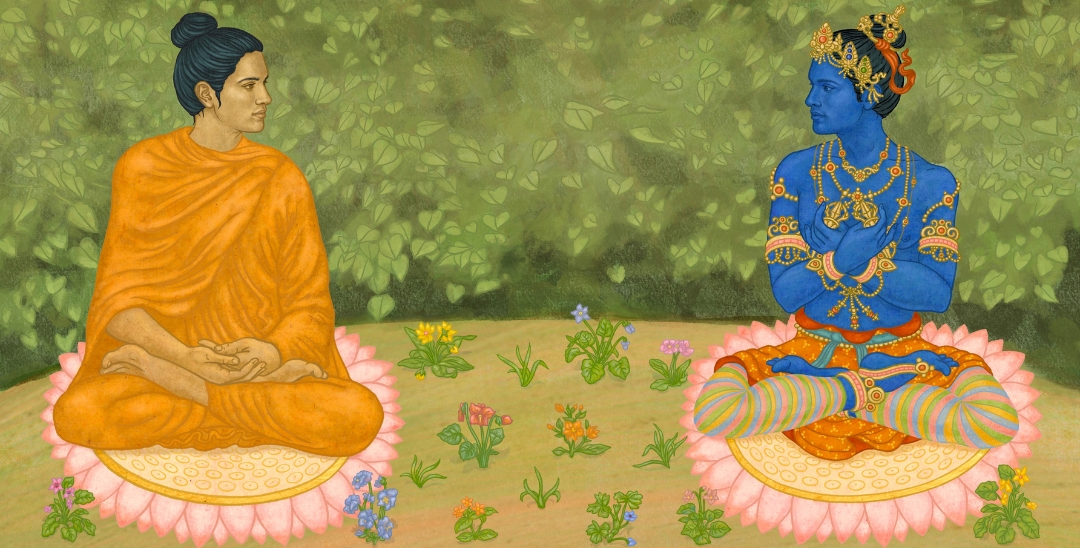
Overall, one can say that in Buddhism the Sravakayana schools more often rely on logic and systematic analysis, especially the Vaibhashika and Sautrantika traditions. Mahayana combines both approaches: Madhyamaka and Dignaga–Dharmakirti are more logical, while Yogacara and Tathagatagarbha lean toward intuitive and emotional practices. Vajrayana harmoniously unites both methods: a rigorous structure of practice together with deep intuitive-emotional involvement.
In Hinduism, despite the common core idea of bhakti (devotion), approaches to it in Vaishnavism and Shaivism differ, and those differences are largely connected to the distinct natures of the gods themselves, their symbolic meaning, and how they are perceived in spiritual practice.
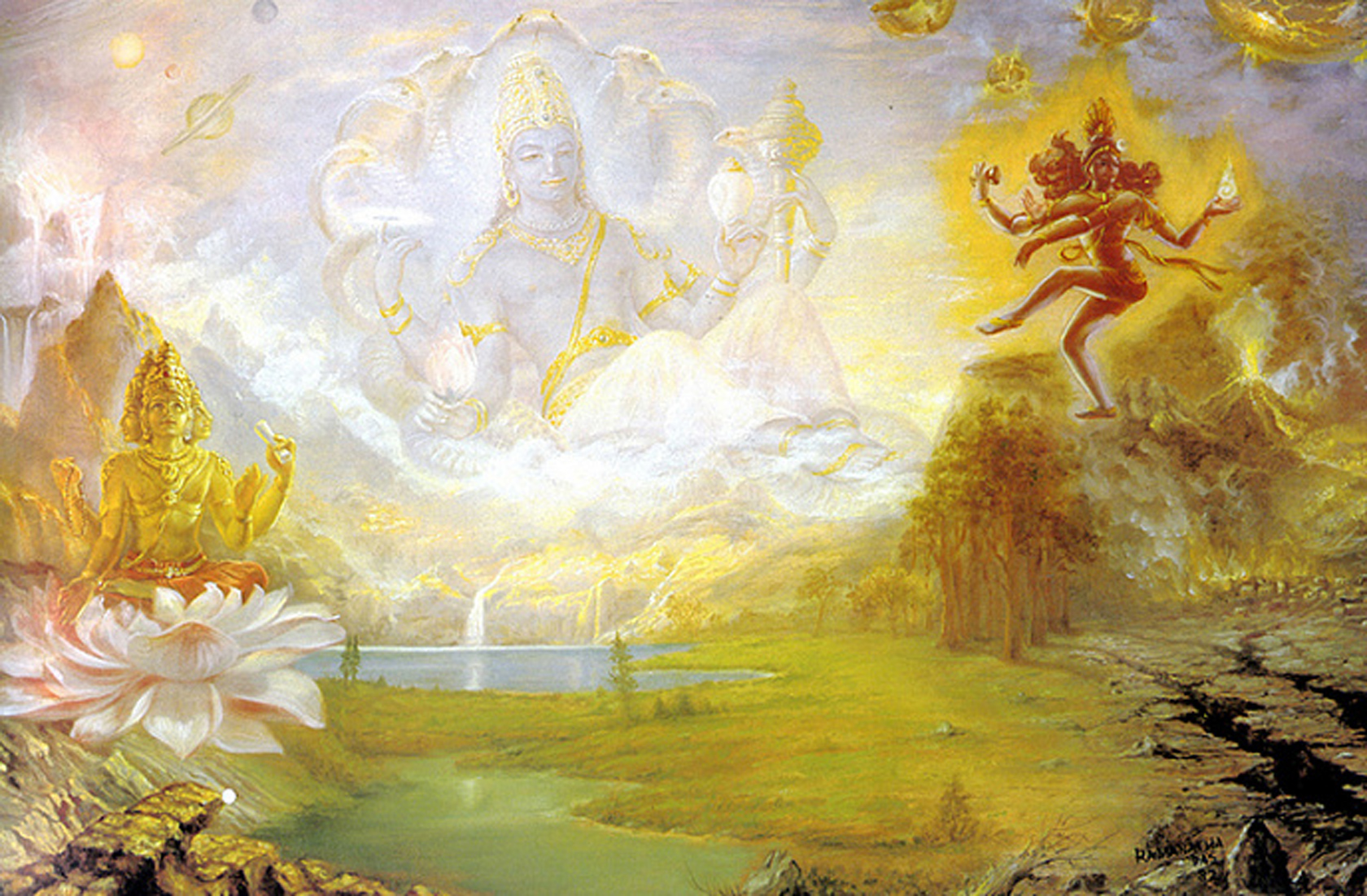
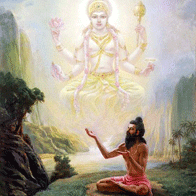
Thus, Vishnu is perceived primarily as the God of order, maintenance, and harmony. He personifies structured cosmic activity (dharma) and intervenes in the world through his Avatars to restore balance. Therefore devotion to Vishnu is tied to faith in his mercy, protection, and salvific role. Vaishnava bhakti is built on a close emotional bond with God, experienced as intimate and accessible. The God may manifest as Rama, Krishna, or another Avatar with whom the bhakta cultivates a personal relationship. Vaishnavism emphasizes that salvation is possible through God’s grace. The bhakta who utterly surrenders to God attains liberation through God’s protection.
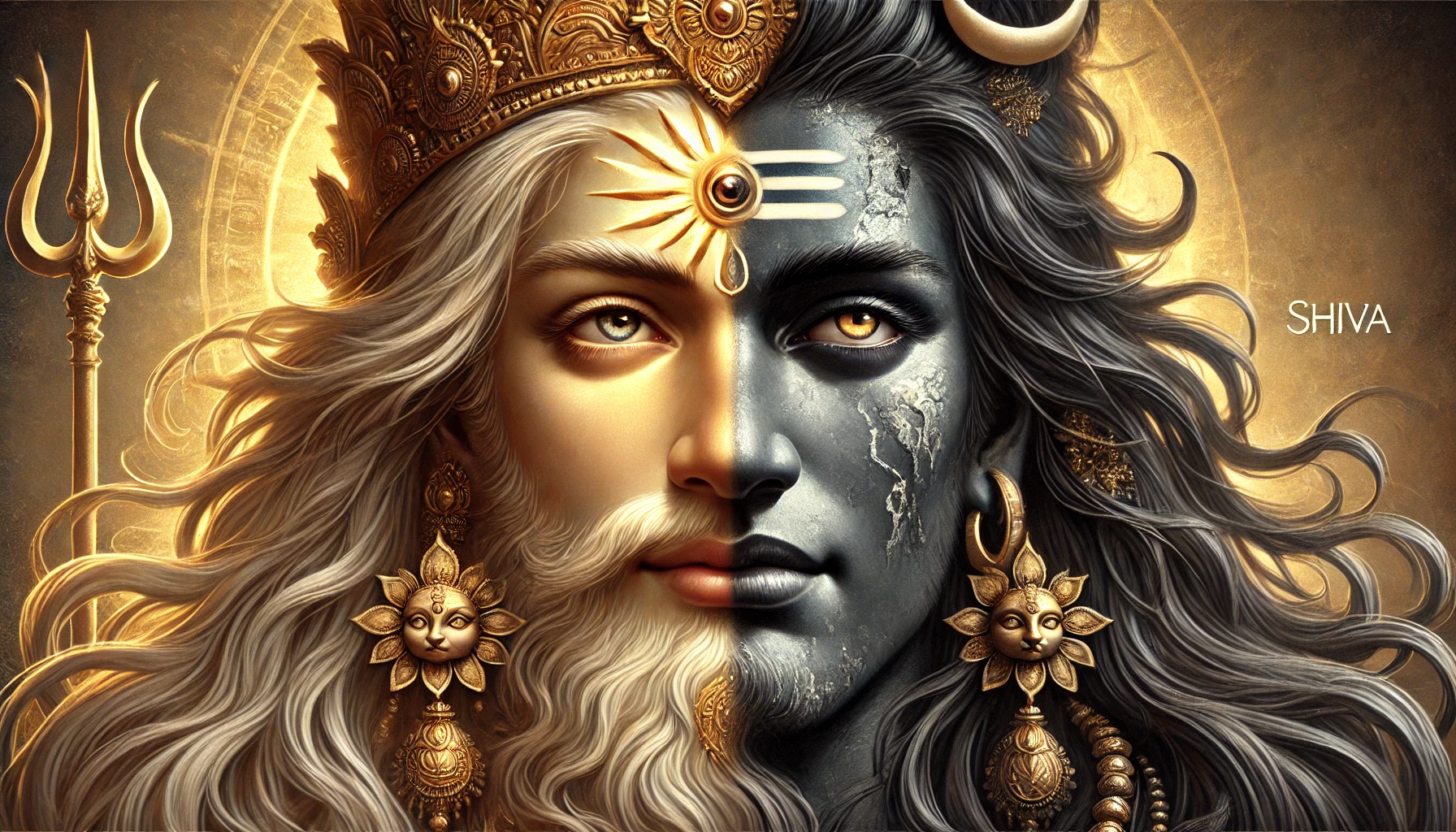
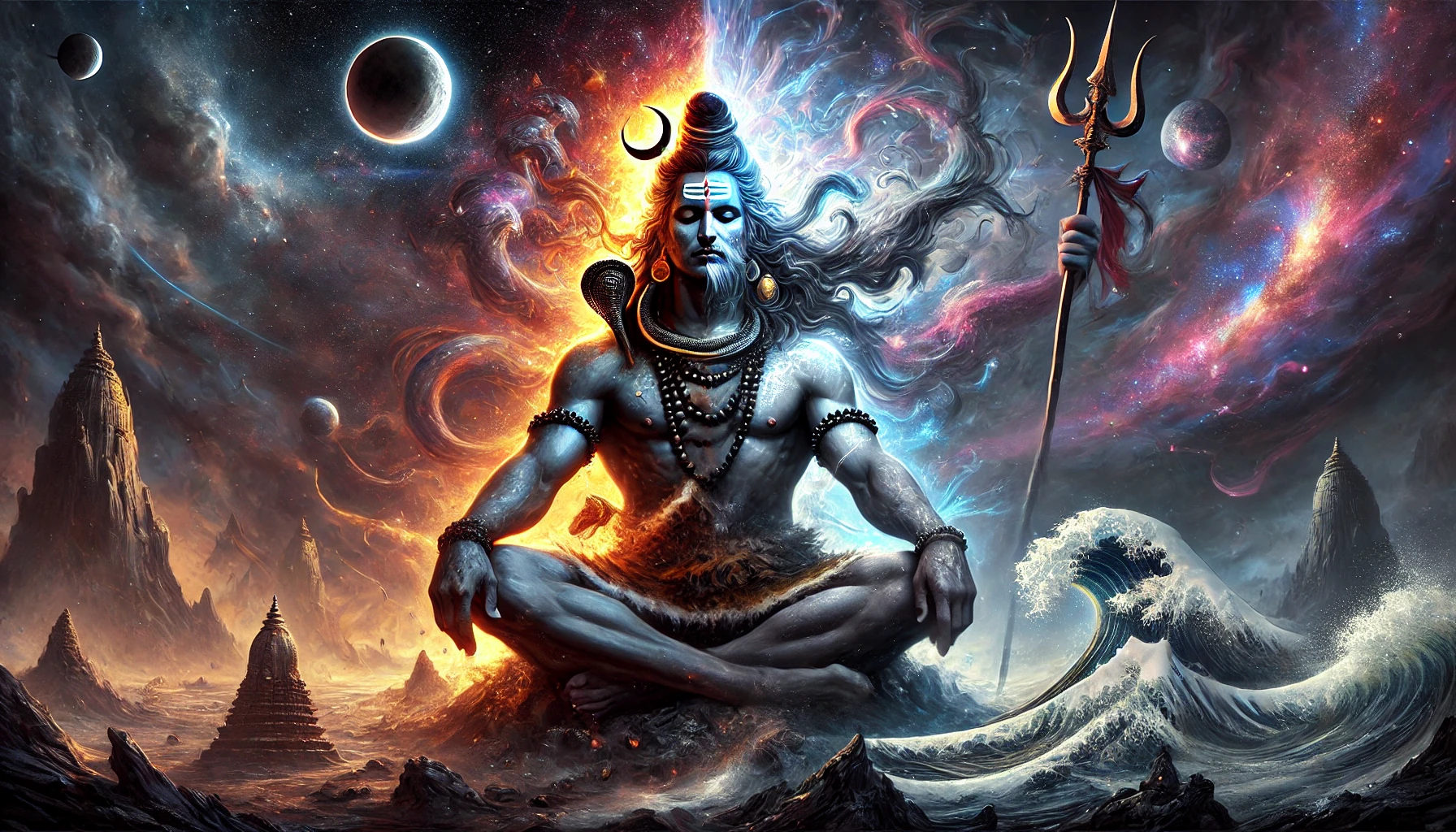
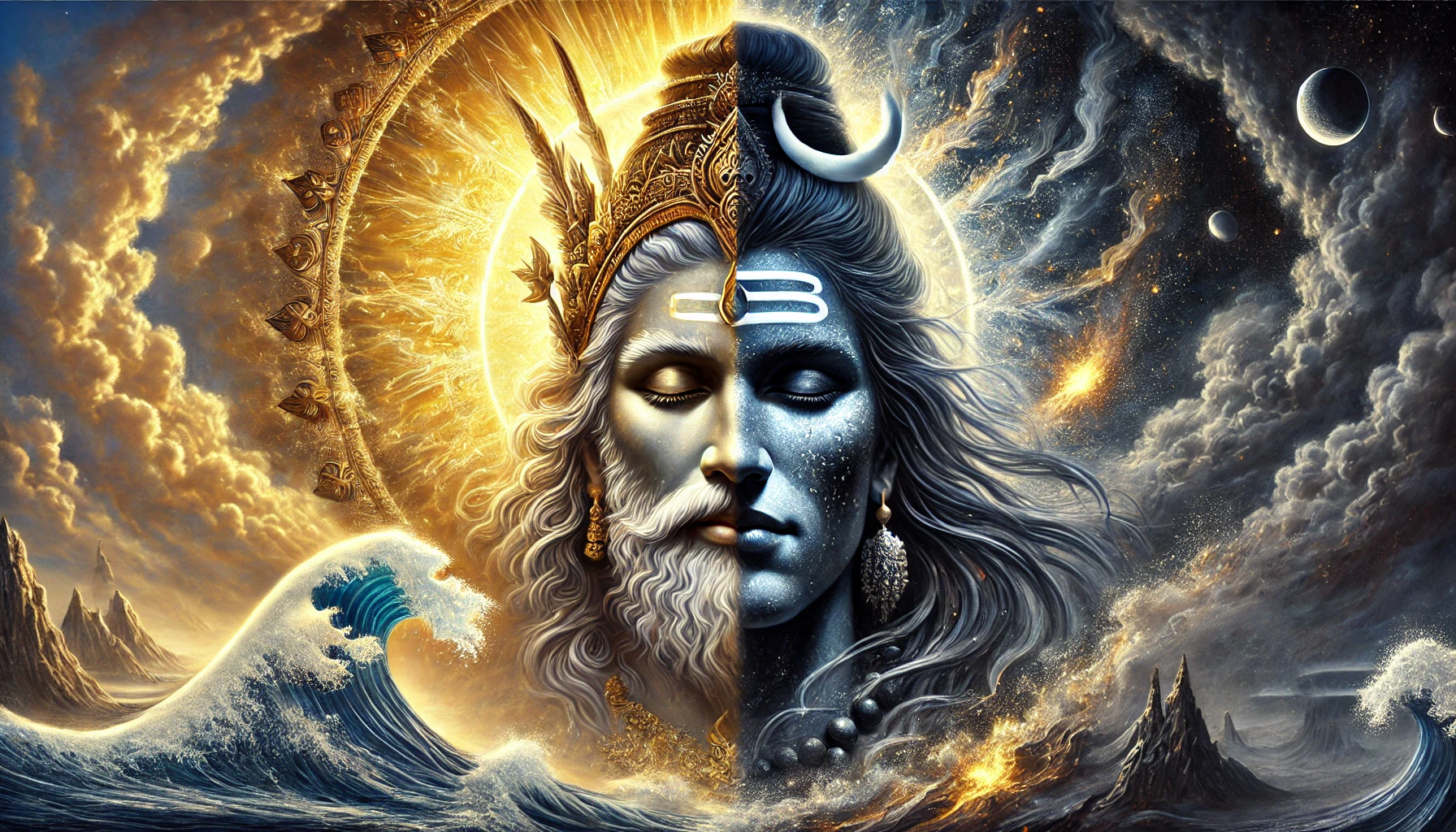
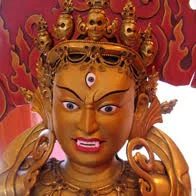
Shiva, on the other hand, is a more paradoxical deity, uniting opposites: destruction and creation, asceticism and passion. He embodies chthonic and transcendental aspects of reality, existing beyond structure and norm. Accordingly, devotion to Shiva often implies deep personal transformation and acceptance of chaos as an integral part of the spiritual Way. Shaiva bhakti requires the bhakta’s readiness to embrace all aspects of life — both the light and the dark. Shaiva devotion often has a more intimate, even personal character. Shiva is perceived as an inner guru who leads the bhakta through internal transformation. This reflects Shiva’s nature as a deity who unites creation and destruction. Unlike Vaishnava bhakti, Shaivism emphasizes Shiva’s transcendent nature. He is often seen as divine mind beyond human comprehension. This is expressed in Shaiva practices of “self-surrender,” where the bhakta dissolves the ‘me’ in a higher reality.
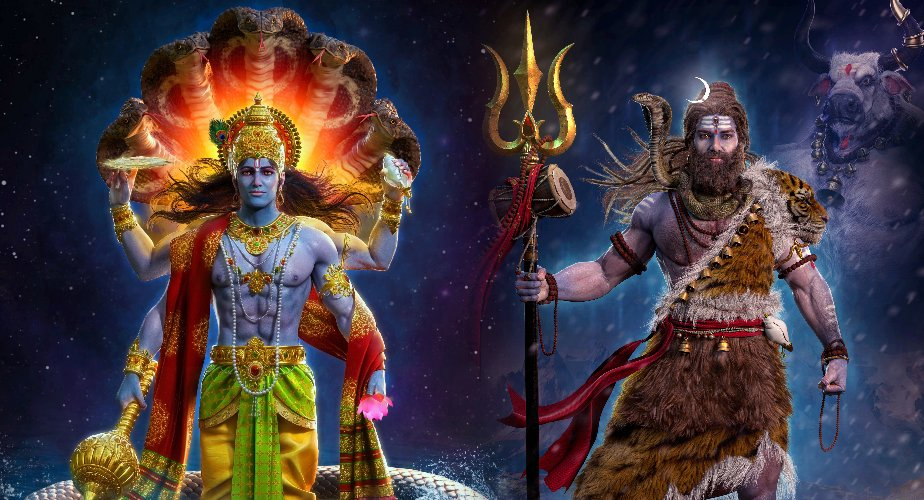
Both directions, however, engage different aspects of the human psyche, which makes them particularly effective and profound from the standpoint of transformation.
Vaishnavism primarily mobilizes the “daytime,” rational side of the psyche with its emphasis on order, dharma, structured worship, and a clearly organized system of relations between the divine and the devotee.
In Vaishnavism the emotionality of bhakti is often structured through images of love, friendship, or service (for example, madhurya-bhakti in the Krishna tradition). Emotions are directed and disciplined through strict forms of worship and conduct. It emphasizes collective aspects of devotion and social norms, reflecting the work of the conscious mind seeking integration with society.
Shaivism, by contrast, is oriented more toward the “night,” the irrational side of the psyche; it operates with the subconscious realm associated with chaos, deep experiences, passions, and transformation. This direction recognizes and accepts contradictions and the dark aspects of human nature.
The chthonic aspects of Shaivism (meditation in cremation grounds, asceticism, death symbolism) steer practice toward working with the unconscious. In Shaiva bhakti emotions are less structured than in Vaishnavism and include intense experiences. For example, Shiva may be worshiped through spontaneous dances (as in his cosmic dance), and bhakti implies a deep inner union with the deity via meditation or austerity. Moreover, Shaivism emphasizes the importance of personal transformation and an individual Way, reflecting the work of the subconscious where deep internal conflicts are integrated.
In Buddhism the teachings of Sutras and Tantras can likewise be read as expressions of a similar duality that reflects different aspects of the psyche and approaches to apprehending reality. Just as Vaishnavism and Shaivism represent the “day” and “night” sides of the mind, the Sutrayana and Tantrayana in Buddhism can be associated with rational and intuitive-sensory modes of spiritual experience.
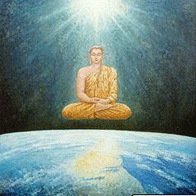
Thus, Sutrayana (the Sutra teachings) includes fundamental Buddhist doctrines: the Four Noble Truths, the Eightfold Path, concepts of impermanence and anatman (the absence of a permanent Me), and practices of mindfulness meditation (shamatha, vipassana). The Sutras are grounded in logic, analysis, and a sequential approach to liberation. Practitioners employ methods of gradual development: first moral conduct (shila), then mind-training (samadhi), and finally the cultivation of wisdom (prajna). This approach is structured and predictable, making it rely on the “daytime” mind oriented toward order and clarity.
The Sutra teachings aim primarily at removing suffering and attaining a state of calm through adherence to established principles. They also emphasize strict ethical discipline, which strengthens ties to social structure and a rational, orderly way of life.
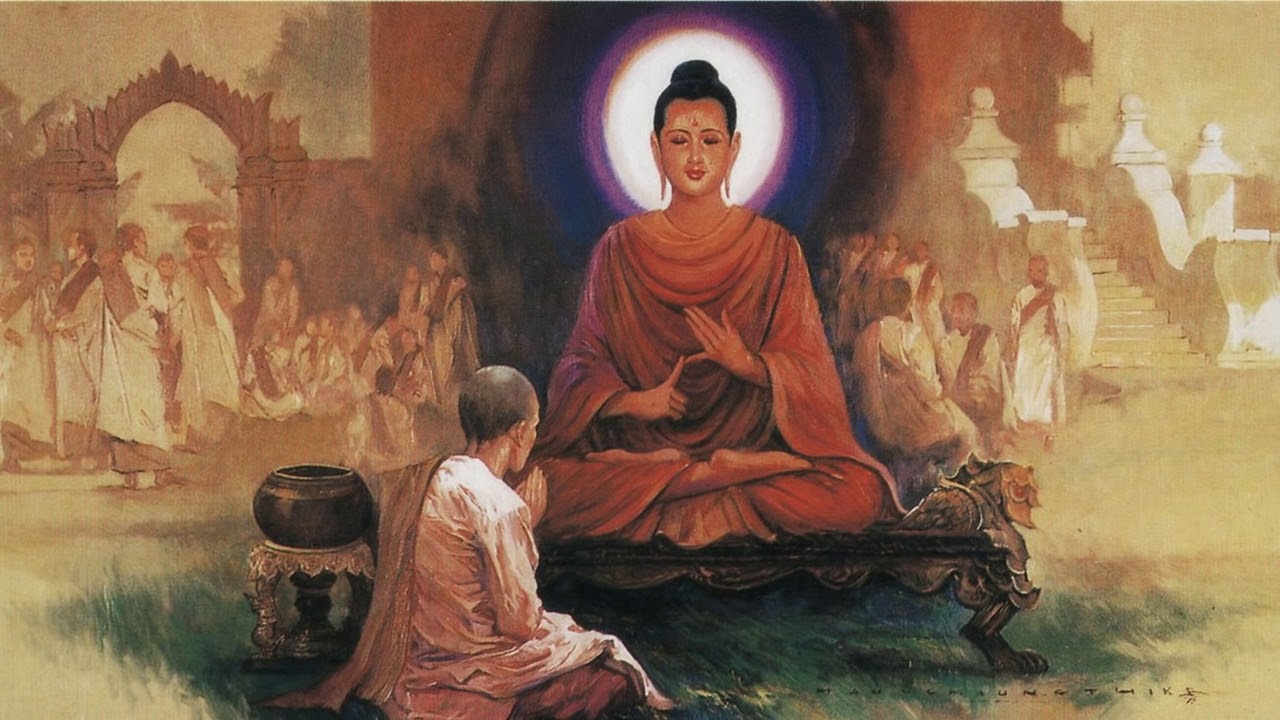
Tantrayana (the “Chariot” of Tantra), especially in the form of Vajrayana, constitutes a more esoteric strand of Buddhism that uses potent symbolic and intuitive methods — mantras, mandalas, visualizations, rituals, and particular energetic practices. Through them Tantrayana works with the subconscious, emotions, and passions. It focuses on transforming desires, fears, and other powerful emotional energies into Enlightenment. In this way it engages the “night” mind, which addresses hidden, non-obvious layers of the psyche.
In Tantrayana reality is understood as a manifestation of the unity of emptiness (shunyata) and form. Its practices aim at direct experience of this unity, which requires an intuitive and sensory approach. Furthermore, tantric practices demand deep inner trust in the Master and a high level of preparation, since they work with powerful currents and symbols that lie beyond rational bounds. This is an accelerated path to awakening through intensive work with the energies of body and mind.
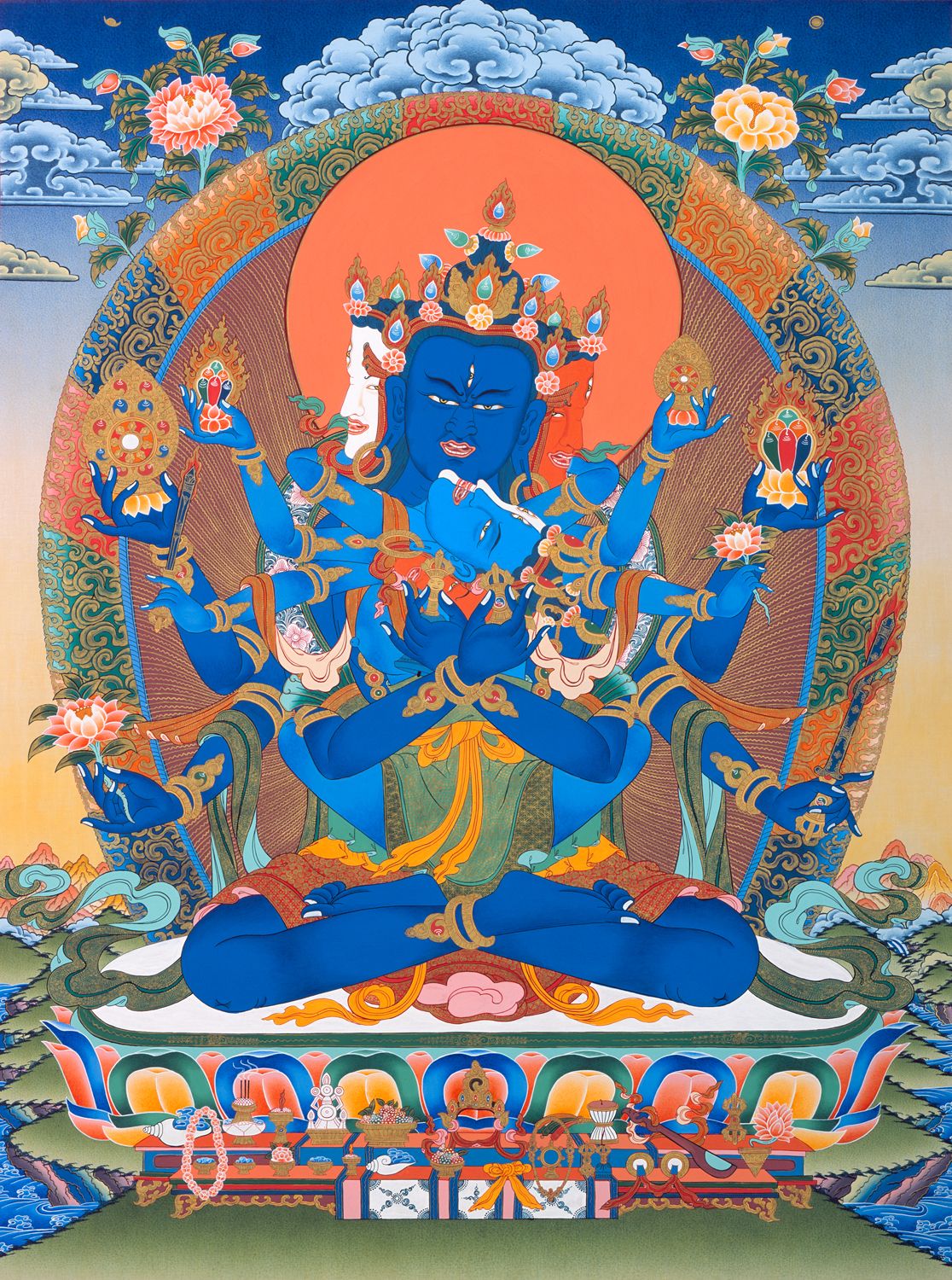
Overall, Sutrayana and Tantrayana represent two poles of the Buddhist Way: the first helps develop stability, clarity, and discipline, while the second explores and transforms the mind’s hidden sides. Sutras create the foundation without which tantra can become chaotic or dangerous. Tantra, in turn, helps transcend the formal approach of the sutras and attain a deep experiential realization.
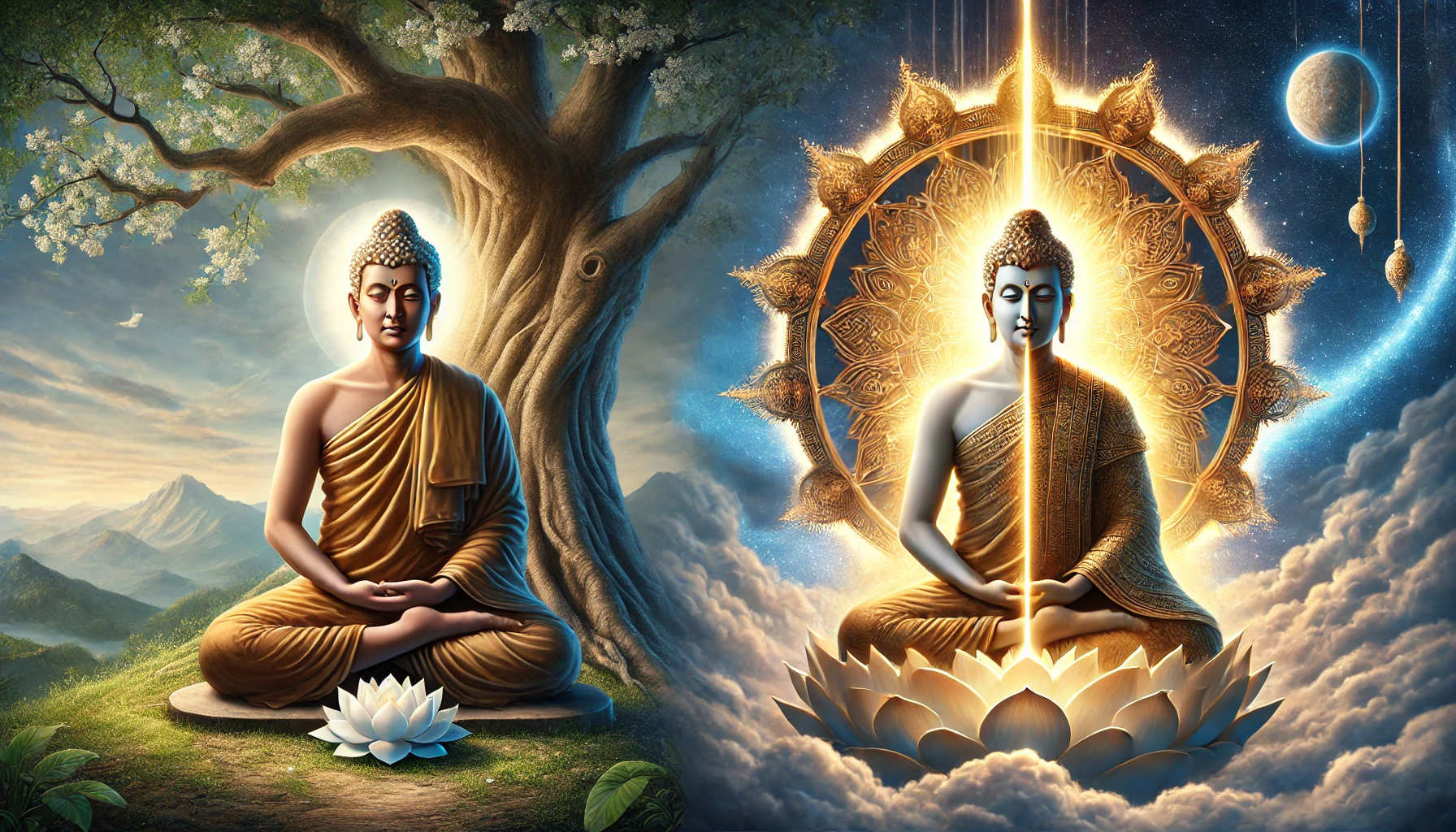
With the tendencies of “day” and “night” mind, rational and irrational approaches in Buddhist philosophy, it may be useful to compare the images of Vajrasattva and Vajradhara — two important meditative deities in the Buddhist pantheon. These two deities, representing different aspects of Vajrayana, express diverse and profound principles and energies that can be linked to different sides of the psyche and spiritual experience.
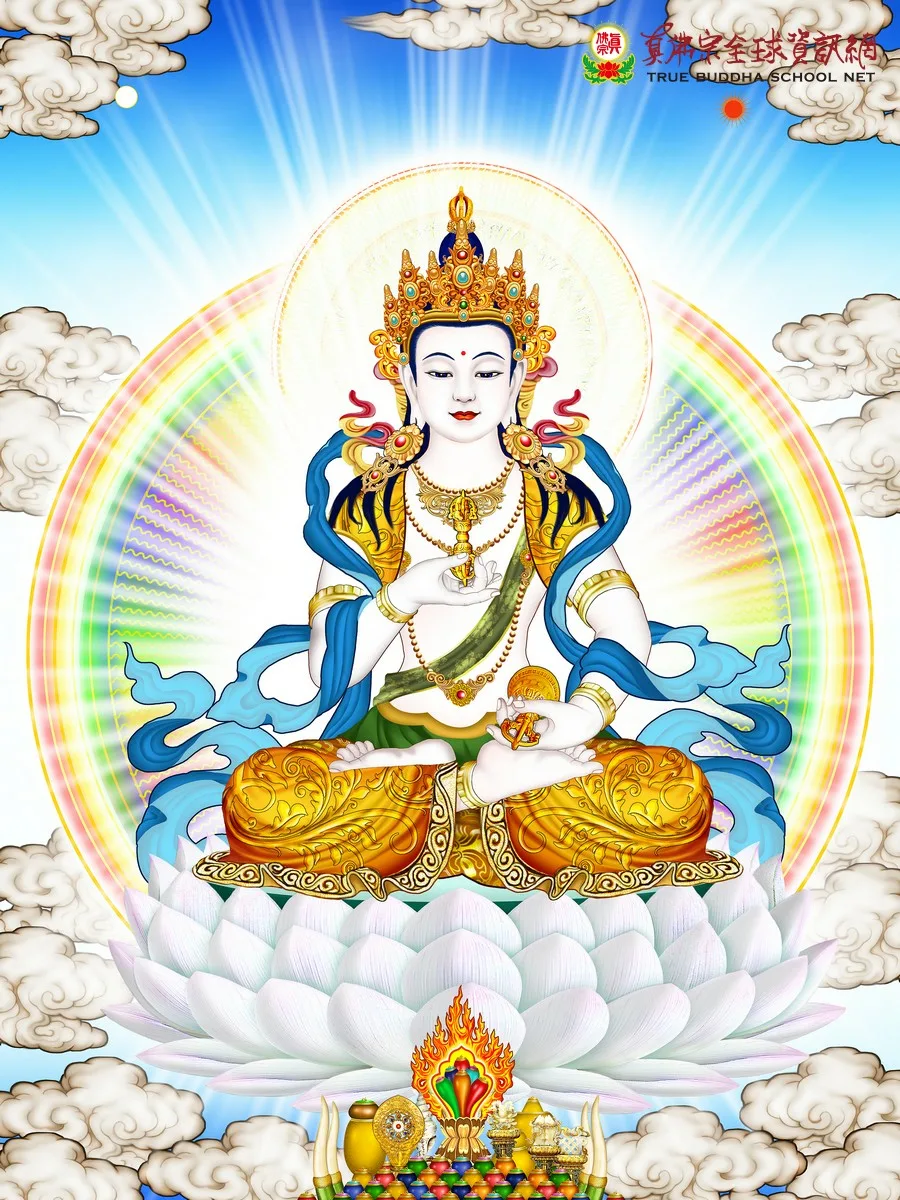
1. Vajrasattva: White, diurnal, rational, embodies absolute purity and the purification of karma, which corresponds to the “daytime” aspect of the mind associated with clarity, purification, and ordering. His white color is associated with light, clarity, and awareness, which further emphasizes a rational approach to spiritual development through analysis and self-control.
The vajra in his right hand at chest level symbolizes active engagement (method, the masculine principle, dynamism) and underscores the role of activity and involvement in purifying the mind. The bell (ghanta, drilbu) in the left hand, held in a more relaxed position, symbolizes wisdom (view, the feminine principle, immanent passivity), but here its role is secondary, subordinated to the process of action. This arrangement of attributes emphasizes the focus on active transformation and purification. Vajrasattva “acts” to purify karma and mind, preparing the practitioner for deeper levels of practice. The gesture symbolizes a harmony between action and wisdom in which action predominates as the basis of practice at the Sutrayana level.
Thus Vajrasattva represents a stage where purification and discipline become central to practice. This corresponds to the rational, “daytime” mind that seeks to order and clarify.
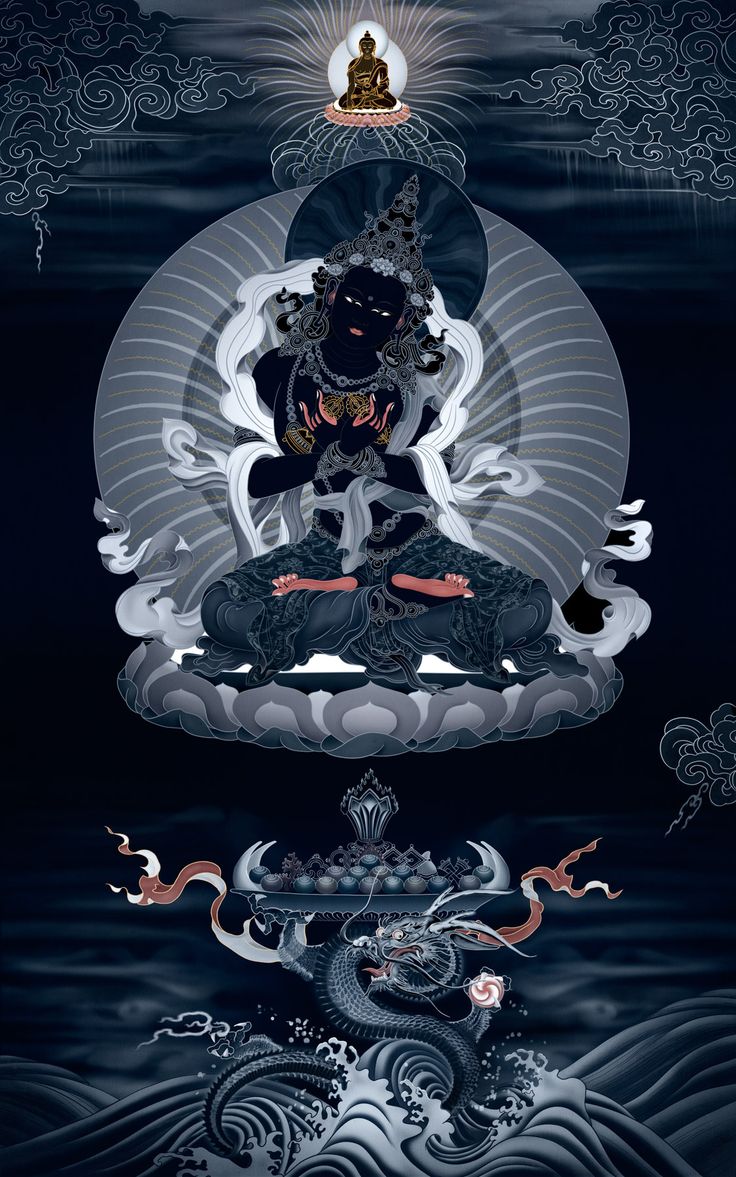
2. Vajradhara: Blue, nocturnal, irrational, expresses the night, the transcendental and the hidden. He is the aspect of deep experience connected with the integration of the subconscious and its transformation. His blue color conveys infinity and depth beyond the visible and rational.
Vajradhara is the source of all tantric teachings, representing a direct transmission of knowledge that does not require logical explanation but relies on intuitive apprehension. His image reflects work with energies, rituals, and visualizations characteristic of Tantrayana. He personifies transcendental truth that is not confined by the limits of rational thought.
His arms are crossed at chest level, holding the vajra and the bell, symbolizing the union of male and female principles, method and wisdom, action and view. This gesture points to an original unity in which the active (method) and immanent (wisdom) merge in nonduality. The crossed hands at the heart indicate that activity and wisdom are equal and inseparable. Such an approach corresponds to Tantrayana, where practice aims at transcendental realization of the unity of all opposites. As a yidam, Vajradhara represents the highest level of mind (sambhogakaya in the dharmakaya), where the distinction between action and wisdom vanishes and the practitioner perceives their primordial unity. This corresponds to the “night” mind, which encompasses the depths of the subconscious and transcendental oneness.
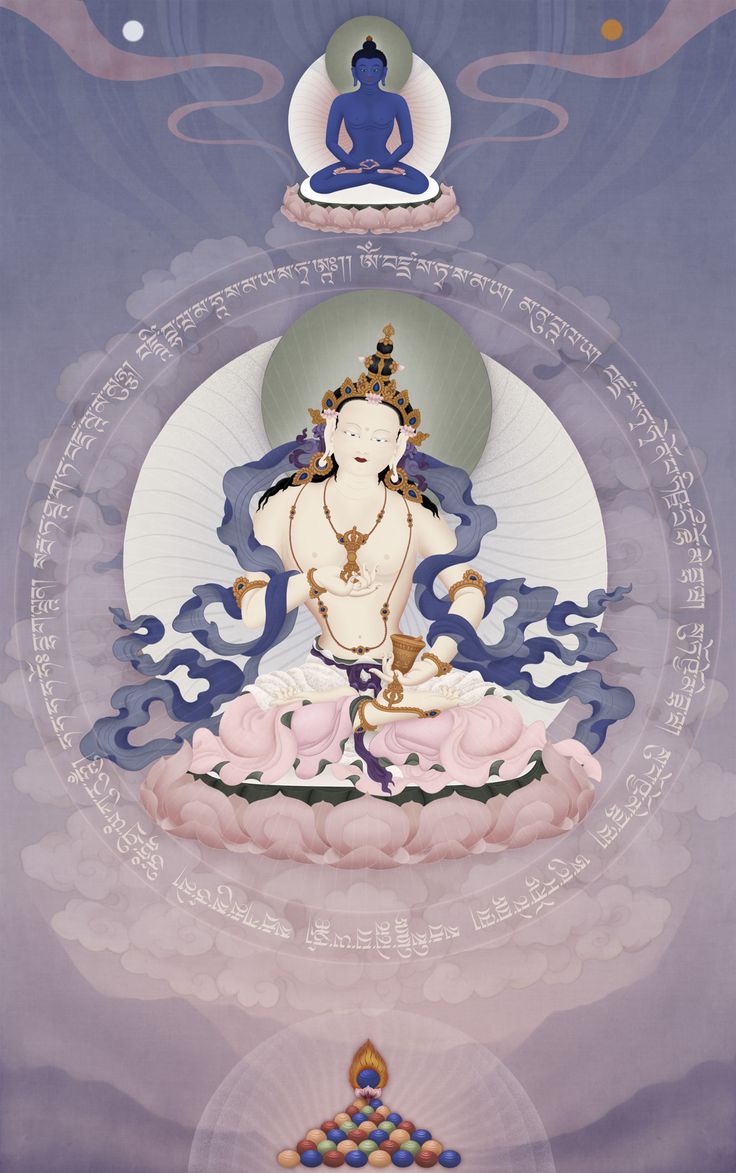
Thus, Vajrasattva as a yidam expresses active work of purifying mind and karma, necessary to remove obstacles on the way to deeper understanding. This corresponds to the primary stages of the spiritual Way and work with the rational side of the psyche. Vajradhara, by contrast, represents the ultimate goal of practice — the realization of the primordial unity of method and wisdom, action and view. He is the embodiment of nondual understanding that integrates all aspects of being.
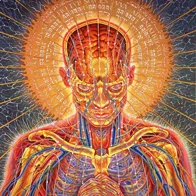
In general, operating with the “day” and “night” sides of the psyche, relying on the mind or the sensory-affective sphere, is an important “trigger” in spiritual transformation; it then gradually engages the whole psychocosm and, when properly conducted, leads to its integration and thereafter to transcendence — going beyond conventions and dualities.



Amazing article!! Huge thanks.