
‘Pentagram Rituals’ as Evolutionary Acts
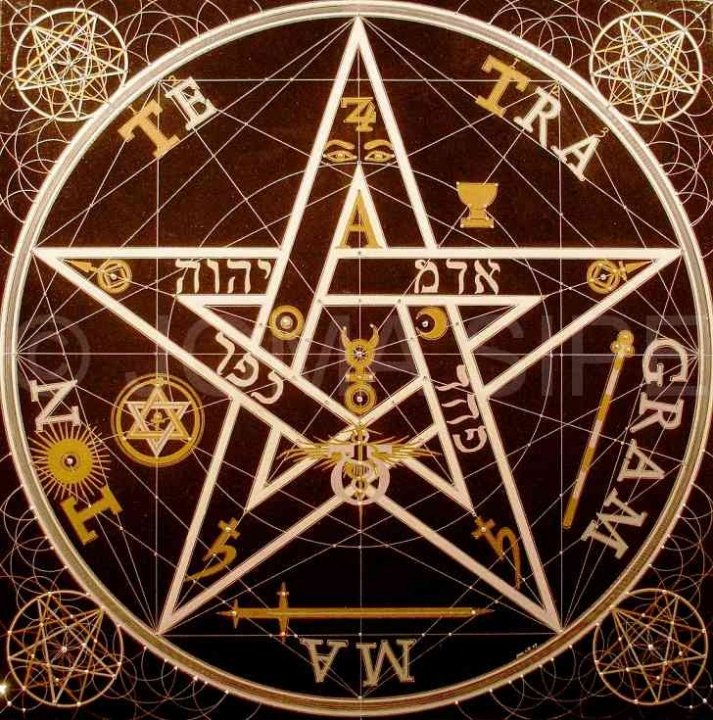
One of the first Rituals that the Aspirant is traditionally introduced to, which the Philosopher contemplates and the Practitioner masters, is the so-called “Lesser Pentagram Ritual.” Originating in preparatory evocative practices, refined and reinterpreted by modern Magi, this Ritual has been included by many Orders and Lines in the set of daily practices.
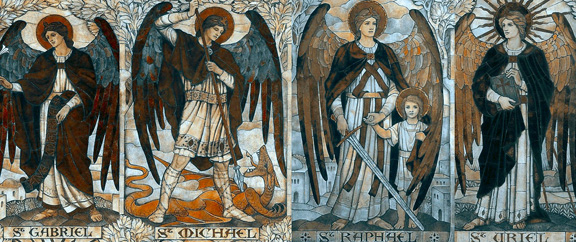
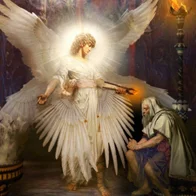
The essence of the Ritual is perfectly clear — the practitioner asserts his freedom of will, his pentagrammatic nature, calling to his aid (and as witnesses) the forces of the spheres immediately above him: the Archangels of Yesod, Tiferet, Netzach and Hod — Gabriel, Michael, Raphael and Uriel.
At the same time, the Ritual itself can be considered from three perspectives:
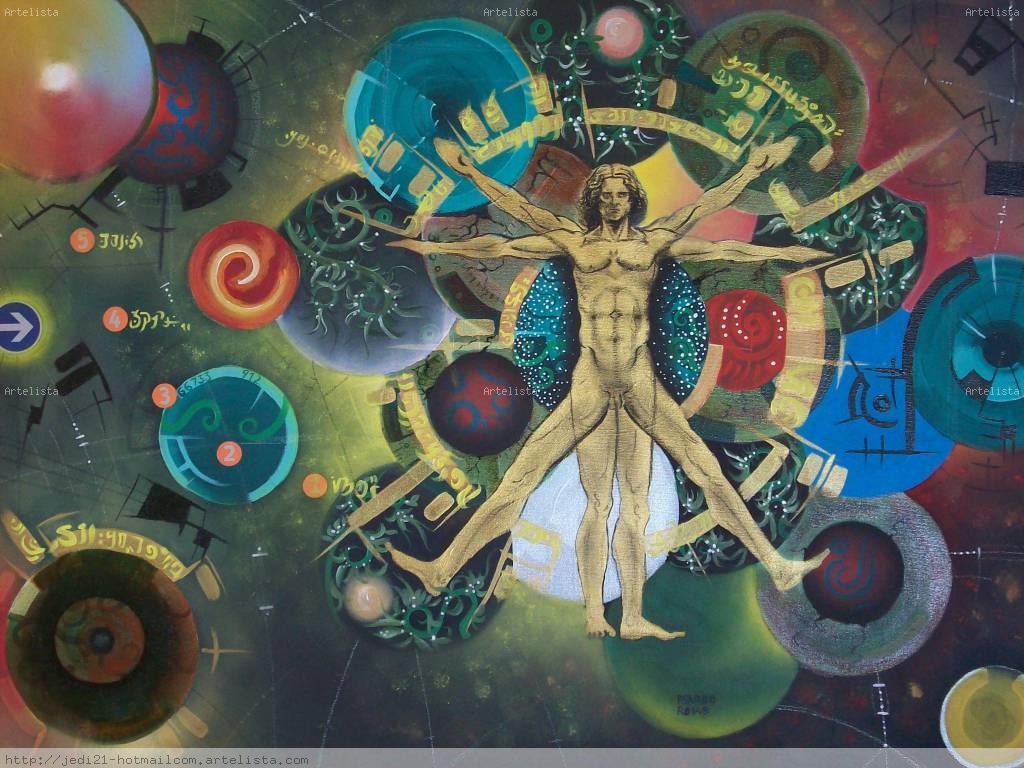
- As a macrocosmic action. By calling the forces of the higher spheres into Malkuth (to which the practitioner’s consciousness ascends), the Magus contributes to the solidity of the “Lower” sefirah, to its materialization, and therefore to its protection from qliphothic, destructive forces. From this point of view, the Pentagram Rituals are a form of the Magus’s defensive activity regarding the existing structure of the cosmos.
- As a microcosmic action. Since the Ritual aligns the summoned forces not only with sephirotic influences but also with the forces of the primordial elements, calling and harmonizing interactions with these forces aim to harmonize the body — the channel of the Magus’s awareness — its ordering and upkeep. From this perspective, the Pentagram Rituals are an important aid in developing the integrity of the Magus’s being and the effectiveness of his mind’s expression.
- As a psychocosmic action. The forces invoked by the Ritual also reflect in the psychocosmic realm — as manifestations of the mind’s cognitive, active, affirming and unifying activities — its elements of Intelligence, Feeling, Will and Receptivity. In this respect, the Pentagram Rituals contribute to the harmonization of the mind, ordering the manifestations and interaction of individual psychocosmic currents.
Regardless of which perspective the practitioner emphasizes, the Ritual nevertheless takes place on all three levels.
Therefore, it is clear how important the correct performance of the Ritual is — its awareness and precision.
Different accounts of the order of calling the Archangels and the methods of inscribing their respective Pentagrams, as well as the names used to invoke them, vary. Therefore, before beginning practice, the Aspirant must study available sources, compare them, note similarities and differences; and the Philosopher should consider the offered correspondence variants and choose the best one with his Line of Tradition and his personal characteristics.
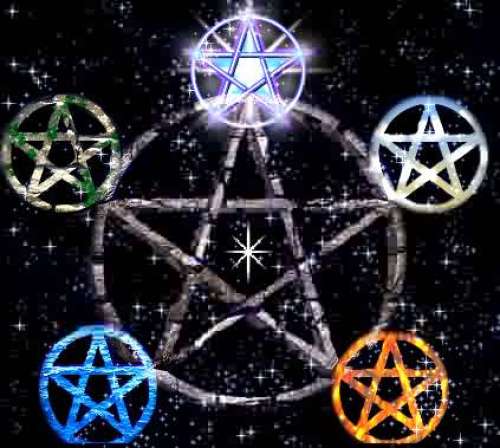
Among the typical mistakes made by beginning practitioners are exaggerating Michael’s role and underestimating Raphael’s, as well as an unclear understanding of the difference between Invoking and Banishing Pentagrams. Note that when performed incorrectly, the Pentagram Rituals can turn from harmonizing and evolutionary actions into destabilizing operations that undermine the integrity of both the manifested world and the mind.
Nevertheless, the Magus must understand clearly that he is performing an energetically significant act intended to strengthen and harmonize the various levels of existence, and must not neglect any of the layers on which the Ritual occurs. If striving only to order space, the Magus overlooks effects on the body and mind; by focusing solely on strengthening the vehicle, he risks errors in mind or space; and by emphasizing only mental development, he may overlook effects on the body and environment. Only by recognizing that the forces invoked by the Ritual and the currents it activates manifest diversely can the Magus achieve the Ritual’s goal — the integral harmonization of world and mind.

A question regarding the 3 components of MRP (psychocosmic action): Mind – air; Feelings – fire; Will – earth; ?? Perceptivity – water. For some reason I would like to attribute will (and not feelings) to fire (Michael), and the title of the article about will “The Stolen Fire: the Element of Will” also pushes this direction. What is the correct distribution of psychocosmic elements in MRP?
There is an external fire and an internal one. Similarly, will also changes its meaning. Inside it becomes a support, externally – a stimulus.
Why is it harmful to shake the stability of this world if it is mired in banality? Wouldn’t it be better to let in more Force more often?