
Knowledge and Inner Knowing
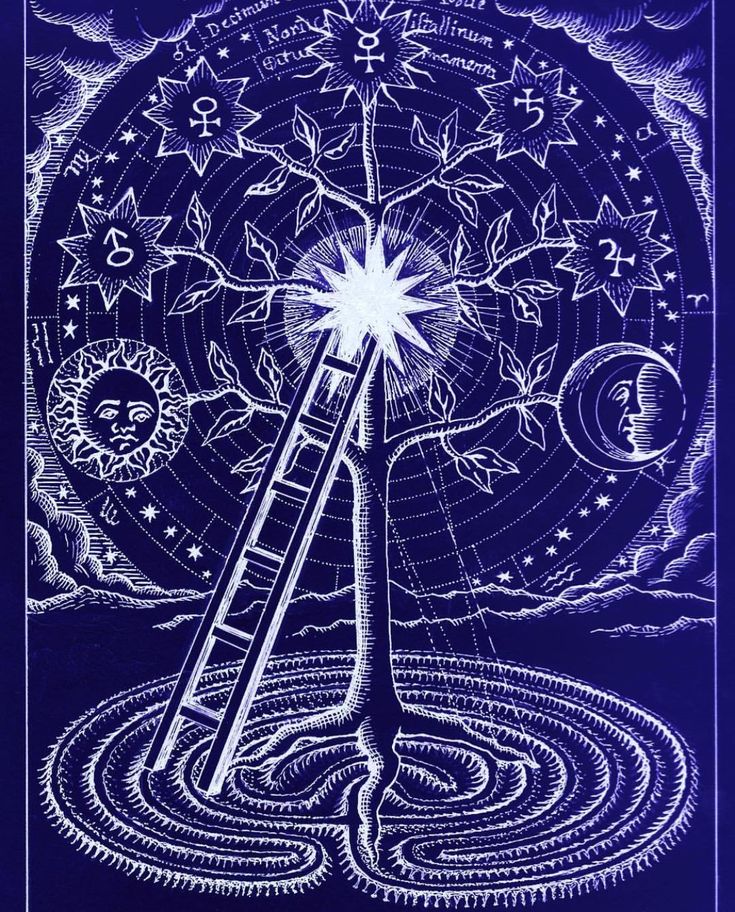
The concept of “Higher knowledge” as a special quality acquired by the mind in the course of its development is important and widespread in various schools, movements, and religions. Such “knowledge” is considered an important means and indicator of the development attained by the mind on these paths.
Strictly speaking, it is not “knowledge,” that is, not a set of information or ideas; it is not a “set” at all, but rather a holistic state of mind, which can be defined as insight into the mysteries of being and spiritual insight, opening a direct, true understanding of the essence of reality that surpasses intellectual knowledge and ordinary perception. This is an directly lived experience of unity with the higher source of wisdom (however it is conceived or defined), light, and love, enabling the mind to overcome the illusions and limitations of the ego, realize its true nature, and attain harmony, freedom, and happiness.
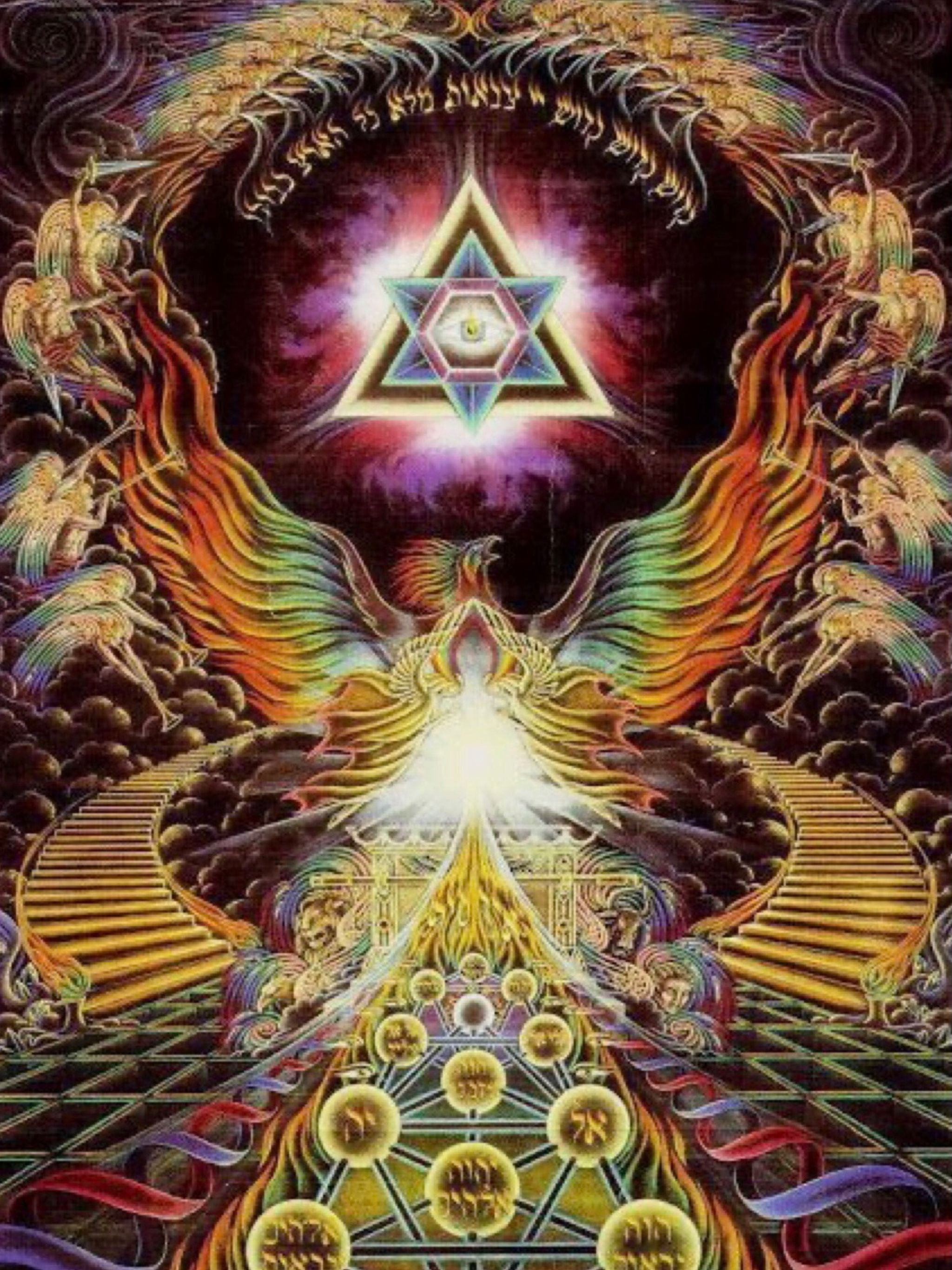
Gnosis (γνώσις) among the Greeks, jnana (ज्ञान) in India, daat (דַּעַת) of Kabbalah, ma‘rifa (مَعْرِفَة) of Sufism — these are all names for a state attained through intensive inner work. At the same time, all these traditions believe that such an experience of deep insight can free a person from the shackles of the material world and lead to spiritual rebirth. The highest degree of such wisdom, making a person “godlike” or Liberated, the Greeks called “epignosis” (ἐπίγνωσις), and the Hindus — “prajna” (प्रज्ञा).
The path to attaining this state is not “accumulation,” but “transcending”; gnosis is not “collected,” it is sought out; one breaks through barriers and veils of ignorance and obscurity.
Indian traditions called the path to wisdom “vidya” (विद्या, “seeing”); Sufis — “murāqaba” (مراقبة, “observation”); and the Greeks — “orama” (“όραμα,” “vision”), associating it with “immediate,” non-conceptual perception. These terms encompass diverse methods and practices used to attain gnosis or direct, intuitive knowledge of truth.
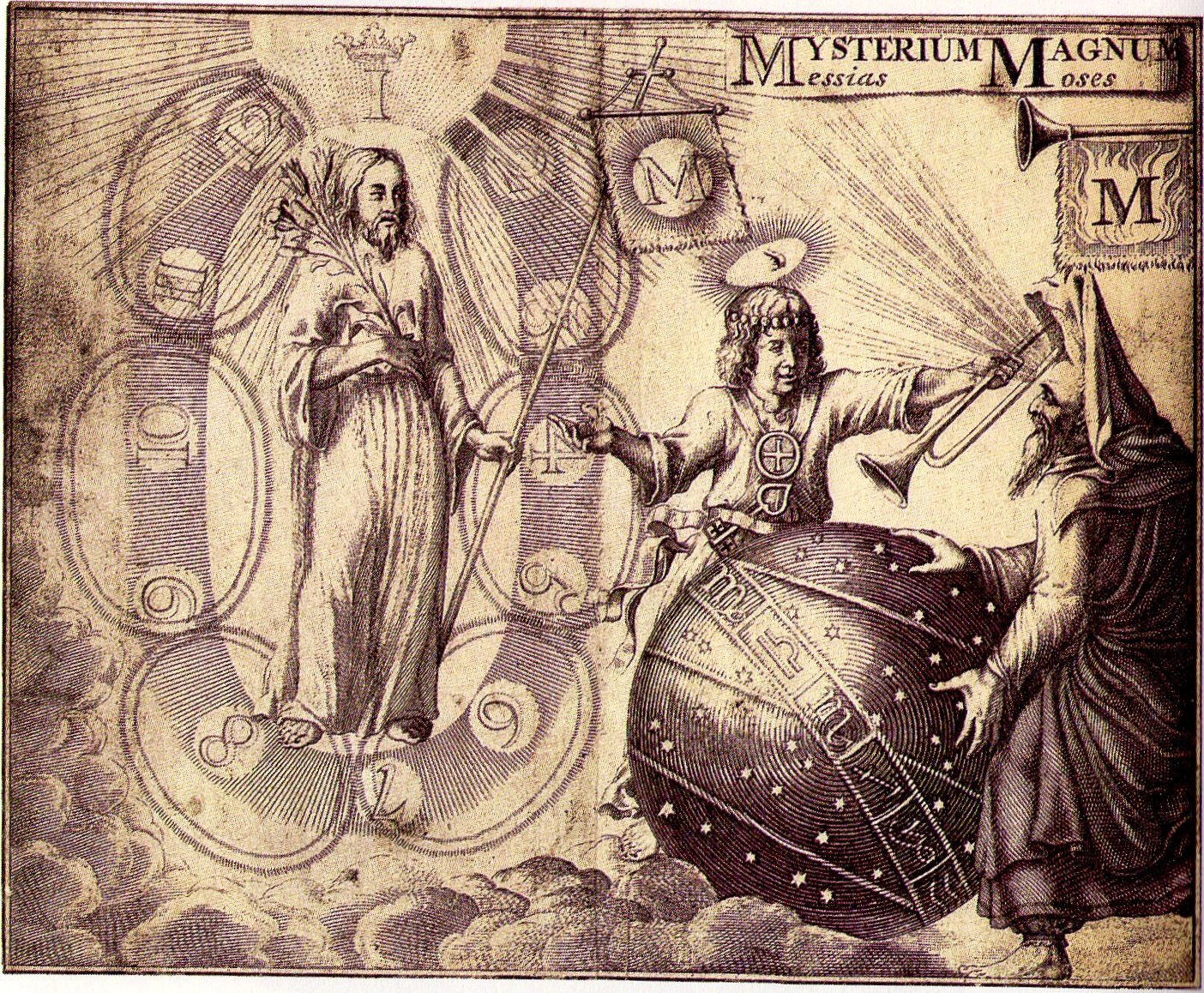
In Dzogchen, the Tibetan Buddhist tradition, the central concept is rigpa (Tibetan: རིག་པ་), which is a translation of “vidya” from Sanskrit. At the same time, rigpa denotes direct, immediate knowledge or awareness of truth, which in many respects is analogous to jnana, although it has its own features in the Dzogchen context. Rigpa is an awakened state of mind, free from delusion and duality. It is a state of pure awareness and immediate presence, in which the practitioner observes all phenomena without attachment, judgments, or mental concepts. Rigpa means direct awareness of the essential unity of mind and emptiness, which is the basis of all phenomena. Thus, although rigpa is translated as “vidya,” its sense is closer to jnana in Indian traditions due to the emphasis on direct, intuitive knowledge of truth that surpasses ordinary rational understanding.
As “rigpa,” the practitioner experiences awakening, free from delusion and duality, which ultimately leads to liberation from suffering and karmic bonds. Rigpa is direct awareness of the nature of mind, direct awareness of the essential unity of mind and emptiness, which is the basis of all phenomena.
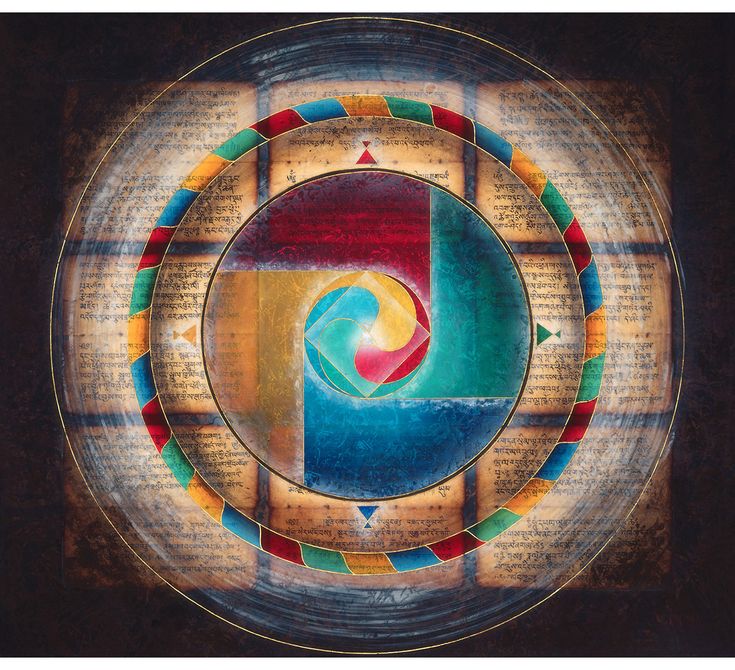
In some Gnostic traditions, the path to gnosis was called the “Path of truth” (via veritatis) or the “Path of light” (via lucis). In addition, Hermetic philosophers associated with Gnostic traditions spoke of the “Path of initiation” or the “Path of awakening” (via initiatica).
In the context of spiritual traditions and mystical schools of Roman times, the notion of intuitive and direct knowledge similar to gnosis was described using the terms “cognitio mystica” (mystical cognition) or “scientia divina” (divine knowledge).
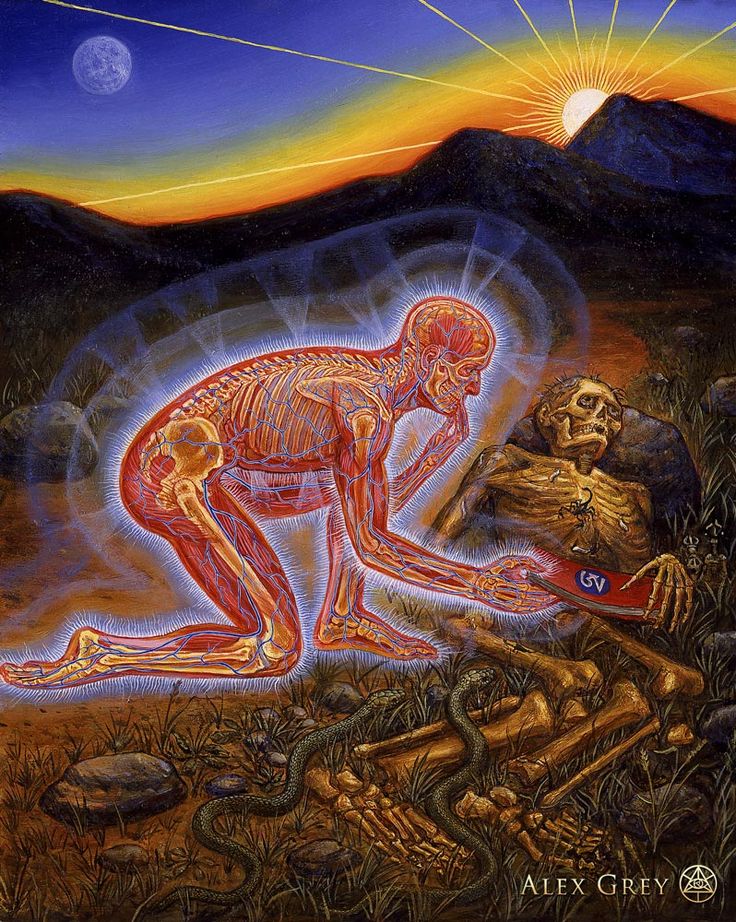
From the point of view of the late Gnostics, a person who has attained gnosis differs from an ordinary person in several key respects:
- He possesses direct knowledge or experience of absolute truth, whereas an ordinary person can possess only indirect knowledge (Greek “eidein,” εἴδειν) based on faith or intellectual understanding;
- He realizes the profound unity of all that exists and his inseparable connection with the divine source. This awareness of unity can be expressed in the development of compassion, love, and unconditional care for other beings;
- He experiences a transformation of the mind that allows him to perceive reality from a new perspective, free of the usual limitations and illusions. This is expressed in deep inner peace and harmony;
- He realizes that his essence is imperishable and eternal, which allows him to overcome fear of death and regard it as a transition of consciousness to another state of being;
- He devotes his life to spiritual development and self-improvement, including contemplation, prayer, study of sacred texts, charitable deeds, and service to others.
- He is freed from many selfish desires, fears, and attachments that give rise to suffering and limit spiritual development. As a result, he attains inner freedom and harmony.
- In some cases, people who have attained gnosis may display unique abilities or gifts, such as clairvoyance, healing, telepathy, and other “benedictums” or “siddhis.” These abilities, however, are not an important goal of spiritual development;
- He typically experiences inspiration and creative power, which may manifest in art, literature, music, or other forms of self-expression. Such creativity often serves as a tool for transmitting spiritual knowledge and experience to other people;
- He undergoes a transformation of his life, which may include a change in values, priorities, and lifestyle. These changes may be aimed at supporting spiritual development, serving others, and applying the knowledge gained to improve the world.
Overall, a person who has attained the state of gnosis becomes a living witness to the possibility and way of spiritual awakening and transformation, serving as inspiration and support for other people on their own path to Higher knowledge.
At the same time, unlike many modern Masters and “merchants of enlightenment,” the realized Gnostic possesses:
- Deep humility: he does not seek recognition, fame, or material goods. He is focused on his inner development and the good of other people;
- Selflessness: he serves others without payment and does not expect reward or recognition in return;
- A commitment to continual growth: he continues to develop spiritually and learn new things throughout his life;
- A high degree of integrity and sincerity in his relationships with others. He strives to speak the truth and follow his convictions, even if this contradicts social norms or personal interests.
- He teaches based on experience and tradition. Although people who have attained gnosis usually develop their own approach to the Path, views, and practice, their teachings and practices exist within the stream of the historical and cultural traditions to which they belong. As they say, “Tradition is the transmission of fire, not the worship of ashes.”
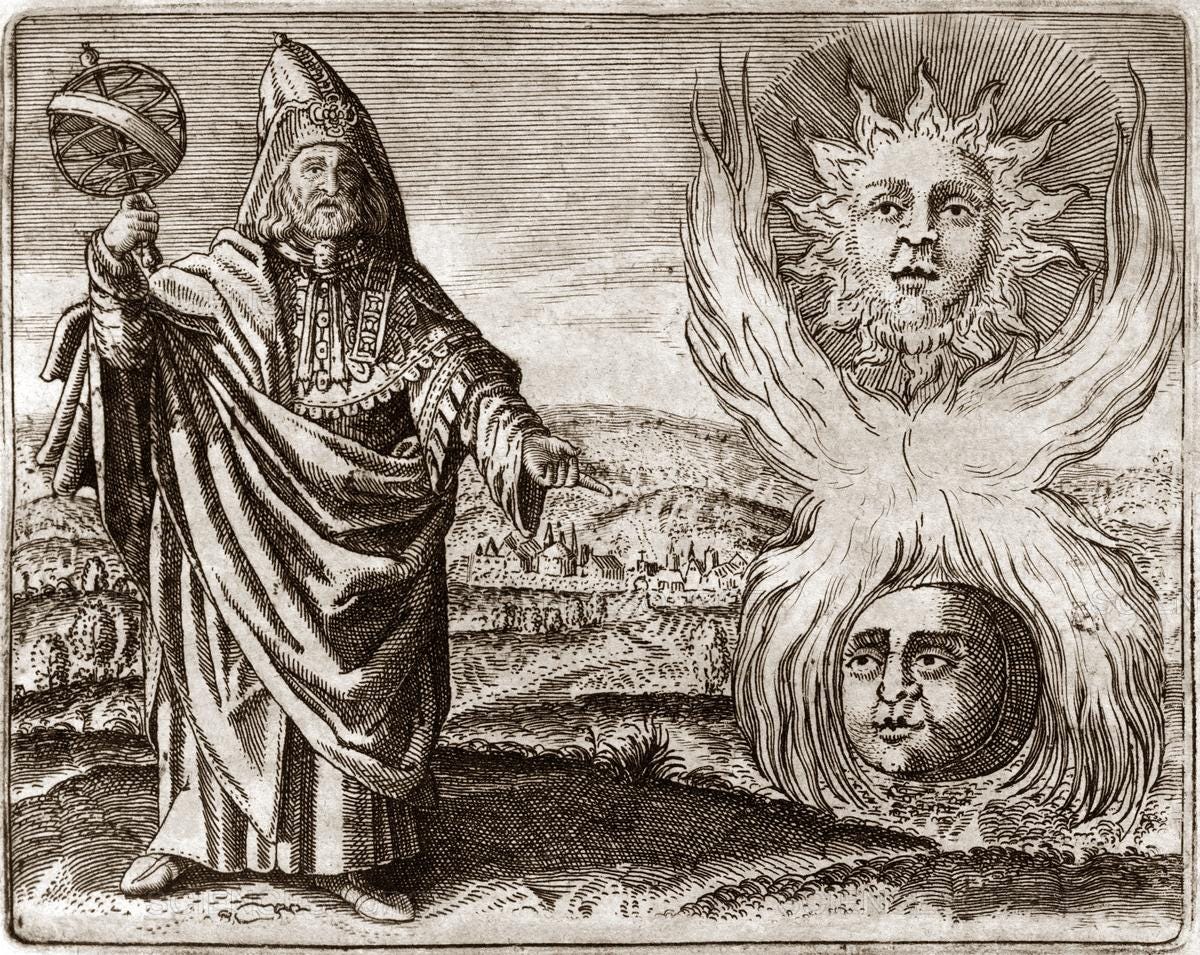
Interaction with a person who has attained gnosis, and therefore possesses significant baraka, usually brings changes in the mind in an ordinary person, even unconsciously:
- Increase in awareness. Encountering someone with Higher knowledge can help a person become more aware of their thoughts, feelings, and actions, as well as broaden understanding of their place in the world and their connection to the world.
- Expansion of mind. Interaction with a person who has attained gnosis paves the way for the expansion of mind and a deepening understanding of oneself, the world, and one’s role in it. This will manifest as new views on life, the discovery of new possibilities, and a questioning or breaking of old beliefs.
- Inspiration. Interaction with such a person can evoke a sense of inspiration and motivation to develop one’s own spirituality, strive for self-improvement, and explore the depths of one’s nature.
- Self-actualization. Interaction with a realized Gnostic becomes a stimulus for self-actualization — the process of realizing and developing one’s potential and the realization of one’s talents and abilities.
- Deepening of empathy and compassion. Observing a person who has attained gnosis can help develop empathy and compassion for others, since such a person usually demonstrates these qualities in relationships with those around them.
- Awareness of one’s own limitations. Meeting such a Gnostic can bring about awareness of one’s own limitations, prejudices, and attachments, which can stimulate inner work and a striving for spiritual development.
- Inner transformation. Interaction with a person who has realized gnosis becomes a catalyst for deep inner changes, awareness of true values, and life priorities.
Overall, achieving such “Direct gnosis” is an important tool of liberation, and for harmonizing the world as a whole. The Gnostic not only becomes “perfect” himself; he harmonizes and “elevates” the world around him, contributing to collective evolution.





I found myself in a similar state several times. I received direct answers, and this state is unmistakably distinct; it is the voice louder than the voice of conscience and the noise of the “parasite of consciousness”. A mute question and an unexpected answer. It comes at a moment of complete concentration on one task. Tell me, Master, is there a connection between the state of Water and the substance water? I still don’t see a clear answer.
The term “Vod” (inspiration) comes from the Proto-Germanic adjective *wōđaz (“possessed, inspired, delirious, raging”). The word “Water” comes from *wed- /uəd/ “to moisten, to become wet.” However, this same root also relates to the Latin unda “wave”, that is – activity, which can indicate some kinship between the two concepts. Nevertheless, “Vod” is more related not to the “raging sea”, but to the wind roaring over that sea.
Still, I think there is also a connection at the level of reception-transmission of information, programming water. It is not for nothing that in Orthodoxy it is said that at baptism all water is holy, again a ritual. Washing away the evil eye.” And the Spirit of God was hovering over the water.”
1) “He experiences a transformation of consciousness, which allows him to perceive reality from a new perspective, free from ordinary limitations and illusions” (from your text)
From my modest “point of view” — this is not yet (or already) Gnosis.
γνῶσις is not trans/formation, but trans/mutation of consciousness.
Consciousness turns out to be (is born) DIFFERENT (first of all to Itself) — no “previous” states (coherence) capture it and they remain “behind the back”, like a chthonic, like a memory of the roads traveled.
2) “He realizes the deep unity of all being and his inseparable connection with the divine source. This realization of unity…” (again from you)
“Unity” (One, Unique) is not at all “Beginning”. “1” is the End. Measures, Cycle, Being. Beyond it, there is only combinatorics, summation, and fragmentation.
BEGINNING is ZERO — pregnant with all REALITY and any Actualities (both dipolar and multiversal structures).
To be more precise — 0 and preexistence as REALITY, if by this Word we mean THAT, which has no exceptions (or “opposites to itself”). Let’s note — TO ITSELF, but not “within ITSELF”… But these are already the horizons of Actualities…
Zero is just as much a belonging to the Manifestation as one, two, or three hundred eighteen. If we talk about going beyond Boundaries, it is going beyond the edge of existence and non-existence, affirmation, negation, and silence. However, this post is not about that. This post is about what others see in a person striving for gnosis, and not what he experiences within himself.
The dilemma of zero or one is very intriguing. I think it is impossible to distinguish fullness from emptiness. Please familiarize yourself with Lolor’s book, *Sacred Geometry* – it describes well how from the One/unit, other forms are sequentially and logically reborn. And it is impossible from zero… It also provides a good hint regarding the power of kundalini, which is the transforming force of the root (Logos – the idea of kundalini). I also wanted to ask Enmerkar’s opinion on whether the Indian concept of Mahat can be equated to the concept of Unity (HEн – Greek philosophers) and possibly to Akasha?
As far as I understand, “Mahat” is the “mind of the world”, wisdom within the created, and thus this concept is identified with “Higher Wisdom” – prajna, and, apparently, it can be compared with Sophia and Shekhinah, and possibly even with Logos. Akasha, in the Hindu context, is the primordial element of Space, and in this sense can be compared to “natura naturata” of European philosophy or to ether as quintum corpus – “the fifth simple body”, “the fifth essence” (Lat. quinta essentia, “quintessence”).
At work, I am required to know 27 factors from the list of hazardous factors, knowledge of labor protection policy… Here I read about what a gnostic achieves and how he influences his environment. Why? Shouldn’t I determine my own changes without changing and growing? Why should I know the boundary of what I’m already inclined to? I am already striving, searching, growing, feeling, etc. And I am not a gnostic, I am a magical hunter. Abbreviations and properties are boundaries that should not exist.
With the permission of the blog owner, I will answer you. Common rules are created within a production team to maintain the energy of luck (hamingya) at a minimally necessary level. What is normal for you may be inaccessible for your colleague’s understanding, and without following this rule, he reduces the overall luck of the group, which leads to accidents and incidents. No one limits your personal level of luck, and with its increase, you raise the luck of the group. Even mechanisms react to this. You structure the space around you, outgrow the group, and you are promoted. In a new group, the average level of luck is even higher. Rules limit the dispersion of energy but not its accumulation.
Dear Enmerkar, how would you describe a person today—a realized Gnostic, or someone who has made noticeable progress along that path? I understand that you’ve already laid out your view in the article, and I’m asking because it may have shifted a bit by now.
In descriptions of many spiritual paths you often come across reliance on basic, very old concepts which, simply due to their age, can’t reflect the specifics of a modern worldview—and because of that it can be hard for a modern person to relate themselves to the set of qualities and manifestations of different levels of development described there. All of this needs to be rethought, translated into the language of contemporary consciousness—and that rethinking is happening, but instead of one or a few foundational concepts today we have countless author-specific versions. It’s hard to get acquainted with them all because there are so many, and even harder to tease out the updated, time-appropriate criteria for development on any given Path. That’s good, because it shows growth, but at the same time there’s a sense that structure and direction are getting lost—some kind of anchor points.