
Andrealphus and the Narcissi in Ascendancy
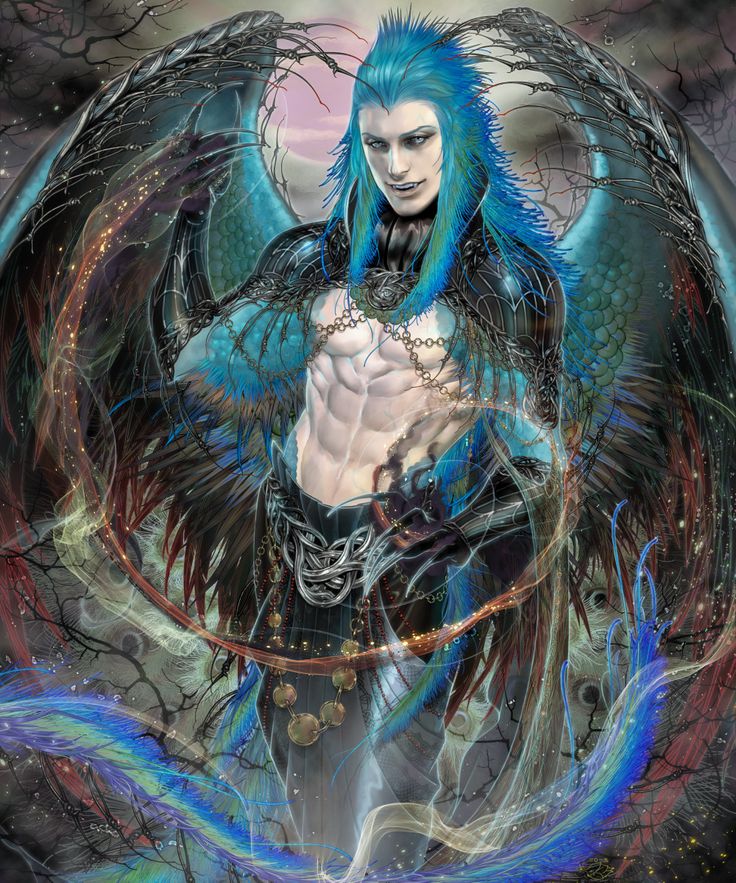
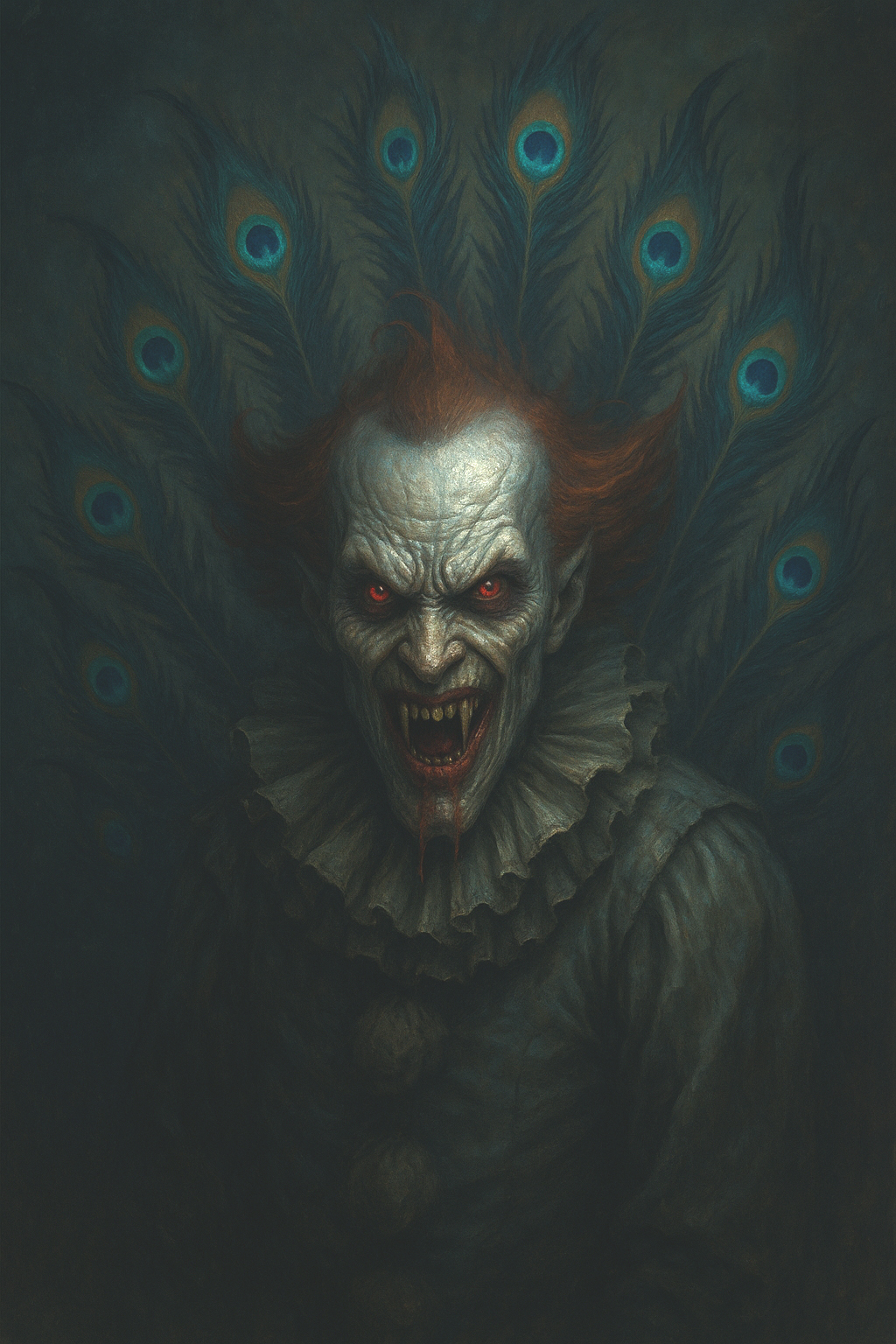
Paimon, the King of glamour, who usually accompanies the great Belial, has many eccentric figures in his retinue, the most unexpectedly dangerous of whom is Andrealphus — the demon of narcissism in its most ridiculous expression. Probably the most accurate portrayal of this demon is the clown Pennywise from the films “It”: who may seem funny but is actually lethally dangerous.
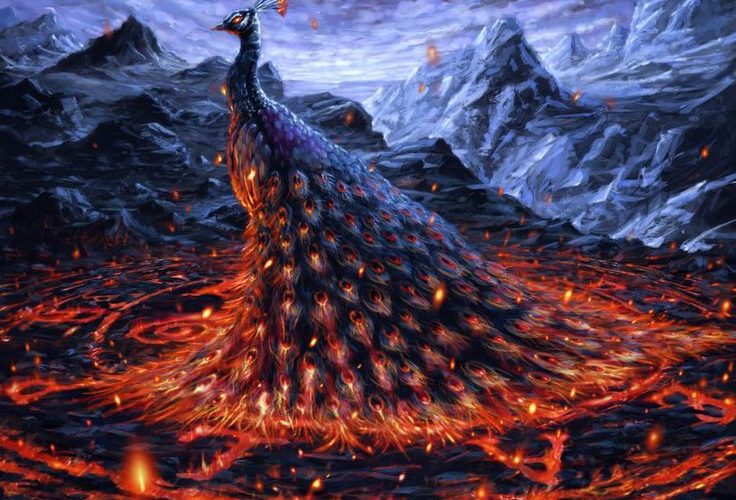
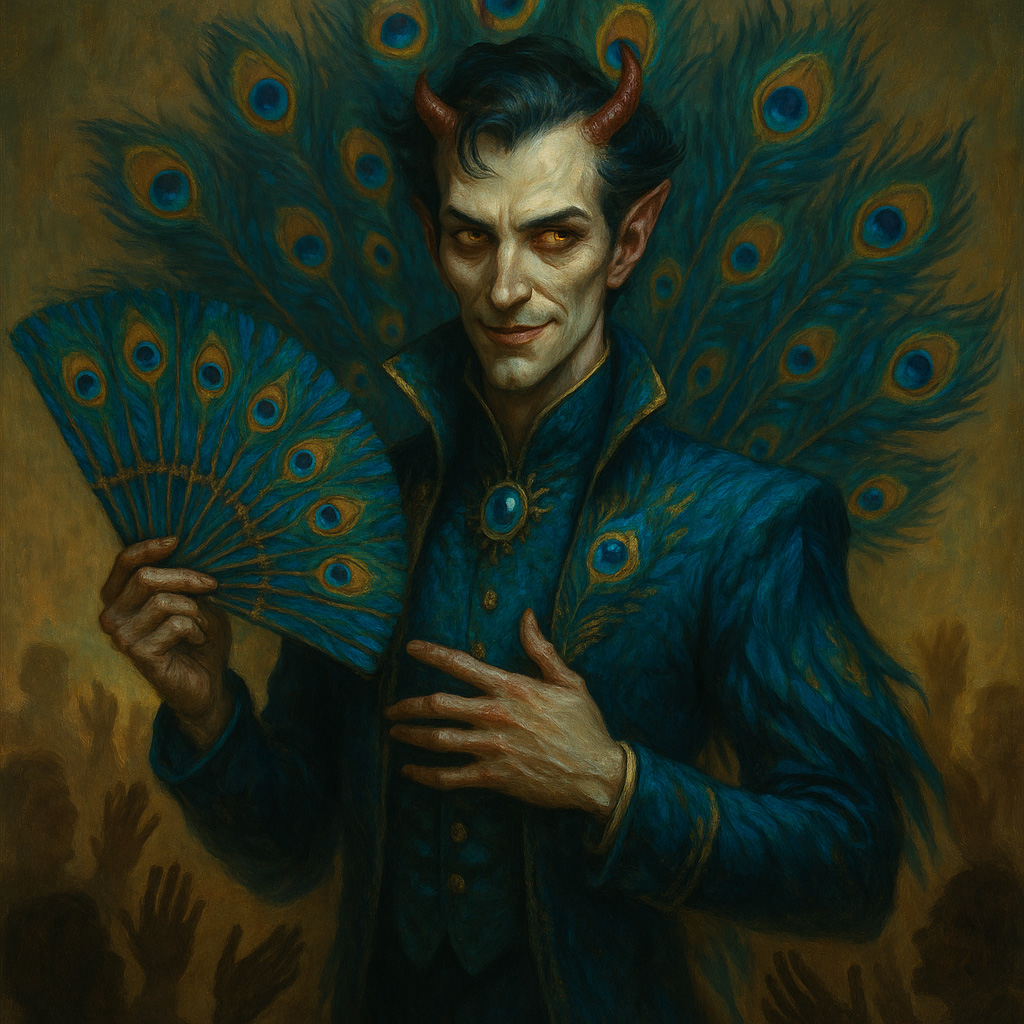
He appears as a peacock with a bright, iridescent tail, behind which lie emptiness, smugness, and foolishness. He is a braggart, hiding behind titles and rhetoric. His “humor” is mockery of others; his “wisdom” is empty talk; his “confidence” is aggression masking fear.
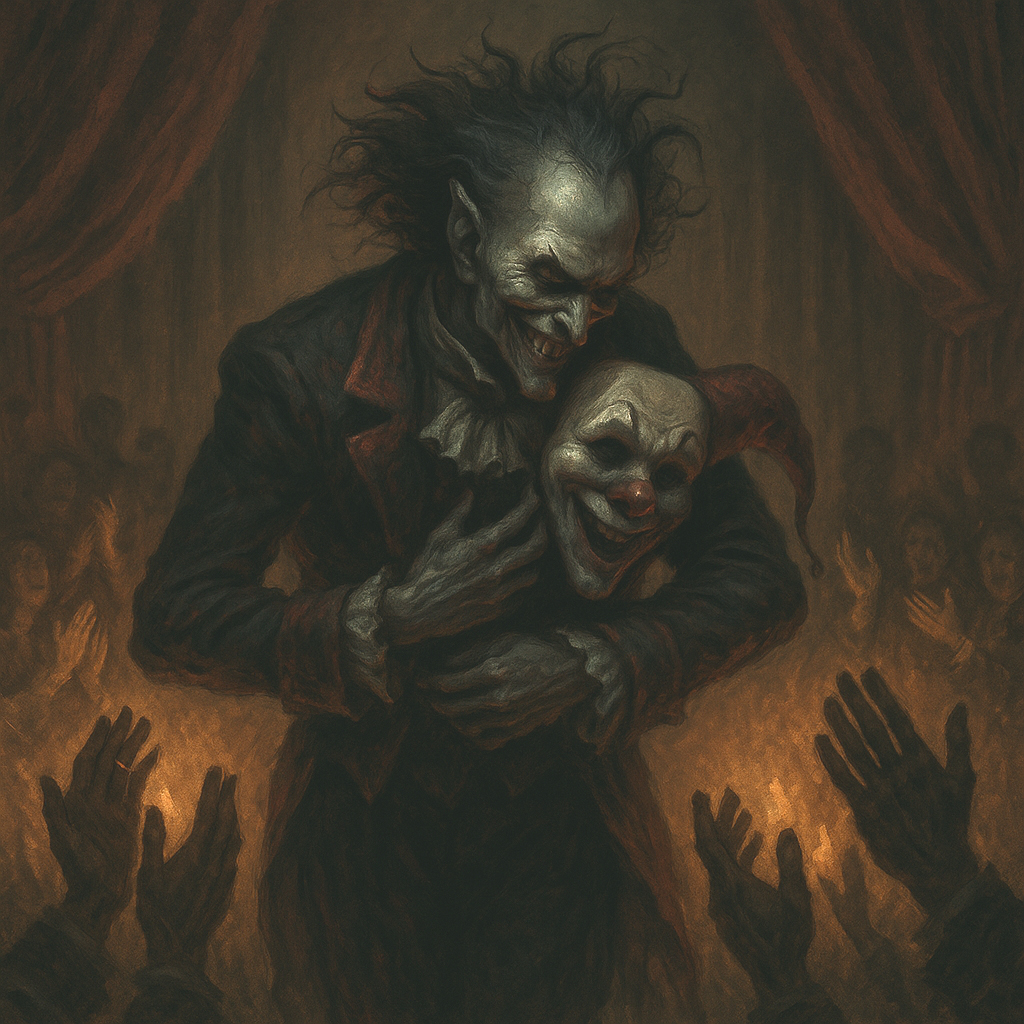
The matrix of Andrealphus is activated when a person, having taken the first step on the path of development, stops to admire themselves. Under the influence of Andrealphus, self-reflection turns into self-worship. A person does not look for weaknesses in themselves to work on; they seek only confirmation of their greatness. They do not study themselves — they gaze at an invented image they love.
At first it may manifest as mild self-admiration, pride in one’s achievements. But then the demon replaces the path of development with showmanship, and real self-esteem with the illusion of one’s own significance. The mind begins to identify with the “cartoon hero,” the central figure — dazzling, extraordinary, and of course above others.
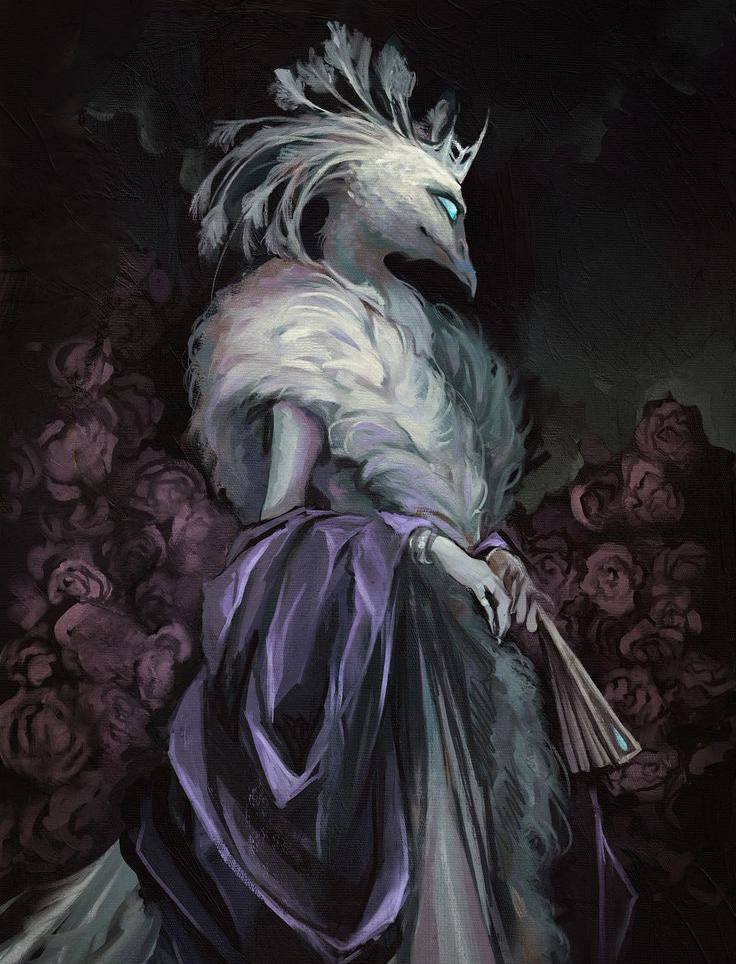
In the early stages of the demon’s activity, the mind of its host rejoices in its successes, which is perfectly normal. But then the inner sense of one’s own significance begins to depend more and more on external feedback. Without applause, praise, approval, a person feels empty. They lose connection with themselves and begin to judge themselves by how others see them.
Andrealphus “whispers” that without recognition you are nothing. Inner reference points are erased; only mirrors remain, in which one must appear impressive, victorious, dazzling. True goals are forgotten — only the pose remains. Such a mind begins to build an image: all behavior, mannerisms, speech, even emotions — become “scenery” for a performance they stage for the world. Their role is “the best,” “the smartest,” “inspiring,” “heroic.”
They begin to live in the role, and this role demands more and more attention. Irritation appears toward those who “don’t notice,” who do not dare to admire. Such people they ignore and despise, removing them from their social circle. After all, their presence undermines his illusion.
And at this stage, beneath the mask of confidence, there is already panic: if even one person doubts their significance, then the entire building may collapse. And if the surrounding world stops giving enough “fuel,” manipulation begins. Such a person, gripped by the matrix of Andrealphus, uses others — their feelings, fates, efforts — to strengthen their image. They become the director of other people’s lives, driving people into the roles of extras in their performance.
They may exploit those close to them, devalue others’ merits by appropriating them, encourage people to feats — so they can later bask in their glory, and in extreme cases even send people to slaughter for the sake of a “great goal” which is actually their personal triumph.
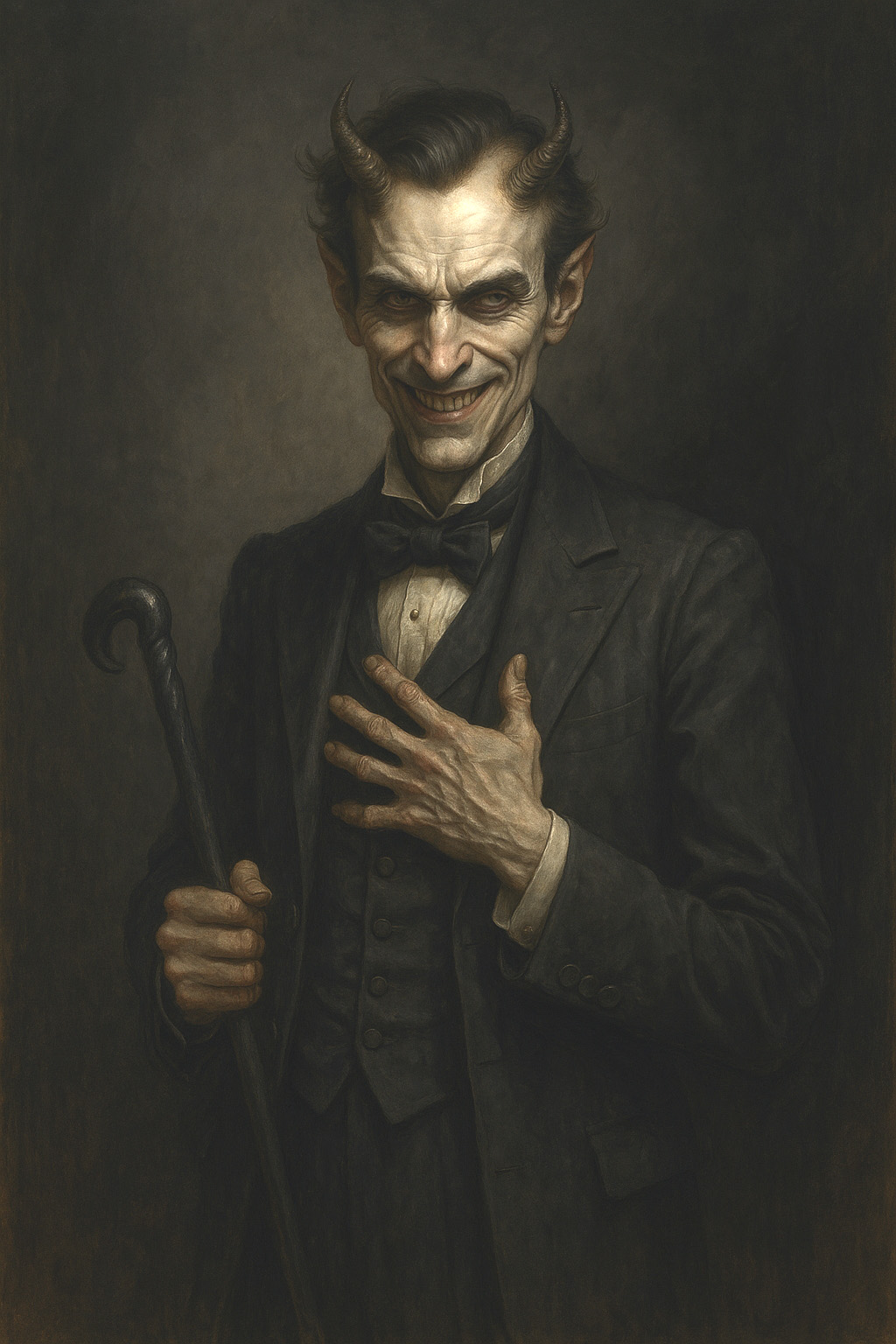
And here they become a monster, like Pennywise: still smiling, dressed up, “charming,” but already feeding on other people’s souls and fates, other people’s lives. They do not necessarily kill people — but they destroy and empty them.
Such a mind is isolated from the world. It is afraid to be real, afraid to be seen without a mask. It loses the ability to love because love requires vulnerability, which it cannot bear. It cannot be honest — because all of its foundations are built on lies. It is afraid of loneliness yet pushes everyone away.
The mind, seized by the matrix of Andrealphus, acquires a demonic, vampiric nature, because the existence of its host depends on the attention, recognition, and admiration of others. It has no independent inner life — it is sustained externally. The attention that others give such a person becomes their power. They cannot endure lack of attention for long — they feel torn apart inside if people do not look at them, do not listen to them, do not quote them.
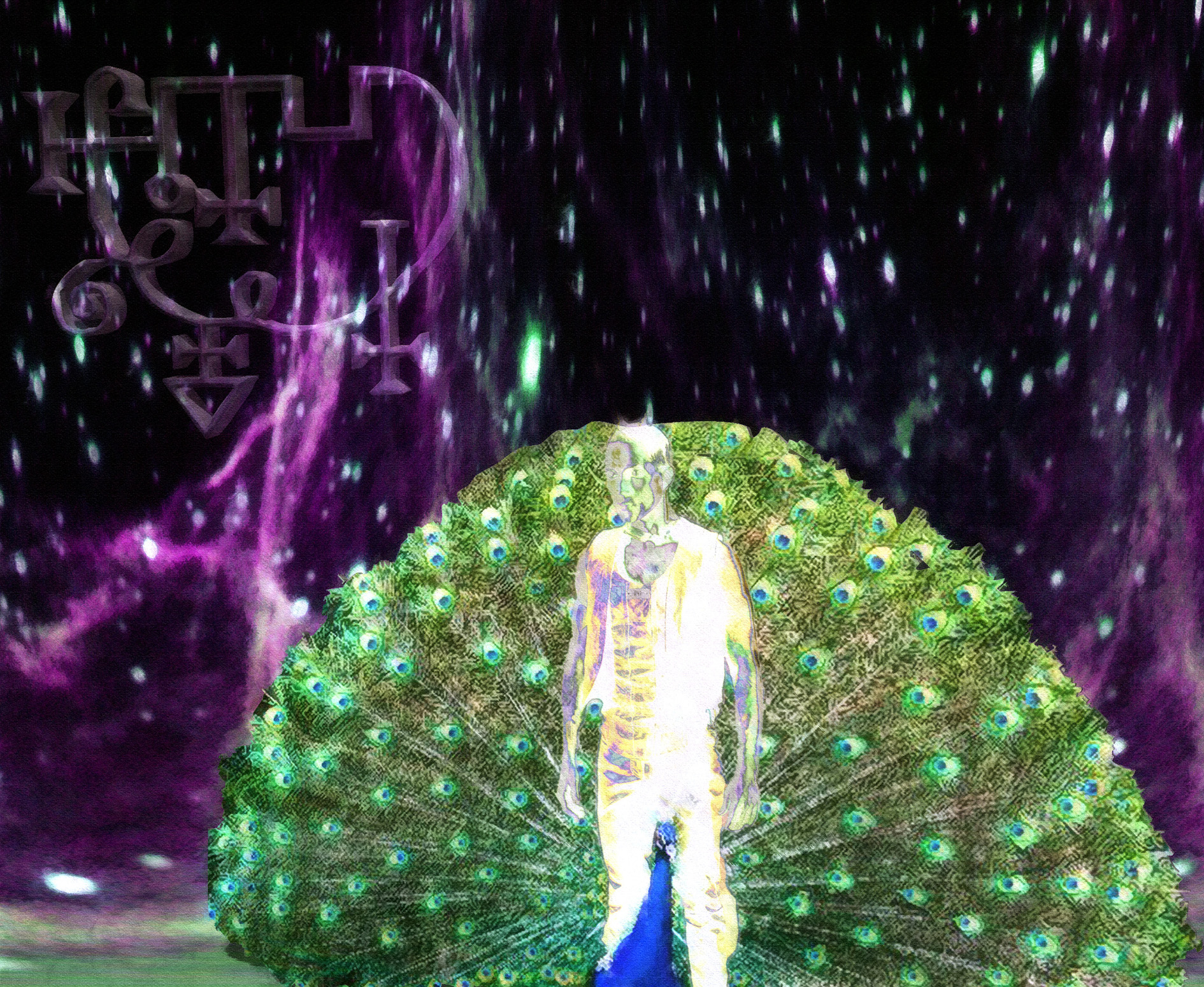
But at the same time, they are never satiated. A demon is like a black hole: the more attention it absorbs, the more it needs. And if the stream dries up, psychological withdrawal begins: aggression, panic, humiliating others (to feel superior again), demonstrative suffering, self-aggrandizing posts online, or — on the contrary — theatrical “humility.” Anything — for admiring eyes and thirsty ears. And every glance, every “thank you,” every “you are so smart” is like a portion of blood for a vampire.
This is precisely the demonic evil: Andrealphus does not simply feed on attention; he does so at others’ expense. In order to shine, he devalues others. In order to be great, others must be diminished. In order to be loved, there must be no room for others.
But at some point, this whole construction inevitably collapses. The mask cracks. The world does not believe. The applause stops. And then only the abyss remains. Without a firm support, such a personality collapses at the first serious crisis. This stage is especially painful because the mind, accustomed to feeding only on recognition, forgets who it was without it.
It is impossible to defeat Andrealphus by argument, resistance, or exposure. His power lies in the fact that people listen and watch. He cannot tolerate it when attention fades. When no one looks at him, he disappears like a shadow without light.
Therefore, the path to liberation is not to feed him attention. In order to resist the influence of Andrealphus, conscious work on self-esteem is needed; one must seek not “what do they think of me,” but “who am I.” This is where real spiritual work begins — not for the sake of recognition, not for the sake of “greatness,” but for the sake of deep growth. This work requires periodic checking of one’s motives: “Am I putting on a display instead of being authentic?” If the activity of the matrix is already significant, an honest look at the consequences is also necessary, awareness of whom such a person can destroy by pursuing their image. In this sense, it is important to understand that no person is higher or lower than another — everyone fulfills their role in a shared world process.
This is how the path begins from peacock to human, from illusion to maturity, from mask to face. True “nobility” is not in demonstrating a crown but in the ability to renounce it for the sake of truth. This is the path of transforming the matrix: from self-praise to genuine inner growth, from illusion to clarity.

Thank you for the article. A wonderful addition to the book – these charged with images descriptions. It also reminded me of the image of the narcissistic psychopath Kir from the anime Death Note.
Thank you. This is very important. This unpleasant truth needs to be known and heard.
The peacock is Malak-Tavus – the angel-peacock in Yazidi belief. The first of the angels.
Who are the Yezidis?