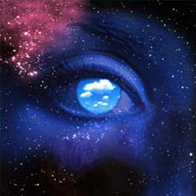
One of the most popular topics in quasi-magical conversations is the “evil eye”, the “malevolent glance” and similar subjects concerning a person’s influence on the surrounding world by means of a gaze.

Other Magic
Пишите мне
Enmerkar's Blog contains over 1200 original articles of an esoteric nature.
Enter your search query and you will find the material you need
One of the most popular topics in quasi-magical conversations is the “evil eye”, the “malevolent glance” and similar subjects concerning a person’s influence on the surrounding world by means of a gaze.
The number of Magi who have won the battle for themselves—for their selfhood and their freedom—is incomparably and immeasurably smaller than the number of those who have lost: those who forfeited the Way, Power, and themselves.


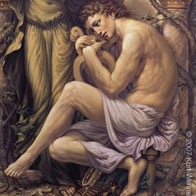
Orpheus is an image of balance between Apollo and Dionysus, between reason and inspiration. The origins of Orphism and its influence on philosophy.

I am deeply convinced that it is comprehensive training that can turn a person into a Magus, and moreover I stand behind every word I have written, because each of them has been tested by my personal experience.

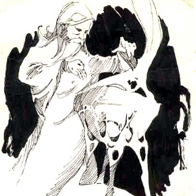
By origin, “chara” is a deverbal noun from kēra (to do, to practise sorcery), and the vessel came to be called thus later, probably precisely as a result of its corresponding use.
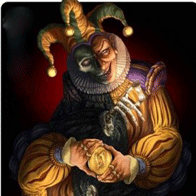
The dissolution of the seeker’s being is a necessary stage in his transformation into a Magus, and it is precisely the attainment of control over the energy of dissolution—its balancing by the energy of coagulation—that is a necessary condition for achieving one’s wholeness.

For a practitioner who doubts his theoretical grounding, it is more effective to choose Sound-based incantations; for a practitioner who struggles to reproduce complex phonemes — Meaning-based incantations.
The Power that truly made the soul of the ancient Greek tremble, filling it with mystical awe, was Dionysus — a god almost forgotten in modern times, reduced to the patron of winemaking.

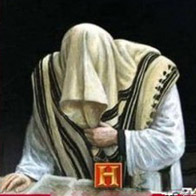
The peculiarity of Kabbalah as it exists today lies precisely in its fusion of the pantheistic constructions of Neoplatonism and the mythic motifs of Gnosticism with the Jewish faith in the Bible as a world of symbols.
For Magi it is obvious that, although any illness can be regarded as an alien intrusion, this does not mean that one should fight it only by directly contacting the spirits that caused it.
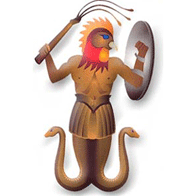
The Gnostic god Abraxas expresses the creative will of the Absolute, permeating the Cosmos, the world’s sharp striving for existence.

Gods do not tolerate frivolous dealings; their power is so great that, even without hostile intent, it can wound the psyche and even a person’s physical conduits simply by virtue of its disproportion.
In his ‘Book of Spirits’ the Magus records the names, seals, and other particulars of the spirits he has succeeded in contacting.