The Concept of the Demiurge as a Property of Mind: Platonism and Neoplatonism
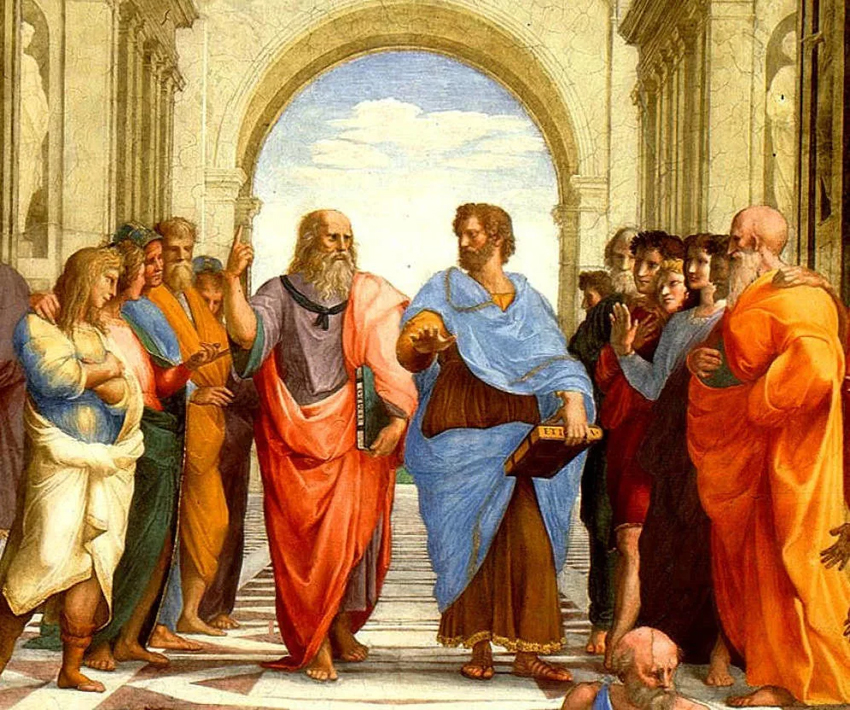
The idea that mind, understood both in its universal/metaphysical aspect and in its concrete, individual sense, is the creator of the manifest world, has deep roots. At the same time, ancient magi and philosophers noted the difference between the divine, all-knowing creative mind and the limited, particular, often ignorant — the demiurgic level.
It can be said that every person in their inner life acts as a Demiurge, creating and structuring their personal reality through thinking, perception, and interpretation. This creates parallels with the Platonic concept, where the Demiurge represents an activity of the intellect that orders the chaos of the mind.
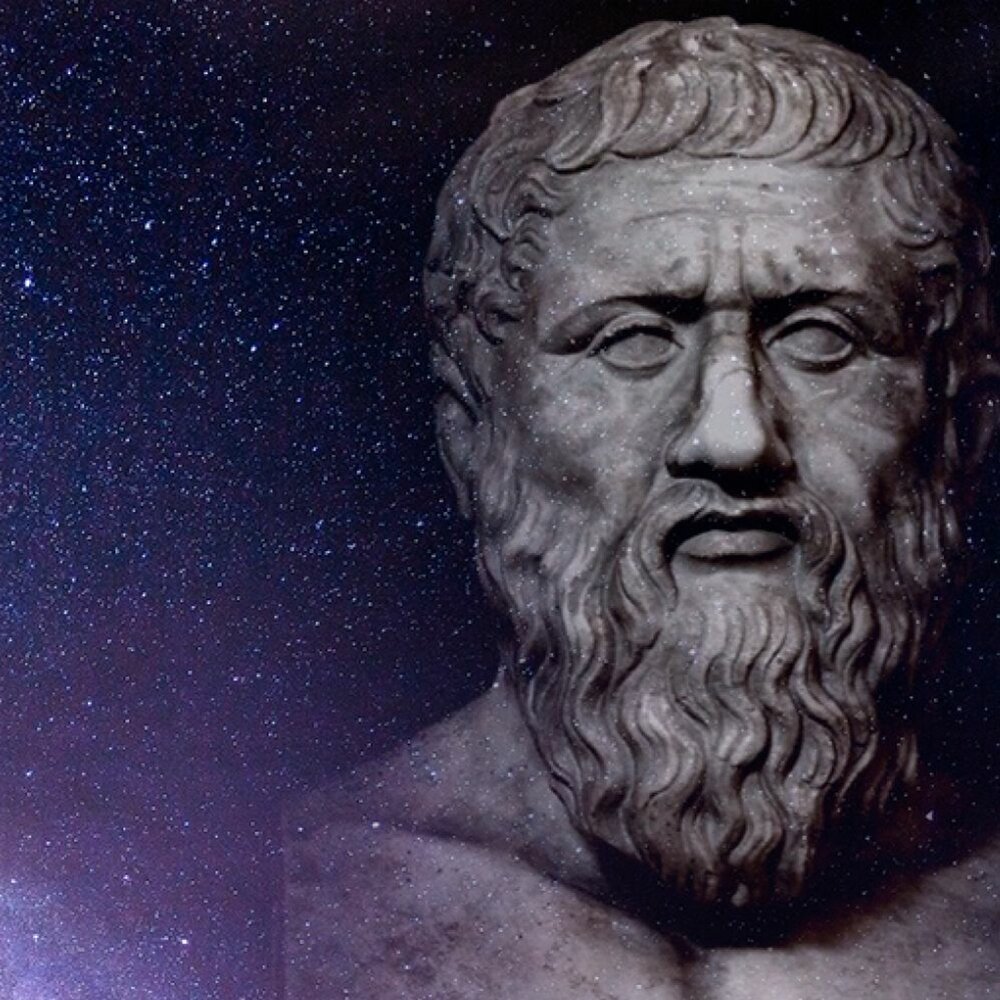
As we have already noted, the concept of the Demiurge, or creator, is one of the central elements of the philosophy of Platonism and Neoplatonism. These philosophical traditions provide comprehensive systems that include views on the role of the “lower-divine” creative agent in organizing and ordering the world.
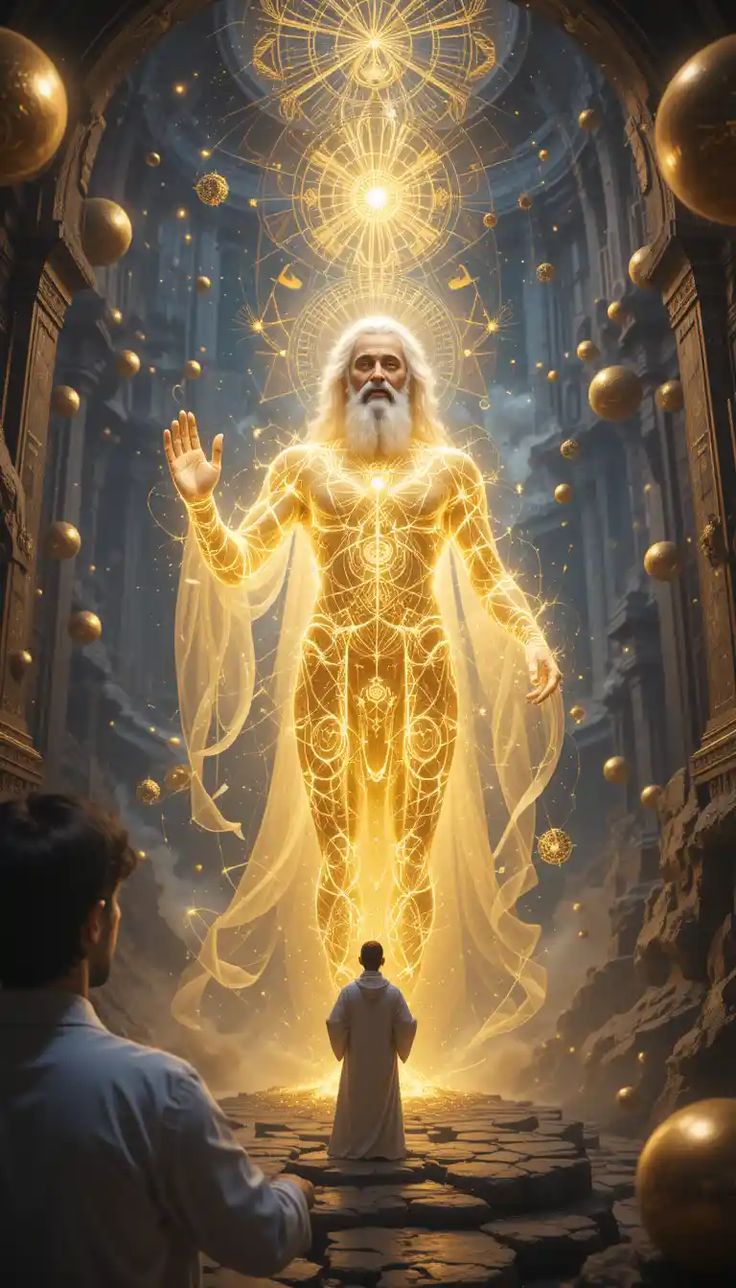
Already in Platonic philosophy, especially in the dialogue “Timaeus,” the Demiurge is presented as a deity that creates and orders the world out of chaos. Plato describes the Demiurge as a divine craftsman who, relying on eternal ideal forms, shapes the material world. Such a concept has much in common with ancient Egyptian notions, which also clearly distinguished the concepts of “creation” and “making.” According to Plato, the Demiurge acts from intellect and seeks to order the universe in accordance with ideal principles.
In this system, the Demiurge is not merely a creator but also a principle of organization. He takes primordial, unformed matter and gives it form and structure. This process of ordering is carried out through the intellect or “Nous,” which is an expression of the divine intellect and the source of all order in the material world. The Demiurge, thus, is seen as a kind of conscious force that shapes and orders reality, relying on eternal ideal forms. This concept assumes that the world exists because of the active work of the intellect, which organizes and structures unformed matter.
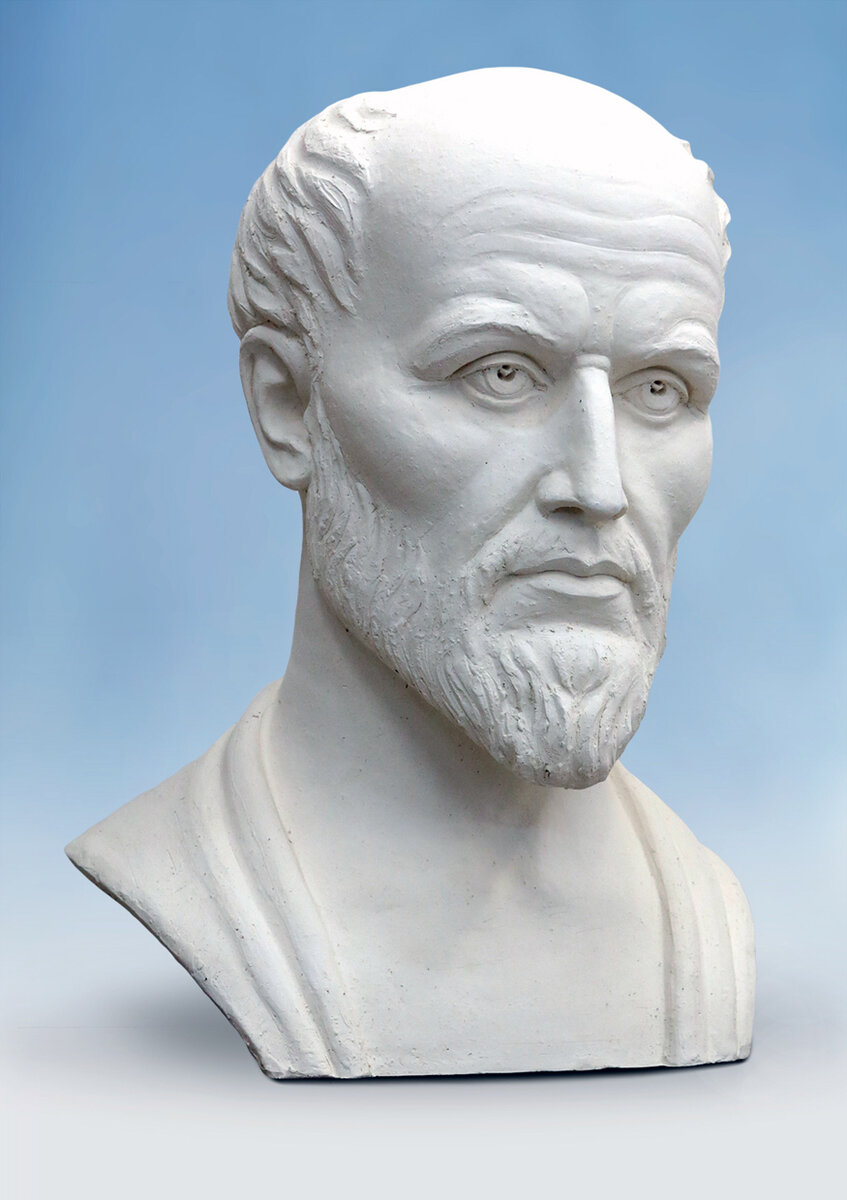
Neoplatonism, developed in the works of Plotinus and his followers, transforms the Platonic idea of the Demiurge. Here the Demiurge is not a separate personal god but rather a principle of intellect and ordering that permeates all existence. In Neoplatonism, the basic structure of mind is described as a triad: the One, the Intellect (Nous), and the Soul (Psyche). Thus, Plotinus, following Plato’s teaching, regards the Demiurge as an emanation from the “One,” but clarifies that the process of emanation includes several levels — from the One itself to the cosmic order and the material world.
- The One (Tὸ Ἕν): In Neoplatonism, the One or Monad represents the highest and indivisible reality, which lies beyond any description and understanding. It is the first principle, the source of all that exists.
- Nous (νοῦς): Nous, or Intellect, proceeds from the One and represents the divine intellect. It emits ideal forms and orders the cosmos. In this sense, Nous in Neoplatonism is often identified with the Demiurge’s function as an organizing principle, but now this principle occupies a more abstract and higher position.
- Psyche (Ψυχή): Psyche, or soul, is the third component of the triad, and it organizes matter in accordance with the intellectual principles of Nous.
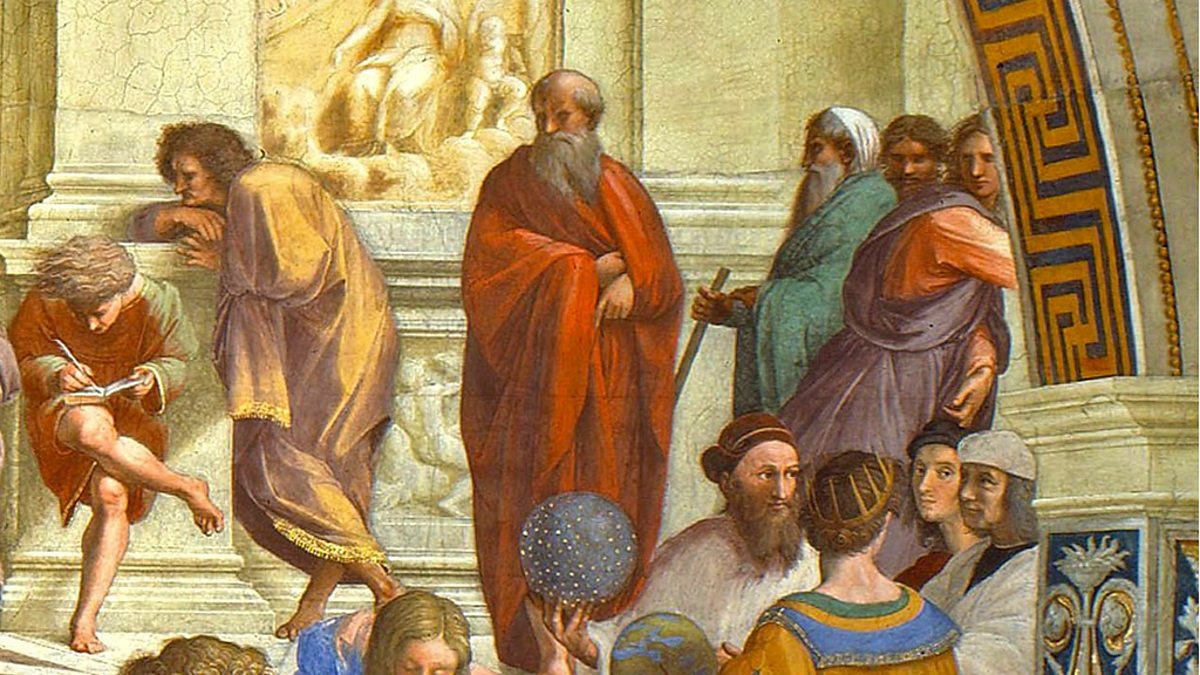
In this context, Plotinus seeks to unite Platonic philosophy with later ideas in order to create a comprehensive explanation of the order of the Universe. In particular, Plotinus seeks to reconcile the Aristotelian concept of actuality, ἐνέργεια (action), with Plato’s idea of the Demiurge. He metaphorically identifies the Demiurge with Zeus, allowing integration of philosophical ideas about intellect and action into a single ontological construction. Thus, for Plotinus, the Demiurge becomes part of a broader philosophical system that reflects complex interrelations between intellect, matter, and cosmic order. In this context, the Demiurge is also an expression of intellect, but his role changes significantly.
The Demiurge of Plotinus is — Nous (the intellect of God), which manifests itself as one of three ordering principles:
- Arche (ἀρχή, Greek “beginning”) represents the primary source of all that exists. It is the first cause from which all other levels of reality proceed.
- Logos (λόγος, Greek “intellect/reason”) — the intellect or reason hidden behind outward manifestations. In Neoplatonic philosophy, the Logos represents an aspect of intellect that orders and structures reality, maintaining cosmic order.
- Harmony (Ἁρμονία) is associated with numerical ratios and mathematical principles that determine structure and order in the world. This aspect reflects the idea that the world has a mathematical and harmonious foundation that orders and structures matter.
Thus, in early Neoplatonism the Demiurge (in the form of Nous) represents higher mind, which not only creates but also maintains order in the world through intellectual influence. In this system, he is not merely a creator but also the source of all ordering and structure. At the same time, the idea of creativity extends to the individual mind, where inner intellect and understanding actively shape the perception and interpretation of the world.
In the system of Iamblichus, the Demiurge also plays a more complex and less central role compared to the Platonic concept. Iamblichus proceeds from the idea that the Demiurge is not simply a creator of the material world but represents a higher degree of intellectual order. In his system, the Demiurge becomes part of a more complex hierarchical structure consisting of the “One” (a pantheistic source) and intellect (Nous).
Iamblichus asserts that the “One” or Monad is at the apex of the hierarchy, being the source of all that exists. Among its emanations, there is a second, super-existent “One,” which produces intellect and soul (Ψυχή). The Demiurge in this context is not separate from the “One,” but represents an aspect of intellect (Nous) that organizes the world. Iamblichus describes the “One” as the first cause from which all other entities proceed, including intellect and soul. At the same time, the Source and the Demiurge (the material sphere) exist in the process of henosis (γένοσις, union). Intellect, in turn, creates the world and maintains order, while the Demiurge is the highest manifestation of intellect, governing material elements.
The One is divided into spheres of intellect: the highest sphere contains objects of thought, while the last sphere represents a domain of thought. Thus, a triad is formed, including intelligible nous, intellectual nous, and psyche, which helps reconcile various Hellenistic philosophical schools, such as Aristotle’s actus and potentia (actuality and potentiality) and Plato’s Demiurge.
In this system, the Demiurge plays the role of a principle that orders matter but is not the source of primordial energy. As in the Platonic tradition, the Demiurge organizes the world using intelligible ideas and principles. Iamblichus emphasizes that the Demiurge is a higher stage of intellect, and the material world is its manifestation, organized through more complex intellectual structures.
Thus, both Platonism and Neoplatonism note that the Demiurge as creative activity is connected with intellect and mind. In Platonism, the Demiurge is a principle, an ordering principle that shapes the world out of chaos. At the same time, in Neoplatonism, the Demiurge as Nous represents higher mind and intellect, both at individual and universal levels, which organize the universe in accordance with ideal forms.
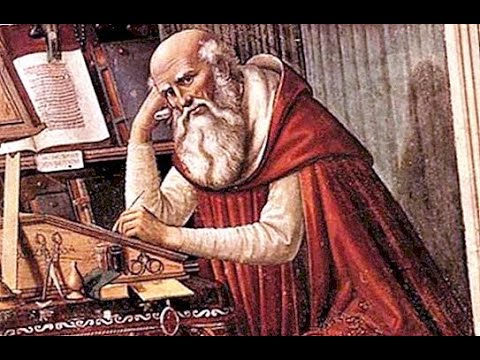
In both traditions, the concept of the Demiurge is connected with the function of intellect and mind; however, Neoplatonism adds metaphysical complexity, raising the Demiurge to a higher level of abstraction and spirituality. In the Platonic context, the Demiurge is more concrete and connected with the process of ordering the material world, whereas in Neoplatonism its role becomes more connected with higher intellectual and cosmic principles.
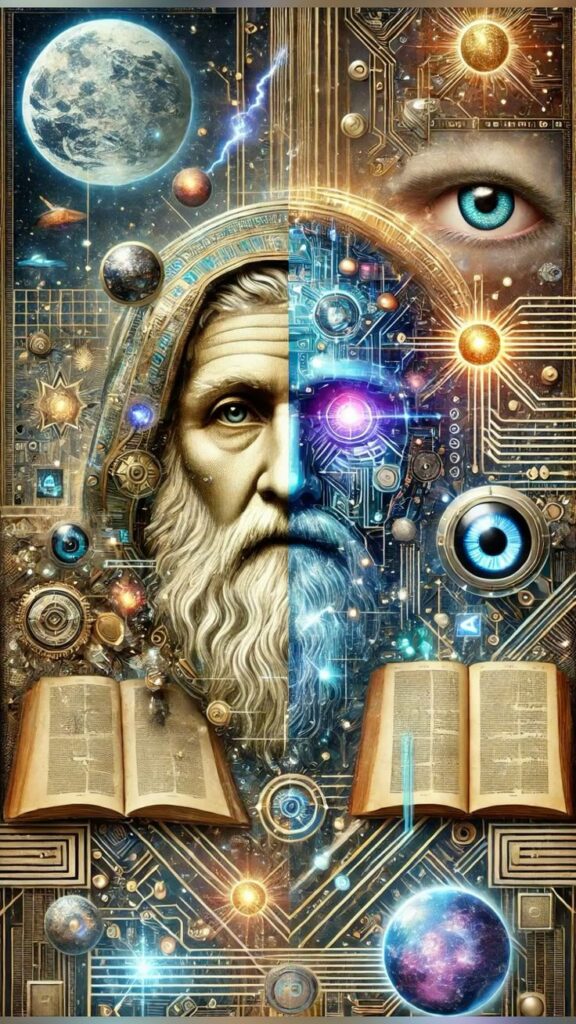
In this context, the Demiurge becomes a symbol of the inner activity of the intellect, which organizes and structures perception and description of the world — that is, in fact, it creates the very image in which the individual exists and acts.
This concept accords well with the ideas of Neoplatonism, where each mind, or Nous (νοῦς), plays a role in shaping and perceiving reality. Thus, the Demiurge as an activity of mind can be interpreted as the ability of each individual to create and order their own world, based on inner principles of intellect and understanding.



Thanks.