
Interspace: To Leave in Order to Return
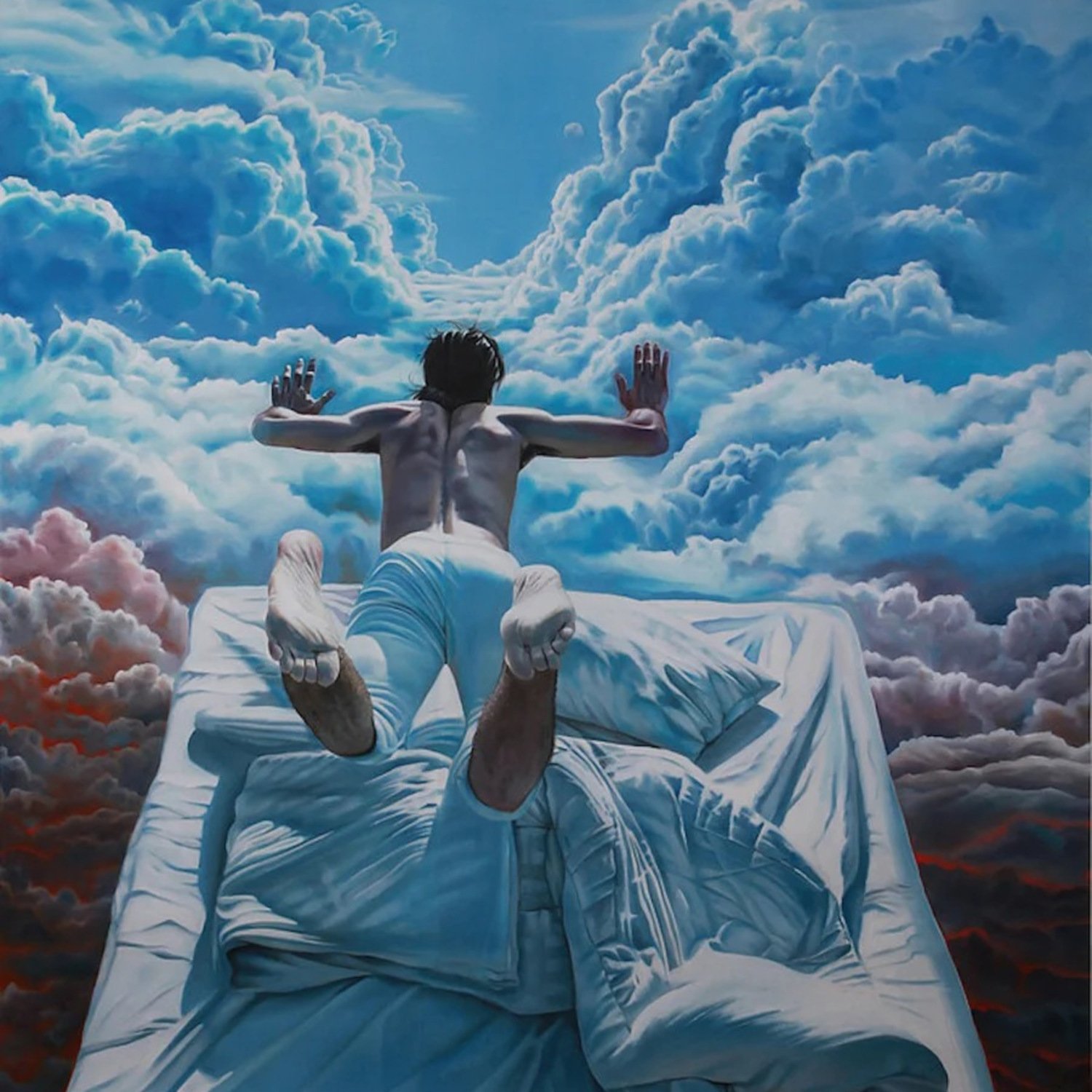
As we have already discussed more than once, the development of any stream of mind occurs in a constant alternation of presence in “real” and “virtual” spaces: waking and sleep, life and bardo, interiorization and exteriorization. In other words, mind, actualizing its potentials and studying itself in interaction with the environment, realizes part of the possibilities of such interaction in the “worlds,” and the tension inevitably accumulating from unrealized desires “dumps” into the Interspace.
The meaning of such alternation is obvious: if such a regular “dumping” of the energy of unfulfilled desires into virtual space did not occur, the accumulating tension would destroy the mind, pathologizing and demonizing it.
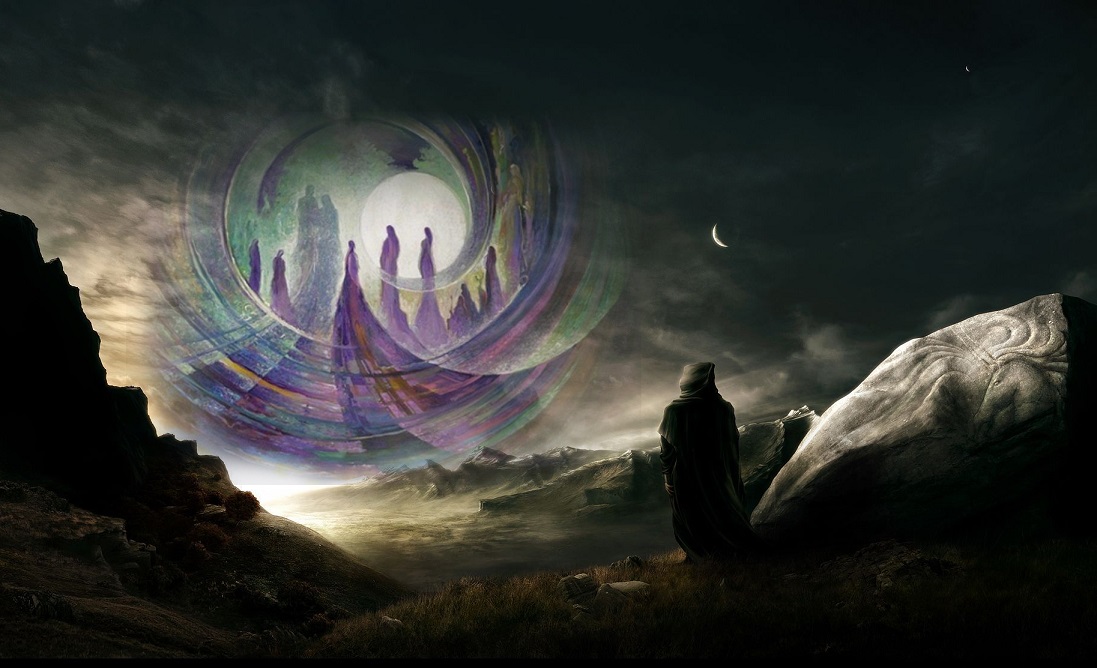
The “healthy” model of such a cycle is repeatedly described in myths about the “dying and resurrecting god,” who “carries away” “spoiled” potencies with him into the Otherworld, in order to then revive new aspirations.
At the same time, as in any transformational action, the “intermediate” state acquires a certain independence: to make the most of sleep’s renewing possibilities, vedogon is formed; passage through the after-death bardo is ensured by a more developed form of such an “Body of the Interspace,” built on the basis of the “double” ka; and the passage of the mysteries takes place in a special exploratory state.
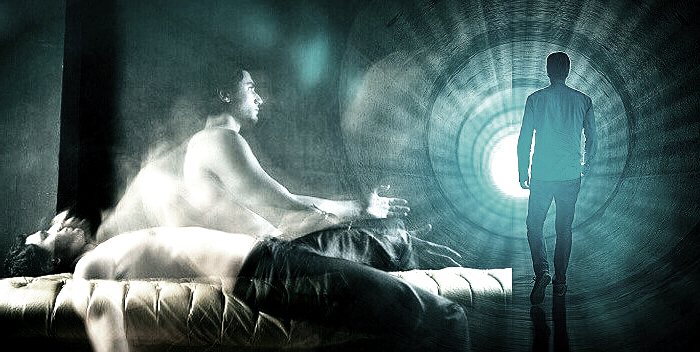
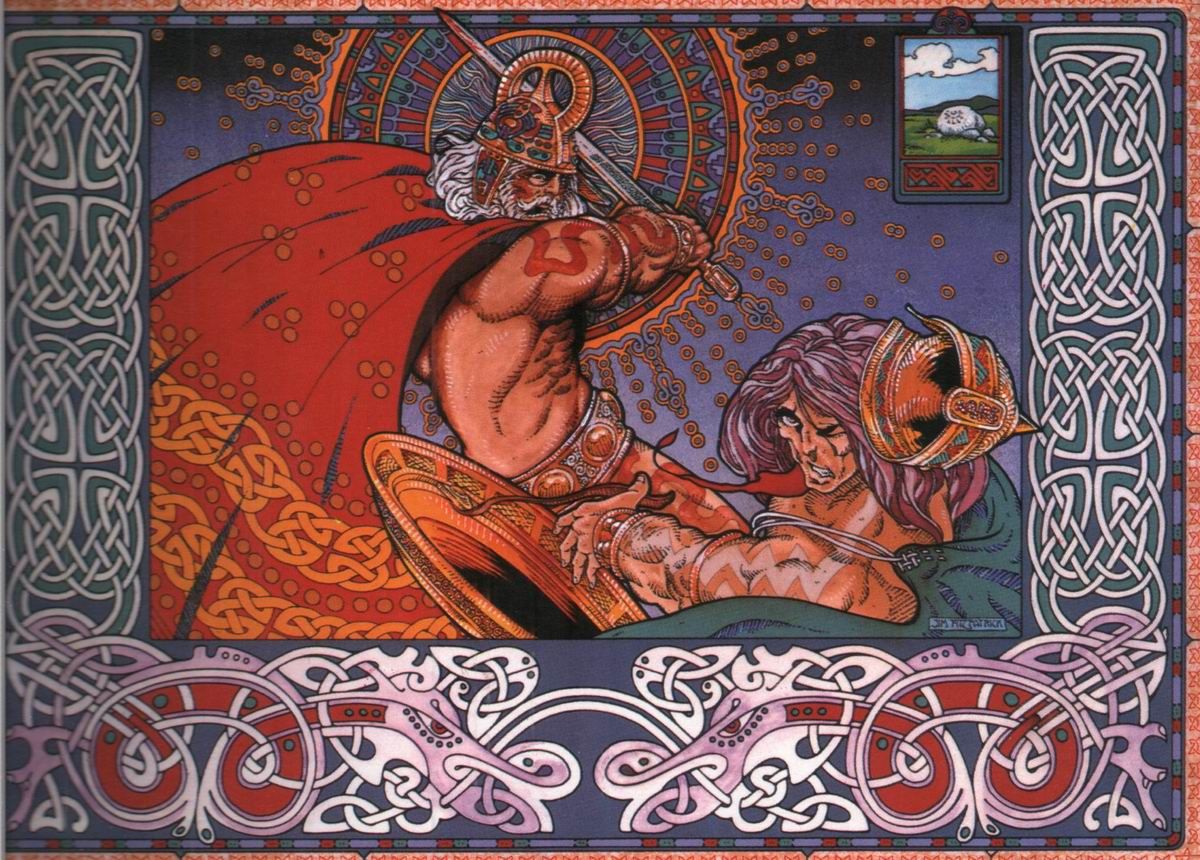
This independent “quasi-personality,” although it is a manifestation of the “main” stream of mind, has its own characteristics and is not identical to the “daytime” or “during-life” forms of manifestation. Thus, in his journey through the worlds, Baldr takes the form of Meili (“Beautiful”), and the Greeks described the “Intermediate” Sun as Hyperion, considering him the father of the “daytime” manifestation — Helios. The idea of such a “double” description consists in emphasizing the “independence” of the Intermediate state of mind. And this emphasis is especially important because under certain conditions the “dream personality” can usurp power in the mind, “virtualizing” it. Such a “seizure of power” is described, for example, in the myth of Bres — the “Fomorian Sun” that reigned in Yavi: the “beautiful” Bres (this image has a great deal in common with Baldr and Hyperion), having become king of the “daytime” world, led this world to decline and an outflow of resources into the abyss.
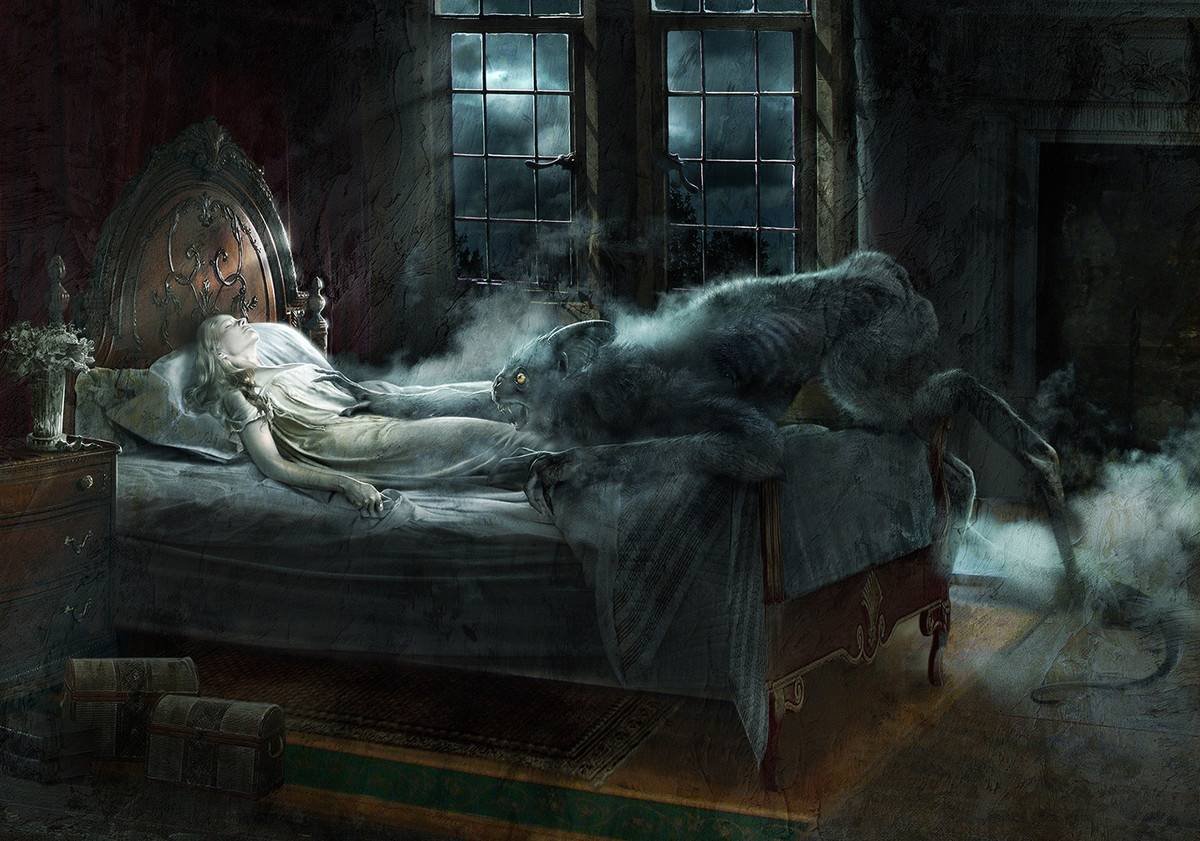
Exactly this situation is often observed in the modern world, increasingly sinking into virtual spaces. A teenager spending all their time in computer games is a typical example of a “substitution” of the “waking” personality with an “intermediate” one. The hooks and reinforcements on which such a substitution rests are well known; they boil down to quick, easy rewards and the illusion of achievement, requiring no effort. However, such a state is also known to any dream practitioner, and even to a meditator experiencing numerous samadhis: an “altered state of mind,” the quasi-personality of the Interspace, when it gets out of control, can gain strength, dominate and demand reinforcement, devouring large amounts of energy.
Instead of being an “Odin-form” in Hel, Baldr turns into Bres; his light becomes virtual and replaces the radiance of awareness, becoming a representative of the Outsiders, the Fomorians, Interworld predators, in the world of reality, and “collecting tribute,” pumping energy into the Interspace, destroys both itself and the surrounding space.
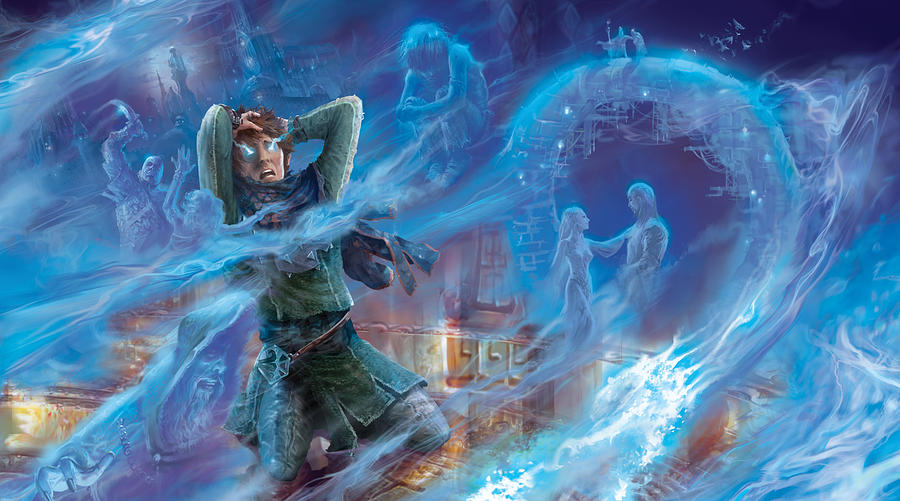
The first to fall into such a trap were the Light Elves, whose contact with the Abyss gave rise to the Unseelie Court. Today, humanity too is undergoing the same transformation, increasingly sinking into the dreams of Ialdabaoth.
However, as myth shows, victory is possible: Bres was defeated by the Sun of Yavi (Lughom), who restored the power of the Daytime mind (Nuada), and returned to his role as an important, yet still subordinate master, necessary but not dominant in the space of the mind. And this is precisely the battle that takes place in every mind and in the modern world: a person and humanity should restore proper systems of support, using the possibilities of virtuality, but not allowing them to seize dominion. Today, as once in antiquity and then in the modern era, the element of reason requires special attention because, given all its limitations and imperfections, it is precisely cognitive activity, logic, and independent processing of information that makes it possible to anchor the mind in reality, preventing its virtualization and disintegration. “Emotional intelligence” is undoubtedly important, but relying only on Dionysus, humanity risks repeating the fate of Orpheus, torn apart by frenzied bacchantes.




What awaits the stream of consciousness in the case of total virtualization? Dreaming awake? Or can consciousness in such a case ‘detach’ from the body and transition to ‘another plane’ of existence, in the Interworld, for example?
Yes, going into the Interworld.
Hello! Do I understand correctly that zones are created in the Interworld by players, Tolkienists, and the like, to which they will subsequently be attracted?
Where can I find information about bilocation? The appearance of a person in several places simultaneously and what this is related to, and how it occurs?
About Bilocation—not here) The appearance in different places simultaneously is the action of the Dreaming Body: https://www.enmerkar.com/en/way/vedogon-the-dreaming-body