Earth — the Principle of Stability
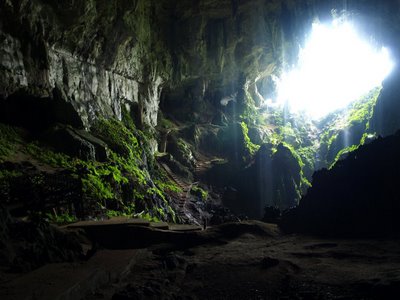
Just as air embodied the principle of lateral mobility, so the Element Earth corresponds to lateral stability.
Earth is associated with preservation, consolidation, materialization, and nourishment. The Earth is associated with all births, whether the sprouting of a seed, the birth of a child, or the growth of a crystal.
Earth is connected with formative thought, logic, affirmation, and creative power. At the same time, the Earth displays considerable inertia, conservatism, an aversion to change, and even a tendency toward stillness.
The cardinal direction associated with Earth is North; its season is winter.
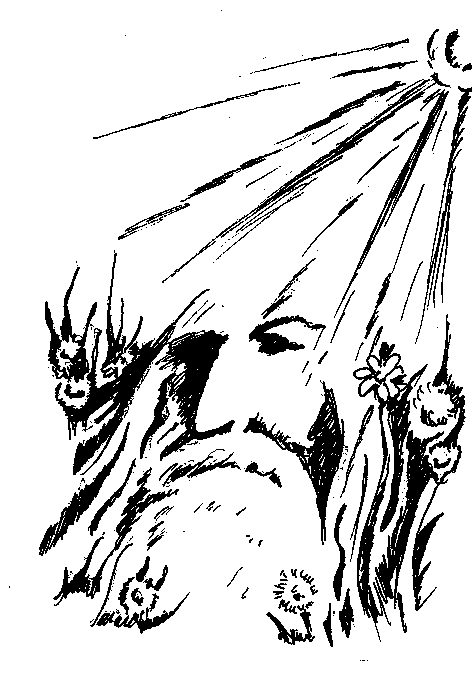
The Slavs associated Earth with the goddess Mokosh, the Great Mother in her generative aspect. The Earth god was Zibog, served by the Voloty — giants.
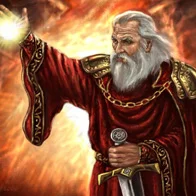
The Celts associated Earth with the city of Falias, where King Gob and the High Druid Morfessas ruled. From Falias comes the wondrous shouting stone Fal that proclaims kings.
The Scandinavians revered the Earth — Jörð, considered Thor’s mother, and also associated the Dark Elves (Svartálfar) and the Dvergar with Earth, who sprang from Ymir’s body.
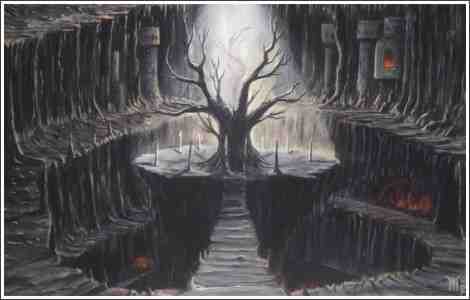
Moreover, all the aforementioned peoples likewise ascribed dark mother figures to Earth — Marena among the Slavs, Macha among the Celts, Angrboda and Hel among the Scandinavians — who expressed the negative aspects of Earth’s passivity.
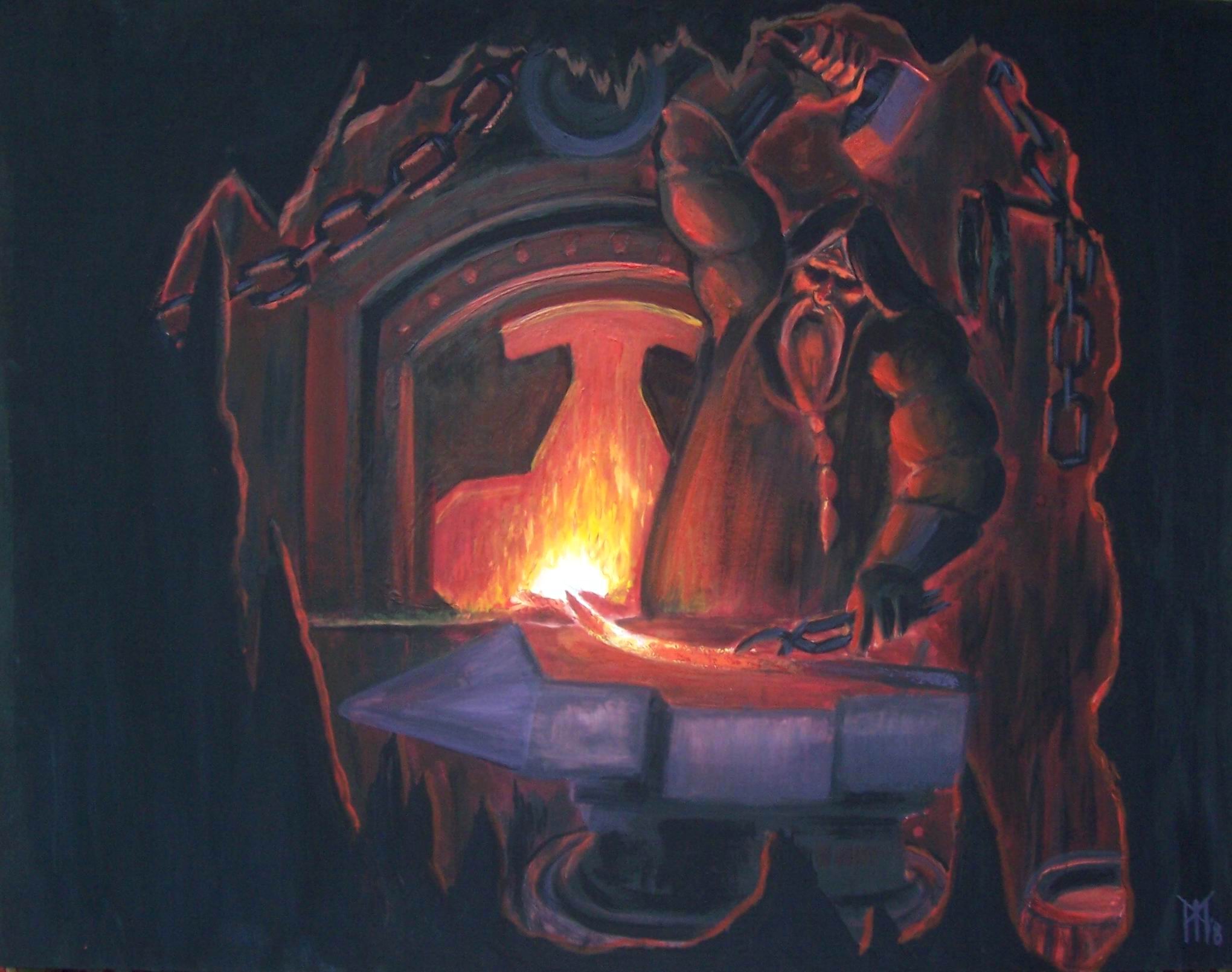
The Western European magical tradition, beginning with Paracelsus, calls Earth elementals ‘gnomes‘, who before Paracelsus were often confused with the Dvergar, dark elves, and certain underground fairies (kobolds and the like). The word “gnome,” it is believed, was introduced by Paracelsus (as, indeed, was the word “sylph”), possibly from Greek Γνῶσις — ‘gnosis’, “knowledge,” or, according to other versions, from the Greek “genomos” — “inhabitant.”
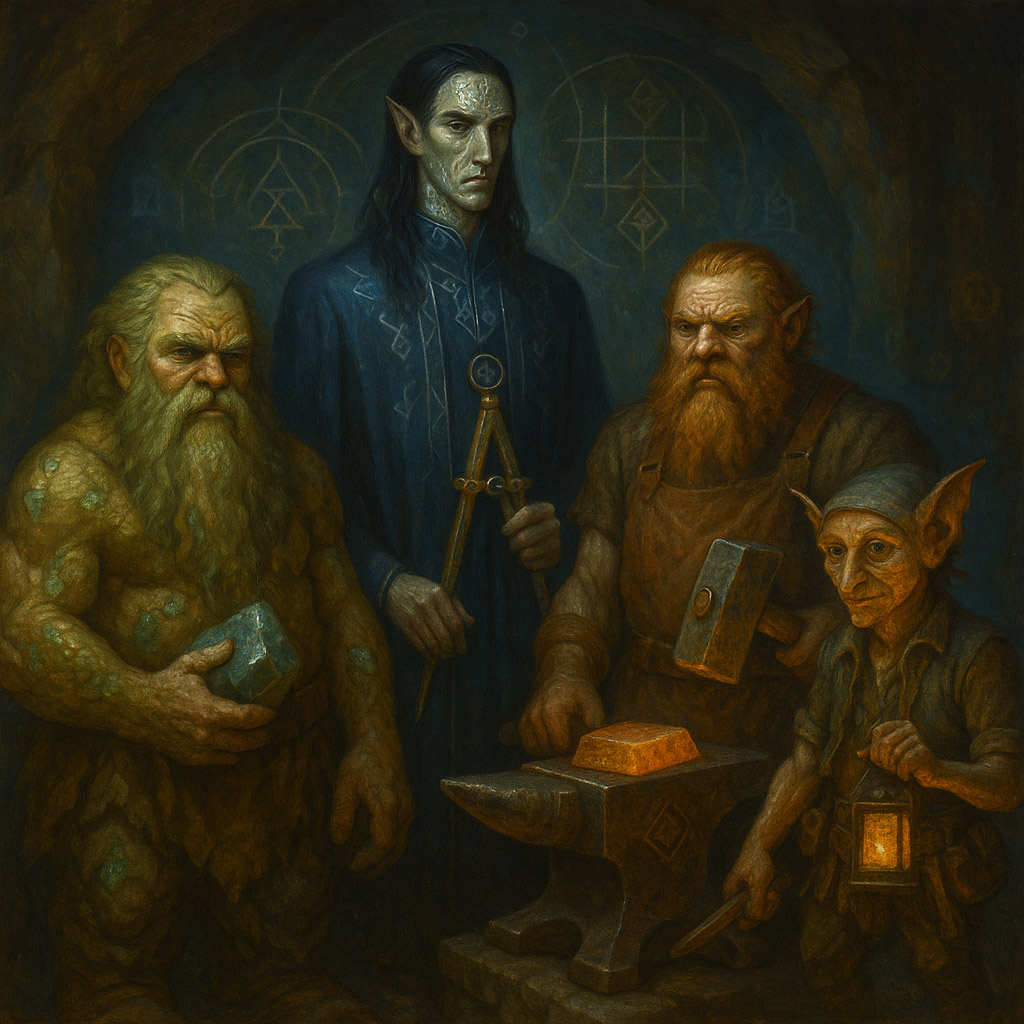
Gnomes are the masters of the mountains, who guard their riches — precious stones and metals. Gnomes are characterized by generosity; therefore, they do not submit to those with selfish intentions. They hide in deep mountain caves, where they have built underground cities and palaces. Gnomes keep secret the locations of their mines and the methods of mining.
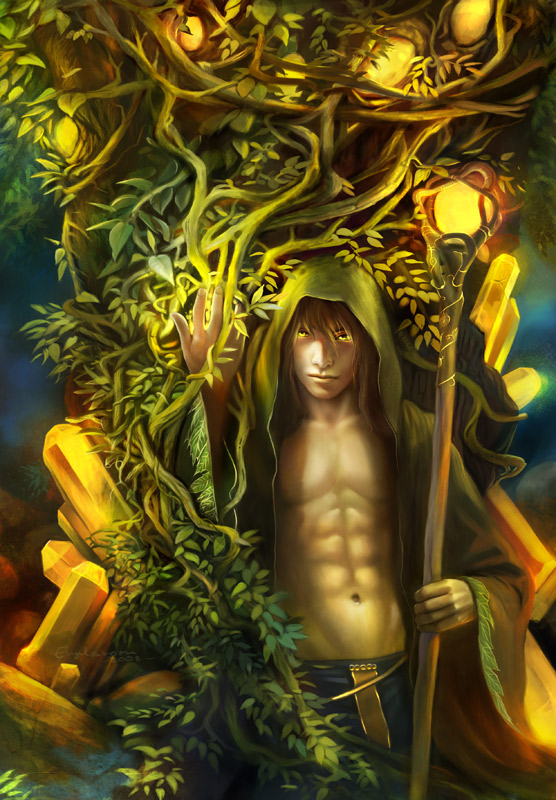
In the caves, gnomes accumulate treasures of gold, silver, and precious stones, dedicating themselves to the creation of unique weapons and armor. Gnomes are depicted with long beards, short stature, secrecy, wealth, and smithing skill; female gnomes are called gnomids and are famed for their beauty. Gnomes are noted for great endurance. This motif can be traced to the very origins of the gnome myth. Gnomes are spoken of not only as beings possessing considerable strength but also as fabulously industrious creatures adapted to all hardships.
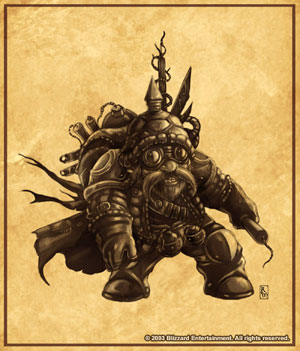
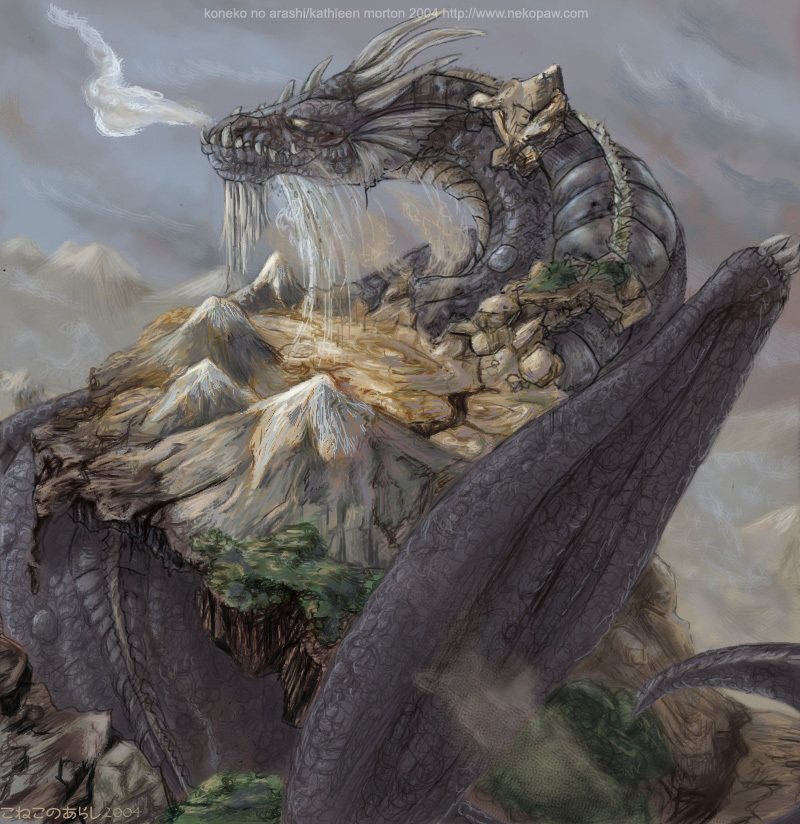
The principal task of gnomes is the consolidation of matter. They transform lighter substances into heavier ones, creating the Earth’s crust. Thus the gnome’s chief enemy is the Dragon. The fiery Spirit of Earth, conversely, melts rock and earth, thereby thwarting the gnomes’ efforts to harden it.
Gnomes can change their size at will. There are good-natured gnomes and malicious gnomes. Magi warn against deceiving elemental spirits, who can take revenge and even destroy a person.
Ancient healers believed that without gnomes’ help it was impossible to set broken bones.
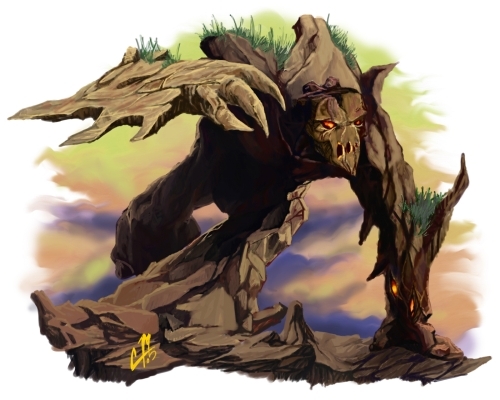
Magi activate the Earth Element when they wish to fix, strengthen, or harden a result and render it indestructible. A negative consequence of the Earth Element’s manifestation can be indifference, insensitivity, and melancholy.
Thus the inertia of the Earth Element in its protective aspect can be used to consolidate what has been created, but as inertia, it must be balanced by the mobility of Air.