The Magic of Analogies
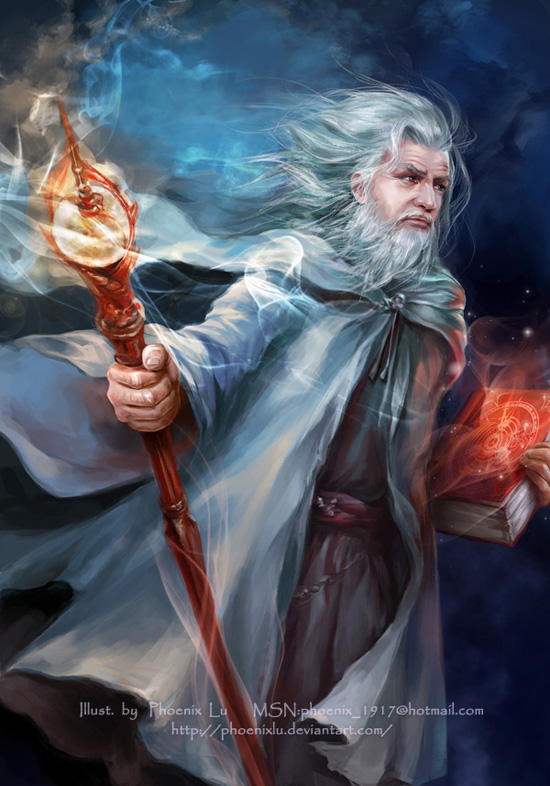
We have already mentioned that Magic, as the Path of effective realization, employs two principal approaches: relying on ideas (Nominative) or relying on manifestations (Contagious). In other words, realization can proceed «vertically», from idea to phenomenon, or «horizontally», from one object to another.
We have also said that this operation may occur by two mechanisms — by directing energy along one or another vector, or by enclosing it within a particular vortex.
Thus, four branches of Magic emerge: Vectorial Nominative (Galdr), Vortical Nominative (Goetika and Theurgy), Vectorial Contagious (the Magic of Strings and Instruments), and Vortical Contagious (Seid, Voodoo, etc.). It is clear that a single Magus often combines several of these approaches in their practice.
At the same time, since all magical operations are founded on lies, the establishment of a connection between the object (thing or idea) with which the manipulation is performed — to which the Magus’s will is applied directly — and the object on which the final effect should occur, the Law of Analogies, or the Principle of Noncausal Connection, underlies all approaches to Magic. Law of Analogies.
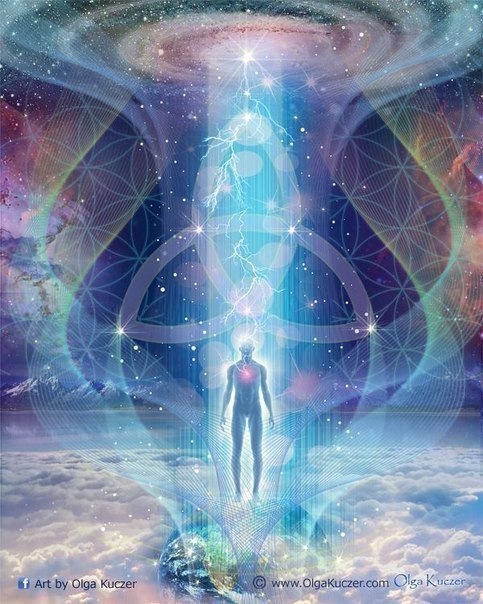
In its essence, this law amounts to the observation that two elements occupying analogous positions in two distinct but similarly organized systems are interconnected and interdependent, and therefore changes occurring in one such element inevitably affect the other. Such connections are valid both for «vertically analogous» systems — that is, systems in which one is a particular case of the other, more general one (for example, the familiar correspondence of macrocosm and microcosm) — and for «horizontally analogous» systems, meaning systems that are different manifestations of a single common principle (for example, the “principle of similarity”, when manipulating an object’s image extends to the object itself).
The Magical Myth explains the Law of Analogies by the “matrix” or “fractal” nature of reality, asserting that similar objects are manifestations of the same matrices, or, as is said, of the same Me, and therefore, in a sense, these objects are interconnected precisely through their eidos. Moreover, one can say that, in a certain sense, two objects that are manifestations of the same Me are the same object in different manifestations.
Thus, by acting either directly on the matrix through the Logos (in nominative approaches), or on one “hypostasis” of the object (in contagious operations), the Magus attains the realization he seeks — a change in the system in the required direction.
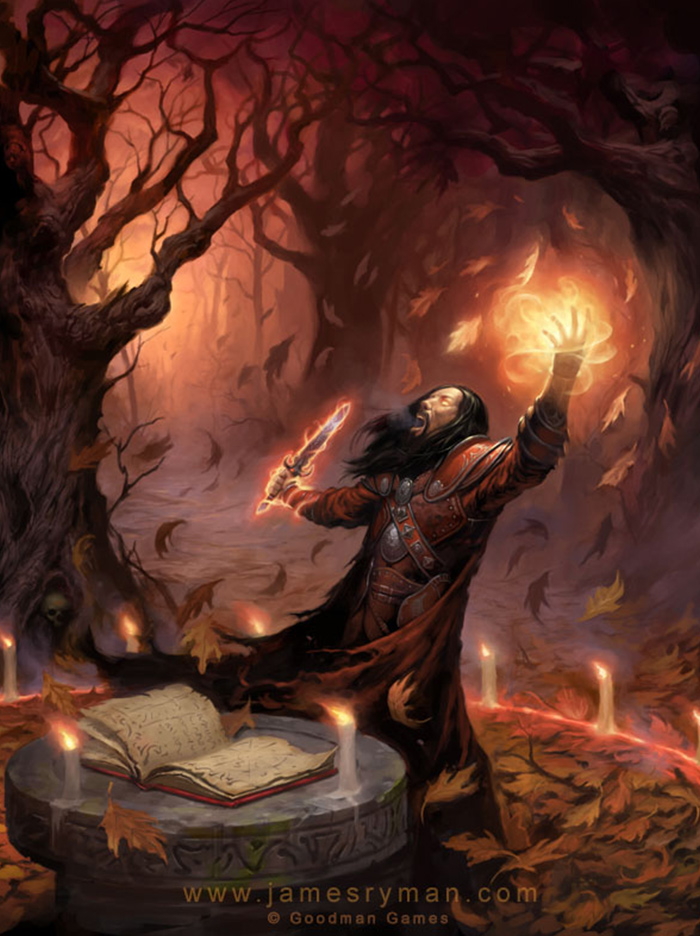
Accordingly, any realization can be divided into three stages: 1) the search for the common axis of Analogy on which the operation’s target object is situated; 2) the search along the same axis for an object accessible to the Magus’s direct will; 3) manipulating the trigger object, intended to influence the target. To find the Axis correctly requires a certain level of mental development — that is, Power. To find the correct point of application requires knowledge — that is, Authority. To effect the influence — energy is required.
An interesting group of “lower” nominative magic which uses the Law of Analogies in a special way is the magic of charms and incantations, which can be carried out by either vortical or vectorial mechanisms. In this magic, an analogy is established not simply between the idea itself and its manifestations, but between the mythic image and a concrete phenomenon. In other words, the eidos here is not a static image but a dynamic scenario. Put differently, a certain familiar “script” of Myth is imposed on concrete objects, causing them to develop according to that which is “played out” by the given script.
A well-known example is the Merseburg incantation for “liberation from bonds”:
Long ago maidens sat here and there.
These bound the fetters, those set the posts,
The third ground down the firm chains.
Cast down the rope, avoid the foe’s fetter.
Because the “maidens” (apparently valkyries) have already “ground down” the chains, there is no reason for those chains to remain intact; the scenario therefore “forces” events to unfold so that the real fetters are likewise broken.
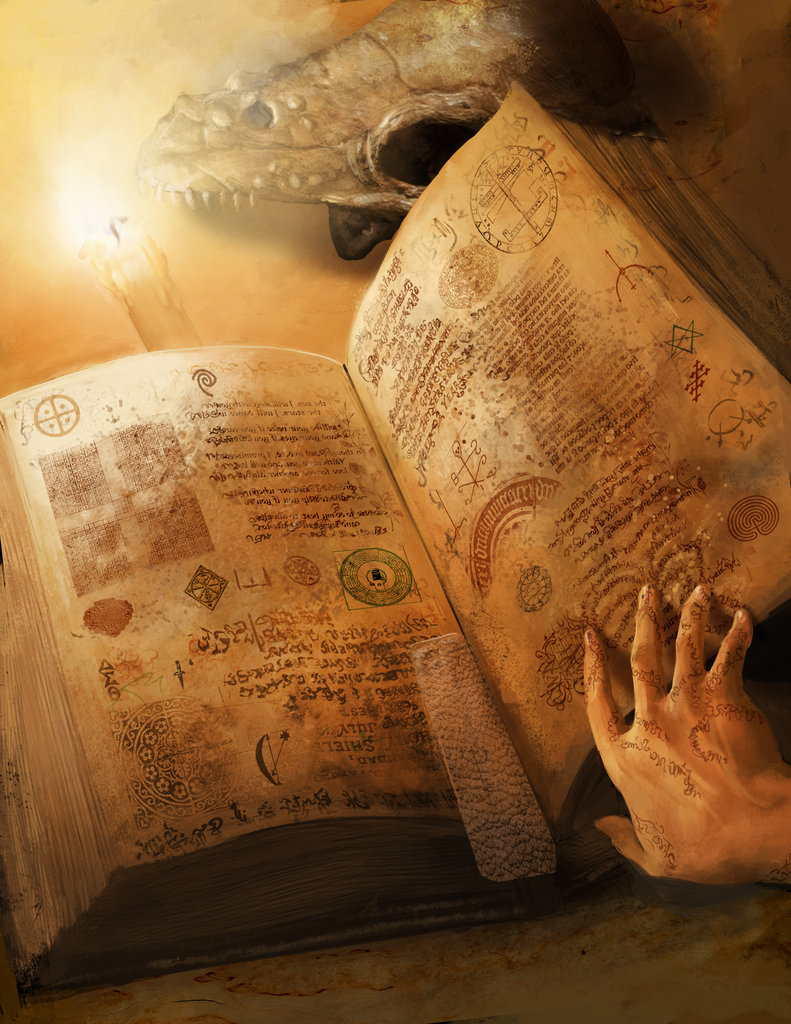
Regardless of how the Law of Analogies is specifically employed, the key to successful realization is its correct application — that is, the discovery of the “actual” common axes, common Me, and thus the finding of the right leverage in the situation: the object which, on the one hand, lies on a common axis of analogies with the target, and on the other, is accessible to the Magus’s will, power, and authority.
Accordingly, errors in implementation may be connected either with an incorrect establishment of correspondences or with insufficient energy for the “actualization” of the effect. Only when all stages of search and implementation are carried out correctly can a realization be effective and safe.