Sigils — the Skeletons of Vortices
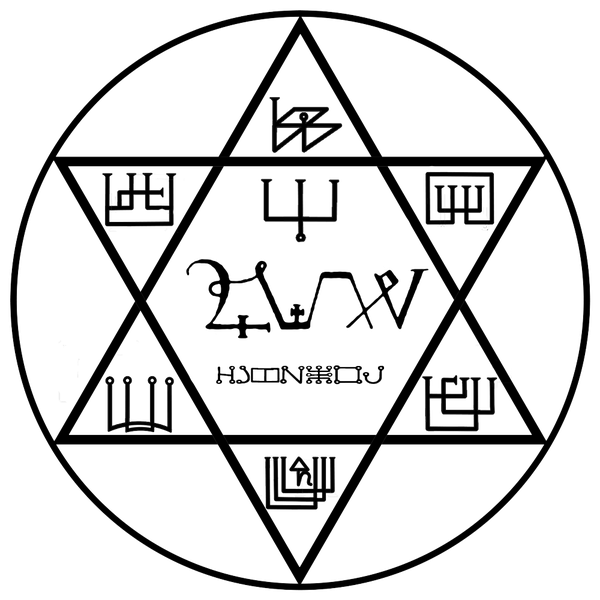
We have said repeatedly, within the Magical Myth, the operation, control, and transformation of vortices rests on two “pillars” — pronunciation and writing. In other words, the two main domains of Magic — the nominative and the graphic — are equally important for achieving a practical result and for its “higher purpose” — the development of consciousness.
We have already spoken at length about the power and use of “True Names” — a semantic mapping of the energy of the corresponding matrices — and have discussed sigils as a graphic expression of that energy.
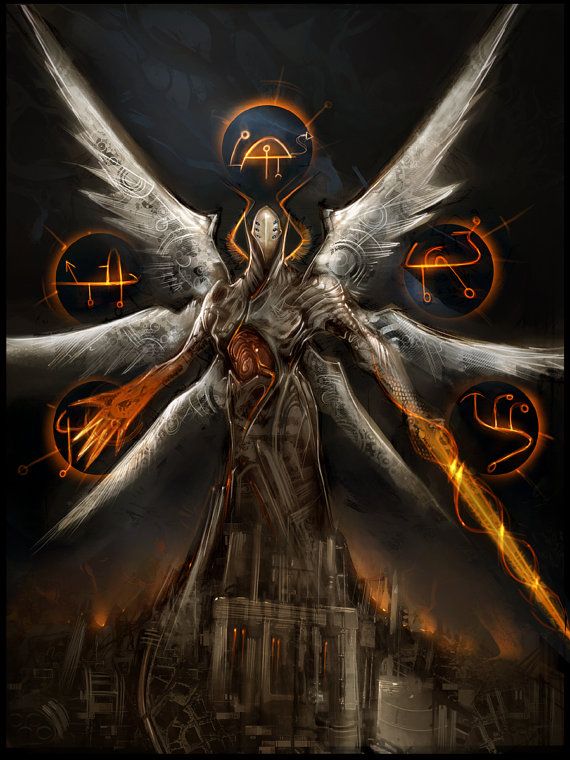
At the same time, for a magus, both skills of composing Names and Signs and reading them are equally important. And while reading Names usually does not present particular difficulties (aside from articulation, which requires initiation), reading sigils is often more problematic.
We have already said that a sigil concisely records the features of the “integral” manifestation of the energy of a given matrix: if a Name typically describes these manifestations step by step (letter by letter), a Seal shows the final cumulative imprint of that energy on the target of its influence. Let us reiterate that, unlike galdrastafs, sigils describe the vortices of beings, not processes; they relate to the expression and origin of will, not just to stages of its realization.
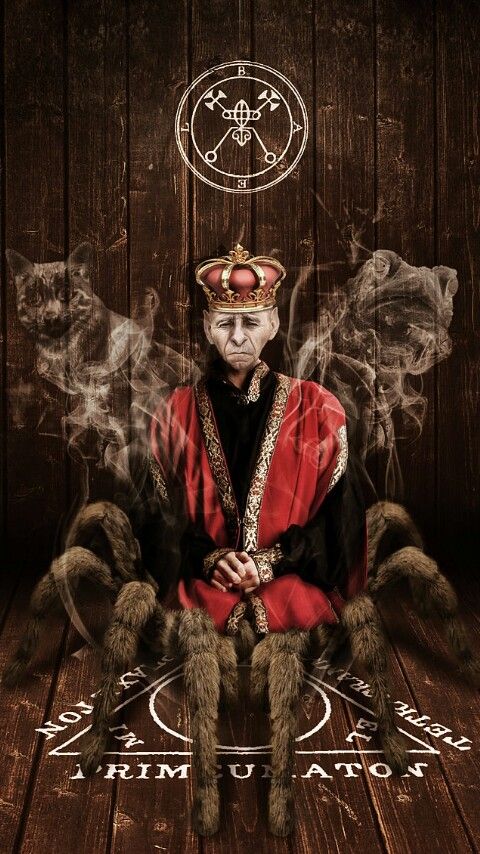
Accordingly, correctly reading a sigil is as important for understanding the nature of the entity with which contact is made and its influences and consequences as knowing its Name and perceiving its energy. Moreover, it is precisely a correct grasp of the essence of a sigil that will allow one to “tame” its energy by enclosing it in a Seal, which, of course, also provides significant advantages, especially in countering destructive matrix influences.
We have already given examples of such readings; we will now examine a few more.
Let’s analyze the first Shemhamphorash Genius’s sigils — Véhuiyah — and his corresponding demon, Bael.
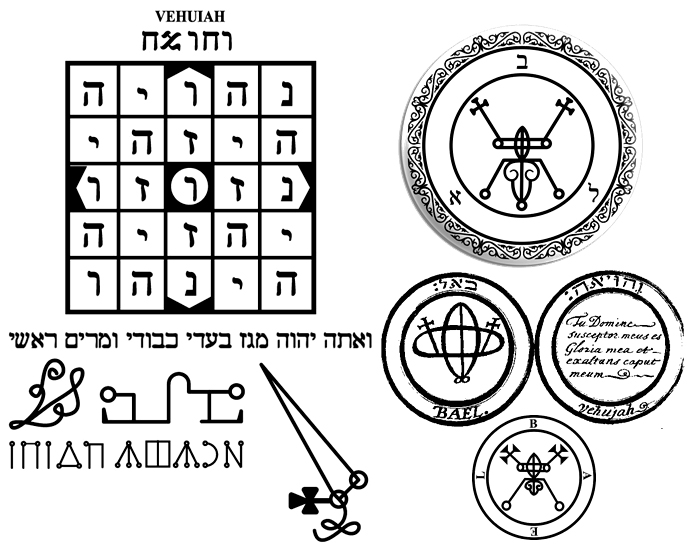
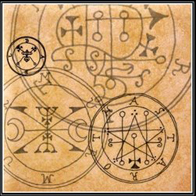
More modern stylizations of Bael‘s Seal, of course, depict a spider — the traditional image characteristic of this Demon’s manifestation. The crosses at the top of the sigil indicate “blocked” upper currents, i.e., an inability to draw creative energies independently, leading to predatory behavior. An earlier manuscript variant of the “Lesser Key”, while likewise alluding to a spider image, expresses the abstract idea of “disrupted interaction” of currents: two ovals intersect but do not coincide, which can be read as “the way we see the world does not match the way the world sees itself.” This is Bael’s central distortion — a misaligned gaze, false ‘semantic axes’ underpinning the cosmos.
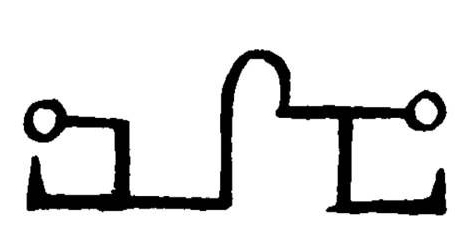
Conversely, Véhuiyah’s ‘direct’ sigil expresses worship; it depicts two bowed figures, i.e., veneration of the two cosmic foundations of the cosmos — transcendent and immanent aspects of the Absolute.
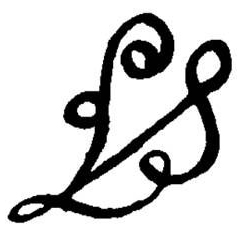
The Genius’s ‘signature’ is a stylized ‘V’, the first Latin letter of his name, depicted as a flying angel.
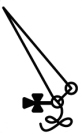
Finally, the Genius’s name sigil comes from a matrix, by extracting his name’s letters in order.
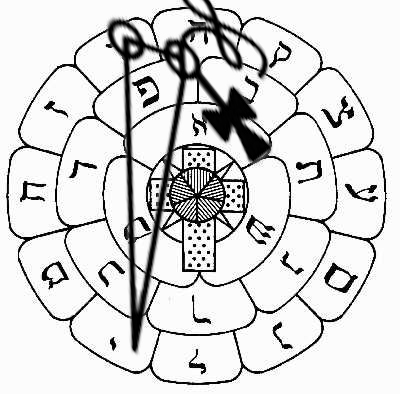
By analyzing other sigils and symbols, one can better understand the spirits’ nature and the basis of their manifestations and develop magical intuition for resolving questions.
In general, creative insight, useful for making and reading sigils, is an essential magical skill that enables one to navigate the realm of graphic magic — both its vectorial and vortical aspects — and to avoid mistakes that can be fatal for the inept conjurer and those around him.