Sophia and Hecate: Wisdom and Arbitrariness
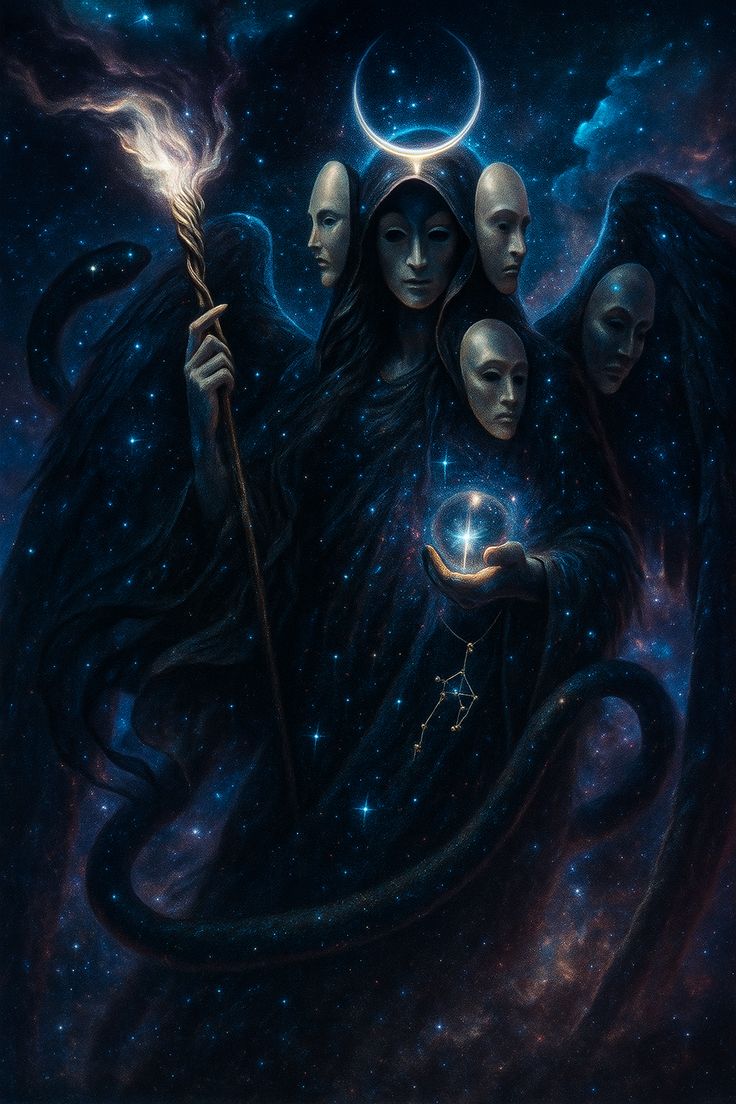
When Sophia, the divine aeon that brings forth the manifested levels of existence, anticipating their potential perfection, “forgets herself” and begins to act as if this perfection has already been attained, she “falls” and thereby engenders the Archon of Arbitrariness — Hecate, the power of the “accidental,” lawless conjunction of objects and processes.
The Gnostics, in their own way, reinterpreted the classical image of the Goddess of Witchcraft, and “Pistis Sophia” uses her name as an epithet for one of the Primary Archons, correlating her (as well as Ariuf) with one aspect of Great Feminine, Artemis, with the Moon (and Khoreia). At the same time, the “Apocryphon of John,” to describe this same force, uses the name and image of another deity of classical mythology — Hermes, while the treatise “On the Origin of the World” calls this Archon “Eloaeim.” The Roman name of this Archon is Invidia, and under this name she is known as the Mother of Envy, generating the corresponding demonic hierarchies headed by the “King and Count” Vine. However, it is precisely the correlation of the Archon of selective realization with the image of Hecate that offers the most fruitful way to understand her nature and functions, especially in considering Hecate and Sophia (more precisely, Pistis) as two forms of manifestation of the “upward striving,” respectively “self-willed” and “lawful.”
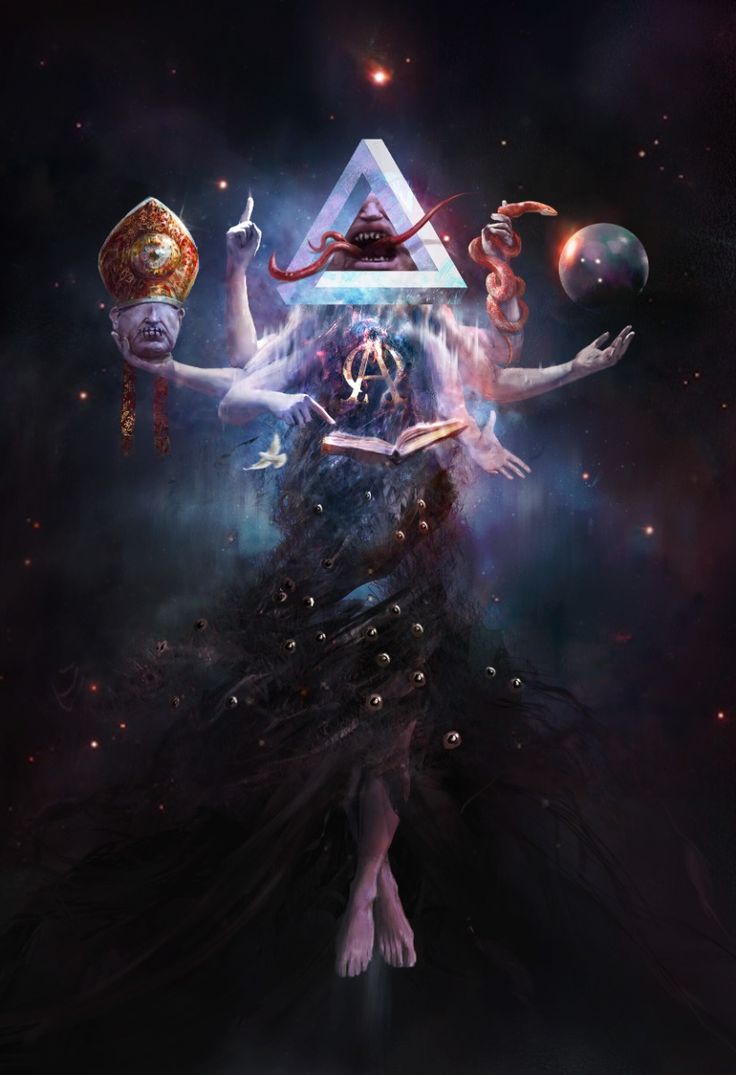
It is important to understand that Hecate as a deity and Hecate as an Archon are not the same force; that the Archon of envy merely resembles, or can be described through, the image of the Goddess of Magic, who remains an independent reality.
Whereas Sophia embodies the lawful unfolding of potential leading to the perfection of the Pleroma, Hecate as an Archon personifies the force that seeks to attain fullness instantly, bypassing stages, and thus produces chaos and disharmony. This is exactly how Envy always seeks to take possession of what already belongs to another, without having taken its own path.
Hecate is the goddess of crossroads and transitions, reigning where a choice between different paths is possible. Both envy and arbitrariness manifest precisely at this moment of multiple options, when the mind is distracted from its own path and rushes toward another’s path, choosing not “by law” or inner necessity, but under the impact of a random impulse, an external example, or an illusion. This expresses her connection with “arbitrary conjunction” and “untimely aspiration.” Hecate embodies lunar power’s darker side, lures the mind toward illusory goals and keeps it unstable.
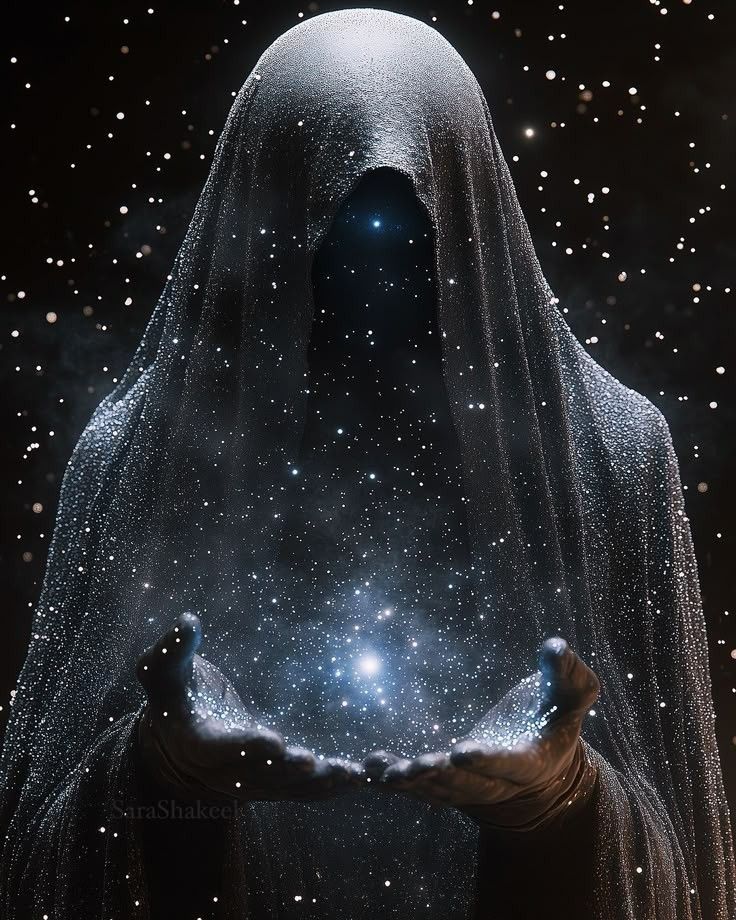
As the goddess of magic and shadowy illusions, Hecate enchants, creates the appearance of the unattainable, compels one to compare oneself with others and feel inadequate, and entangles the mind in phantoms of others’ success, leading it away from the search for individuality and contact with one’s personal logos.
Hecate is the mirror image of Sophia: envy as a distorted striving for perfection, which must be recognized and surpassed for ascent to be genuine.
Thus, when Sophia strives toward the heights of the Pleroma in the process of lawful, gradual ascent, following the inner steps of realization, she manifests herself as Pistis — fidelity, trust, constancy, organic attunement to the Aeons’ order. But if she seeks to “storm heaven,” bypassing the natural stages and appropriating what has not yet been actualized, not yet integrated into her nature, in an instantaneous leap — then by this act she engenders Hecate, the shadow of her audacity, the force of envy, rupture, and loss of measure. Here the duality of her nature is revealed: on the slow and faithful Way she is Wisdom, creation, and assimilation; but in self-willed seizure — destruction and the birth of the abyss (Achamoth).
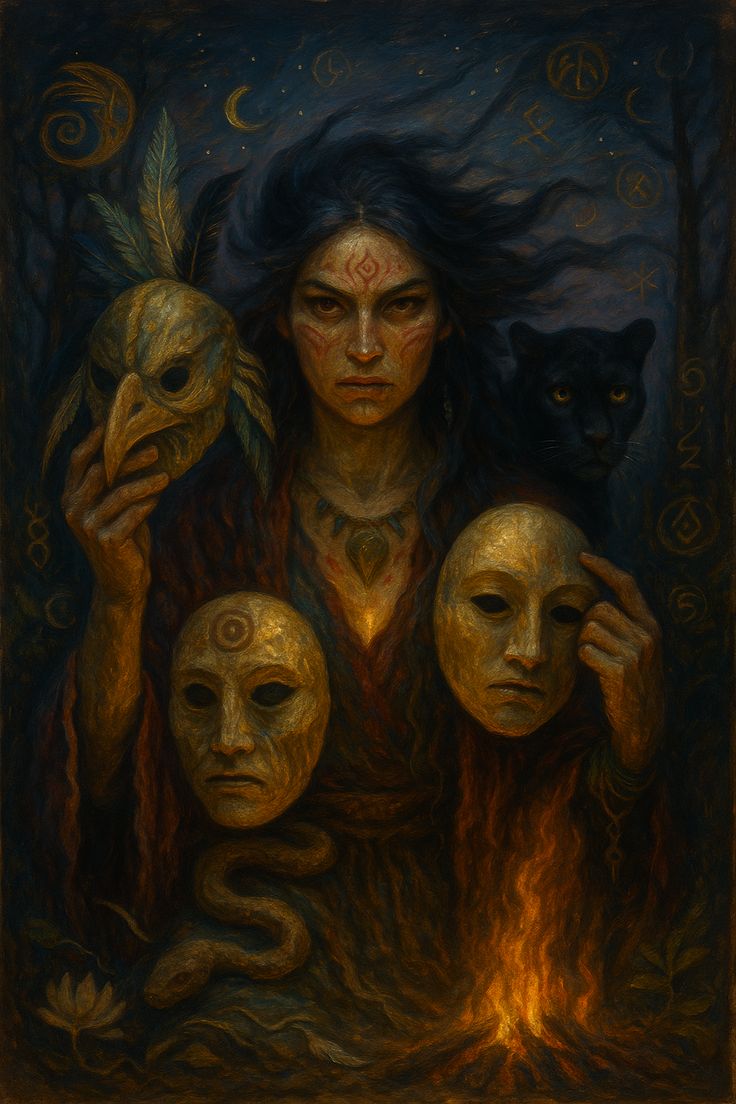
Unlike Pistis, who ascends by uniting and filling, Hecate as an archontic force imposes a model of the Way as a repeatable “accelerated throw.” Yet this is a throw that always misses the goal, and therefore it must be repeated endlessly: thus the circle of fate is born, the wheel of heimarmene. Every impulse of self-willed seizure generated by her is reflected in the structures of the mind as a tendency toward rigid cycles of jealousy, craving, and failure. Thus a habit of an “empty path” is formed, on which instead of organic growth only coercion occurs; instead of freedom — a fixed trajectory; instead of a spiral — eternal repetition.
Therefore Hecate turns out to be one of the primary Archons: she is not an accidental “mistake” of Sophia, but the source and ruler of an entire dimension of the Interspace, in which the laws of fixation and coercion operate. She is the source of sudden rupture, the expression of the principle of “under-ascent,” and in this sense she is one of the agents of heimarmene.
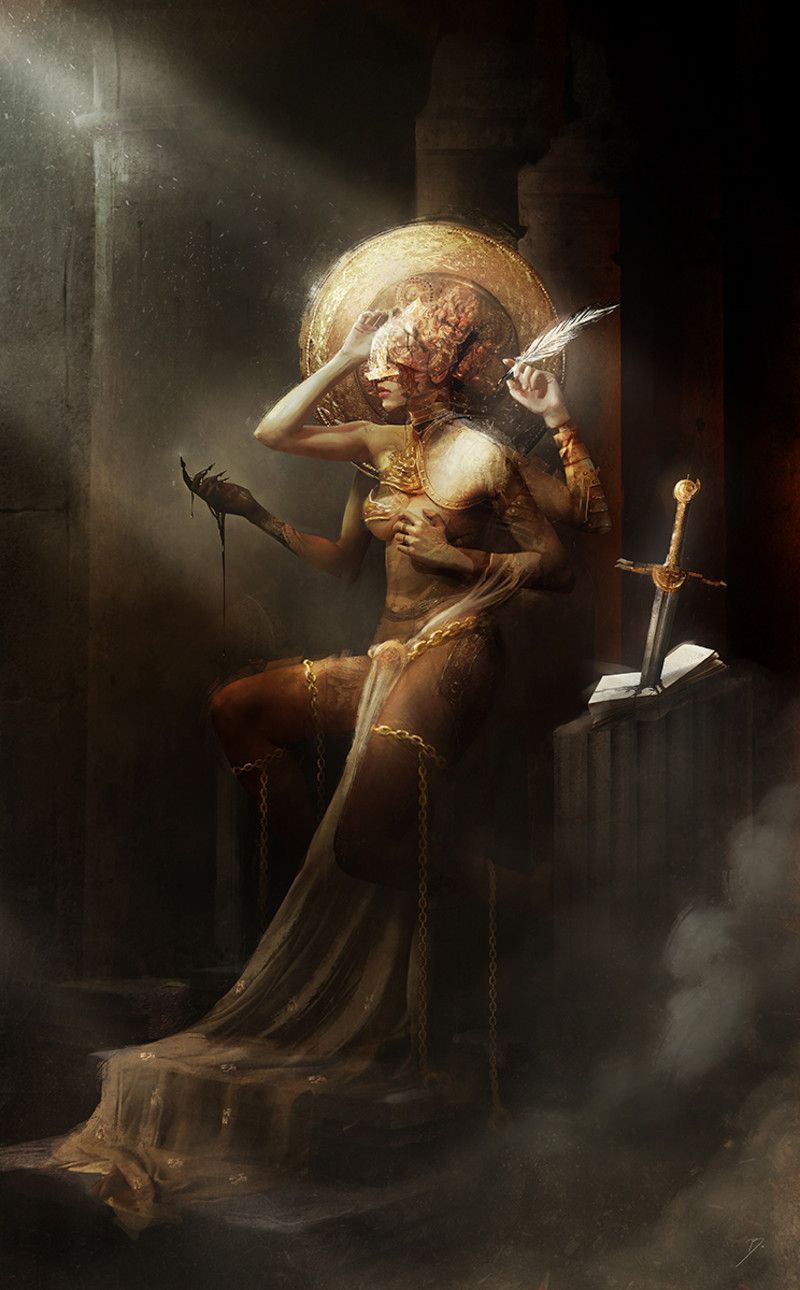
At the level of the psyche Hecate manifests as an obsessive force of sudden desire, as the illusion that a shortcut exists, bypassing effort and gradual maturation. She calls to a person through the temptation of “secret knowledge without preparation,” “power without responsibility,” “possession without effort.” And therefore her influence is especially noticeable wherever impatience and a thirst for easy solutions are present. The Latin invidere (“to look too intently”) points to the nature of this archontic envy as destructive vision. This is not a gaze meant to know, but a gaze of comparison and appropriation: “why does the other have it, and I do not?”.
In this aspect Hecate, as we already mentioned, is closely connected with the “Kingdom of Despondency” and its ruler Vine. The demon of envy is the lord of temptations of excessive passion, an emotional storm, and irresistible attraction. At the same time, unlike Hecate, whose impact is primarily intellectual and volitional, Vine acts through the sphere of emotions, displacing reason and turning striving into an irresistible destructive craving.
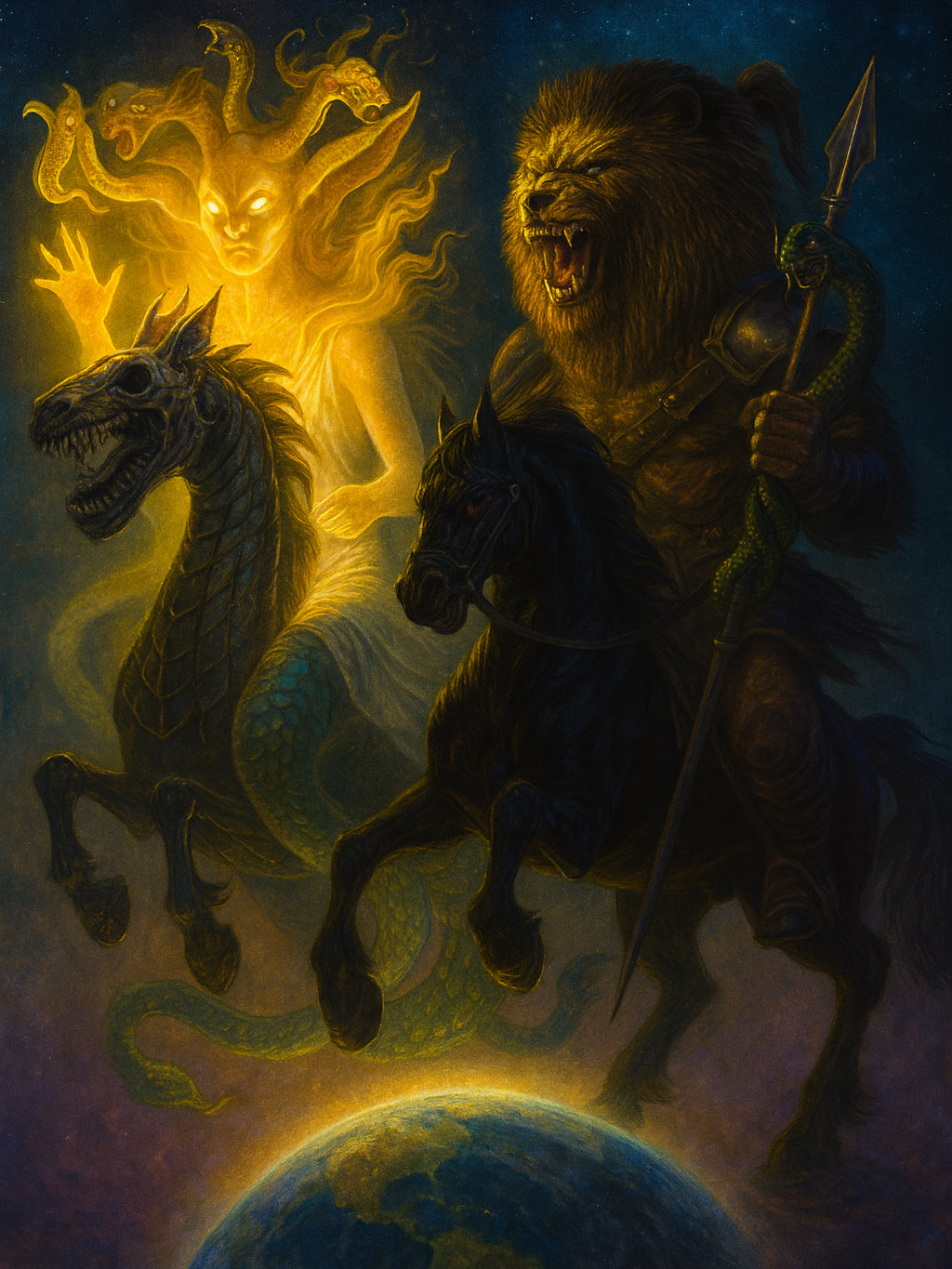
However, both of them are forces of sudden incursions that destroy the natural path of becoming. Hecate, through the “short road of thought,” leads to the illusion of pseudo-knowledge, and Vine, through the “short road of passion,” to the destruction of inner wholeness. In both cases the mind finds itself in the position of a captive: its freedom is replaced by a shadow of freedom — the possibility of choosing between illusions, but not the actual path to liberation.
Within the psyche this is experienced as a corroding certainty that “mine” exists elsewhere and someone else already has it; as an obsessive pull toward others’ paths and achievements; as loss of focus, in which the choice is made not according to inner inclinations but by whim. Thus envy is born in its proper sense, as a stable matrix of distorted choice, when the mind seeks to connect the unconnectable, to “cram” contents into an unprepared vessel, to snatch fruits for which no place has yet been prepared.
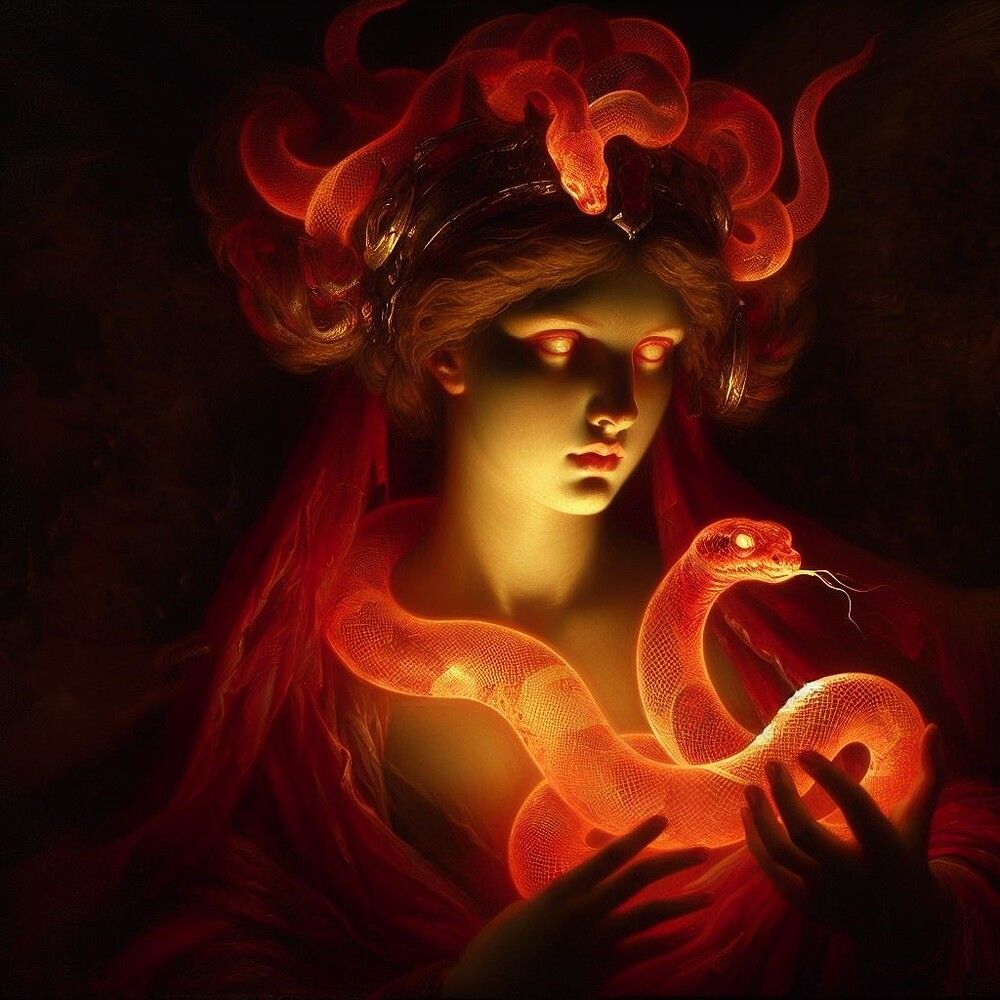
Lunar changeability reinforces this pattern: attention shifts from object to object, motivation is exhausted, and the sense of one’s own Way dissolves into “like they have it.” As a result, Hecate becomes the inner architect of fate: each step driven by envy only entangles the mind in heimarmene.
Vine translates this distortion into a social form of rivalry. His power begins where comparison replaces discernment: instead of the question “what has ripened within me?,” there arises “why does he have it and not me?”; and then, instead of integration, seizure follows; instead of searching for a resource — the will becomes a “battering ram” that breaks through the boundaries of “mine/other’s.” Under Vine’s influence a person ceases to think in terms of their own Way: they follow where others run, imitate “successful models,” replace maturity with showiness, and “compensate” the deficit of inner support with endless competition. Thus jealousy becomes an effective social technology: corporate systems of “incentives as admonition,” relationships in which third parties are involved to inflame passion, constant needs to demonstrate status and visible signs of “possession” — all of this is Vine’s feeding grounds.
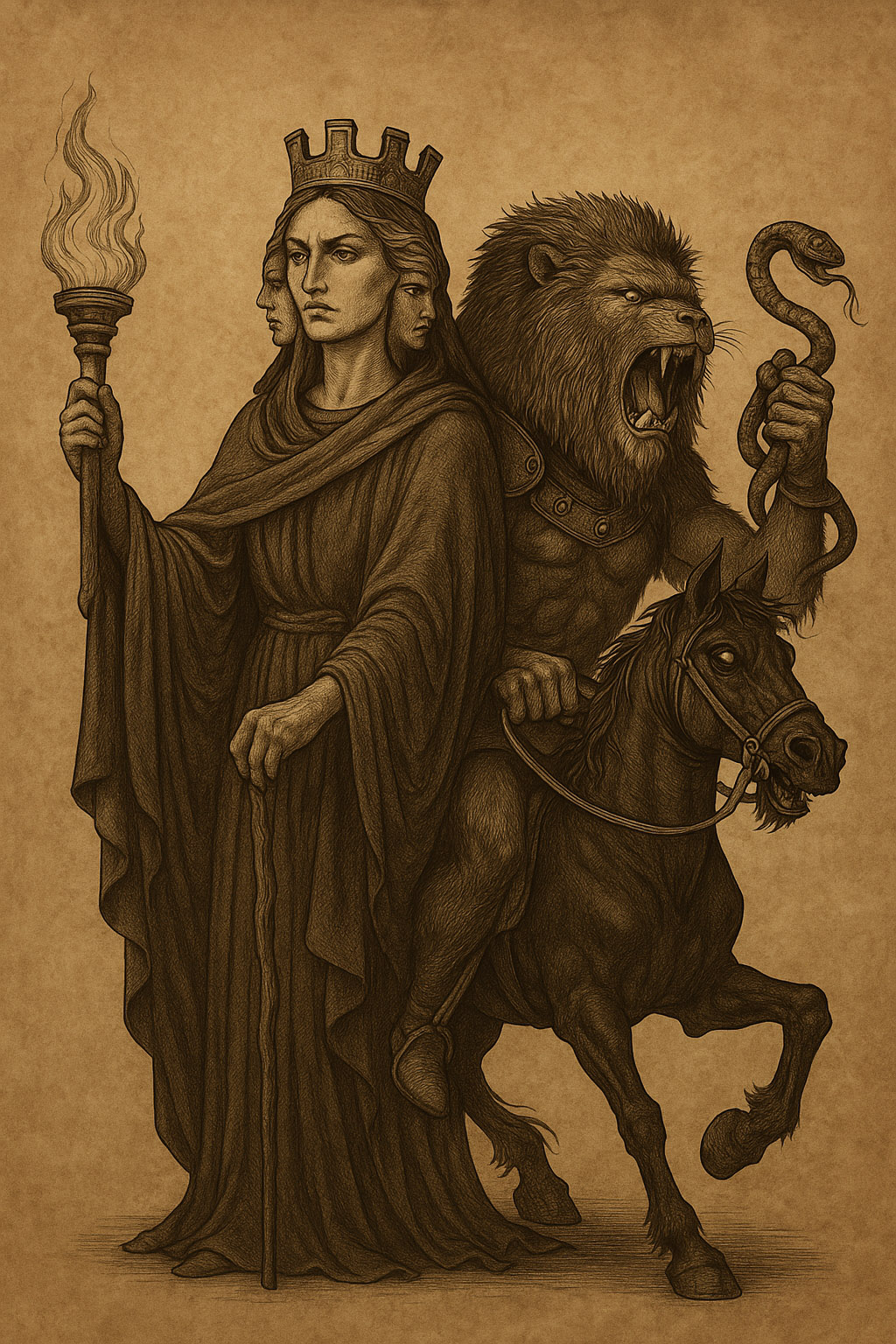
Thus, Hecate deforms the very vector of the mind’s choice, making envy a global habit of the mind to appropriate the unripe; Vine, meanwhile, turns this habit into concrete actions — into seizure, suppression of others’ realizations, cultivation of visible heights and self-imprisonment within them. Hecate creates an inner “night of crossroads,” where any road is chosen not in time; Vine destroys external “walls,” erases boundaries of ownership and merit — and at the same time builds his prison in the form of a heap of meaningless trophies.
Therefore, with the active matrix of Vine the mind easily becomes a “demon to its surroundings”: it is being “better than others” matters more than self-becoming; more important to keep others down than to grow; more important the tower than the Way.
It is clear that in both cases the root is the same — a distortion of comparative energy.
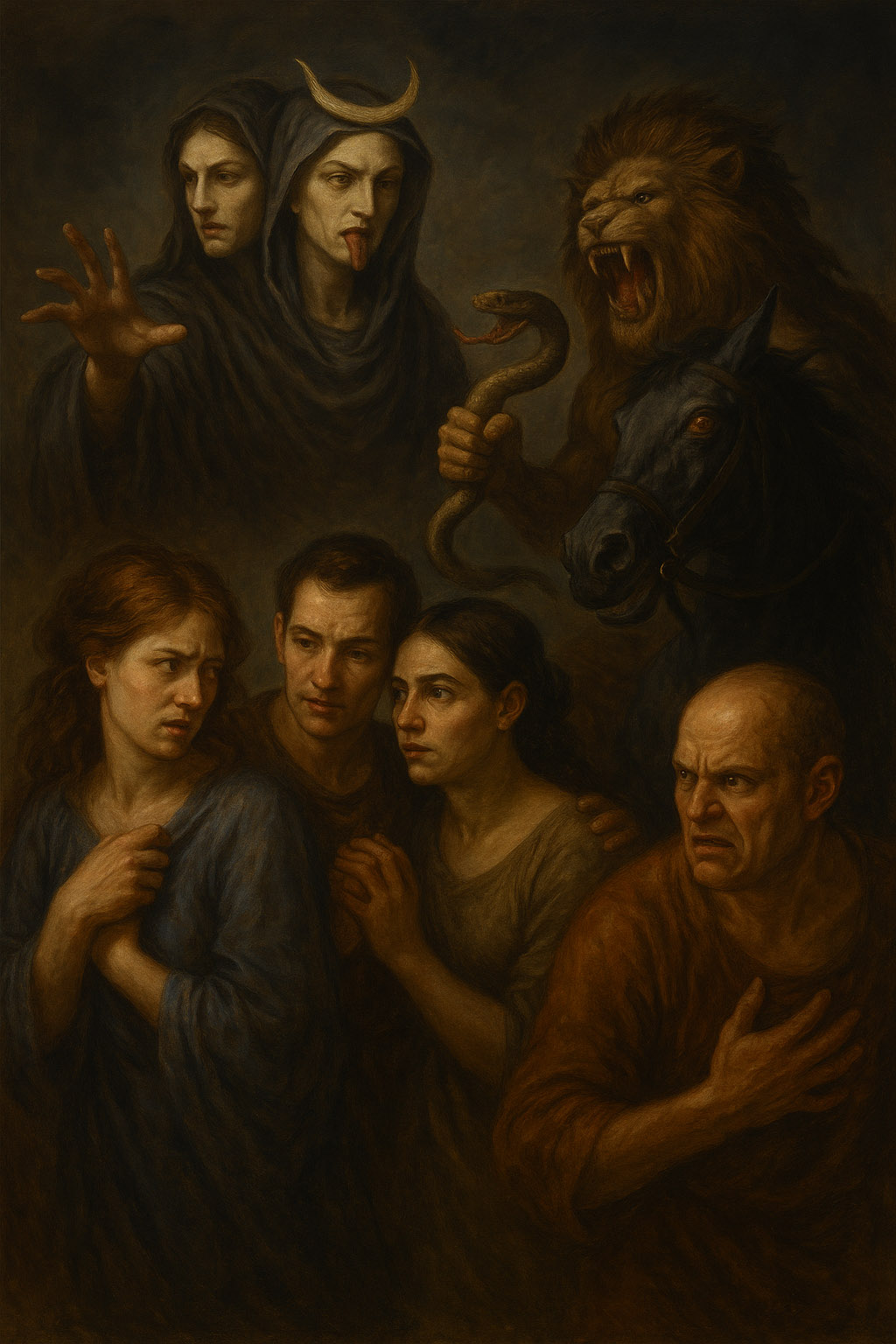
And therefore the antidote in both cases begins with restoring a sense of proportion. Where Hecate seduces with untimeliness, a return to Pistis is required — to fidelity as a process of ripening: to avoid what seems prestigious; do what has ripened. Where Vine erases boundaries, a transition to Sealiakh is needed: replace clinging with support, engage while respecting personal boundaries, replace immersion with understanding of others.
Important for such transformation is understanding that “I make choices, and those choices form me.” While the stream of comparisons dominates in the mind, Vine will reign; if choices are impulsive, Hecate directs energy into rebellion, and not into development.
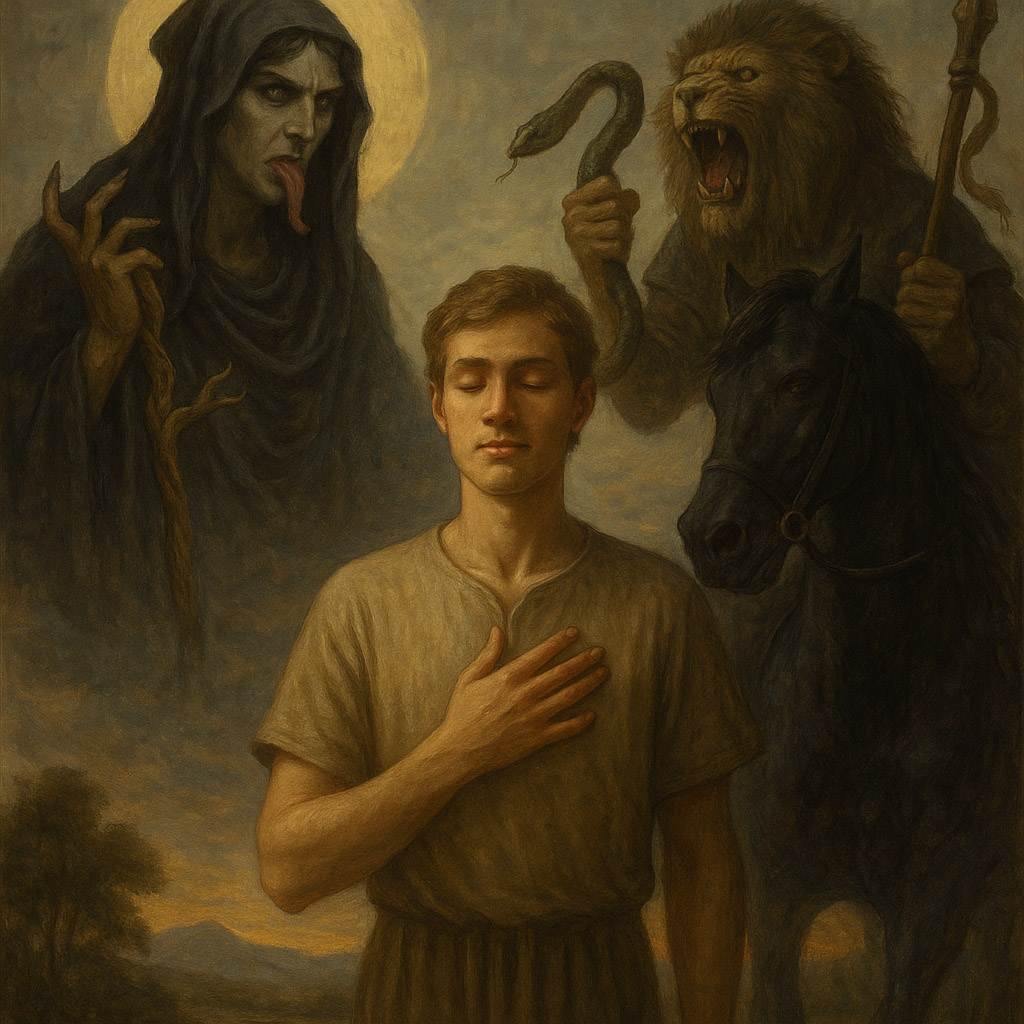
However, as soon as focus shifts inward, toward what has genuinely ripened in this mind, both of these destructive rulers lose their hold: envy loses its object, jealousy loses its pretext, the battering ram loses its target.
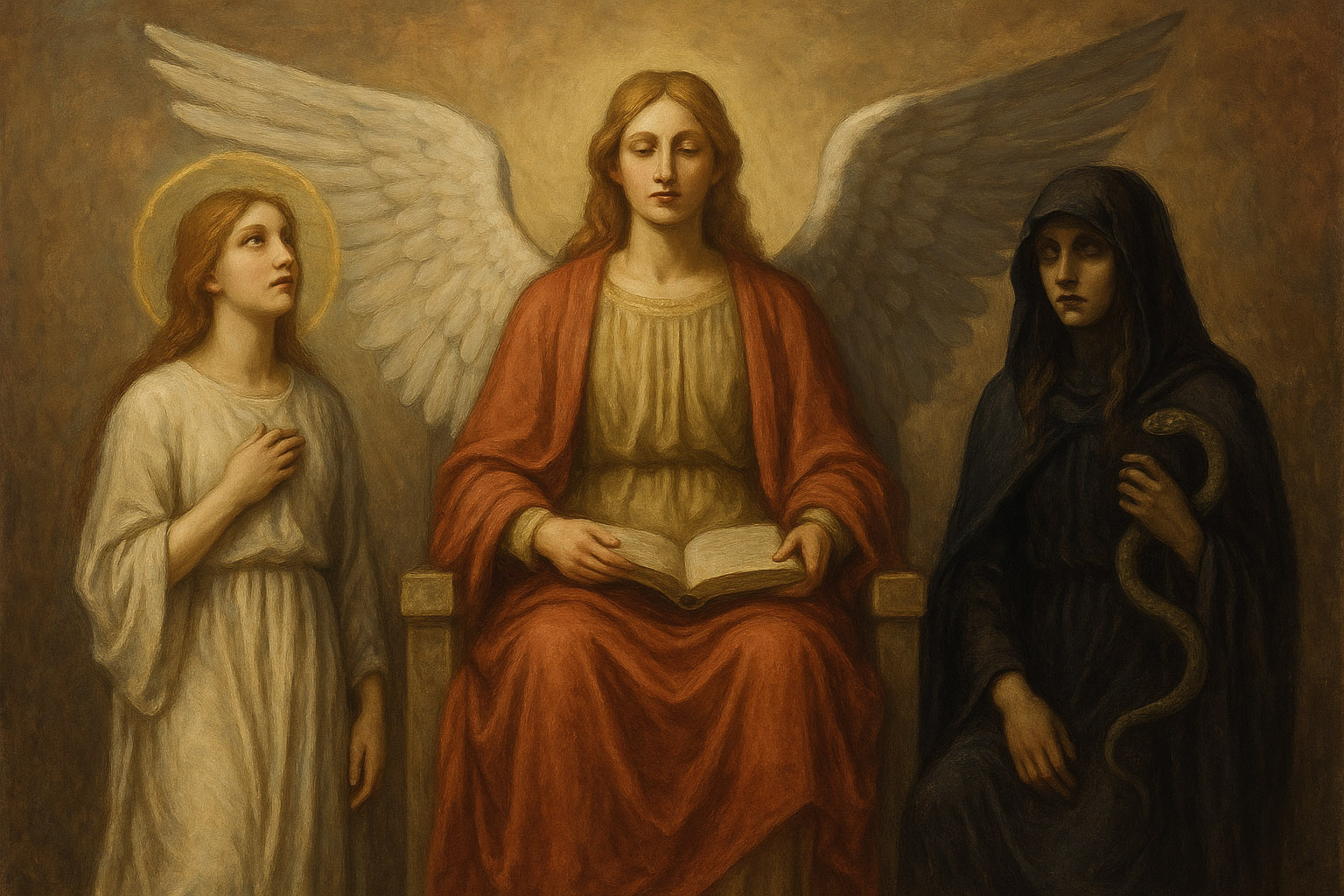
And then the circle of heimarmene can be broken: the mind returns to the spiral of ascent, where every step is natural and timely. Thus the Archon of Envy loses power, and the darkness of crossroads is dispelled by the light of Fidelity. And Sophia, again as Pistis, returns the mind to its true direction toward fullness in harmony with the Pleroma.





How much you learn about yourself… Huge thanks for the inspiration and guidance in working on myself.
Hello, Enmerkar.
I have a question—does the goddess Hecate and other lunar goddesses represent an embodiment, if not of power, then of the principle of the archon?
According to one version, Hecate is a Titaness who has switched to the side of the gods; can she be a Fomorian?
And which deities manifest the powers and principles of Sophia Pistis?
Hello.
In my opinion, it would be more accurate to say that Hecate as a goddess and Hecate as an Archon express different sides of the same principle—the principle of embodying will/desire. In her oldest form, Hecate as a goddess is an expression of the principle of “personal cosmos” (“oikos”), which is completely governed by the being that creates it. And this same principle, but in the sense of the whim of such a ruler, is embodied by Hecate the Archon.
As for Pistis, she can be compared to the “earthly beloved” of the gods, who are deified through their connection with the divine. For example, Ariadne, who became the wife of Dionysus, or Semele (Thione), the mortal mother of Dionysus, deified by Zeus.
Thank you for your answer.
I should probably have asked this question right away—can worship of the goddess Hecate be a stepping stone to serving the principle of the archon of Hecate?
It seems that the gods are also in ignorance at their level of development.
Just now, alongside Goetia, the search for the patronage of gods is becoming more widespread, but this is already Theurgy. The cult of Hecate is especially becoming widely popular due to her magical nature and responsiveness among practitioners of magic, witchcraft, and spiritual development.
Any insufficiently conscious action includes an element of destruction, and religious cults are certainly no exception. The problem lies with the ignorance of consciousness, not the religions themselves or their objects. So yes, worship of the moon goddess and the Crossroads can turn into worship of the Archon of chaos, but the issue here is precisely with who is worshiping, not the object of worship.
“However, if it strives to ‘take the sky by storm,’ bypassing natural stages and appropriating what has not yet been actualized, what has not yet been incorporated into its nature, through an instantaneous leap.” Is this inevitability, since it is the very nature of Desire? Where does the impulse for desire stem from? For Sophia, does the impulse that generates Desire represent the Desire for perfection? And this is not just a return to the center but a desire for perfection in general. Essentially, by desiring something, you are no longer that thing; you are pushed to the periphery. This is a movement toward the center. And as I understand it, you can move towards the center equally or passionately—through a leap. But then why is Sophia, as the aeon embodying the principle of desire, not balanced by her counterpart Teletus (the desired)? Could it be that Sophia suspects something that exceeds the pleroma as true perfection? The Nothing itself (pure Being according to Hegel), in the magic of the Hush?
For everything to be Everything, it must be paradoxically defined. Here, we can see Russell’s paradox. Let’s take a usual set—it includes qualities related to it (possibilities as manifestations and non-manifestations of the specific). A usual set includes qualities (for example, a series of natural numbers). But what is important to understand is that it cannot include Itself. By the way, why? Because it’s surreal… So, let’s take the all-encompassing set called ALL. It includes all possible ‘smaller’ sets that are possible at all. But here is an important point. If ALL is really ALL, then it must include itself!!! From this arises the concept of pleroma—PLENITUDE, which is not just fullness but Excessive fullness. But then what defines it? Probably Nothing (according to Platonism Hen / the One). And pleroma is the One Many, it is also the Mind (according to Plotinus).
And the conclusion is this: since no one doubts that Everything and Reality are synonymous (that’s one thing that is beyond doubt), there must be something that defines Everything itself. Without this definition, Everything will not be Everything, or, in other words, there will be no Reality. And here arises the SUPERPARADOX. Because if something defines Universal reality, defines it as Everything, then this ‘Everything’ is not Everything. That is, Everything is not equal to itself. This is an illusory reality, which exists as long as the defining unreality exists. This reality is not genuine, while (and this complicates the paradox) the defining unreality is authentic.